 Vietnamnet.vn

 Podcast



Standing deep inside the underground tunnel where workers and heavy machinery are actively building the metro line, Costa expressed his delight at witnessing firsthand the results of collaboration between Vietnam and its European partners.
"Last year, the EU and Vietnam celebrated 35 years of partnership. Today, we've officially elevated our ties to a Comprehensive Strategic Partnership," he said. "This must go beyond a name or a title - it must be reflected in concrete actions by the EU here in Vietnam."
Costa emphasized that joint efforts involving EU member states and Vietnam are already delivering tangible benefits for Hanoi’s residents. He pointed to the metro line as a practical step toward more convenient, affordable, and environmentally friendly transportation.
"Thousands of people will use this system every day and directly experience the real impact of the Comprehensive Strategic Partnership between Vietnam and the EU," he noted.
A shared vision for sustainable urban mobility
Metro line 3 spans 12.5 kilometers, including eight elevated stations and four underground stations. The elevated section (Nhon – Cau Giay) is 8.5 kilometers long, while the underground segment (Cau Giay – Hanoi Station) stretches 4 kilometers.
As one of Hanoi’s key infrastructure projects, the metro is expected to ease traffic congestion, improve public transport, and enhance urban environmental quality.
It also stands as a symbol of international cooperation in sustainable urban mobility and supports Vietnam’s commitment to a green transition.
The project has received significant financial support from France, including more than 500 million euros in concessional loans from the French Treasury and the French Development Agency. Additional funding has come from the Asian Development Bank (about USD 407.8 million) and EIB Global, the international arm of the European Investment Bank (141 million euros).
Antonio Costa visits Temple of Literature on symbolic day
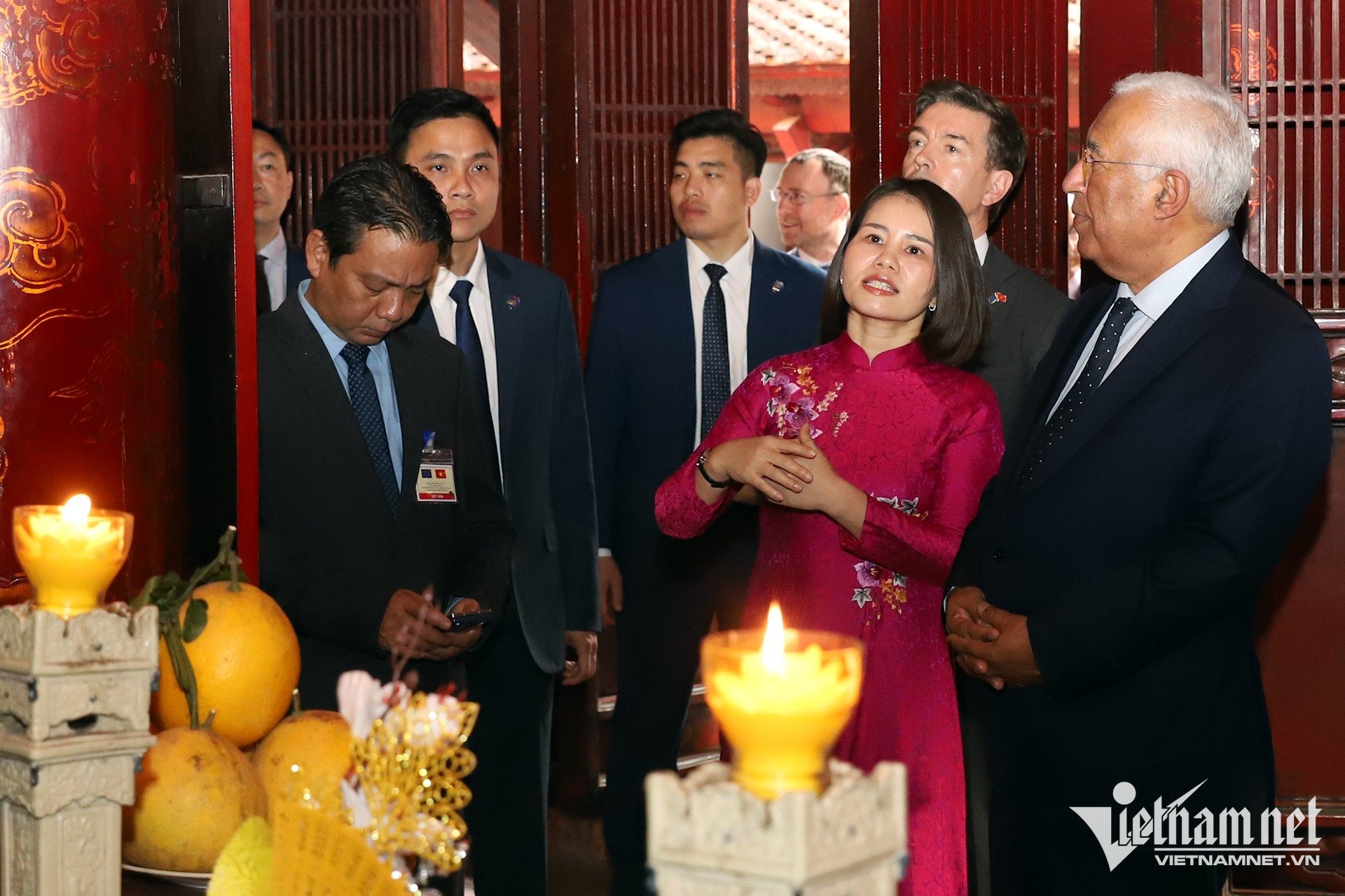
Later in the afternoon, Costa visited Van Mieu–Quoc Tu Giam - Vietnam’s first university and a landmark of its educational heritage.
His visit coincided with a special occasion: Hanoi’s official recognition by UNESCO as a "Global Learning City", an honor celebrated during a ceremony at the site.
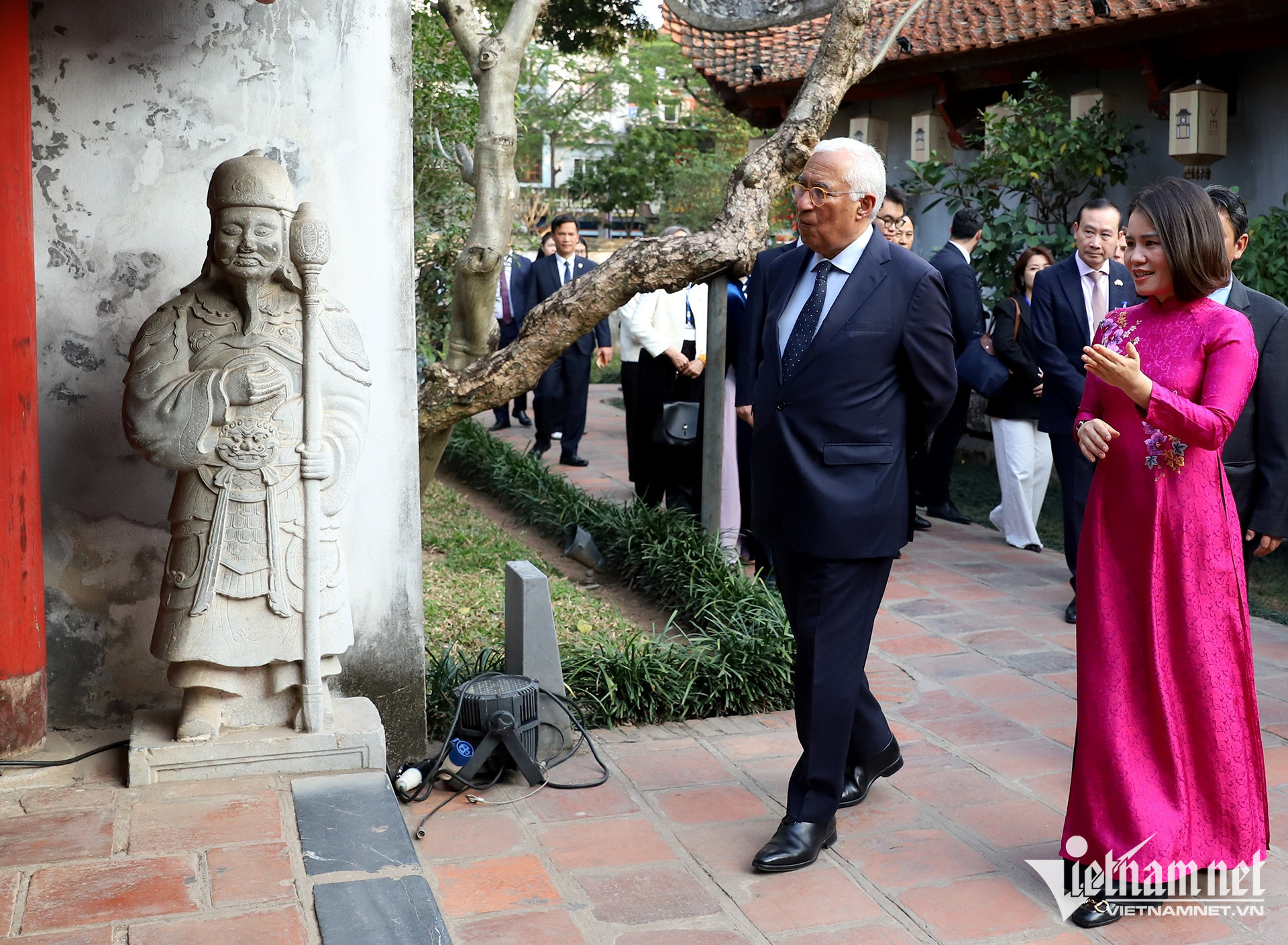
Walking through the historic grounds on a warm day, Costa was introduced to the rich history and architecture of the Temple of Literature. The site has long been a popular destination for both local and international visitors, including foreign dignitaries.
He showed keen interest in the site's historical, cultural, and artistic value, and praised Vietnam’s tradition of respecting education, teachers, and talent.
Education as a cornerstone of EU–Vietnam cooperation
Education is one of the key pillars of cooperation between the EU and Vietnam. In late 2025, the EU and Vietnam’s Ministry of Education and Training signed a funding agreement for the Vietnam–EU Vocational Education and Training Program (VETVET), with a total budget exceeding 50 million euros. The initiative aims to develop a highly skilled workforce in Vietnam.
In their recent joint declaration upgrading ties to a Comprehensive Strategic Partnership, Vietnam and the EU committed to deepening cooperation in science and technology, and pledged to expand collaboration in education and training.
This aligns with the Vietnamese Communist Party’s 14th Congress, which identified high-quality human resources, linked to science, technology and innovation, as one of three strategic breakthroughs for national development.
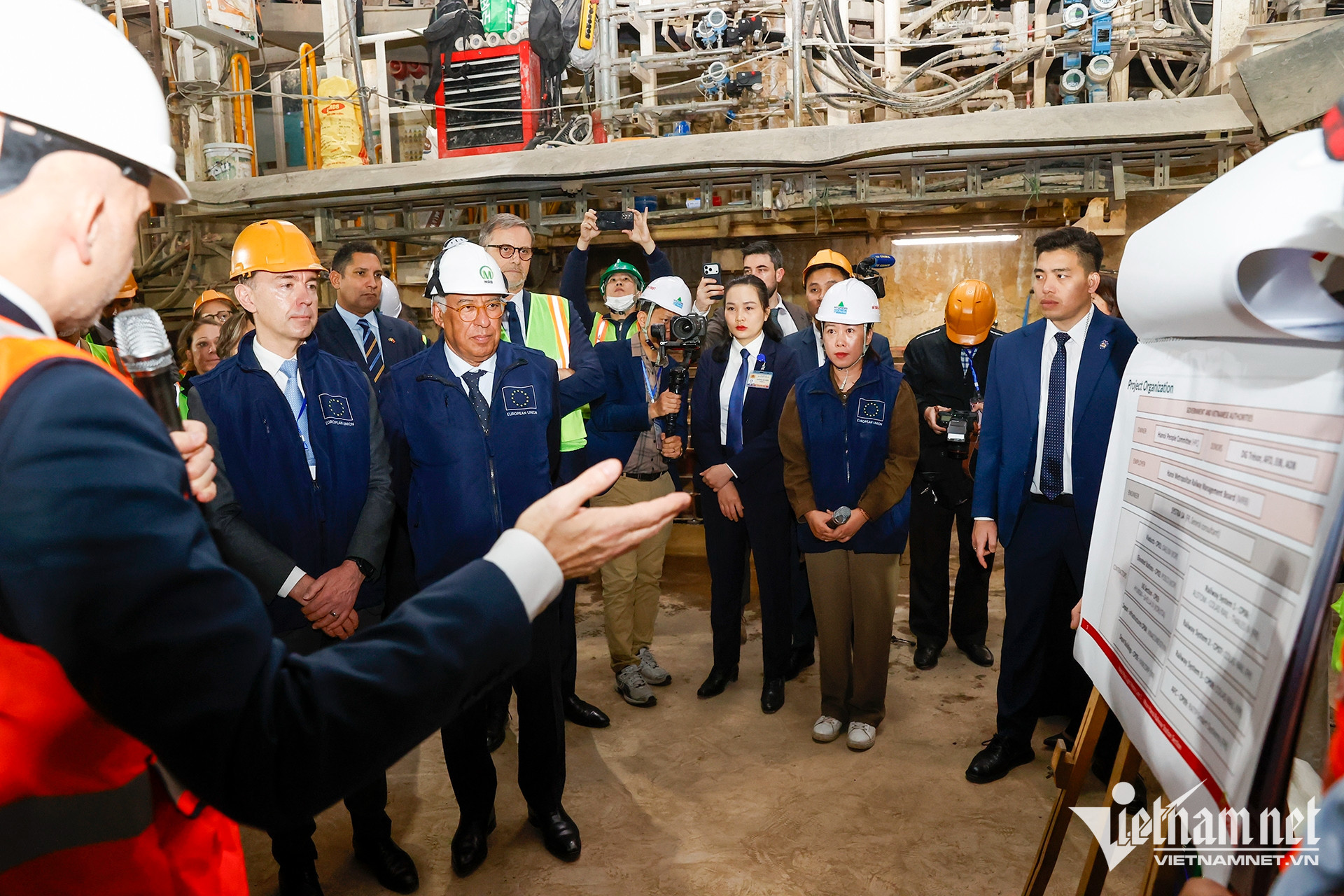
European Council President Antonio Costa tours the construction site of the underground section of metro line 3.
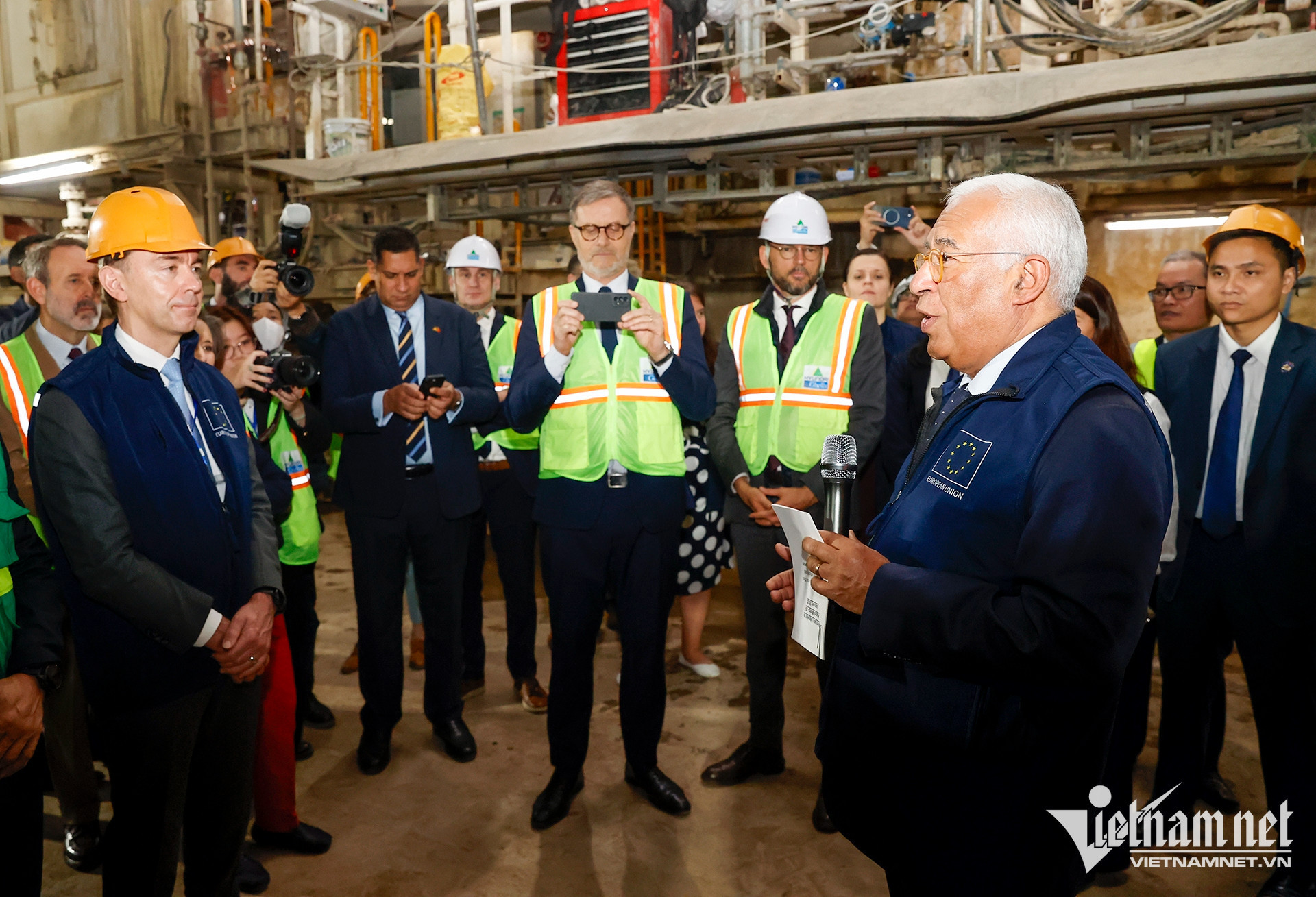
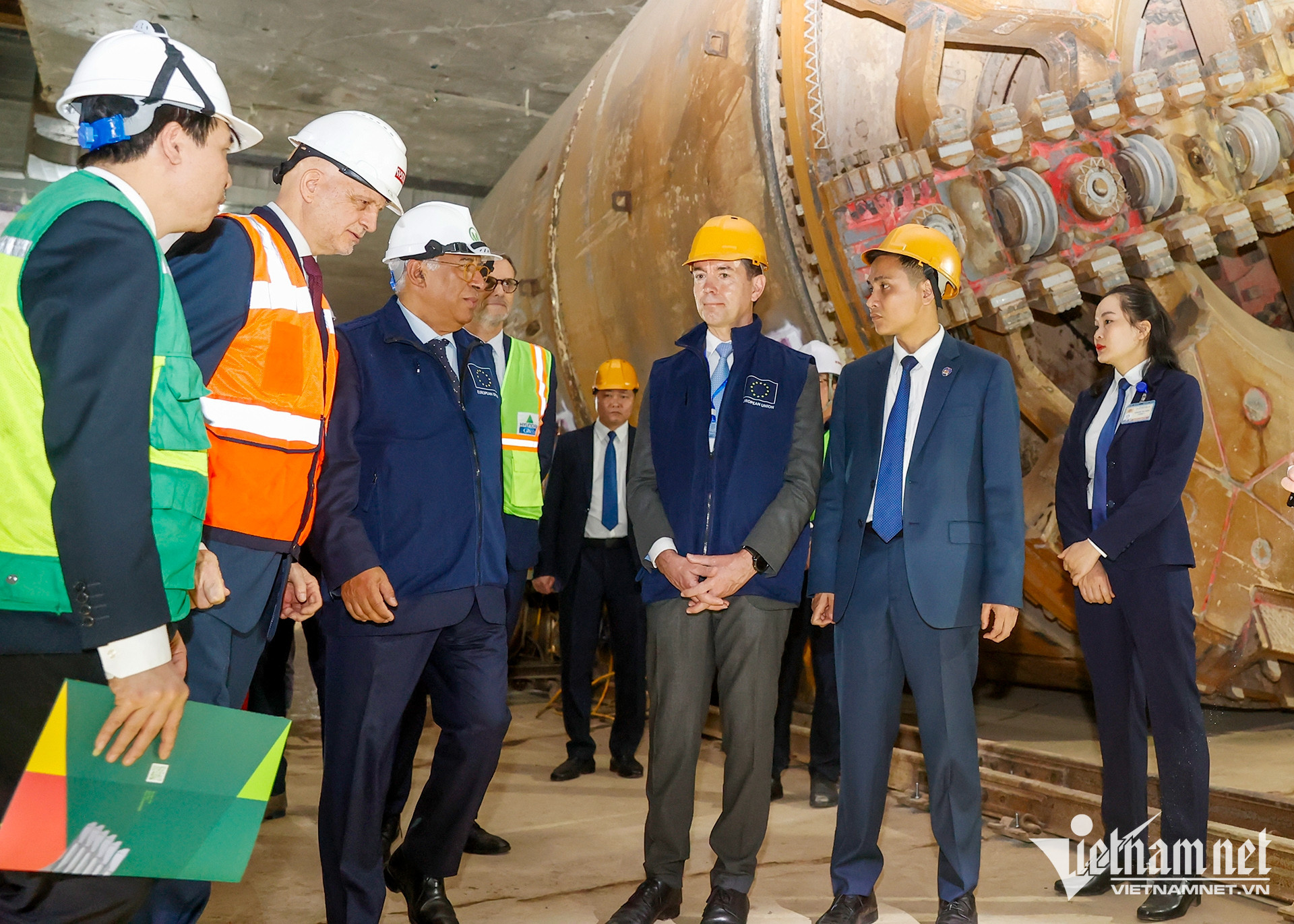
Costa receives an overview of the metro project and its significance for Hanoi.
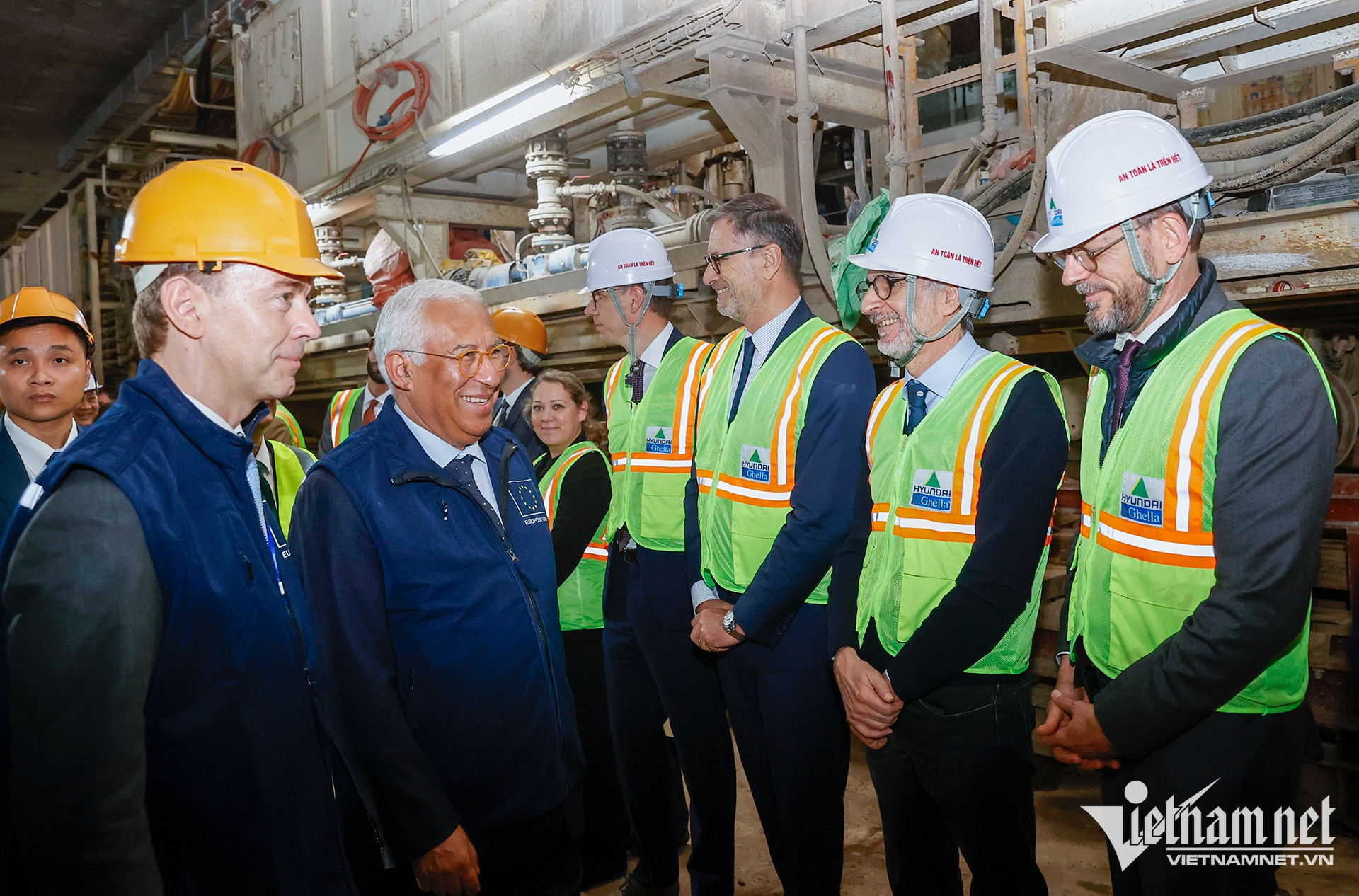
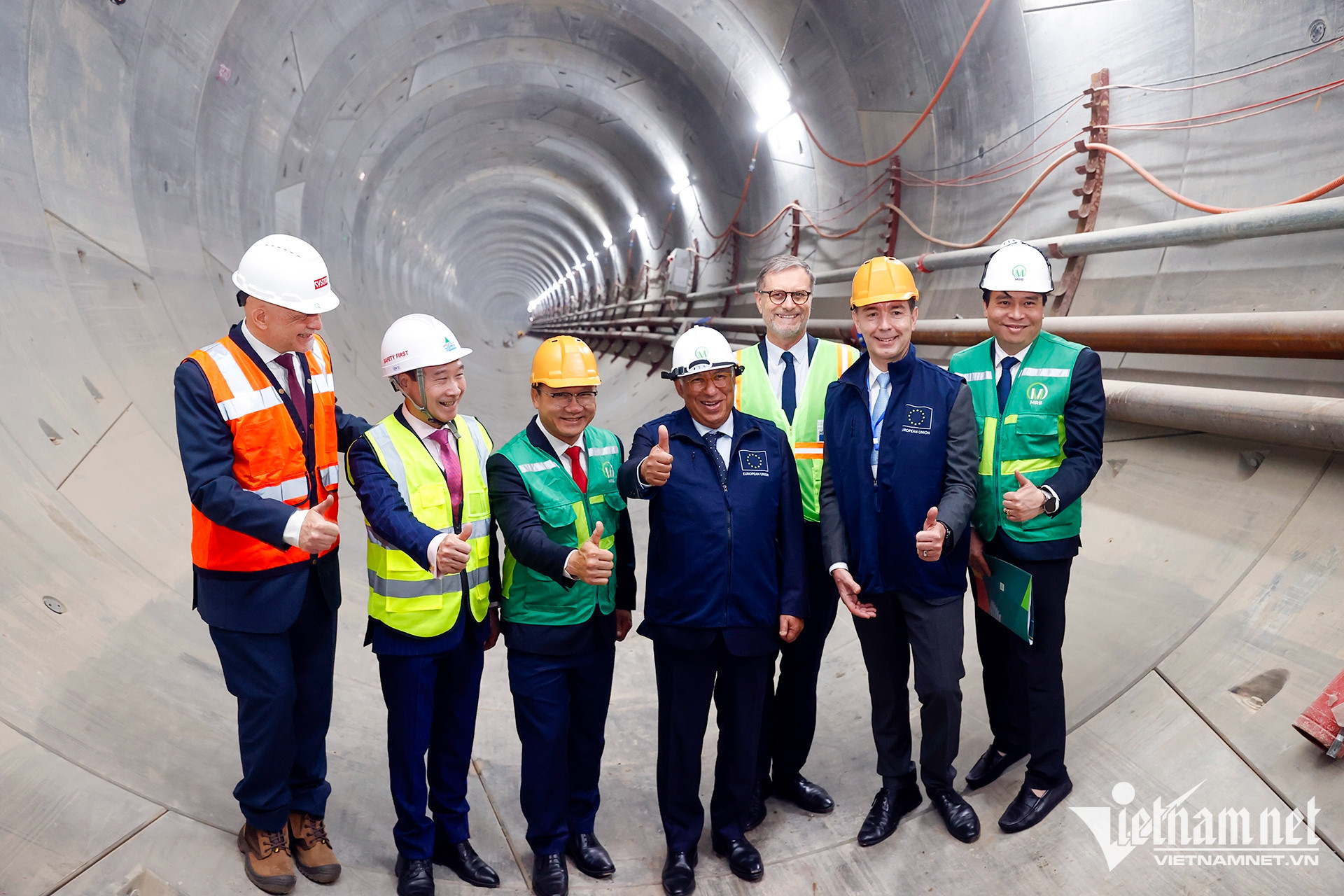
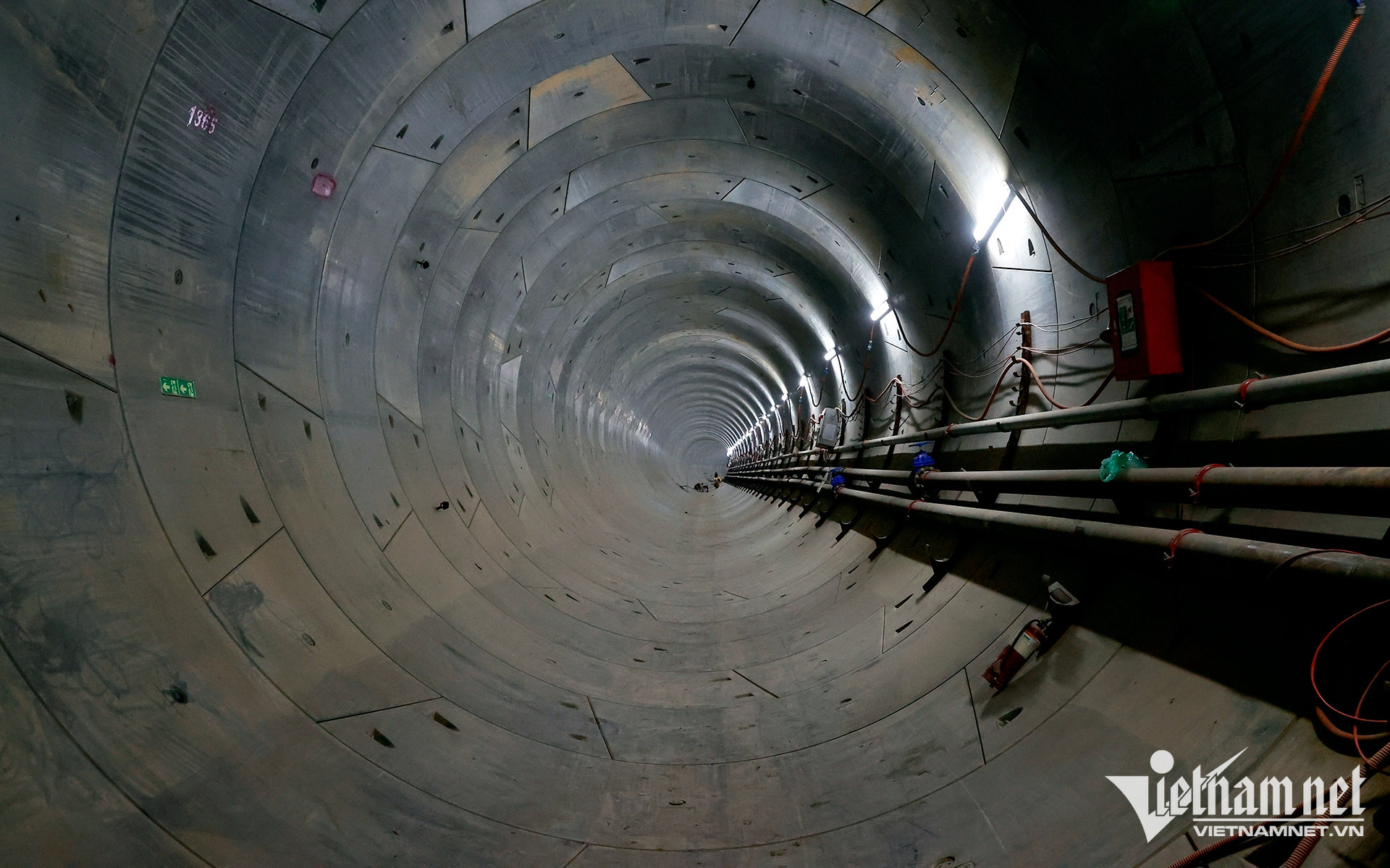
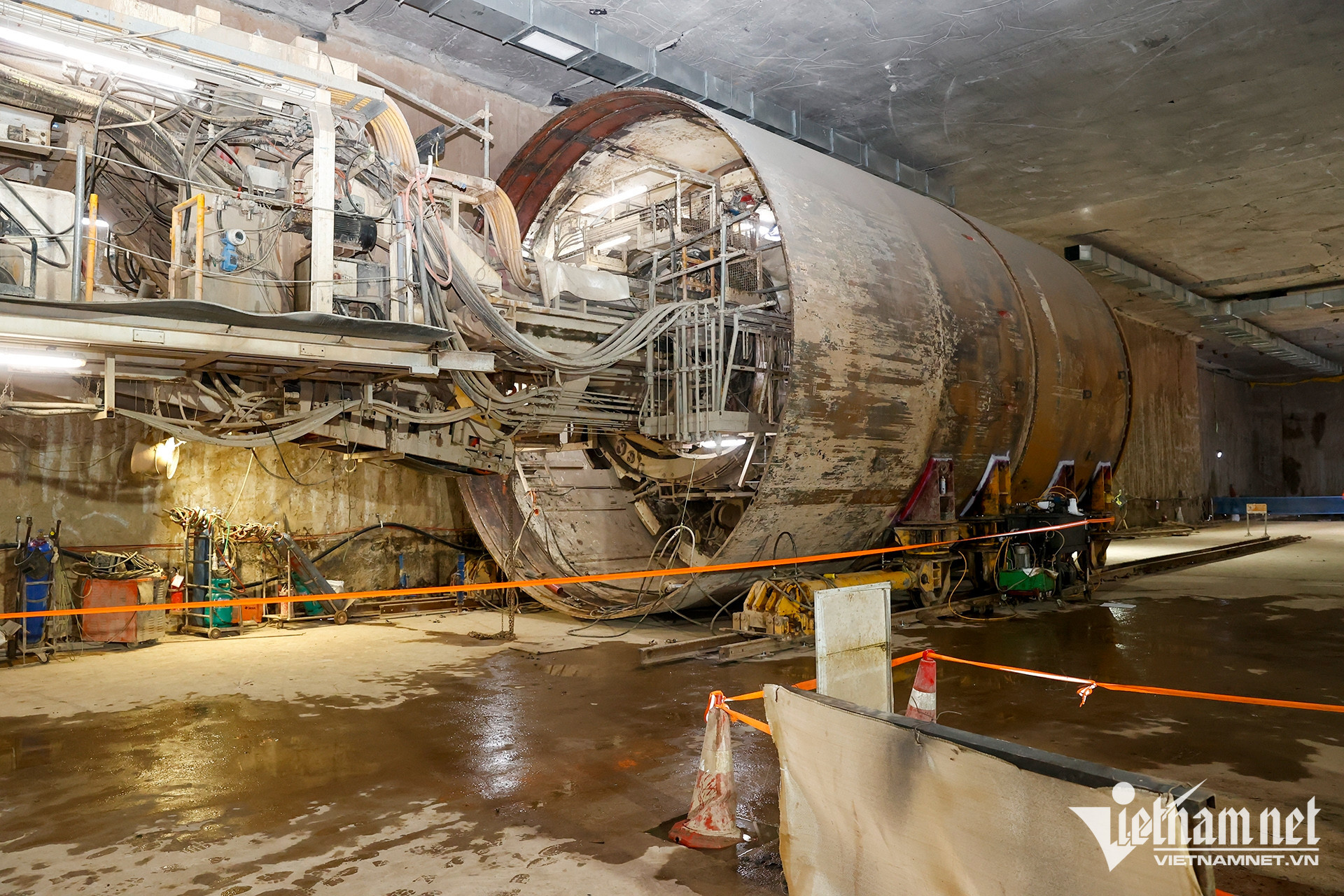
He expressed joy at witnessing the tangible results of EU–Vietnam cooperation.
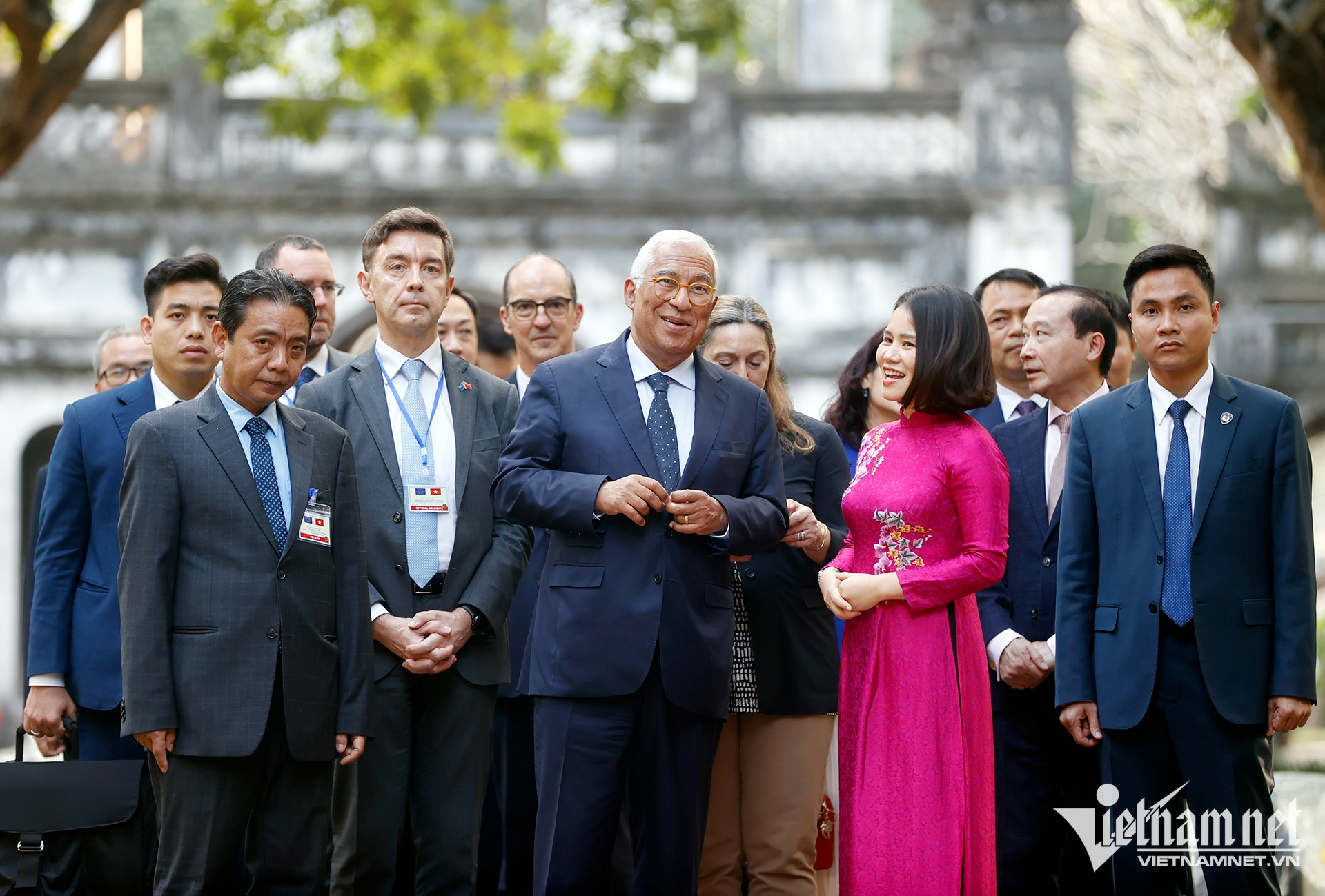
Antonio Costa continues his tour at the Temple of Literature, a symbol of Vietnam's long-standing reverence for education.
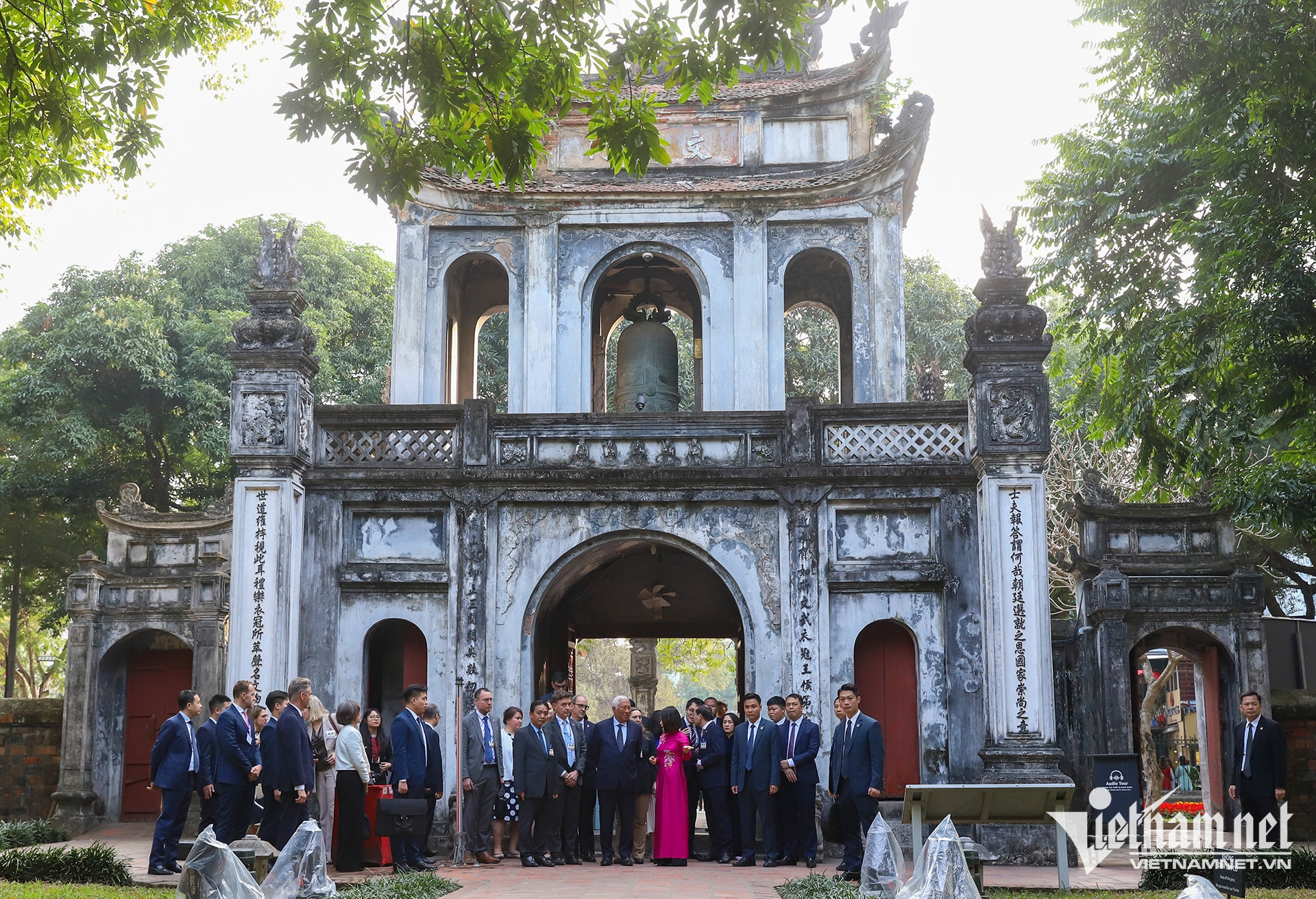
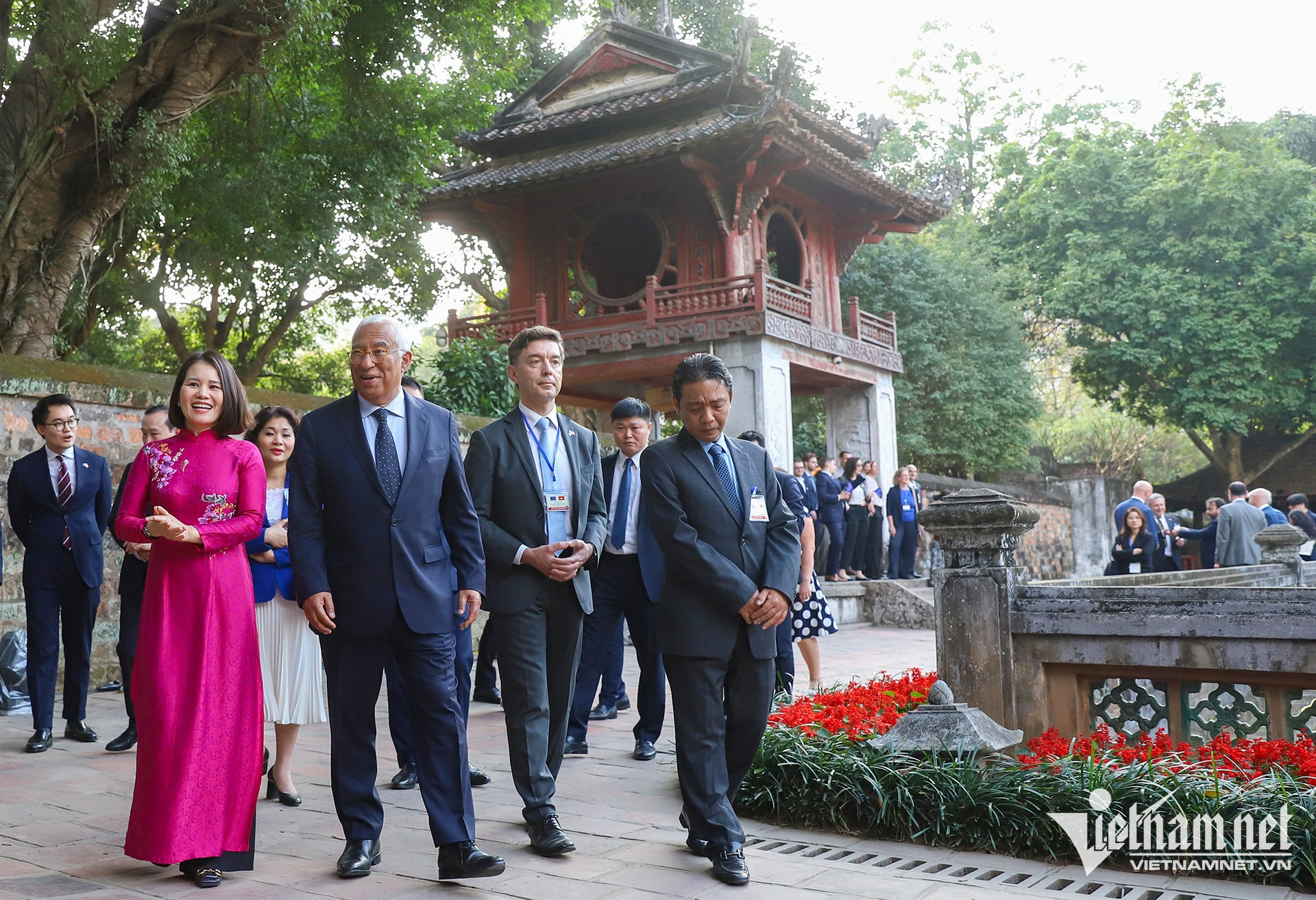
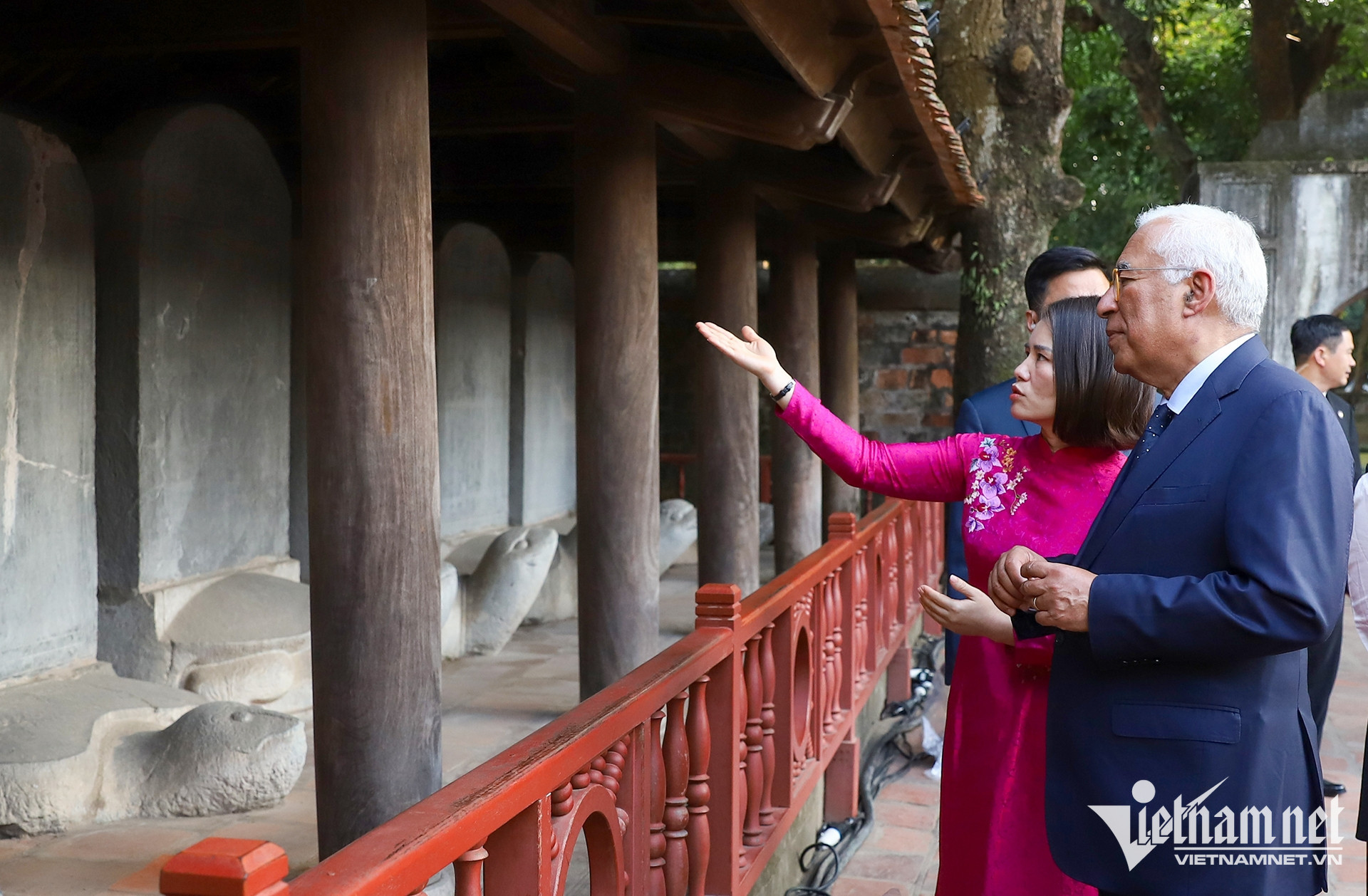
He listens to the site's history and appreciates its cultural significance.
Tran Thuong & Pham Hai
.svg)
