 Vietnamnet.vn

 Podcast



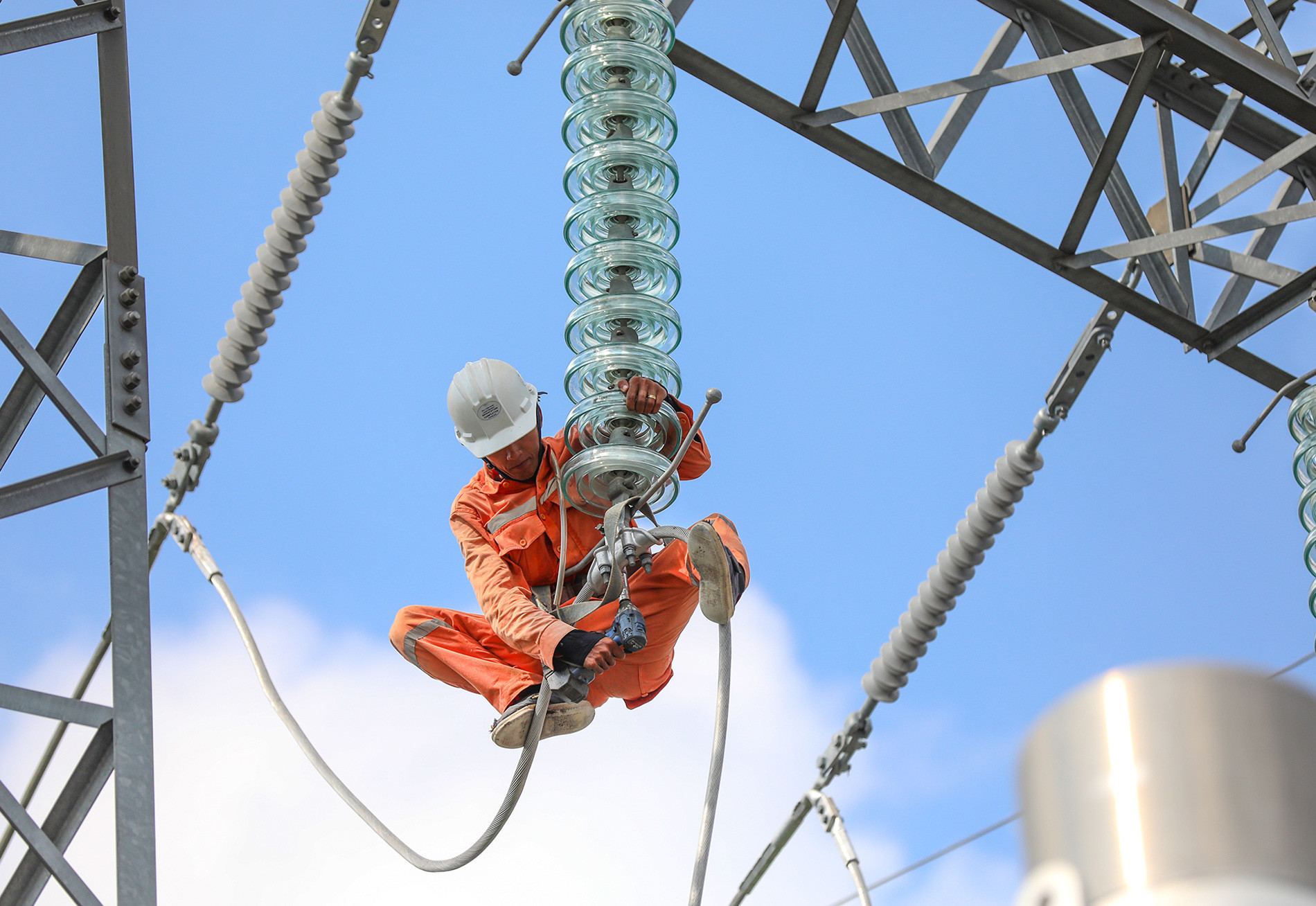
On the evening of June 7, EVN issued a statement addressing several issues raised in its audited 2025 financial reports, including questions surrounding its substantial bank deposits and the sharp improvement in profitability.
According to audited consolidated financial statements reviewed by Deloitte, EVN recorded revenue from sales and services of VND645.7 trillion ($24.7 billion) in 2025, up nearly 11.2% from the previous year. Cost of goods sold and services totaled VND549.3 trillion ($21 billion).
The group reported after-tax profit of VND51.88 trillion ($1.99 billion), a 529.8% increase from VND8.24 trillion ($315 million) in 2024. Profit attributable to the parent company reached VND50.51 trillion ($1.93 billion), while non-controlling interests contributed VND1.37 trillion ($52.4 million).
The substantial profit enabled EVN to resolve longstanding financial burdens. By the end of 2025, retained earnings stood at VND5.53 trillion ($212 million), compared with accumulated losses of more than VND38.69 trillion ($1.48 billion) at the end of 2024.
The recovery was driven largely by improved electricity margins following a decline in global fuel prices and adjustments to domestic electricity tariffs.
Deloitte issued an unqualified audit opinion on EVN's consolidated financial statements. However, auditors highlighted several matters relating to the treatment of gas transportation costs for gas-fired power plants and certain tax items awaiting final decisions from competent authorities.
Why does EVN keep so much money in banks?
One issue drawing public attention was EVN's large volume of bank deposits.
According to the company, total consolidated bank deposits at the end of 2025 - including cash, cash equivalents and short-term financial investments - amounted to approximately VND152 trillion ($5.82 billion).
EVN stressed that this figure represents the combined cash holdings of all subsidiaries and member units across electricity generation, transmission, distribution and supporting services.
The group argued that the amount remains significantly lower than its short-term liabilities, which exceeded VND227 trillion ($8.69 billion) at the same time.
In addition to obligations to fuel suppliers for coal, oil and natural gas, as well as payments for electricity purchased from non-EVN power plants totaling more than VND118 trillion ($4.52 billion), EVN must also prepare funds to repay more than VND47 trillion ($1.8 billion) in maturing debt.
As a result, EVN said its available deposits are insufficient to cover all short-term obligations.
The company emphasized that any assessment of its cash position should be considered alongside its debt burden and extensive operational requirements.
Maintaining significant cash balances is also necessary to support daily business activities and ensure the completion of assigned tasks, according to EVN.
Power generation units require substantial cash reserves to open letters of credit for domestic and imported fuel purchases. Meanwhile, EVN's parent company must maintain sufficient liquidity to make monthly payments to independent power producers supplying electricity to the national grid.
The group noted that volatile fuel prices in recent years have made cash flow management increasingly important for safeguarding electricity supply security.
EVN also pointed out that outstanding debt across the group remains substantial. Short-term borrowings alone currently total around VND47 trillion ($1.8 billion), requiring the company to maintain adequate liquidity to meet repayment obligations and preserve its credit standing.
Beyond operational requirements, EVN faces enormous capital needs for future power generation and grid development projects aimed at ensuring long-term energy security.
A number of major and urgent power generation and transmission projects are currently under construction, requiring significant investment.
According to EVN, both the parent company and its subsidiaries must proactively secure sufficient funding while maintaining contingency reserves to address potential delays in credit disbursements and keep strategic projects on schedule.
The 2025 results mark a significant turning point for EVN after several difficult years characterized by soaring fuel prices, electricity supply pressures and sharply rising power purchasing costs.
Tam An
.svg)
