 Vietnamnet.vn

 Podcast



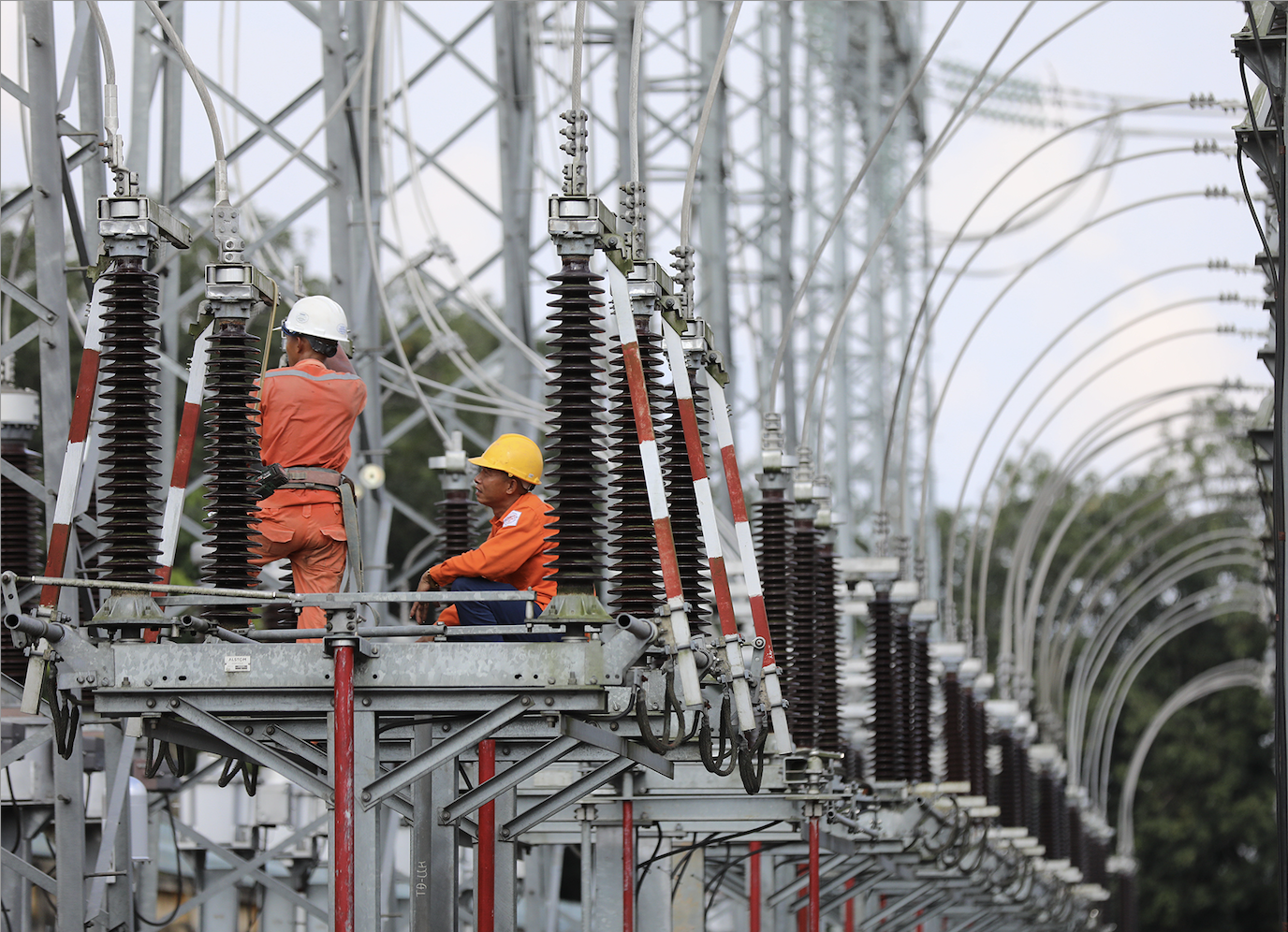
The Vietnam Electricity Group (EVN) reported a sharp surge in profits in 2025, sparking debate over what drove the strong earnings and whether consumers can expect lower electricity prices in the near future.
Hydropower and lower coal prices boosted profits
Speaking with VietNamNet about EVN’s unusually strong financial performance in 2025, Ha Dang Son, Director of the Center for Energy and Green Growth Research, said the results should be viewed in the context of previous years when the state-owned utility suffered significant losses due to soaring fuel costs.
"If EVN incurred major losses when fuel prices were high, then recording substantial profits when fuel costs decline and operating conditions improve is understandable, particularly as the company seeks to offset earlier losses," he said.
Son noted that before the Covid-19 pandemic, EVN had generally remained profitable, although not at particularly high levels.
To assess whether the group's large profit was reasonable, he said it is important to examine the composition of electricity generation sources used in 2025, as this directly affects power purchasing costs.
"If power procurement costs are lower, EVN will naturally generate higher profits. Comparing the generation mix in 2025 with that of 2023 and 2024 would provide a clearer picture," he explained.
According to Son, 2025 benefited from several favourable conditions. Input fuel prices, particularly coal and gas, fell significantly compared with previous years. At the same time, hydropower plants enjoyed abundant rainfall, allowing them to generate more electricity at relatively low cost and contributing substantially to improved business results.
"If we look only at the nearly 5% increase in the average retail electricity tariff, that adjustment can explain only part of the profit growth. The larger contribution came from lower fuel costs and greater hydropower output," he said.
Photo captions:
According to Son, exceptionally high fuel prices in 2023 drove electricity production costs sharply higher. By 2024 and 2025, input costs had eased considerably.
Looking ahead to 2026, he said global LNG prices have remained relatively stable despite tensions around the Strait of Hormuz, thanks to abundant global supply, particularly from the United States. However, Asian markets continue to face certain supply pressures because of their dependence on long-term contracts with Middle Eastern suppliers.
"The biggest risk this summer is not LNG prices but supply availability. Fortunately, LNG carriers are still arriving at Thi Vai Port to provide fuel for gas-fired power plants," he said.
Is there any chance electricity prices could be reduced?
Despite public calls for lower electricity prices following EVN's strong earnings, Son said the issue is far more complex than it may appear.
"If electricity prices are reduced, the entire system of power purchase agreements would need to be reconsidered. At the same time, Vietnam is moving toward a cost-reflective pricing mechanism and gradually eliminating cross-subsidies," he explained.
Vietnam is also preparing to develop new power sources, including LNG-fired plants, offshore wind farms and nuclear power projects. These technologies require substantial investment and typically generate electricity at higher costs than conventional hydropower.
"When these power sources come online, the question becomes what electricity purchase price will ensure investors can recover their capital," Son said.
He also pointed out that EVN continues to address accumulated losses from previous years. In addition, some costs have yet to be fully reflected in electricity tariffs despite proposals from regulators. Labour costs, insurance contributions and other mandatory expenses have also increased under new regulations and must eventually be incorporated into retail electricity prices.
"Fuel prices have fallen, but adjustments were not made immediately in the past. Current profits need to be used to offset previous losses, restore financial strength and create investment capital. If the company has not fully recovered financially, it would be very difficult to reduce electricity prices," he said.
EVN’s profits belong to the State
Son stressed that EVN does not have the authority to freely decide how its profits are used.
"EVN is a state-owned enterprise, so its profits ultimately belong to the State. Decisions regarding the allocation and use of those profits are made by competent authorities, not by EVN itself," he said.
He noted that Vietnam’s power sector faces enormous financing needs in the coming years for offshore wind projects, nuclear energy development and major grid upgrades.
Even after accumulated losses are fully cleared, EVN's remaining profit would still be modest relative to the capital required for future energy investments.
Annual financing requirements for major generation and transmission projects are estimated at tens of billions of US dollars. Meanwhile, loans from commercial banks and international financial institutions generally require EVN to provide a corresponding level of equity capital.
Public opinion often raises the question: if electricity prices rise when EVN records losses, why should consumers not benefit when the company earns substantial profits?
According to Son, the answer lies in understanding the broader financial structure of a state-owned utility and the immense reinvestment needs facing Vietnam's electricity sector as it seeks to secure long-term energy security and support economic growth.
Tam An - Luong Bang
.svg)
