 Vietnamnet.vn

 Podcast



Many Vietnamese startups have innovative ideas but struggle to scale because they fail to identify real market demand, lack access to funding and management tools, and face weak connections across the innovation ecosystem, experts said at a national startup forum.
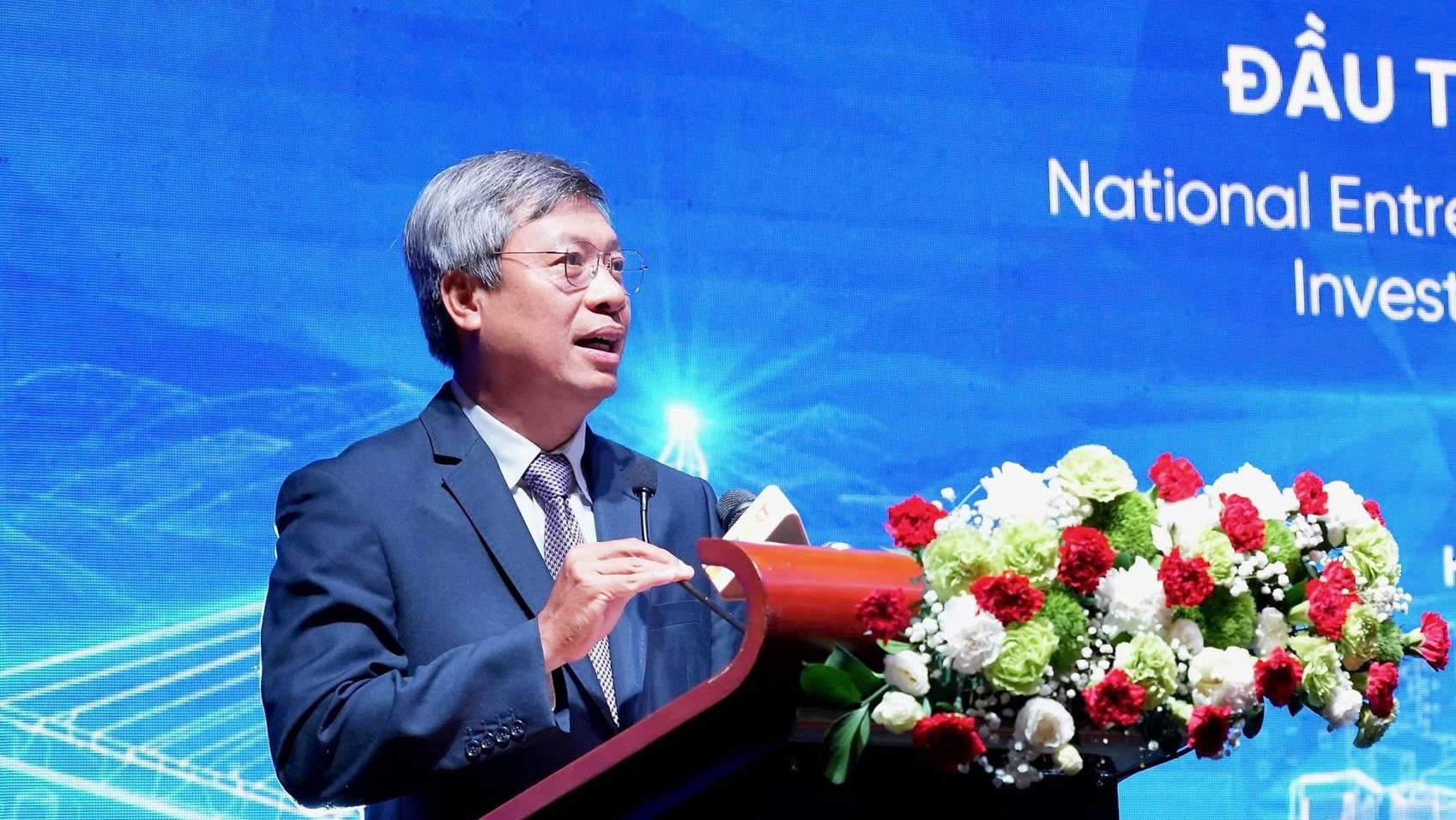
The National Hoa Khanh Startup Forum 2026, held in Da Nang on July 16, focused on the theme: Startup Investment and Innovation in the Government - University - Business - International Partnership Model.
Speaking at the event, Ho Quang Buu, Vice Chairman of the Da Nang People's Committee, said the city is entering a new phase of development with the goal of achieving double-digit economic growth while becoming a regional hub for innovation, high technology, finance and logistics.
He said science and technology, innovation, digital transformation and the growth of the startup community must become key drivers of the city's future economic expansion.
According to Buu, stronger collaboration among government agencies, universities, businesses, investors and international organisations is the right direction. However, he stressed that the forum's success should be measured not by the number of agreements signed, but by tangible benefits delivered to businesses and the public.
Three challenges facing startup founders
Dinh Viet Hoa, Chairman of the National Startup Association, outlined three major challenges that many startup founders must overcome.
The first is the gap between innovation and market demand. Many young entrepreneurs possess technical expertise and ambitious ideas but have not clearly identified what customers actually need or are willing to pay for.
The second challenge lies between academic knowledge and real-world application. Universities have researchers, laboratories and valuable research outcomes, while businesses need practical solutions to improve productivity, reduce costs and enhance products. However, these two resources often fail to connect effectively.
The third challenge is the gap between ambition and available resources. Even promising startups struggle to survive without sufficient funding, experienced management, market intelligence and customer networks.
"These challenges show that a startup ecosystem cannot be built solely through business plan competitions or campaigns encouraging company formation. Founders need capable intermediaries that can connect market demand with knowledge, technology and investment capital," Hoa said.
Stronger university-business partnerships
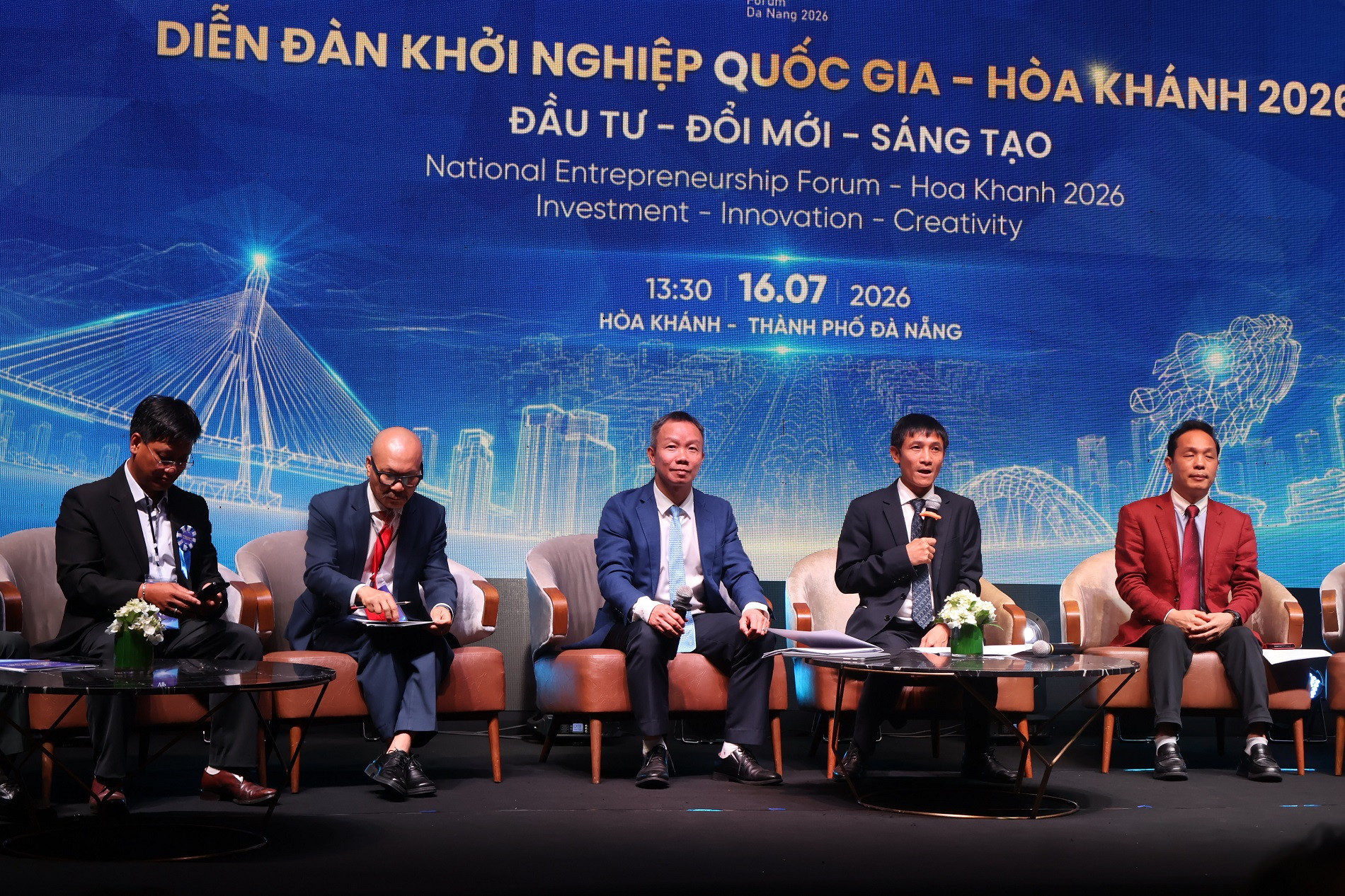
Huynh Phuong Nam, Vice Rector of the University of Science and Technology under the University of Da Nang, said innovation-driven entrepreneurship should begin with research, inventions and practical industry challenges.
The university has incorporated innovation and entrepreneurship into its curriculum and is gradually replacing theoretical projects with project-based learning.
In several disciplines, students now work directly with businesses on real industry problems under the joint supervision of lecturers and company representatives. According to Nam, this approach helps students gain practical experience while creating opportunities to transform academic projects into commercial products, solutions or startup ventures.
He added that collaboration would become even more effective if businesses provided more clearly defined industry challenges for universities to address.
Digital transformation seen as growth catalyst
Supporting digital transformation for nearly 61,000 small and medium-sized enterprises (SMEs) across Da Nang has become one of the city's priorities.
According to Ho Quang Buu, the objective is not simply to encourage companies to adopt more software, but to improve productivity, expand market access and contribute to the city's double-digit growth target.
The city also plans to accelerate the adoption of artificial intelligence, big data, e-commerce and digital finance while helping household businesses and SMEs access technology at affordable costs.
Lu Thanh Long, Chairman of technology company MISA, said startup founders often lack not only capital but also management tools, reliable data and access to credit.
Taking advantage of Hoa Khanh's proximity to industrial parks, high-tech zones and major universities, Huynh Anh Vu, Chairman of the Hoa Khanh Ward People's Committee, said the locality plans to establish free co-working spaces for startups, create an advisory council, connect entrepreneurs with investment funds and support research and technology pilot projects.
However, Vu stressed that these initiatives will only succeed if responsibilities are clearly defined, including who identifies industry needs, who conducts research, who provides investment and who brings products to market.
"Startups become a true driver of economic growth only when research finds business applications, small enterprises use AI to improve productivity, and investors recognise a product's potential to scale," he said.
Nguyen Hien
.svg)
