 Vietnamnet.vn

 Podcast



Nestled in a lush green valley, the My Son Sanctuary is often described as the “valley of the Champa gods,” home to ancient brick towers, sandstone reliefs and sacred relics. It is regarded as one of Vietnam’s most important centres of Champa culture, religion and architecture.
The site includes more than 70 architectural structures built by the Champa civilisation, preserving remarkable historical, cultural, architectural and artistic values.
Constructed over nine centuries, from the 4th to the 13th century, the complex is considered one of Southeast Asia’s most significant heritage sites, alongside Angkor Wat in Cambodia, Borobudur in Indonesia, Pagan in Myanmar, Wat Phou in Laos and Prasat Hin Phimai in Thailand.
According to historical records, the earliest relics date back to the reign of King Bhadravarman I, who ruled from 381 to 413 and built a sanctuary dedicated to the worship of Linga and Shiva. Later, each Champa king would travel to My Son to perform purification rituals, offer tributes and build additional temples.
Beyond its ceremonial role connecting royal dynasties with the gods, the sanctuary also served as a burial ground for kings, nobles and influential monks.
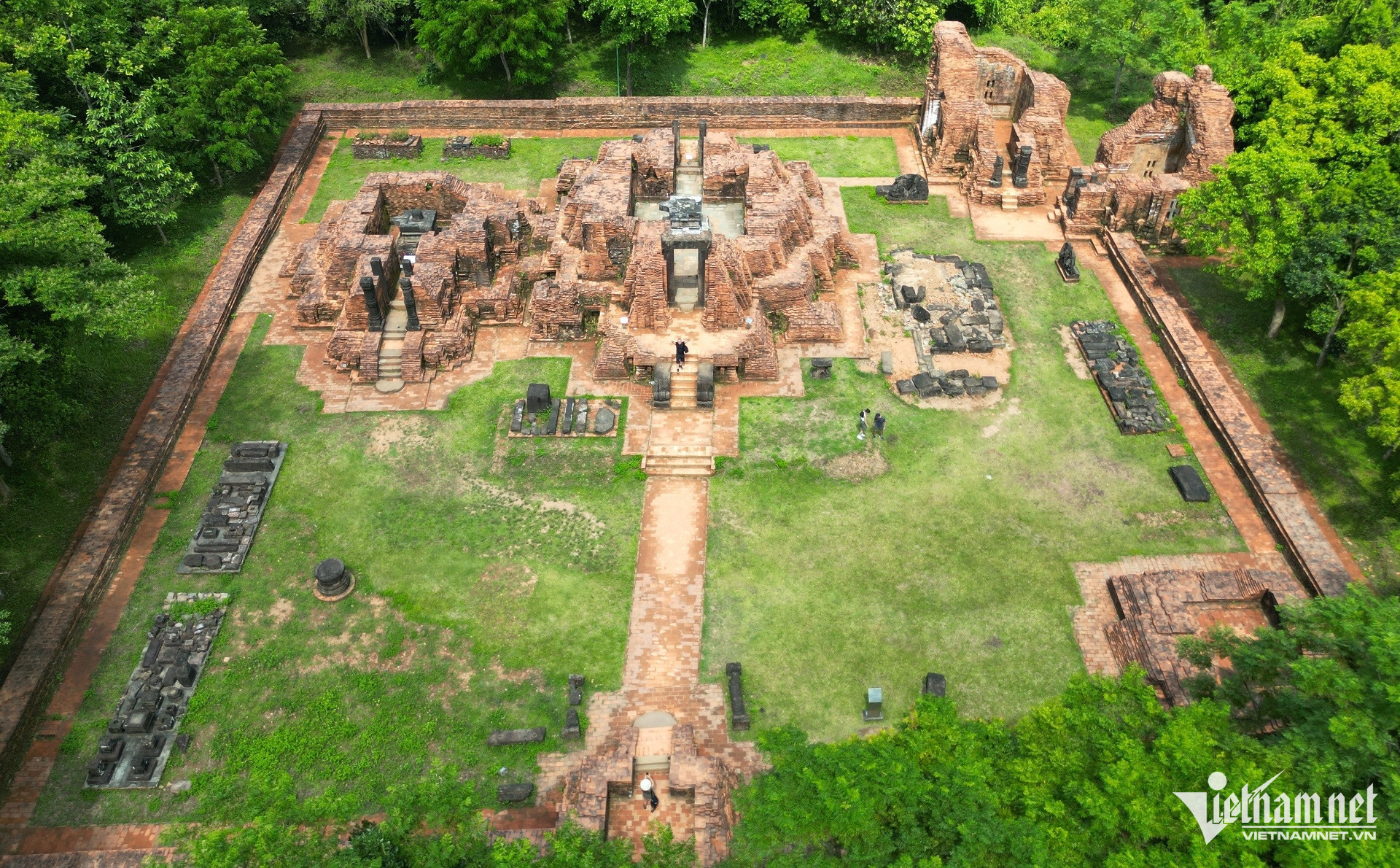
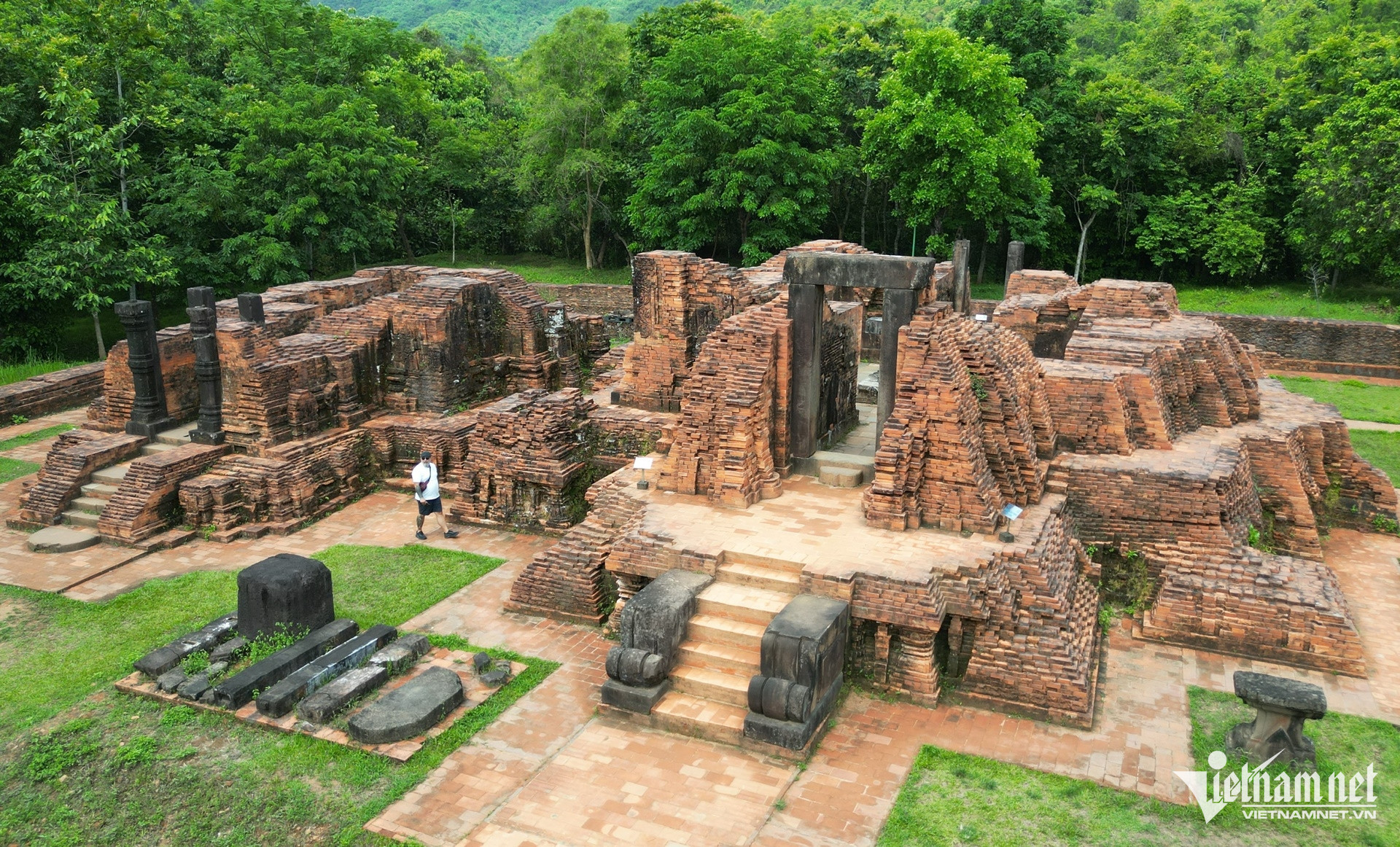
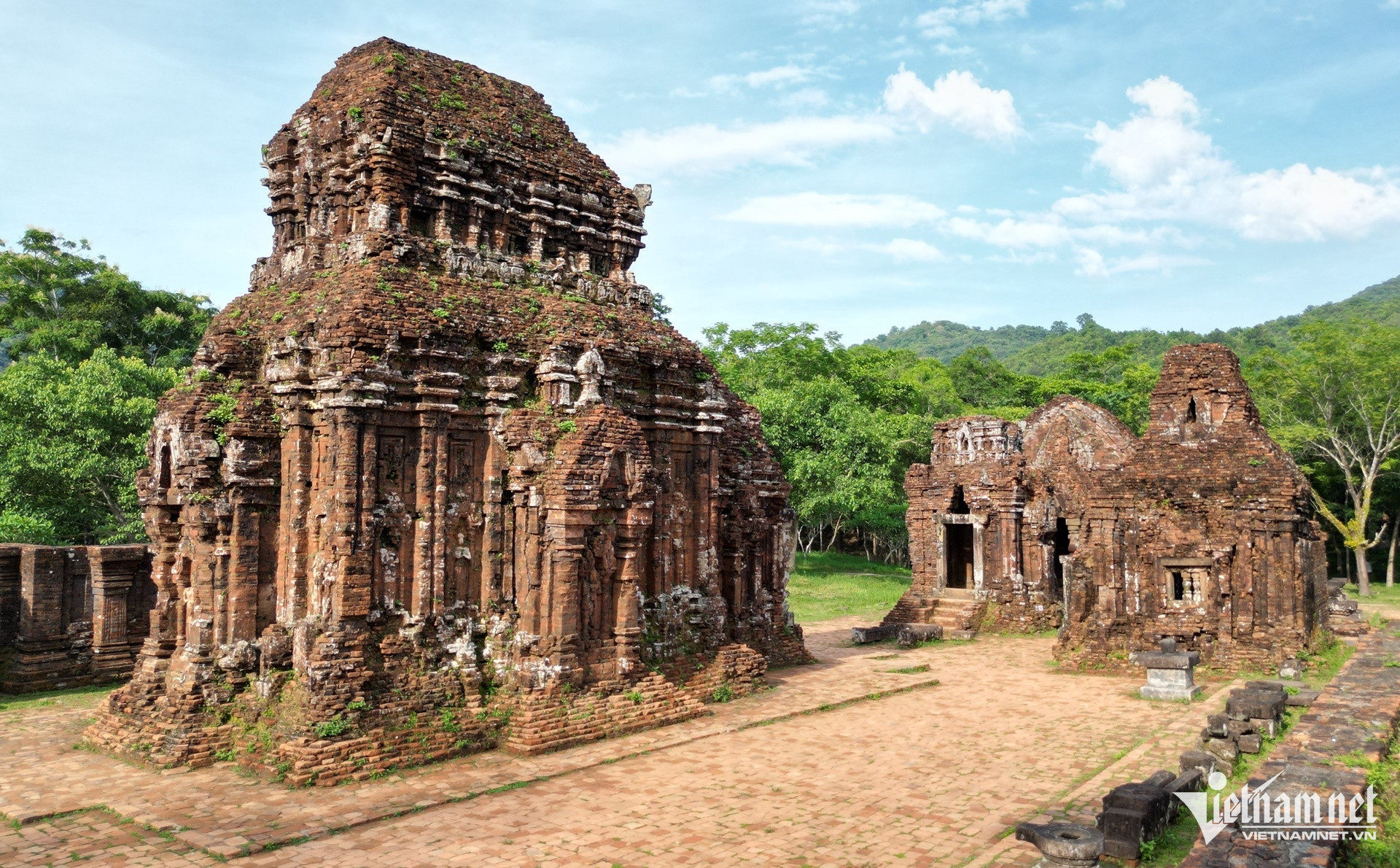
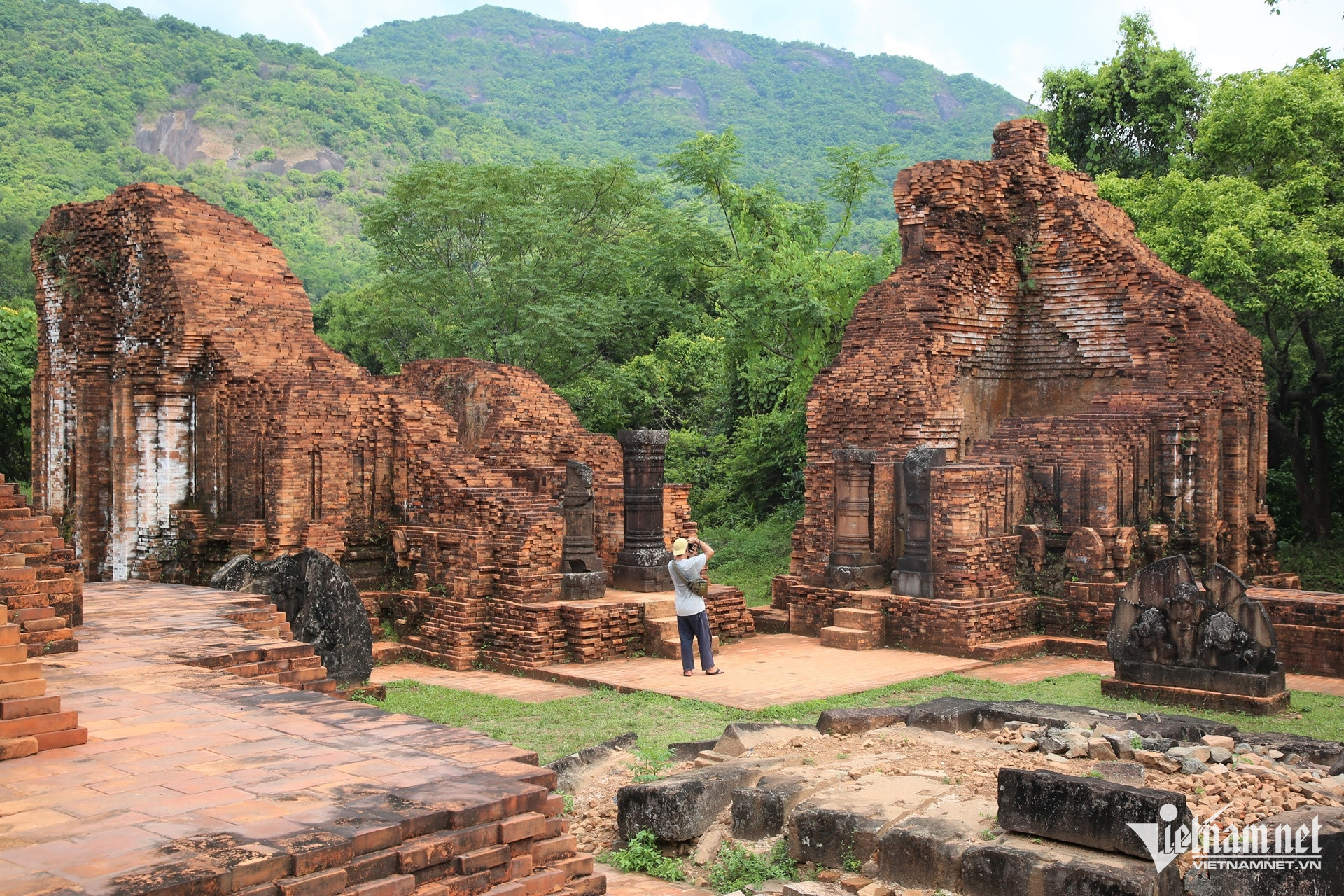
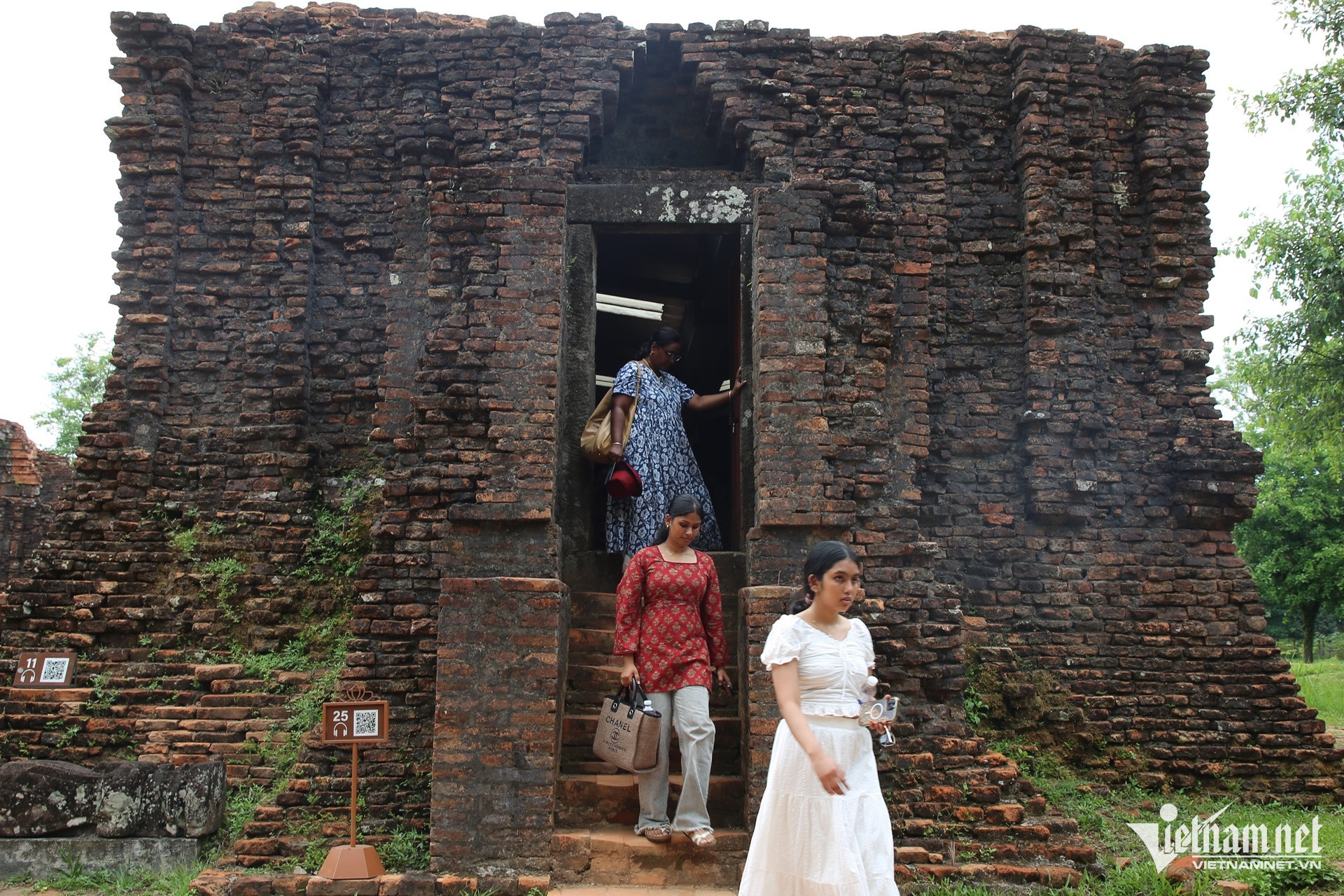
Most of the towers were built from fired brick combined with stone columns, reflecting strong Indian architectural influence. The entire complex originally consisted of around 70 structures divided into several groups with a relatively unified layout.
Each cluster typically featured a main temple at the centre, surrounded by smaller towers or auxiliary buildings. The main temple symbolised Mount Meru, the cosmic centre in Hindu belief and the sacred dwelling place of Shiva.
In front of the main temple stood a gate tower with two openings aligned east to west. Beyond the gate tower was the Mandapa, a long hall used to receive pilgrims and ceremonial offerings.
Beside the main temple were auxiliary towers with one or two chambers opening to the north, serving as storage spaces for ritual objects. Other smaller temples worshipped deities guarding the cardinal directions.
Additional towers around the main sanctuary were dedicated to directional gods known as Dikpalaka, celestial deities called Grahas, and subsidiary gods such as Skanda and Ganesa.
Researchers classify My Son’s architectural styles into six groups: Ancient, Hoa Lai, Dong Duong, My Son, Po Nagar and Binh Dinh. Over time, the sanctuary has taken on an increasingly ancient, solemn and mysterious appearance.
One of My Son’s most remarkable features is its construction technique. Despite numerous theories, scholars still debate how the ancient Cham people created such strong adhesion between the bricks.
To the naked eye, almost no traces of mortar or binding materials can be seen between the brick layers. Yet the bricks remain tightly bonded, forming durable towers that have withstood centuries in an almost mysterious way.
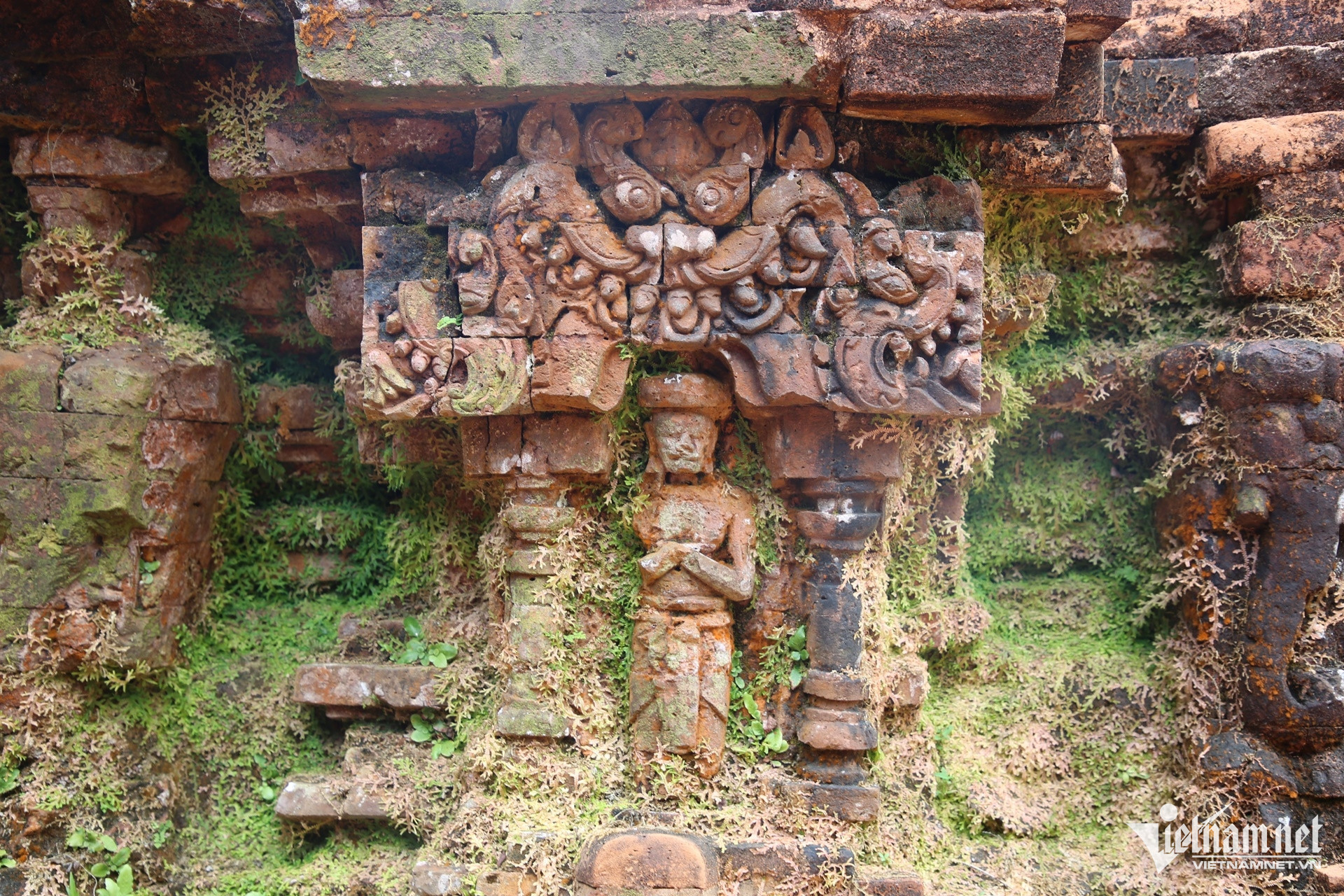
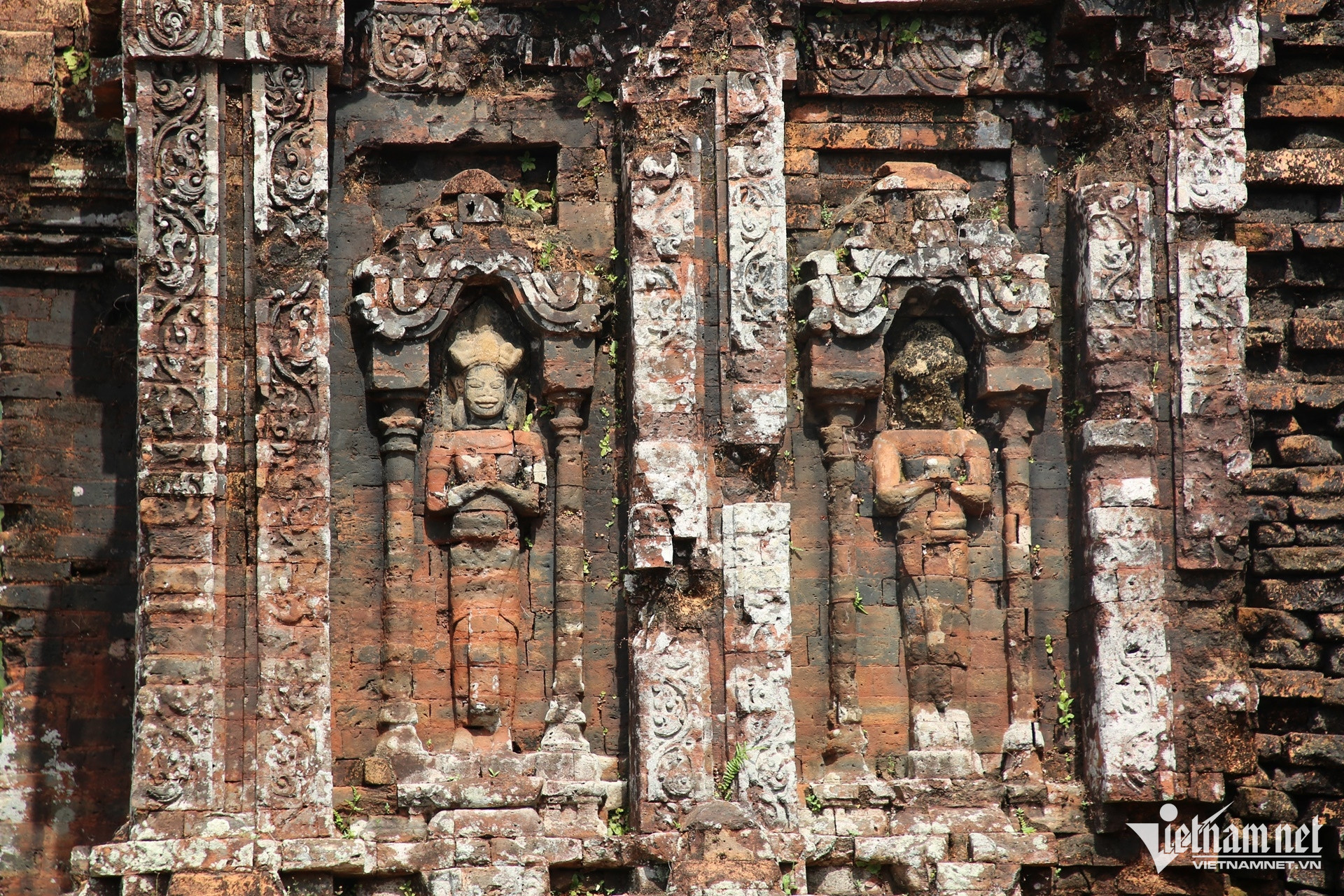
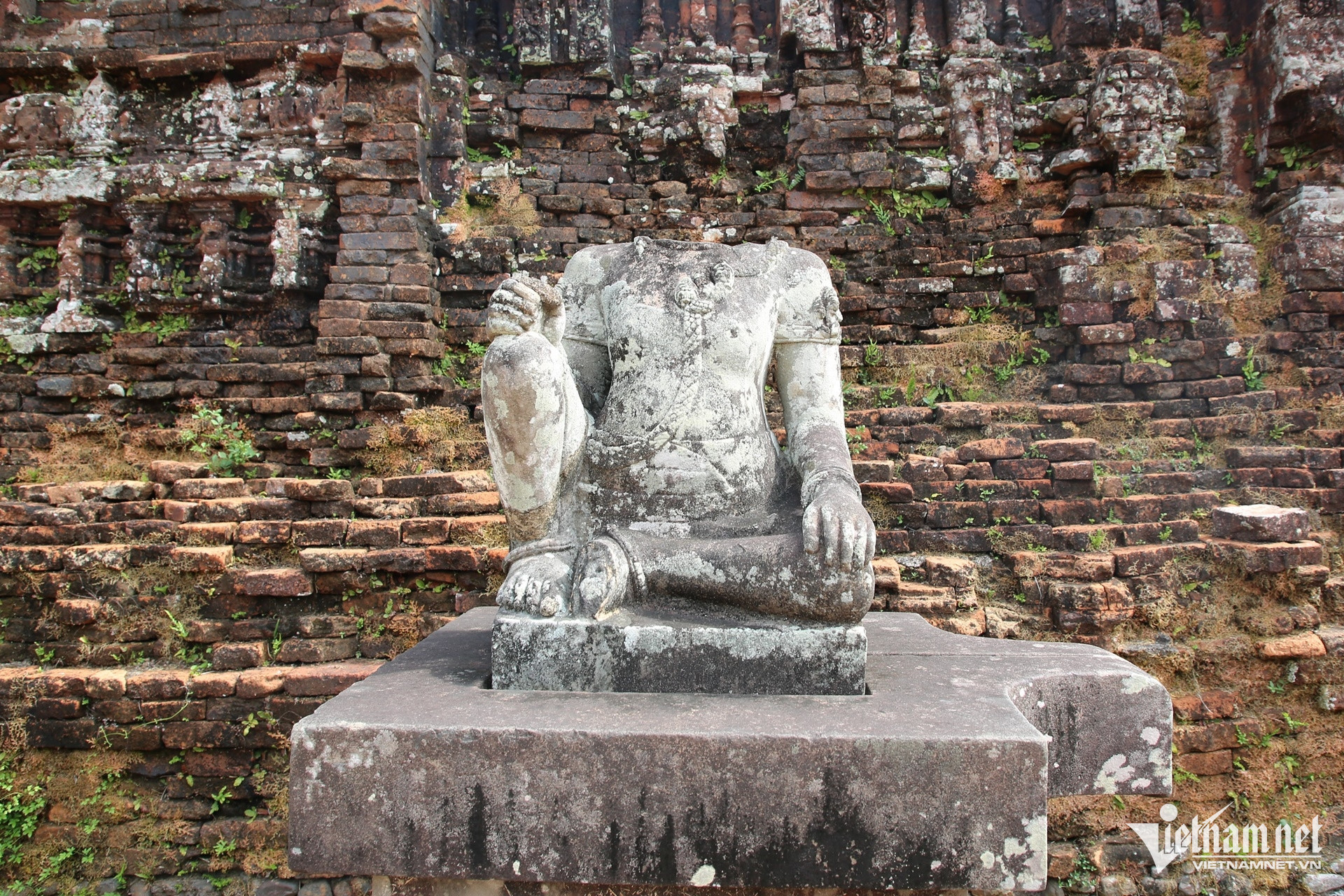
The decorative art at My Son demonstrates the exceptional craftsmanship of Cham artisans. Elaborate carvings on brick and stone depict elephants, deities, dancers and scenes of music and ritual performances, creating a distinctive aesthetic while reflecting the rich spiritual life of the ancient Champa Kingdom.
Notably, several stone steles and columns still preserve ancient Sanskrit inscriptions. These writings provide valuable historical evidence helping researchers trace the history and construction of the temple complex.
Based on archaeological studies, scholars believe most of the major towers at My Son were dedicated to Shiva, one of Hinduism’s most important deities.
Many stone linga-yoni sculptures associated with Shiva worship have also been discovered within the sacred spaces.
Throughout history, the My Son temple complex suffered repeated destruction during wars. By the mid-15th century, the site was gradually abandoned and remained hidden in the jungle for centuries. In 1885, French explorers rediscovered My Son, and around a decade later, scientists began clearing vegetation and conducting surveys and research.
During the first four decades of the 20th century, My Son attracted considerable attention from French researchers. Following extensive excavation and study, Louis Finot and Henri Parmentier published foundational documents about the site in 1904. During the Vietnam War, the sanctuary was again heavily damaged by bombing.
Recognising its outstanding cultural, historical and architectural significance, UNESCO designated My Son a World Cultural Heritage Site in 1999.
In recent years, multiple restoration projects have been carried out with support from international experts to preserve the site’s authenticity and historical value.
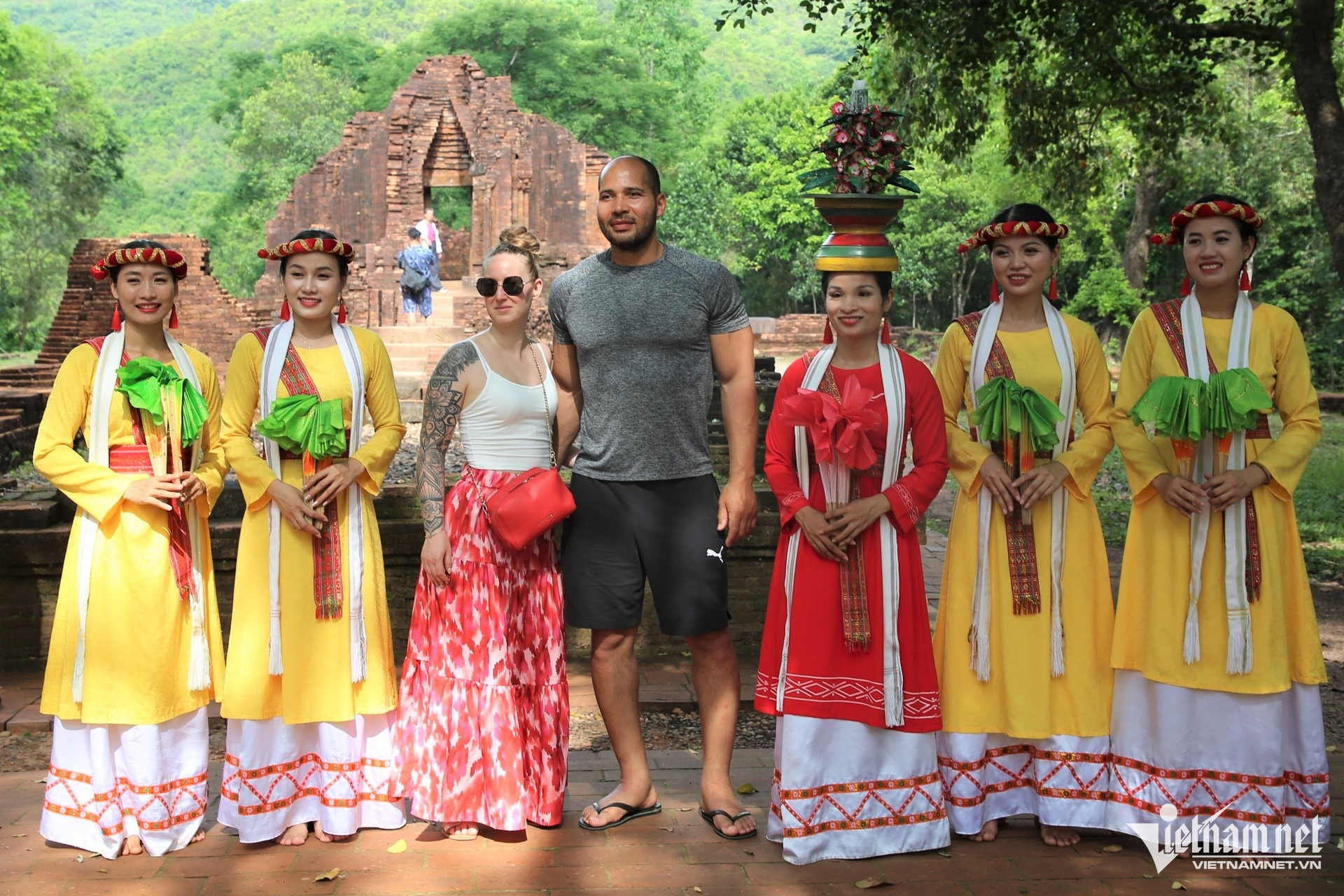
Today, My Son remains one of Vietnam’s most important destinations for exploring Champa heritage, attracting large numbers of domestic and international visitors.
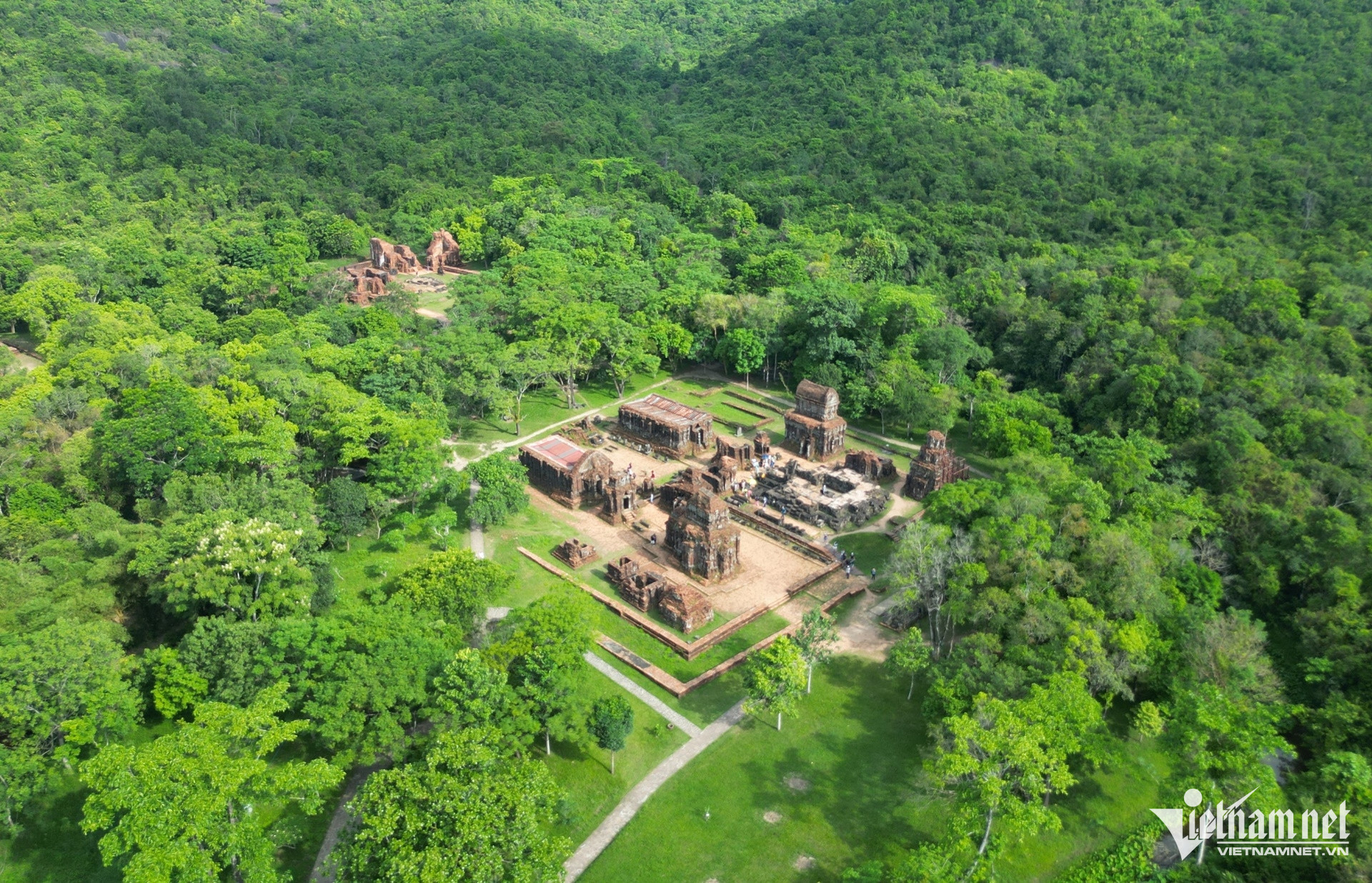
My Son Sanctuary is located in a secluded valley surrounded by majestic mountains in Thu Bon Commune, Da Nang.
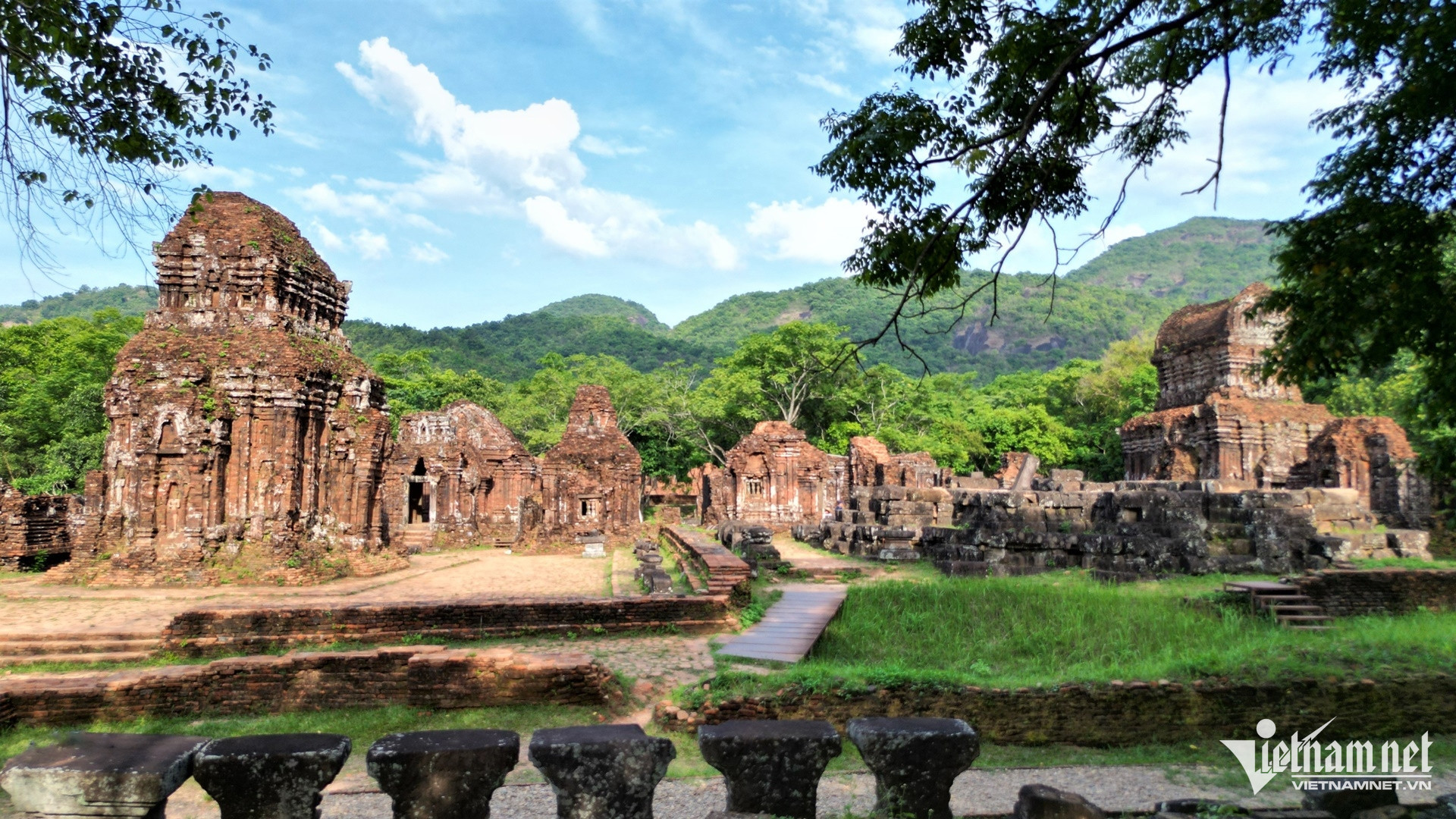
The site includes more than 70 temple structures built by the Champa civilisation.
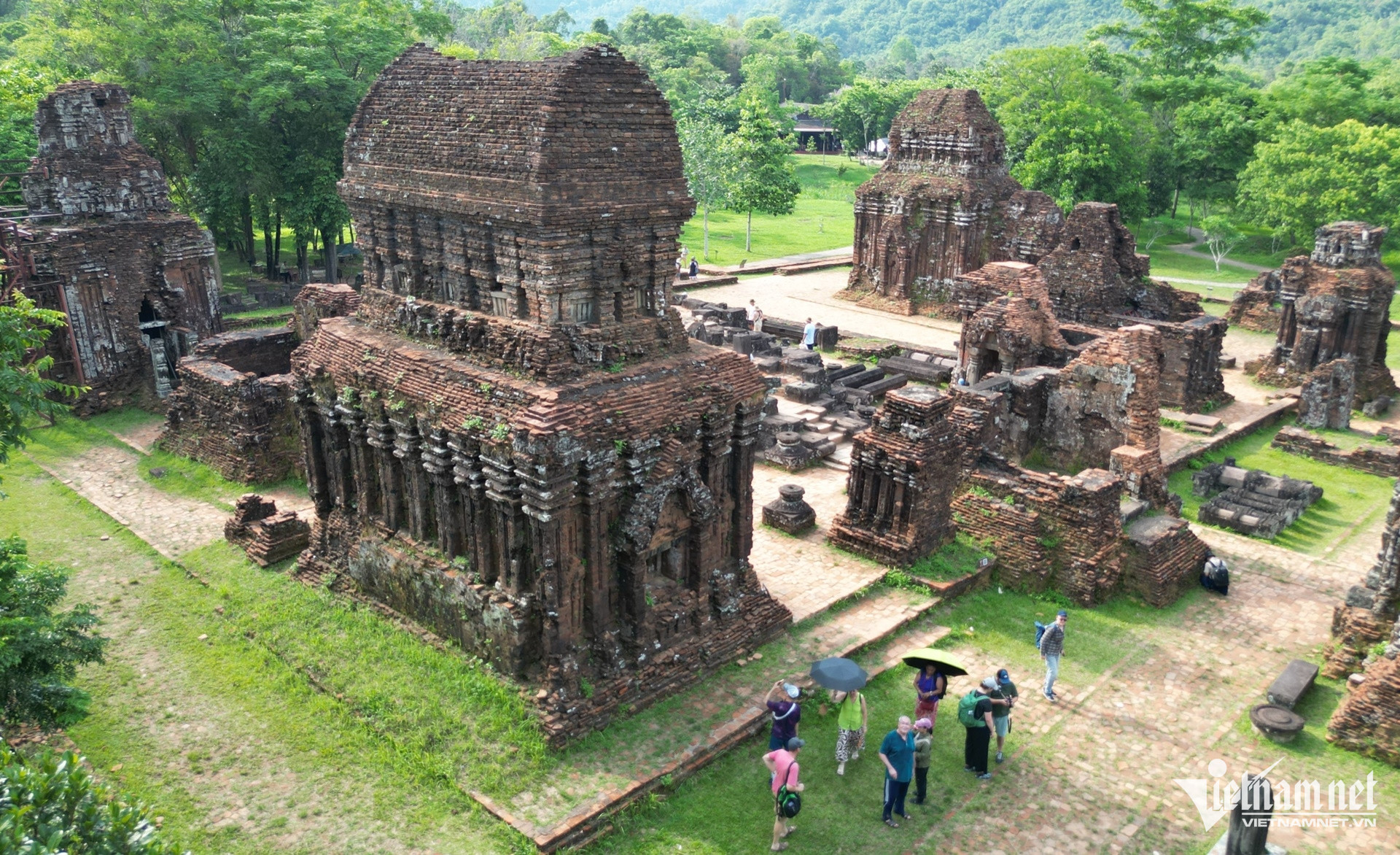
The earliest relics at My Son date back to the reign of King Bhadravarman I.
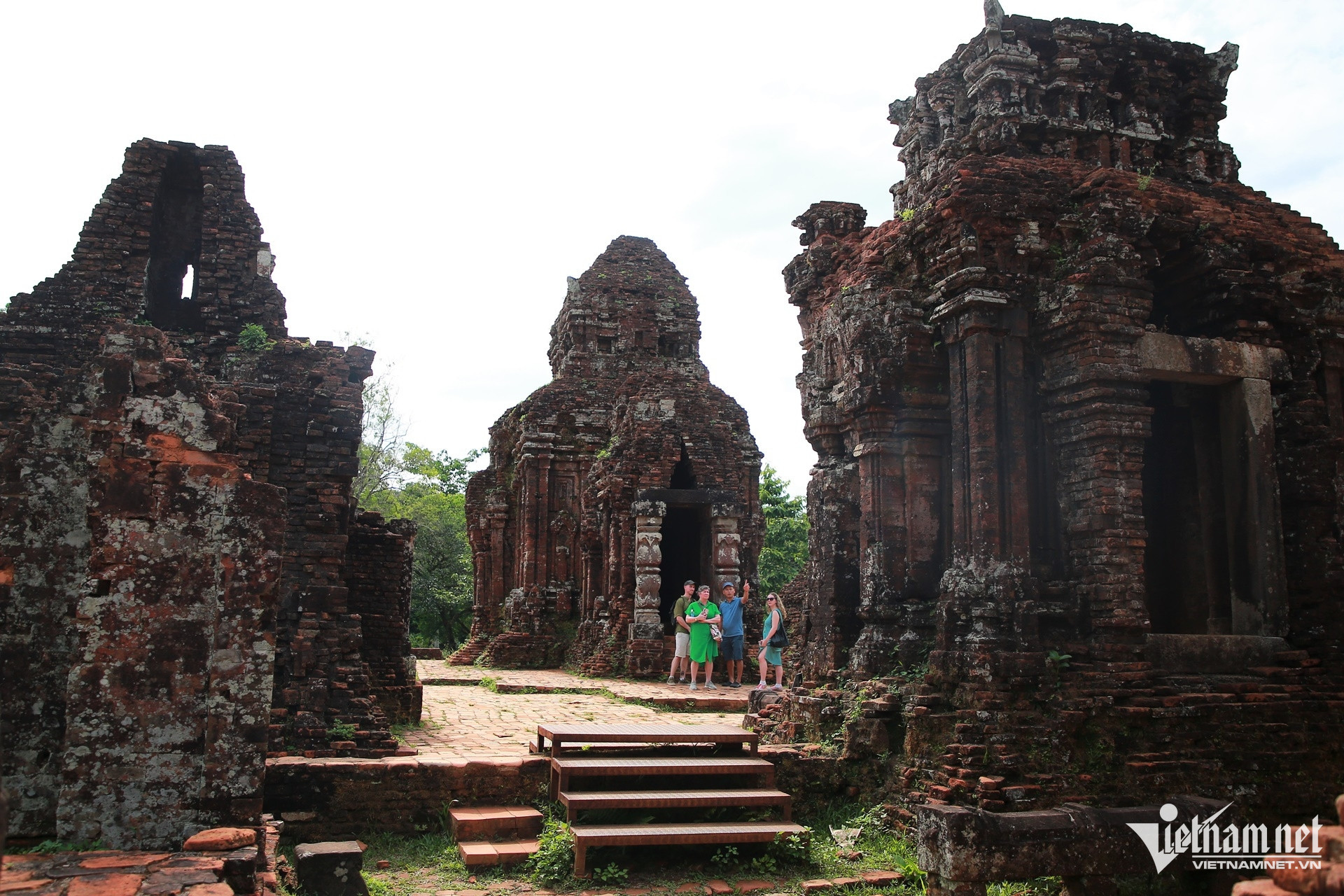
Most structures at My Son were built from fired brick combined with stone columns.
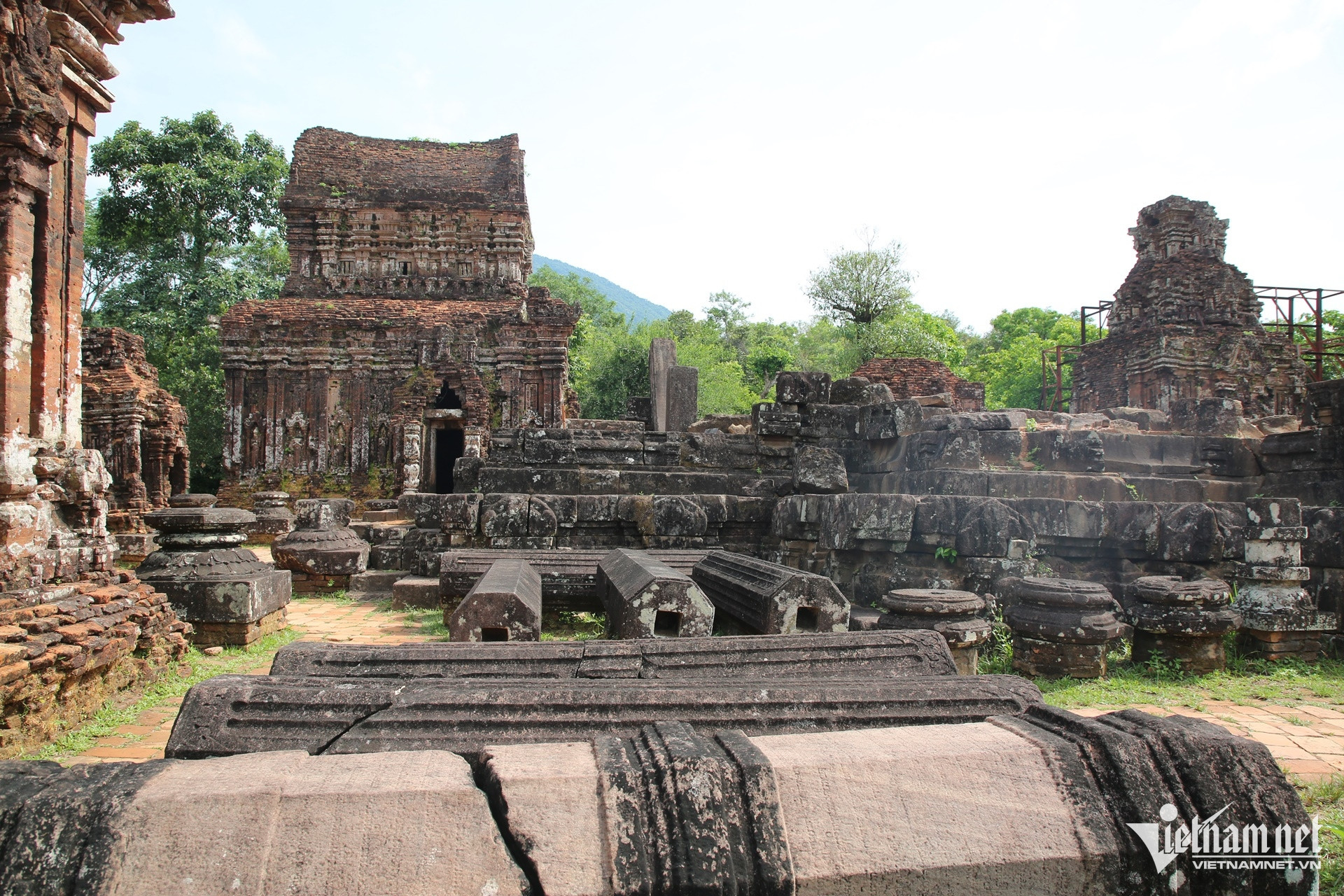
The architectural style of My Son reflects strong Indian influence.
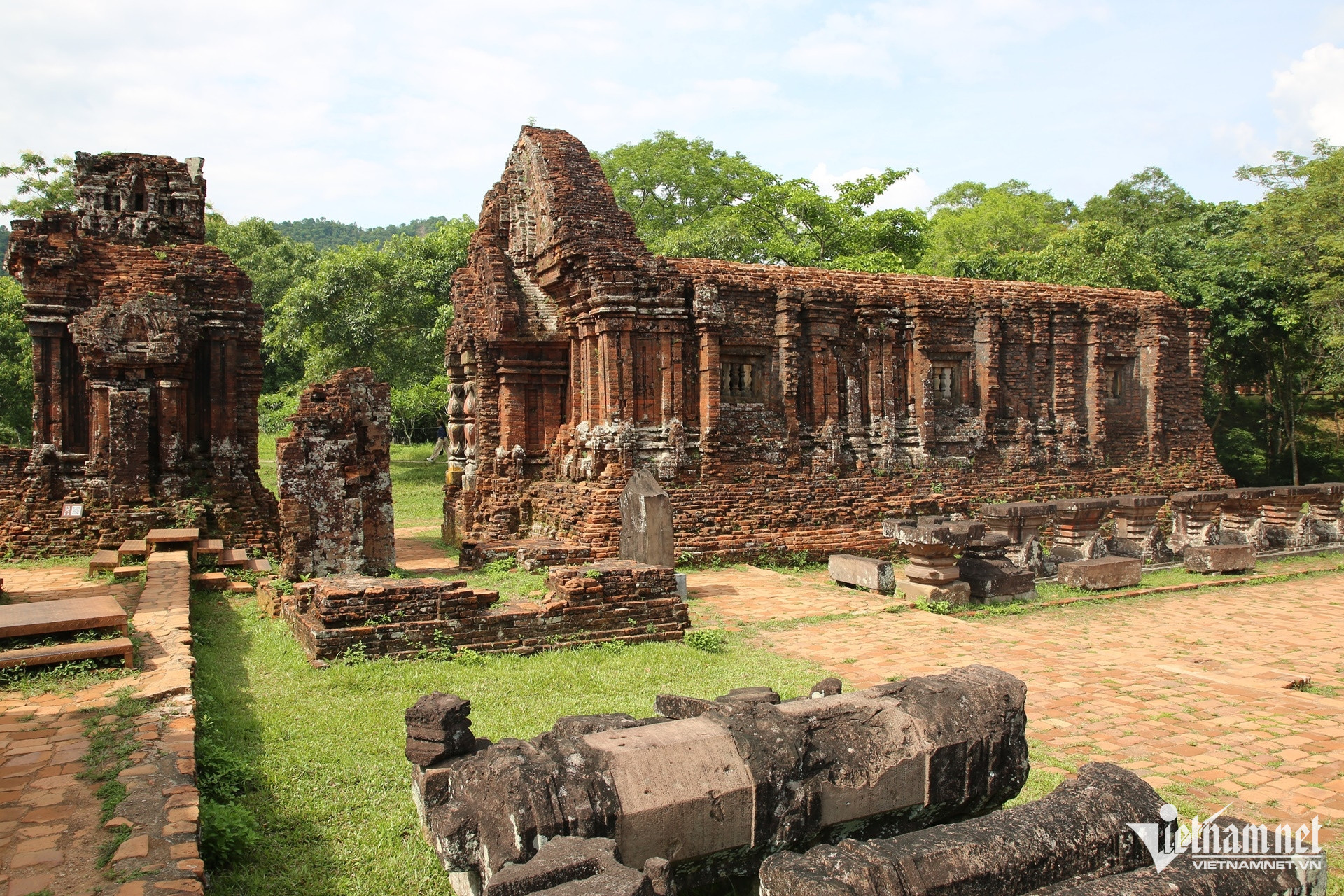
Researchers continue to study the mysterious brick construction techniques used by the Cham people.
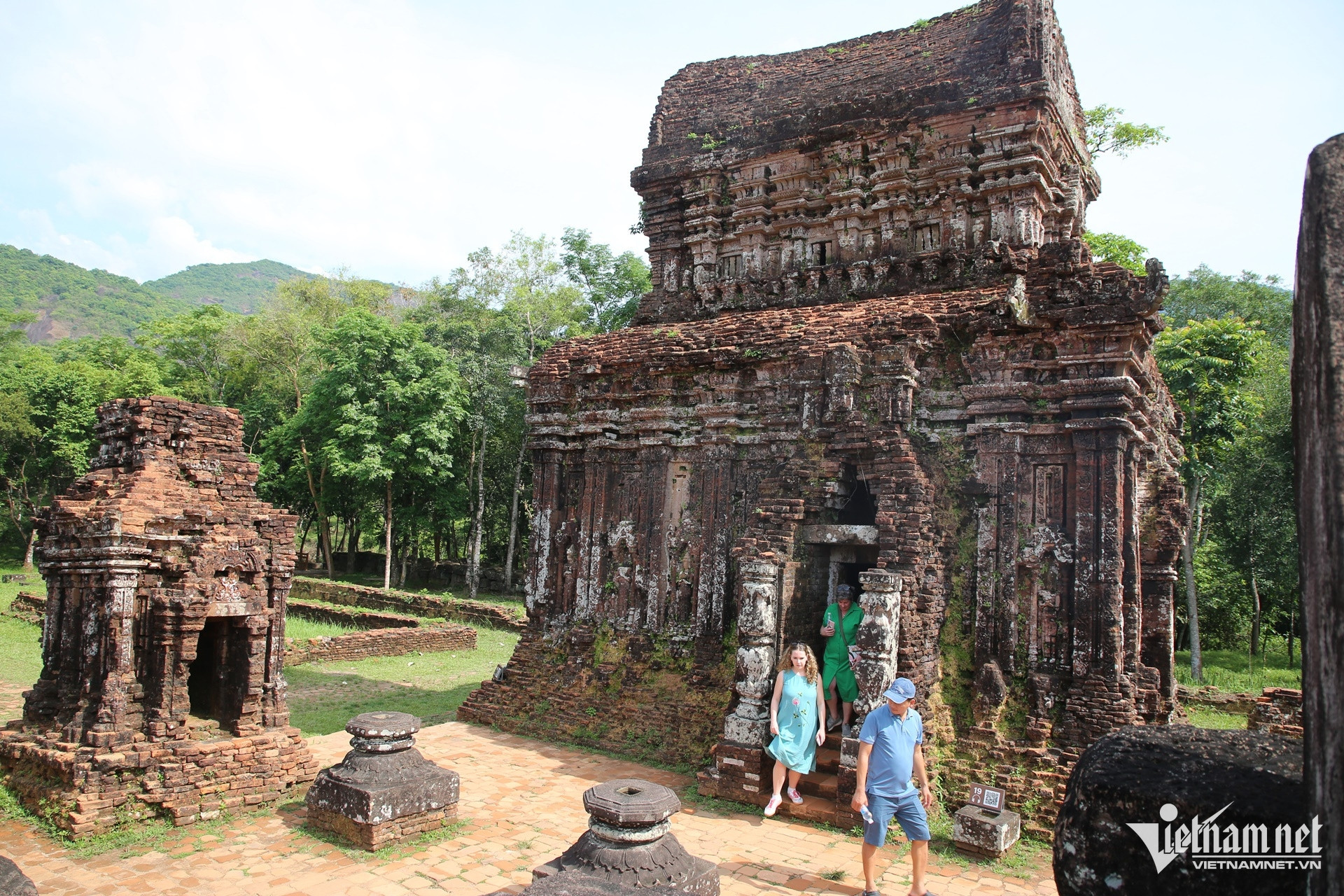
Intricate carvings depict deities, dancers, elephants and scenes from ritual life.
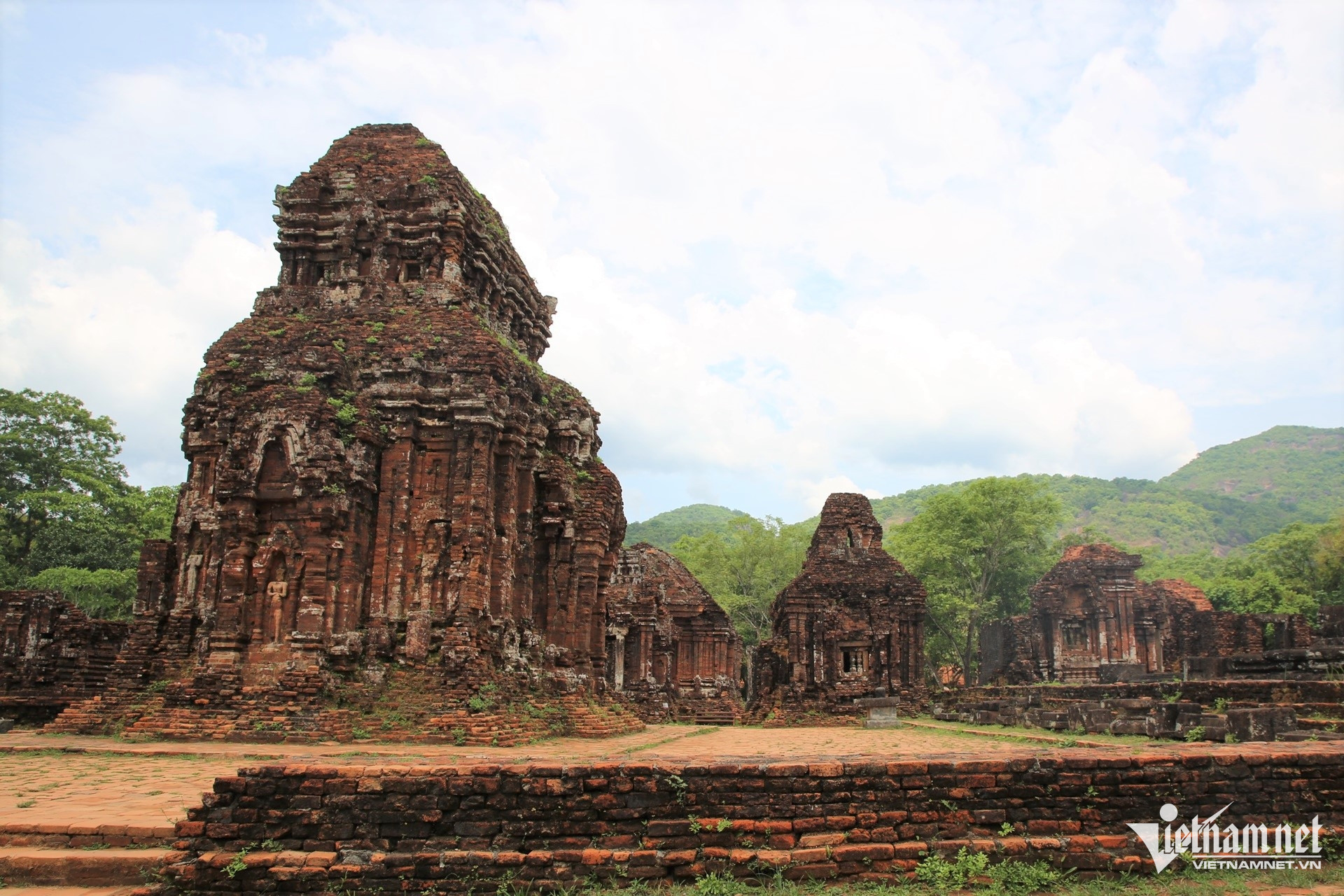
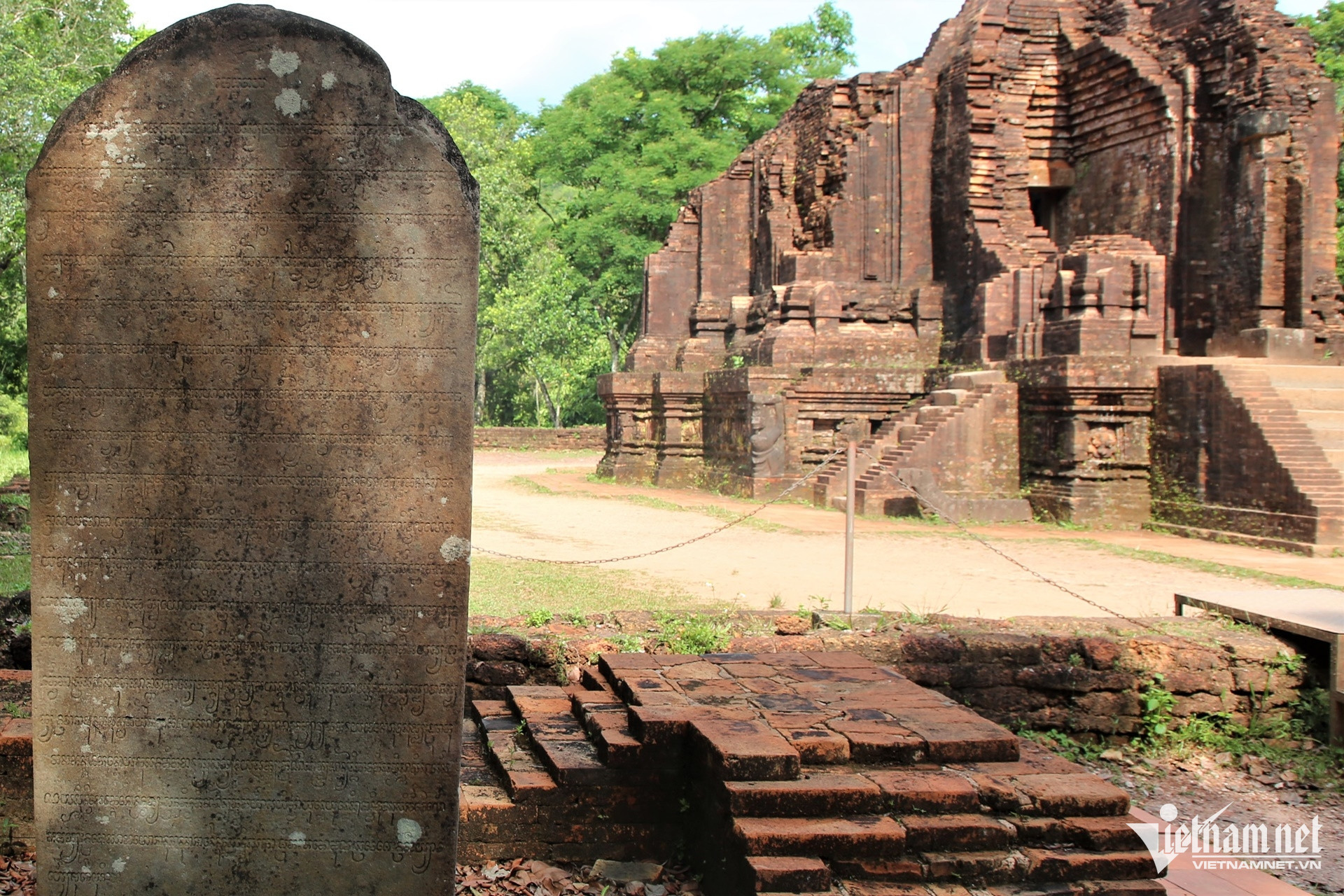
Ancient Sanskrit inscriptions remain preserved on several steles and stone columns.
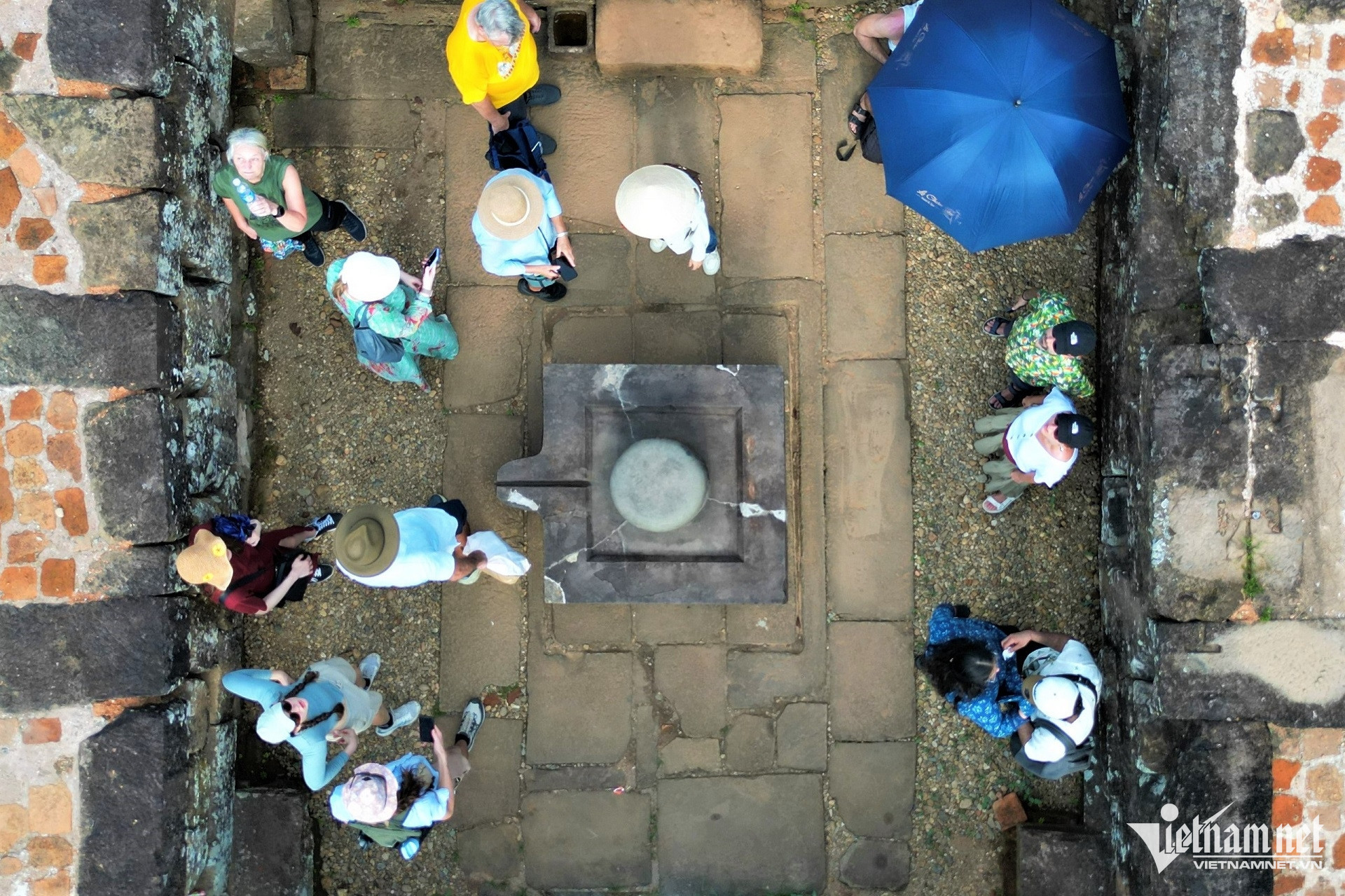
Many scholars believe most major temples at My Son were dedicated to Shiva worship.
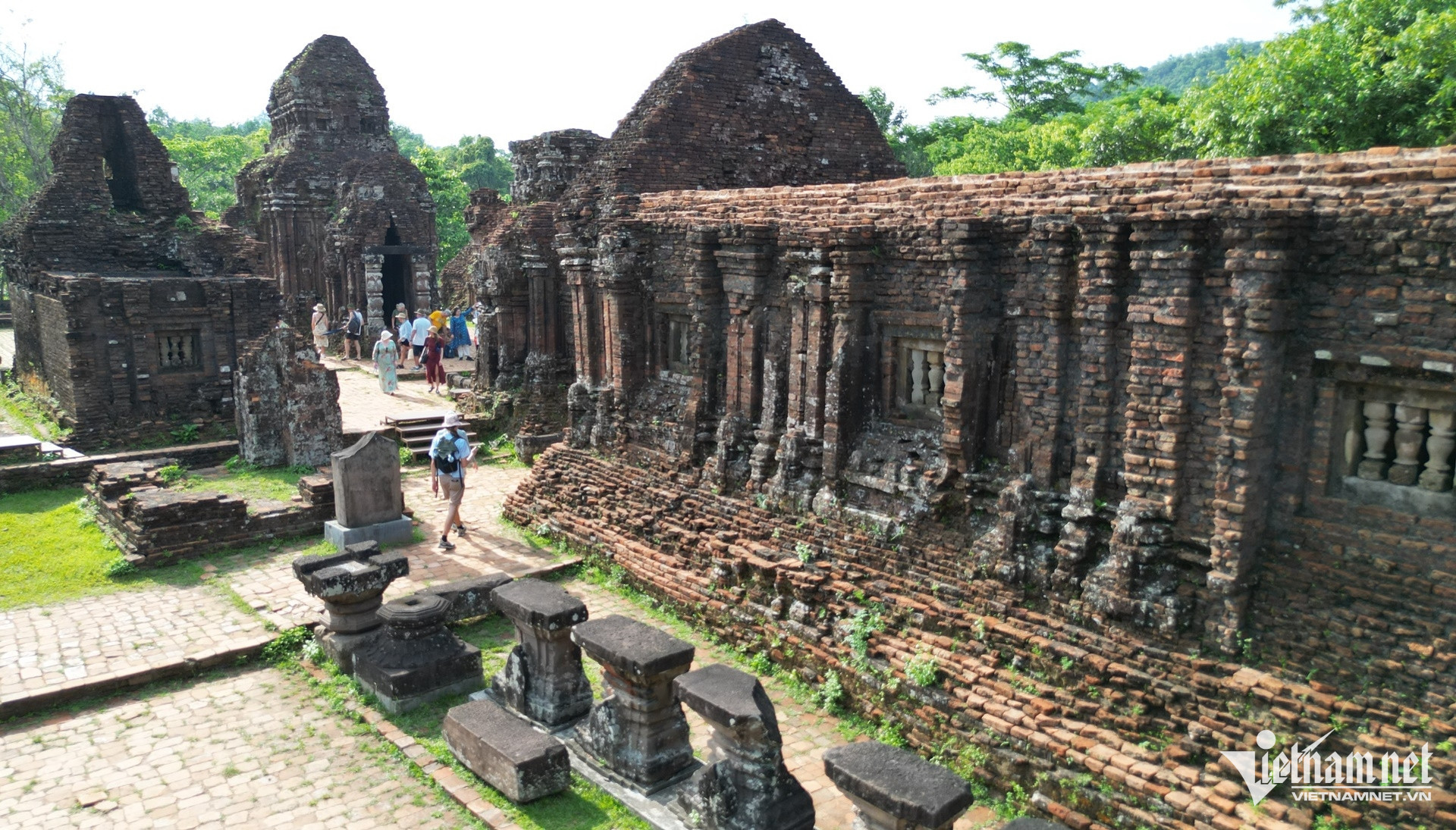
My Son was recognised as a UNESCO World Cultural Heritage Site in 1999.
Ha Nam
.svg)
