 Vietnamnet.vn

 Podcast



On the morning of July 8, the Standing Committee of Vietnam's National Assembly convened its fourth session to review a number of legislative proposals that are expected to be submitted to the first extraordinary session of the 16th National Assembly, tentatively scheduled for early August.
The committee meeting is expected to last six days and will be held in two phases. The first phase runs through the morning of July 9 and will review eight agenda items. The second phase, from July 14 to July 17, will consider 25 additional items, with an extra meeting tentatively planned for July 28 to discuss two proposals that have already received policy approval from the Party Central Committee.
Opening the session, National Assembly Chairman Tran Thanh Man said lawmakers would review several important matters in preparation for the extraordinary parliamentary sitting, while also beginning work on issues to be considered during the Assembly's second regular session later this year.
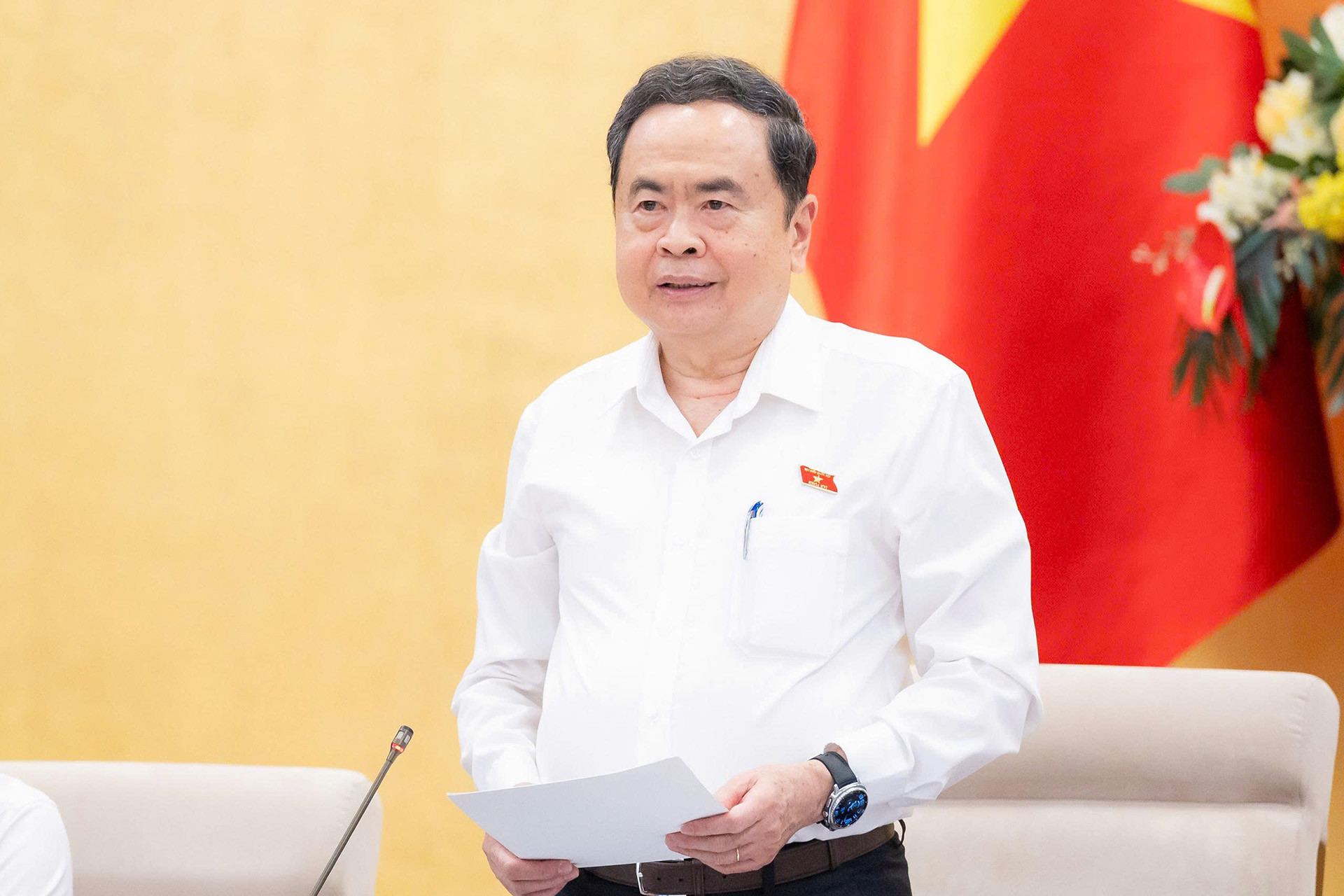
He said convening the first extraordinary session of the 16th National Assembly reflects the strong political commitment of the Communist Party, the National Assembly and the Government to promptly translate Party policies and conclusions into law, address urgent issues without delay and reduce the legislative workload for the year-end session.
Man noted that while the first session of a new National Assembly term typically focuses on personnel matters, the inaugural sitting of the 16th National Assembly instead approved nine laws and five resolutions with legal effect, demonstrating the legislature's determination to remove obstacles affecting socio-economic management, national defense and security.
According to the current agenda, the Standing Committee will review 24 draft laws and resolutions for submission to the National Assembly, approve 10 ordinances and resolutions under the 2026 legislative program, and discuss three additional matters within its authority.
Housing and real estate bills may be added
The Government has also proposed adding revised versions of the Law on Housing and the Law on Real Estate Business to the agenda for approval under expedited legislative procedures during the upcoming extraordinary session.
NA Chairman Tran Thanh Man asked the National Assembly's Secretary General, the Office of the National Assembly and relevant committees to determine whether the two draft laws meet the necessary conditions for inclusion.
He noted that neither bill has yet been scheduled for discussion by the Standing Committee. He therefore requested the Government to complete the legislative dossiers promptly so parliamentary agencies can conduct their review.
If both bills are considered alongside the revised Land Law, discussions are expected to take place on July 28.
In addition, the Standing Committee will issue written decisions on four resolutions within its authority. According to the Chairman, these resolutions involve relatively straightforward matters on which the drafting agencies, reviewing bodies and relevant institutions have already reached broad consensus.
No delays or withdrawals
Man urged all agencies to strengthen discipline throughout the legislative process and avoid delays, requests to postpone agenda items or last-minute document submissions caused by subjective reasons.
He said ministers and heads of agencies responsible for drafting legislation, as well as reviewing bodies, would be held accountable before the Government, the Prime Minister and the Standing Committee if legislative proposals fail to meet required quality or scheduling standards.
For proposals that remain subject to differing opinions, he said they should be submitted to the appropriate authorities for timely decisions rather than allowing unresolved issues to accumulate toward the end of the committee's work.
Draft laws that fail to satisfy requirements on quality or preparation should not be included in the extraordinary session's agenda but instead be further refined for submission during the National Assembly's regular year-end session.
During deliberations, Man also called for careful assessment of Vietnam's one year of operating a three-tier local government system, particularly regarding decentralization and delegation of authority.
He stressed that each policy should clearly define responsibilities, tasks and authority so local governments can implement new laws immediately after they take effect without creating legal gaps, overlapping regulations or unclear accountability.
The Chairman also noted that, as of June 30, many implementing regulations and decrees required to enforce recently adopted laws had yet to be issued. He instructed National Assembly committees to work directly with ministries and government agencies to identify the causes of those delays.
He emphasized that laws must be accompanied by implementing decrees and ministerial circulars if legislative decisions are to take effect promptly and meet the expectations of citizens and businesses.
Given the heavy legislative workload and the complexity of many issues, Man urged agencies to focus discussions on key questions requiring guidance and encouraged Standing Committee members to study the documents carefully, concentrating on major policy issues and unresolved matters to ensure high-quality submissions to the National Assembly.
He concluded that the outcome of the committee's current session will play a decisive role in determining the quality and effectiveness of the upcoming extraordinary parliamentary session.
Tran Thuong
.svg)
