 Vietnamnet.vn

 Podcast



Using deceptive advertising, fake medical credentials and counterfeit products, the suspects are accused of exploiting vulnerable patients seeking treatment for chronic illnesses.
On June 23, investigators in Tuyen Quang Province issued an urgent notice asking potential victims to come forward in a criminal case involving counterfeit products sold under the brands "Dong y gia truyen Cu Tong" and "Cu Tong Stomach Medicine."
The investigation found that between September 2024 and October 2025, three suspects identified as D.V.T., C.T.H. and N.T.K.N. purchased untested herbal materials from unidentified sources before repackaging them for sale.
The group designed its own labels claiming the products could permanently cure stomach, colon and other digestive diseases. Investigators also allege they illegally used another person's medical practice licence to gain customers' trust.
Earlier, in February 2026, police in Thanh Hoa Province dismantled another alleged fraud ring operating under the name "Hoang Minh Duong Traditional Medicine Clinic," led by Hoang Van Toan and Le Dinh Tien.
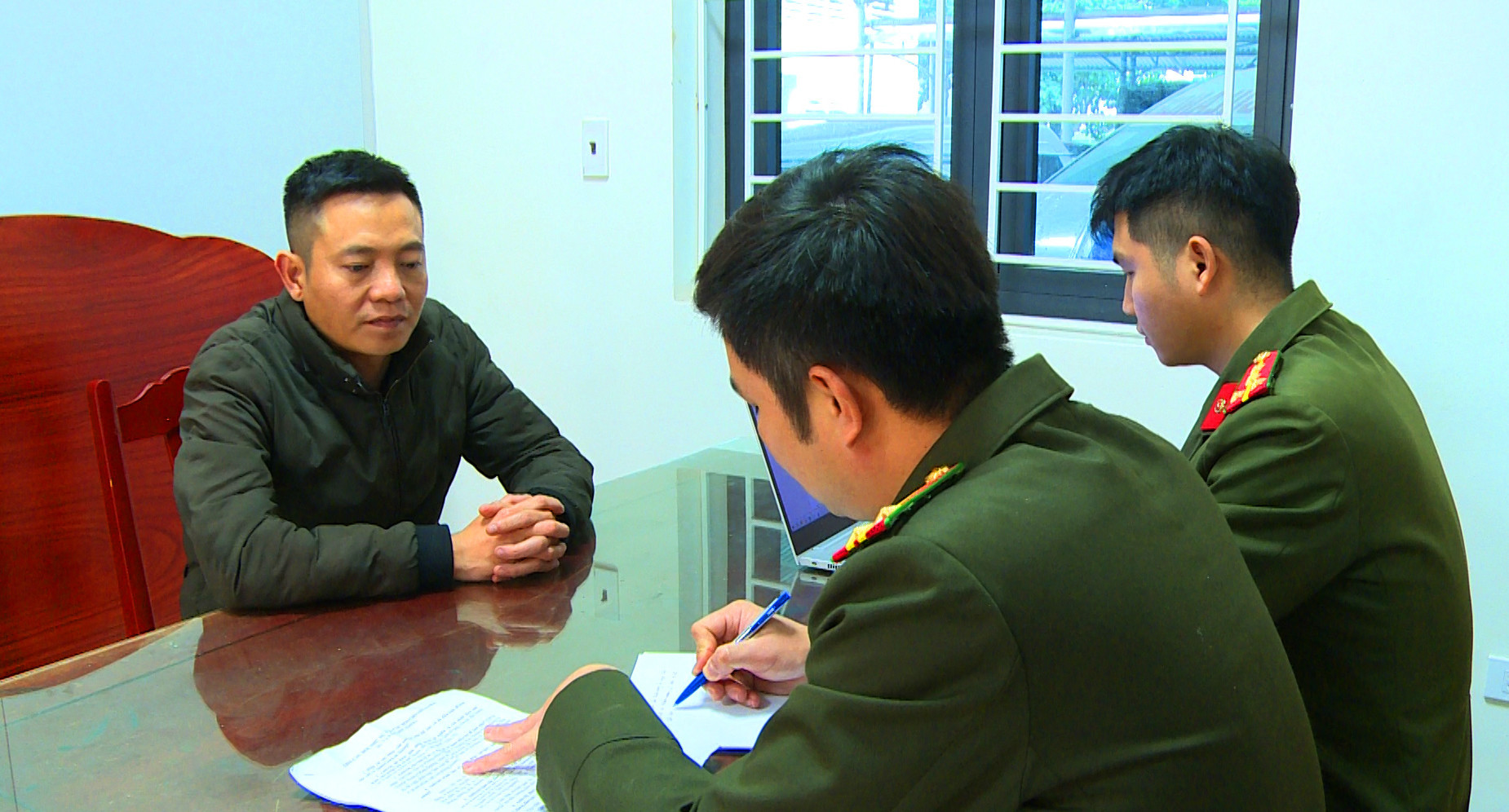
According to investigators, although the suspects had only studied traditional medicine through online courses, they purchased discarded plant stems, leaves and other herbal waste, chopped and ground the materials themselves, then marketed them as a three-generation family remedy for joint diseases.
The group established a company, spent billions of Vietnamese dong on social media advertising, manipulated footage from reputable television broadcasters and employed sales staff posing as doctors and medical professionals.
When customers developed itching, blistering or other adverse reactions, the suspects allegedly supplied conventional medicines so patients could treat the side effects themselves.
Investigators said the scheme sold nearly 87,000 orders between 2023 and 2025, generating more than 227 billion VND (USD 8.7 million) in illegal profits. Authorities said many victims suffered swelling and tissue necrosis.
Investigators have also uncovered cases in which counterfeit traditional medicines were mixed with pharmaceutical ingredients to create the illusion of immediate effectiveness.
In January 2026, Ho Chi Minh City police arrested Nguyen Duy Hien, his wife Ngo My Hoanh and Vo Van Nghe.
According to investigators, the couple manufactured traditional medicines without a licence and printed packaging falsely claiming the products were made in countries including Singapore and China.
Authorities said the products contained betamethasone, a prescription anti-inflammatory corticosteroid.
Investigators warned that secretly adding the drug could mislead patients into believing the products were effective while exposing them to serious risks involving the liver, kidneys, cardiovascular system and immune system.
Police seized more than 13,000 counterfeit products during the investigation.
In a separate case on April 15, Ho Chi Minh City police also charged Thai Chanh Kien, Ma Du Thai and Van Tat Khang.
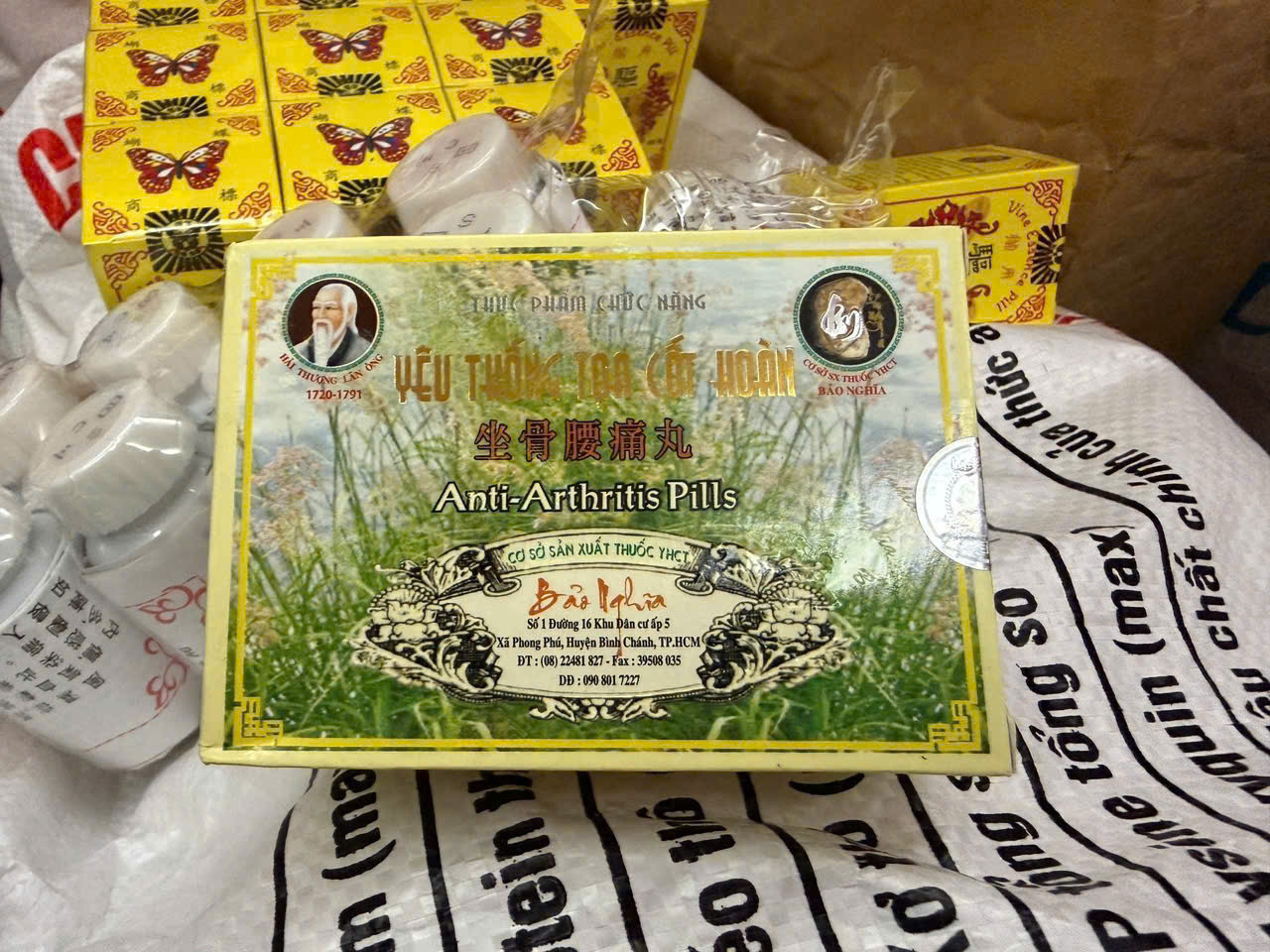
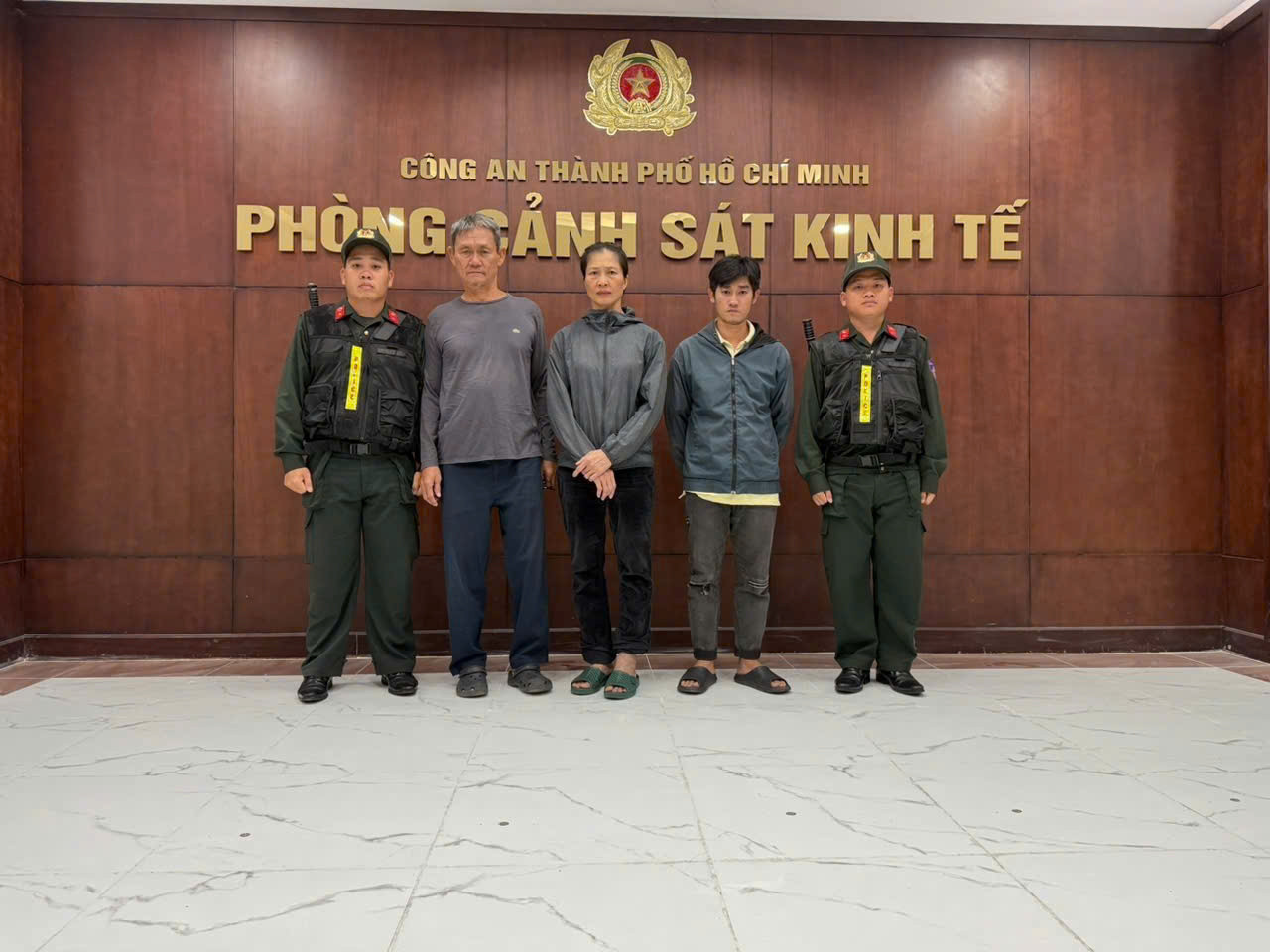
Investigators said that since late 2024, Kien had purchased tablets and capsules from unknown sources or mixed herbal ingredients with paracetamol before selling the products as traditional medicines.
The group also labelled the products as imported from Malaysia. Authorities seized more than 4,000 finished medicine boxes and about 790 kilograms of tablets and pharmaceutical materials.
Speaking to VietNamNet, lawyer Nguyen Thanh Hai, director of An Hoang Gia Law Firm and a member of the Hanoi Bar Association, said medicines are unique products because they directly affect human life and health.
He described the practice of mixing pharmaceutical ingredients with discarded herbal materials as not only commercial fraud but also an "inhumane" crime that harms public health and destroys public trust.
Hai said the key offence in these cases is the manufacture and sale of counterfeit medicines, one of Vietnam's most serious criminal offences because it directly threatens public health and lives.
Depending on the nature of the offence and its consequences, offenders could face penalties of up to life imprisonment.
He added that if investigators determine the suspects also impersonated doctors, fabricated medical records or used other deceptive tactics to obtain money from patients, they could face additional charges of fraud.
"Counterfeit medicines prey on the fears and hopes of sick people," Hai said. "Hidden pharmaceutical ingredients may create the illusion of quick results, but they can lead to liver failure, kidney failure and endocrine disorders. Even more dangerously, they rob patients of the critical window for effective treatment."
Victims are entitled to seek compensation during criminal proceedings, either as injured parties or civil plaintiffs, he said.
Compensation may include medical expenses, lost or reduced income and damages for emotional distress.
However, Hai urged victims to preserve evidence as early as possible.
Patients should stop using the products immediately, seek treatment at reputable medical facilities and retain all medical records and test results documenting any health problems.
They should also keep the remaining medicine, packaging and containers rather than throwing them away.
Receipts, bank transfer records, consultation messages and advertising videos or images should also be preserved before reporting the case to police.
"Every medicine package that is kept may become crucial evidence in a criminal case and the key to protecting victims' rights while preventing others from falling into the same trap," Hai said.
Duc Phong
.svg)
