 Vietnamnet.vn

 Podcast



Finals do not tell the whole story
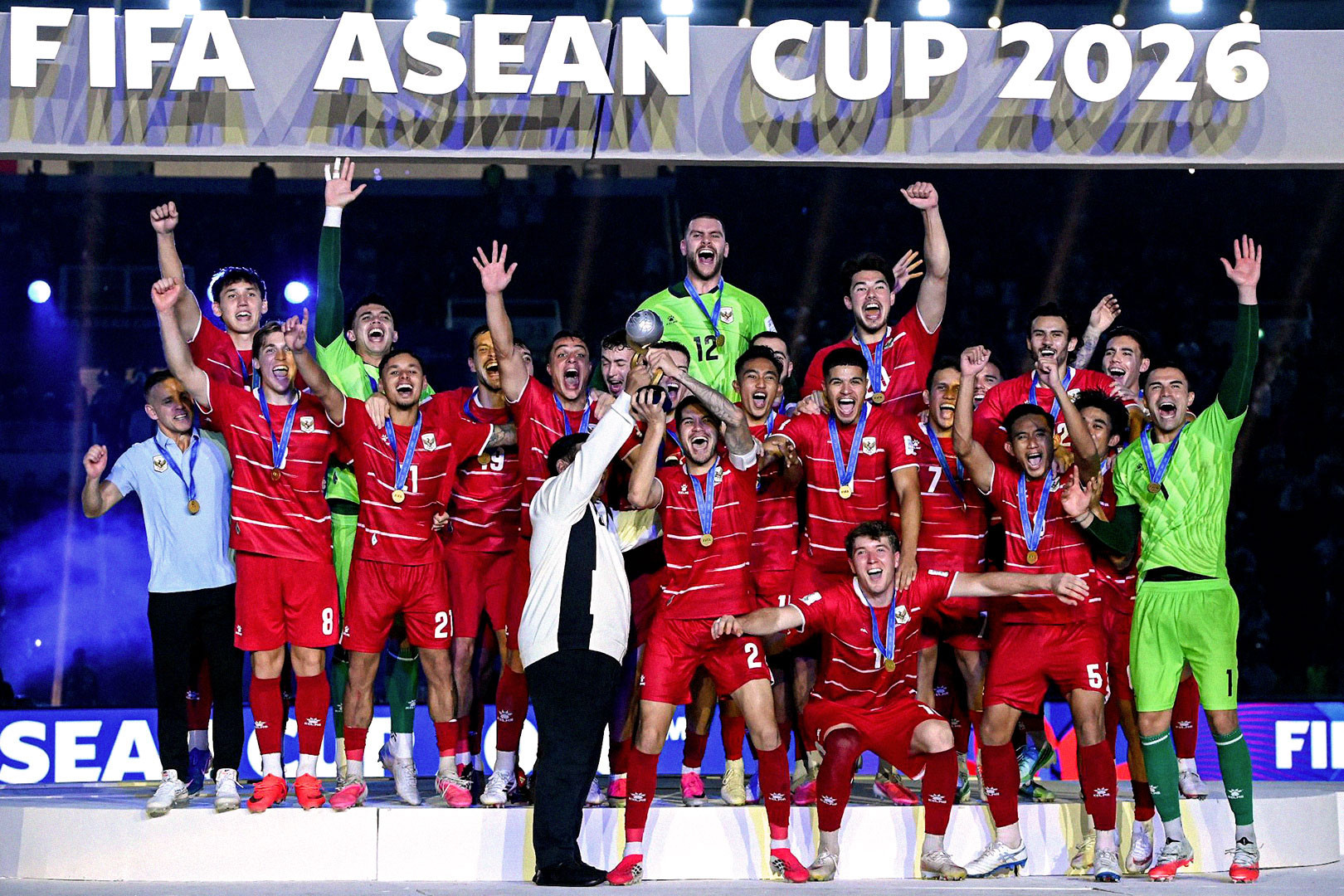
Indonesia won the FIFA ASEAN Cup 2026 in front of more than 70,000 spectators in Jakarta, while the Challenge Cup final in Hong Kong, China, attracted a crowd of more than 30,000.
FIFA had two nights of celebration to showcase its new tournament, with entertainment and trophy presentation ceremonies adding to the spectacle.
However, the two finals were not representative of the tournament as a whole. Both Indonesia and Hong Kong, China, contested their respective titles on home soil. For Indonesia's Garuda, a long wait for silverware helped turn the final into a particularly significant occasion.
Elsewhere, the picture was markedly different.
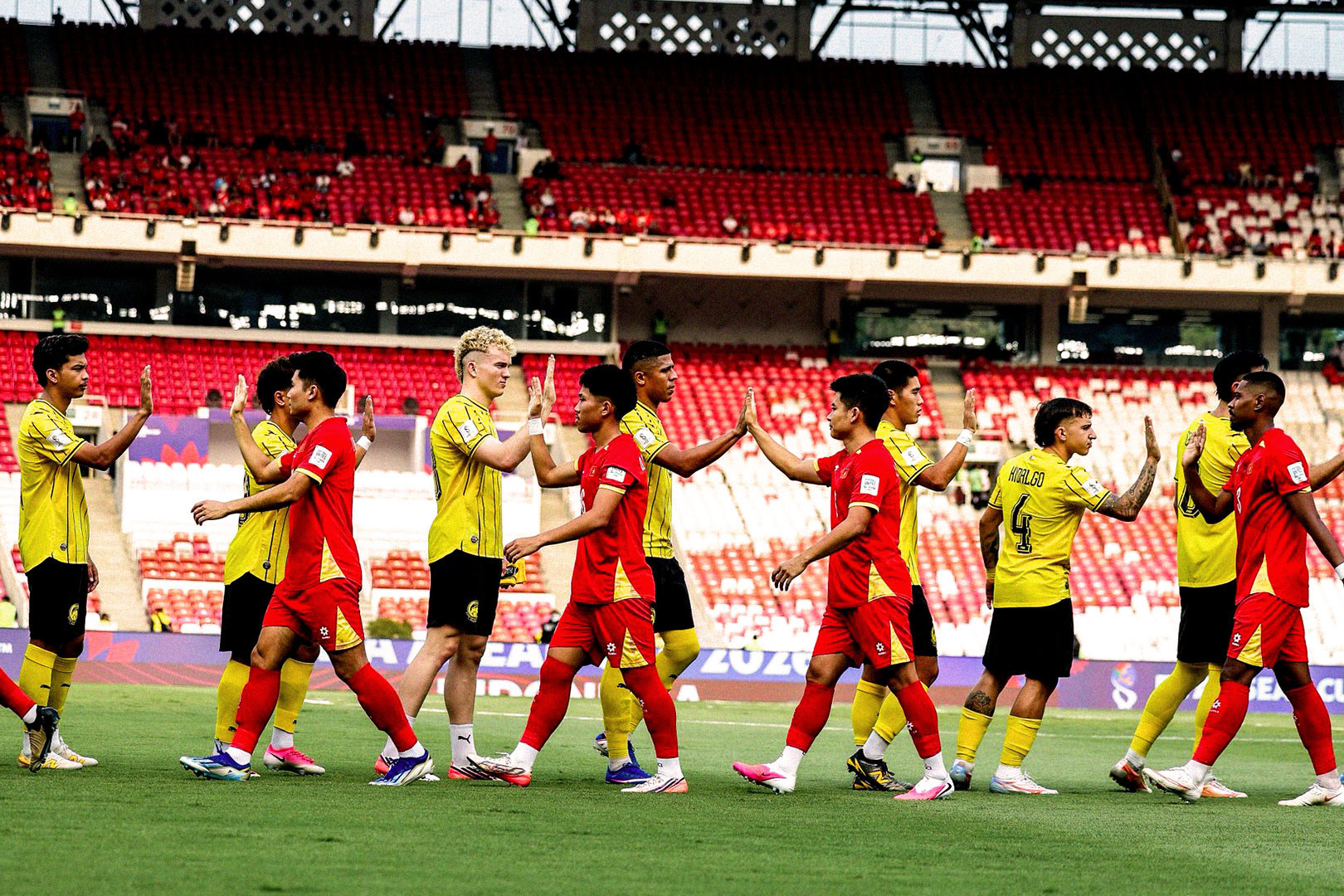
Even the rematch between Thailand and Vietnam, who had recently faced each other for the ASEAN Cup title, was played in front of large sections of empty seats. The areas behind the goals were almost entirely vacant, while significant gaps were visible in the stands along the sidelines.
Caution was also evident in the broadcast rights market.
FPT Play, TV360 and MyTV reached agreements only hours before Vietnam's opening match on September 26, by which time the tournament had already begun. This suggests that the FIFA name alone was not enough to persuade broadcasters to commit early at the asking price.
No domestic broadcaster in Thailand purchased the rights. Fans were only able to watch for free through DAZN, FIFA's partner, from the final group-stage match and the final onward.
The situation highlighted a gap between the asking price for the rights and the tournament's commercial potential.
In Group B of the Challenge tier, hosts Cambodia, Myanmar and Timor-Leste also did not purchase broadcast rights. The remaining team was Brunei.
By contrast, every participating country had broadcast coverage for the ASEAN Cup 2026.
There is not yet enough financial data to conclude that the FIFA ASEAN Cup was a commercial failure. But the large crowds at the two finals cannot by themselves be taken as evidence of sustainable success either.
A four-year gap and pressure from the Nations League
The long interval between editions presents another challenge.
The FIFA ASEAN Cup is expected to be held every four years, with the next tournament scheduled for 2030. However, its future has yet to be firmly secured through a published competition calendar and clear organizational commitments.
A four-year cycle can make a title feel more prestigious because of its rarity, but it also makes it difficult for a new tournament to build regular viewing habits.
By the time the competition returns, FIFA may have to persuade fans, broadcasters and sponsors almost from scratch.
Asian football could also change considerably in the meantime.
The Asian Football Confederation has announced plans to develop a Nations League. Recent reports have discussed a possible trial in 2028-2029 followed by implementation from 2030, potentially linked to Asian Cup and World Cup qualifying.
The details remain proposals rather than final competition regulations.
If staged during FIFA international windows, a Nations League would compete directly for national teams' limited calendar space.
Home matches would bring international football closer to local supporters while creating opportunities for individual countries to generate ticketing and commercial revenue.
Facing opponents from outside Southeast Asia, competing for promotion or moving closer to a World Cup playoff could also provide stronger incentives than repeatedly meeting familiar regional rivals.
The appeal of a trophy remains
Even so, a Nations League may not satisfy the desire for silverware among most Southeast Asian football nations.
Winning a continental title remains a distant prospect for many teams, whereas a regional trophy represents a realistic target capable of generating excitement among players and supporters.
That remains an important advantage for the FIFA ASEAN Cup.
Indonesia demonstrated the emotions a championship can generate, having waited 35 years for such a title after losing six ASEAN Cup/AFF Cup finals.
A competition in which teams can realistically challenge opponents at a similar level still has value, even if a Nations League offers stronger opposition and a pathway toward bigger competitions.
The problem is that the AFF's ASEAN Cup already serves the region's demand for a trophy.
FIFA therefore needs to demonstrate that its new tournament creates enough additional value to justify the time, money and attention it requires.
That makes the question of whether the inaugural FIFA ASEAN Cup could also be the last a legitimate one.
Its future, however, will depend on more than the emergence of a Nations League. It will hinge on whether FIFA can turn the excitement of the finals into sustained interest throughout the tournament and transform the concept into a credible long-term commitment.
Ngoc Huy
.svg)
