 Vietnamnet.vn

 Podcast



A proposal to combine the Hung Kings Commemoration Day with the April 30 - May 1 holiday into a longer break has not received widespread support. However, an option of a four to five-day holiday is being viewed as a reasonable compromise, balancing the need for rest with production demands.
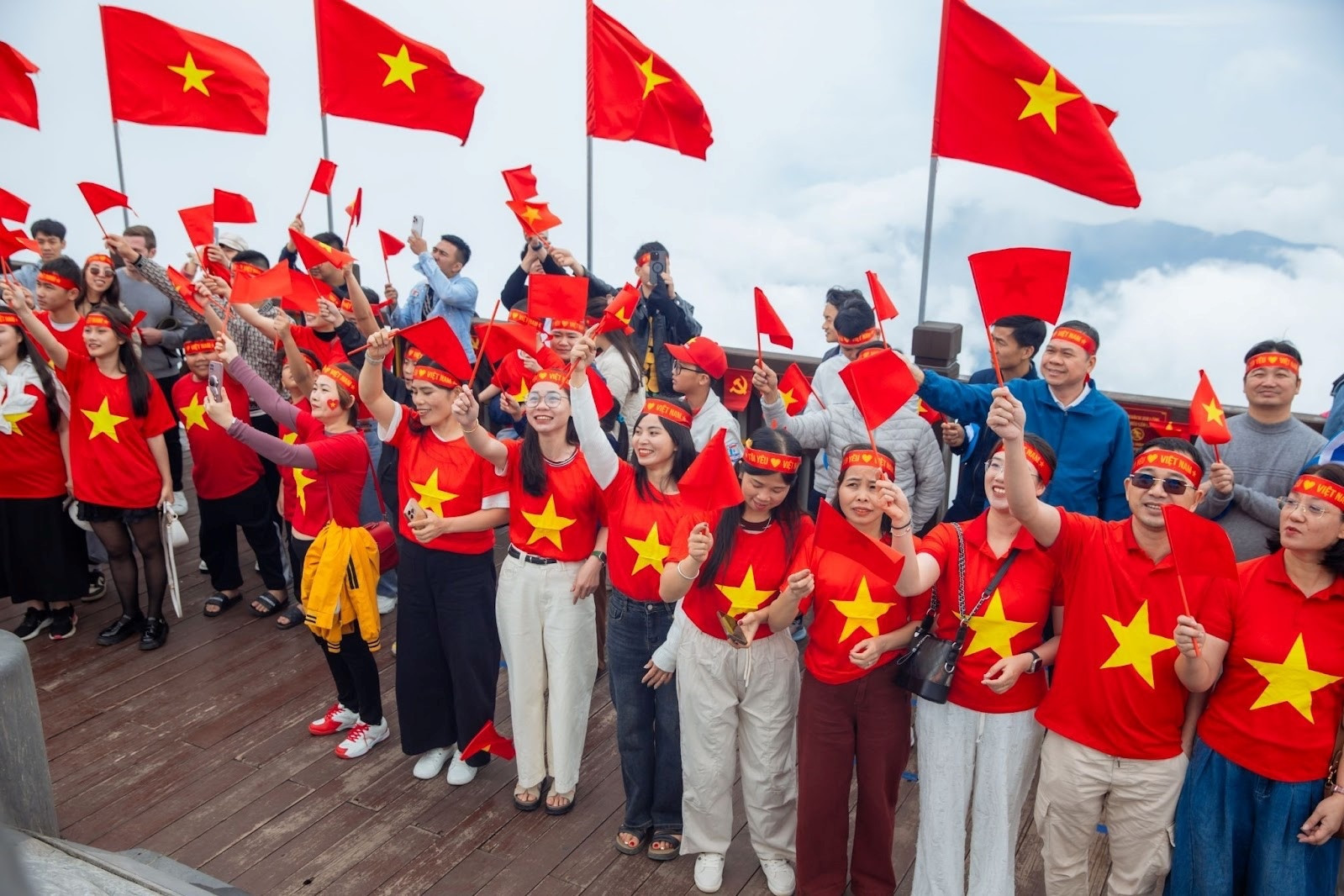
The Vietnam General Confederation of Labor is urgently collecting feedback from workers nationwide on adjusting the holiday schedule for Hung Kings Commemoration Day and the April 30 - May 1 holiday. The aim is to ensure workers’ right to rest while avoiding disruptions to business and production activities.
Speaking with VietNamNet, Ho Thi Kim Ngan, Deputy Head of the Department of Labor Relations under the Vietnam General Confederation of Labor, said the consultation is being conducted over a short period, from April 7 to the end of April 8, in order to consolidate opinions and report to the competent authorities.
This year, Hung Kings Commemoration Day falls on a Sunday. Under current regulations, workers would receive a compensatory day off on the following working day, April 27. However, this arrangement fragments the holiday period, particularly for those working six days a week - taking one day off, returning to work briefly, and then entering the April 30 - May 1 holiday.
Such interruptions make it difficult for workers to plan rest, travel or return to their hometowns, while also forcing businesses to repeatedly adjust production schedules.
From this situation, some businesses and workers have proposed moving the compensatory day off from April 27 to either April 29 or May 2. If applied, employees working five days a week could enjoy a continuous four to five-day break, while those working six days a week could have a more seamless three-day holiday.
Regarding suggestions of extending the holiday to as long as nine days, Ho Thi Kim Ngan said this option has received very little support. According to the Vietnam General Confederation of Labor, this is not the Lunar New Year holiday, while current production and business activities require continuity to meet economic growth targets.
“Most opinions agree that a holiday of around four to five days is appropriate, ensuring sufficient rest time for workers while avoiding major disruptions to business operations,” Ngan said.
The confederation added that after completing the consultation process, it will compile feedback, select the option with the highest level of consensus, and coordinate with the Ministry of Home Affairs to ensure compliance with legal regulations. Based on this, a suitable proposal will be submitted to the Government for consideration and decision.
The consultation is expected to help identify a holiday plan that harmonizes the interests of both workers and employers, in line with current economic conditions.
A five-day break seen as reasonable
Sharing the view that a nine-day holiday should not be adopted, economist Nguyen Thuong Lang, a lecturer at the National Economics University, said that extending the break too long could have negative effects, disrupting production momentum and slowing the return to work after the holiday.
According to him, excessively long breaks can create a sense of inertia, causing workers to lose rhythm and making it harder to resume work efficiently, thereby affecting overall productivity.
In contrast, a five-day holiday is considered more appropriate - long enough for workers to recover, yet short enough to avoid interrupting production and business chains.
From a business perspective, he noted that a five-day break still allows flexibility in operations, as many companies can arrange make-up workdays or adjust schedules accordingly. Notably, advances in technology and the rise of remote work are helping reduce disruption, particularly for indirect roles.
“The labor market today is different from the past, no longer entirely dependent on rigid office hours. Flexible working models, combining in-person and remote work, allow for more adaptable holiday scheduling without significantly affecting total working time over the year,” Lang said.
Vu Diep
.svg)
