 Vietnamnet.vn

 Podcast



As historic floods once again ravage Central Vietnam, the issue of delayed water release from hydropower dams returns to the spotlight. Around the world, countries have tackled this challenge not only through policy but also through finance and technology - tools Vietnam must now adopt if it wants to stop gambling with human lives.
Imagine a control room in a hydropower plant. Rain pours down outside, and the water level inside the reservoir inches higher. On the console lies a vague directive from the disaster response command: "Release water between 0 and 5,000 m³/s."
This is where dangerous hesitation creeps in.
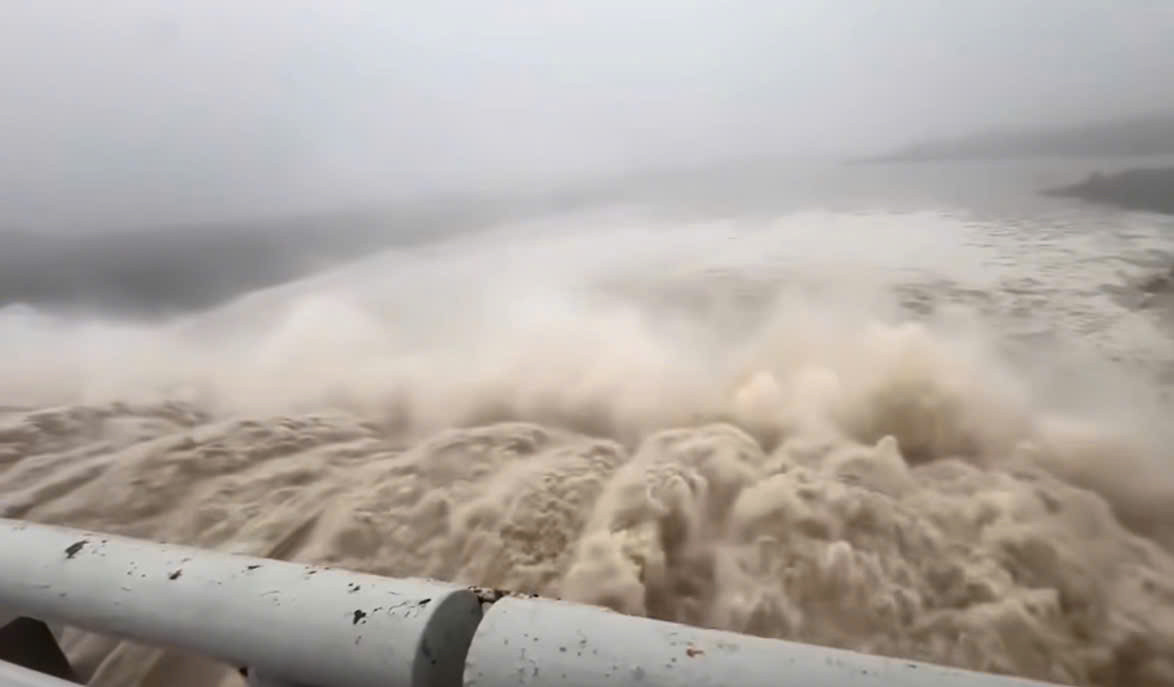
To the plant operator, each cubic meter of water in the reservoir represents profit. Releasing it through the spillway instead of the turbine means losing potential revenue forever. If they release too early and the rain stops, the plant risks running dry during the dry season, and turbine wear increases due to operating under low pressure.
So, many operators "wait it out," releasing just 200–300 m³/s in the morning, hoping the storm will subside. But when nature doesn’t cooperate, and inflow surges by the afternoon, the fear shifts from financial loss to dam failure. In a panic, gates are fully opened. Water release jumps from hundreds to thousands of cubic meters per second in moments. Instead of easing downstream pressure, it creates a hydraulic shock - an artificial flood riding on top of the natural one.
Villagers downstream often have only hours - or less - to flee after receiving a rushed SMS alert. It’s a deadly game of chance.
The missing link: Paying to save lives
Professor Nguyen Quoc Dung, Vice President of the Vietnam National Committee on Large Dams and Water Resources Development, calls this “hesitant discharge.” But blaming only the dam operators’ ethics misses the point. Vietnam lacks both the financial mechanisms that allow safe early discharge and the strict regulations that compel it.
In Brazil, where 65% of electricity comes from hydropower, they faced this dilemma head-on. Instead of administrative orders, they built a financial model: the Energy Reallocation Mechanism (MRE). Think of it as a national co-op for all hydropower plants. Each plant contributes to and receives revenue from a central “energy pool,” based on its physical capacity - not on how much it actually generates.
This changes everything.
When Brazil’s National Electric System Operator (ONS) predicts heavy flooding and orders Plant A to discharge water without producing power, the plant complies. Why? Because its income is guaranteed by the MRE. Even while releasing water for flood prevention, it earns the same as other plants holding water and generating power.
Brazil’s Law No. 14.052/2020 goes even further. It guarantees compensation - such as extended concessions - for plants forced to cease generation due to water safety concerns.
Vietnam can learn a clear lesson here: decouple water from money. A pilot hydropower insurance fund or a national energy-offset mechanism could be rolled out for major river basins like Vu Gia–Thu Bon or Da River. With financial security, orders to release water would no longer meet resistance.
Clarity and command: The Russian and Chinese model
If Brazil offers the "carrot," Russia and China use the "stick" - enforced through centralized authority and strict administrative discipline.
In Russia, reservoir management along the Volga or Kama is never left to individual dam owners. The Federal Water Resources Agency (Rosvodresursy) acts as the conductor of the entire hydrological orchestra. Their operation orders are ruthlessly specific. Rather than vague ranges like "0–5,000 m³/s," they might issue commands like: “Maintain average daily outflow at 5,500 ± 200 m³/s.”
The tiny ±200 m³/s tolerance leaves no room for creative interpretation. If forecasting errors occur, the government - not the company - takes the blame. This shields operators from guesswork pressure.
In China, the Yangtze River Water Resources Commission (CWRC) holds absolute authority during flood season. The Three Gorges Dam must lower its reservoir to 145m - 30m below its normal level - to create a 22-billion-m³ buffer. Any unauthorized rise above that mark is treated as a criminal offense, even if done for energy optimization.
Vietnam must take note: regulations must move from flexible “guidelines” to precise “targets.” Flexibility, if any, must reside with state agencies - not dam owners driven by profit.
Forecasting floods, Japanese-style
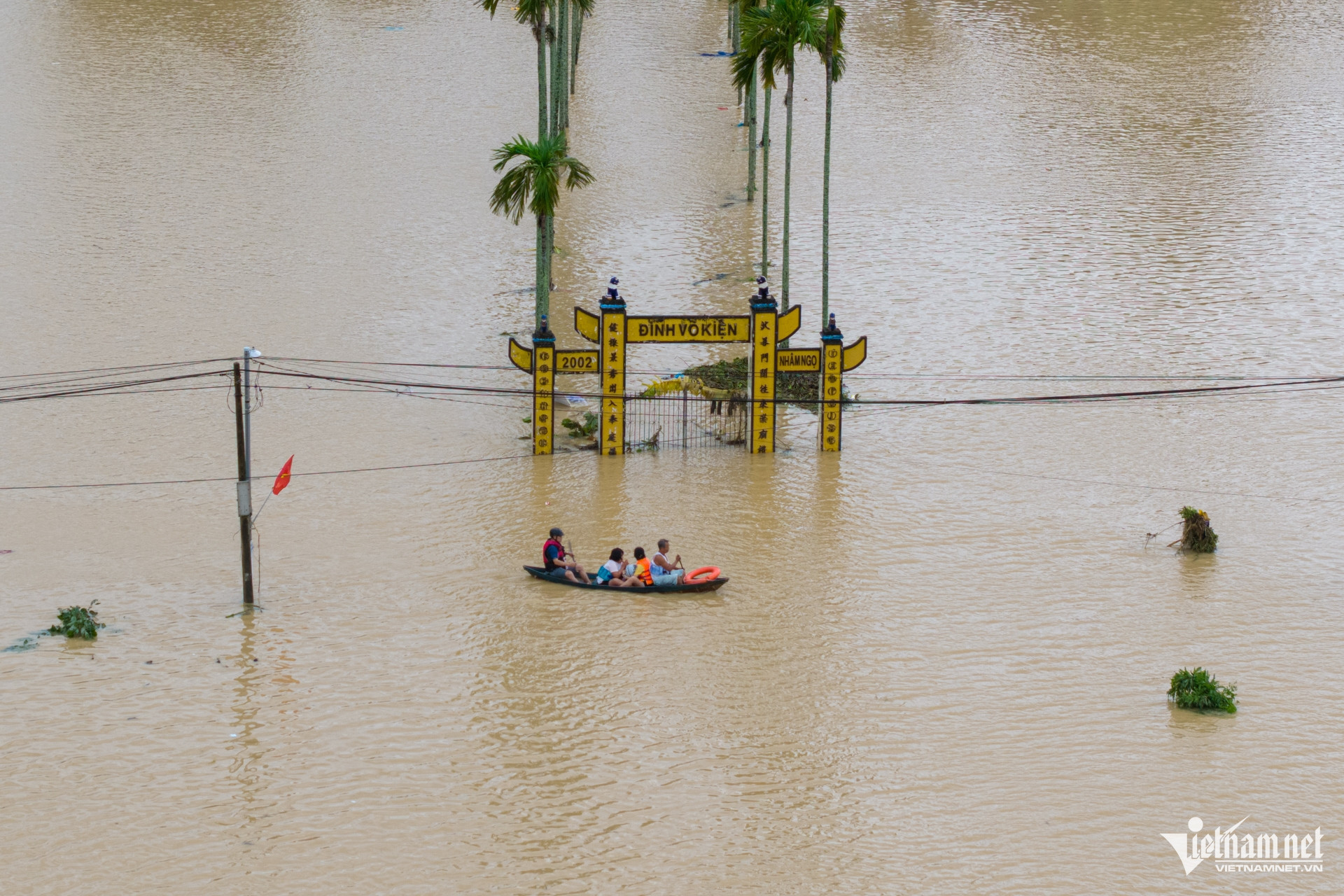
One of the most distressing experiences for downstream residents is the suddenness of flooding. In Japan, they address this with the “rate of rise” rule. The Ministry of Land, Infrastructure, Transport and Tourism (MLIT) mandates that downstream water levels must not rise more than 30cm in 30 minutes due to dam releases.
To comply, dam operators must start early. They cannot wait until reservoirs are full; otherwise, they risk violating this rule and flooding homes. They are incentivized to act based on forecasts, not rainfall alone.
Japan doesn’t rely on guesswork. It operates S-uiPS, a state-of-the-art river monitoring and flood prediction system powered by AI. It can forecast water levels at the level of streets and intersections in real time, 30 minutes ahead.
Its warning system includes sirens, electronic boards, mobile loudspeakers, and live flood maps on smartphones. Residents don’t just receive a text - they can see exactly how close the water is to their doorstep.
With Vietnam’s improving IT and telecommunications infrastructure, a “digital twin” of key rivers like the Red River or Vu Gia–Thu Bon is entirely possible. Imagine a mobile app that tells a resident: “Water released from Dam A will reach your third doorstep in two hours.” That’s not science fiction - it’s safety.
When failure becomes a crime
When all else fails - finance, forecasting, orders - there must be law.
India’s Dam Safety Act of 2021 made dam mismanagement a criminal offense. Article 41 allows up to two years of jail time for those who disobey safety orders, especially if lives are lost.
Meanwhile, international legal trends are moving toward strict liability. In a landmark case in the UK, involving Brazil’s Mariana dam disaster, the Supreme Court ruled that parent companies are liable for damages regardless of intent. If your dam caused harm, you pay. No excuses. No blaming nature.
Vietnam needs similar legal foundations. It’s time for a standalone Dam Safety Law or amendments to the Water Resources Law. Hydropower dams must be recognized as “high-risk structures.” Operators should be required to buy liability insurance - and insurers, in turn, will become stricter overseers than any government agency.
We must not let policy lag behind disaster
Climate change is no longer a theory - it’s crashing through the front doors of Central Vietnam. Operational protocols like Decision 1865, written years ago, can’t keep up. Ending the official flood season on December 15 while storms now strike in January is absurd.
To stop this high-stakes game of chance, Vietnam must overhaul water governance through a triple-pillar approach:
First, financial mechanisms like Brazil’s MRE to remove the profit-safety conflict.
Second, real-time forecasting and early, controlled releases like in Japan.
Third, criminal and administrative accountability as practiced in India, Russia, and China.
Hydropower is a national asset. But it must never become a sword hanging over people’s heads.
It’s time to stop gambling with floods. Other nations have already paved safer, smarter paths. Vietnam must follow.
Nguyen Phuoc Thang
Hoa Binh University
.svg)
