 Vietnamnet.vn

 Podcast


More than 31 years of caring for elderly people with nowhere to go
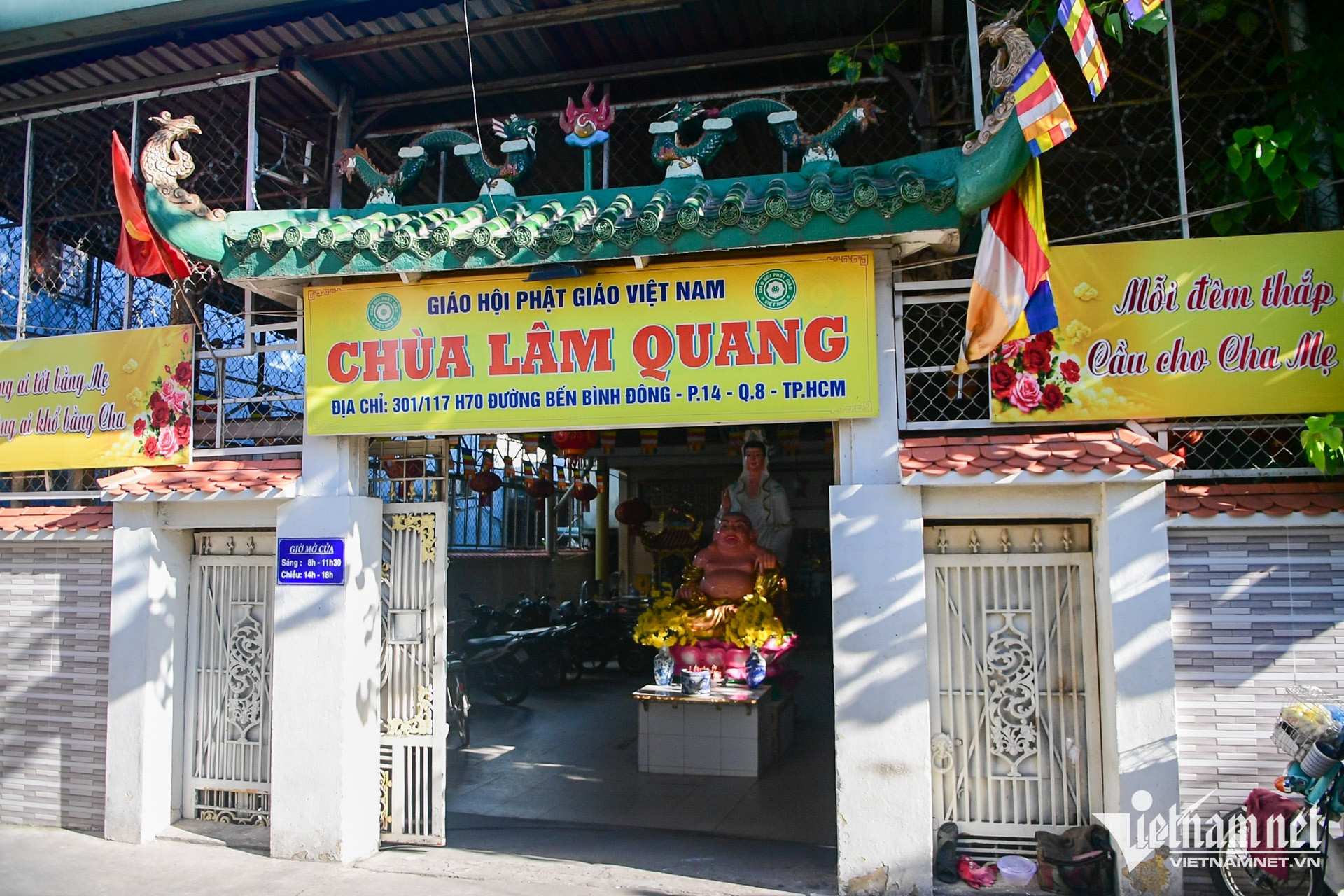
Lam Quang Pagoda's mission to shelter elderly people began in 1995, when senior Buddhist nun Hue Tuyen returned to take charge of the pagoda in Ho Chi Minh City.
For about 20 years before her arrival, the pagoda had been without an abbot. During that time, elderly people experiencing homelessness had sought temporary shelter there, surviving by selling lottery tickets or begging.
Moved by their circumstances, Hue Tuyen made a vow to let them stay so they would no longer have to struggle to earn a living on the streets.
What began as a simple act of compassion gradually grew into a long-term mission that has continued for more than 31 years.
According to Buddhist nun Dieu Son, some elderly residents arrived carrying nothing more than a small bag containing a few changes of clothes.
Some had lost their families and homes, while others had been abandoned by their children. In certain cases, relatives brought elderly family members to the pagoda and quietly left them outside its gates.
Over the past 31 years, Lam Quang Pagoda has sheltered hundreds of elderly people, many of whom spent their final years there.
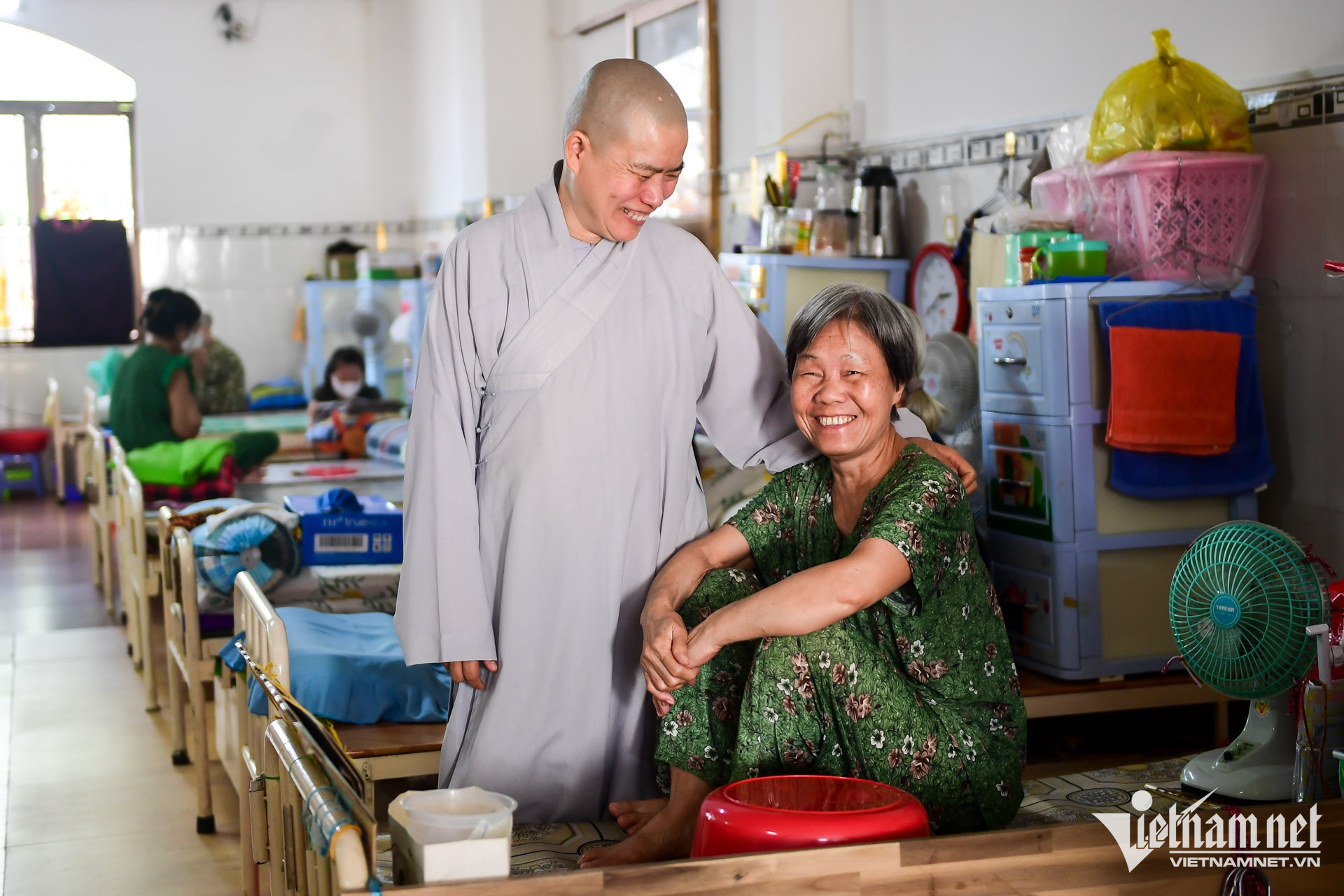
Today, the pagoda cares for 117 residents, including 13 children and elderly people facing difficult circumstances. Twenty Buddhist nuns and 14 regular volunteers help provide daily care and support.
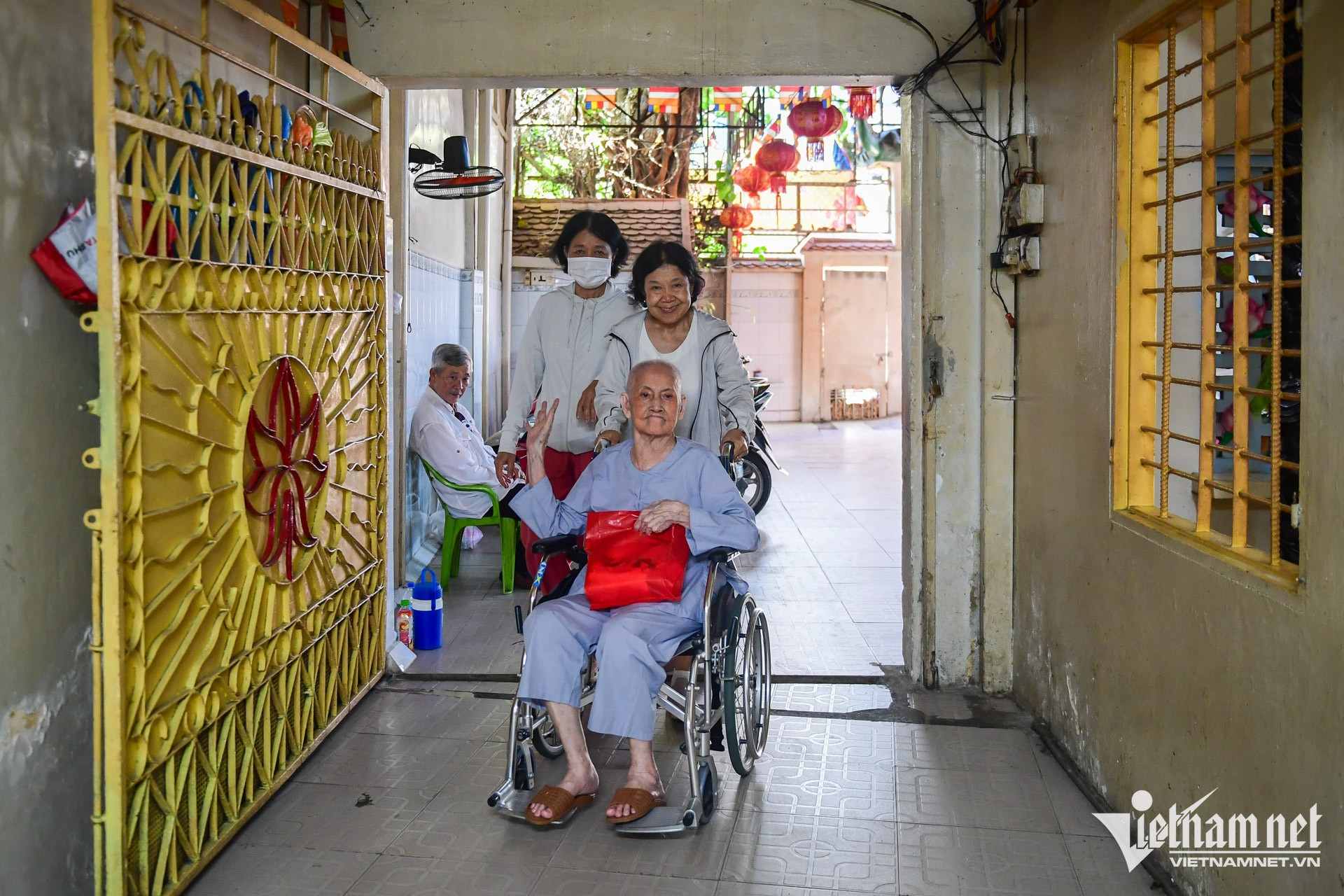
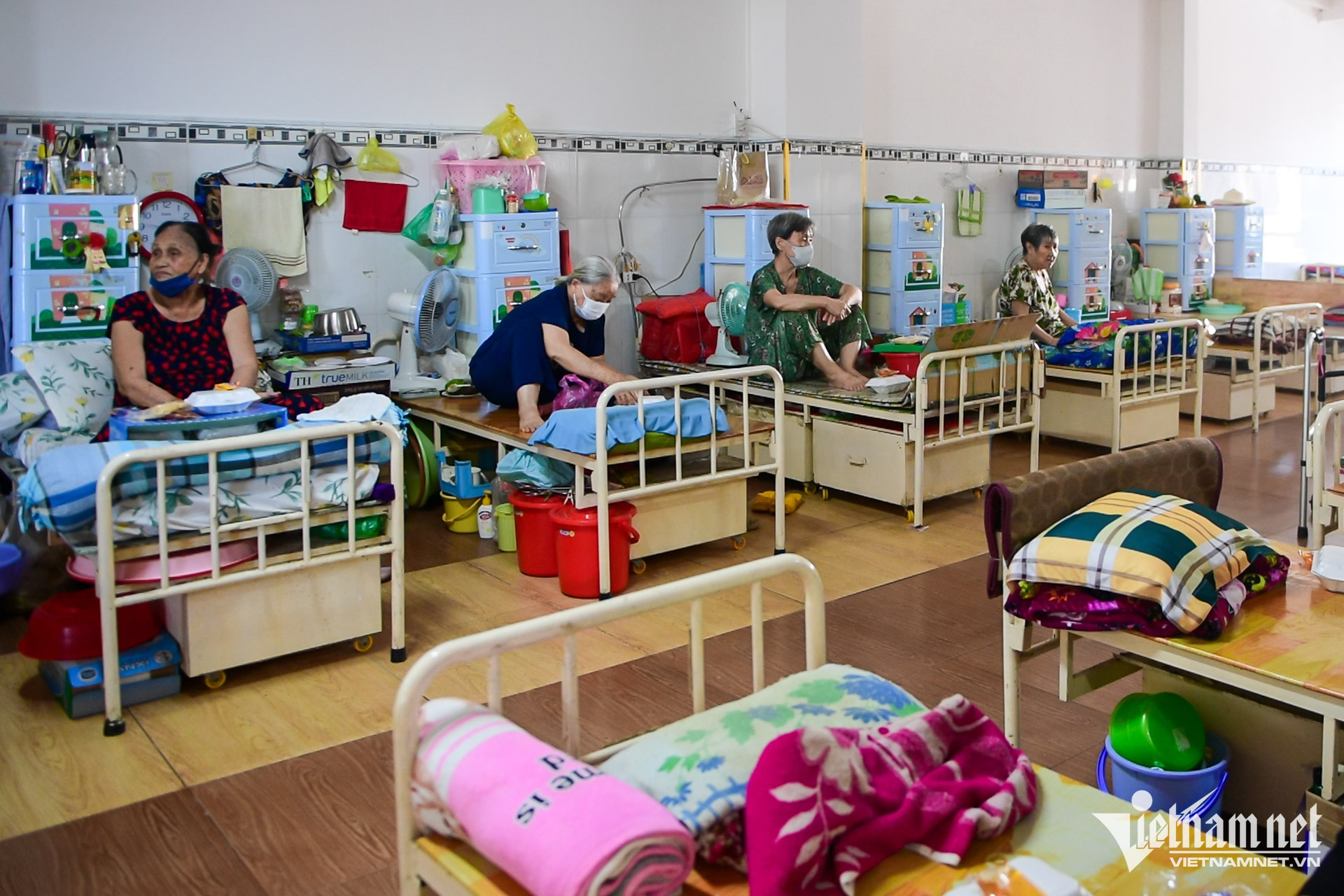
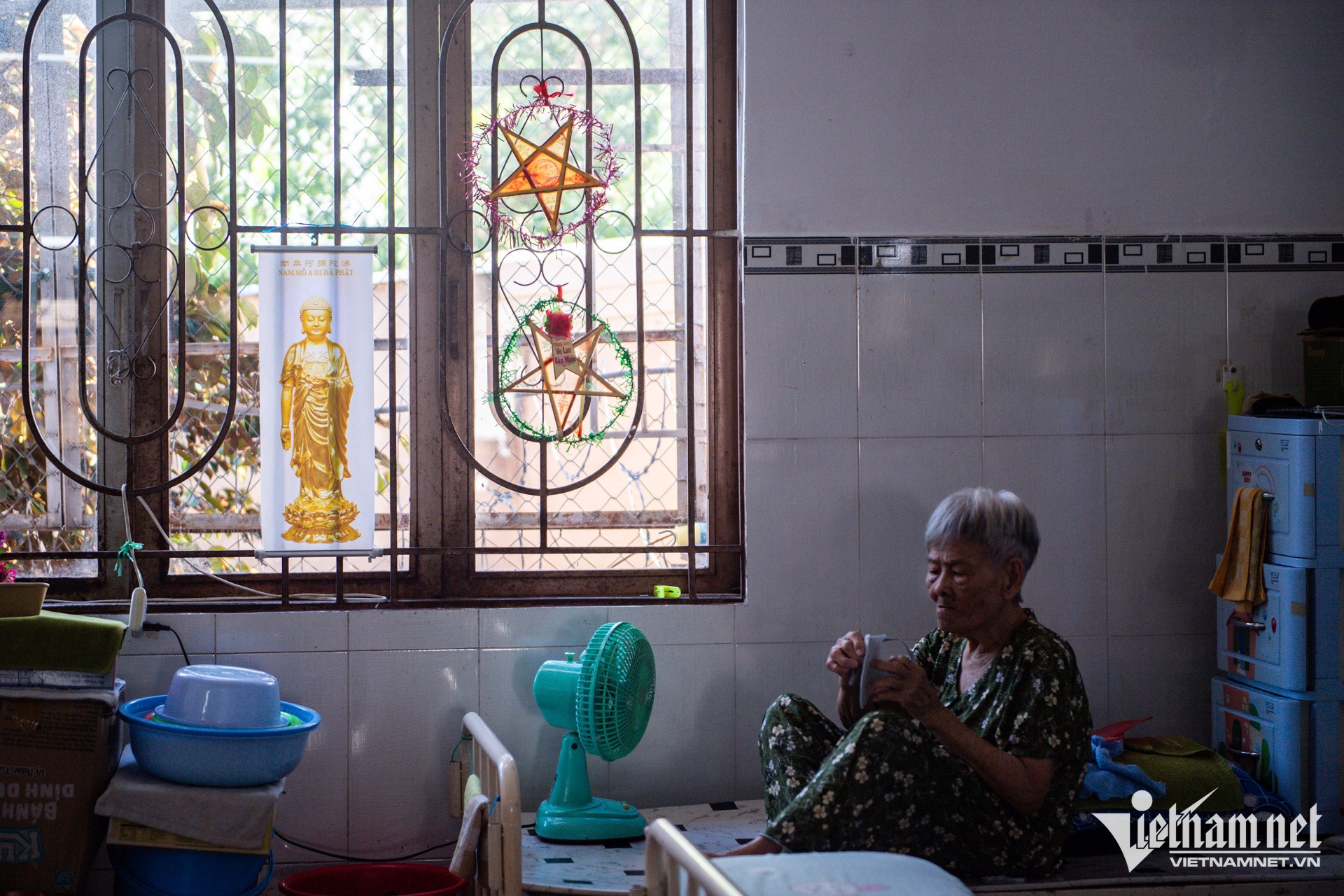
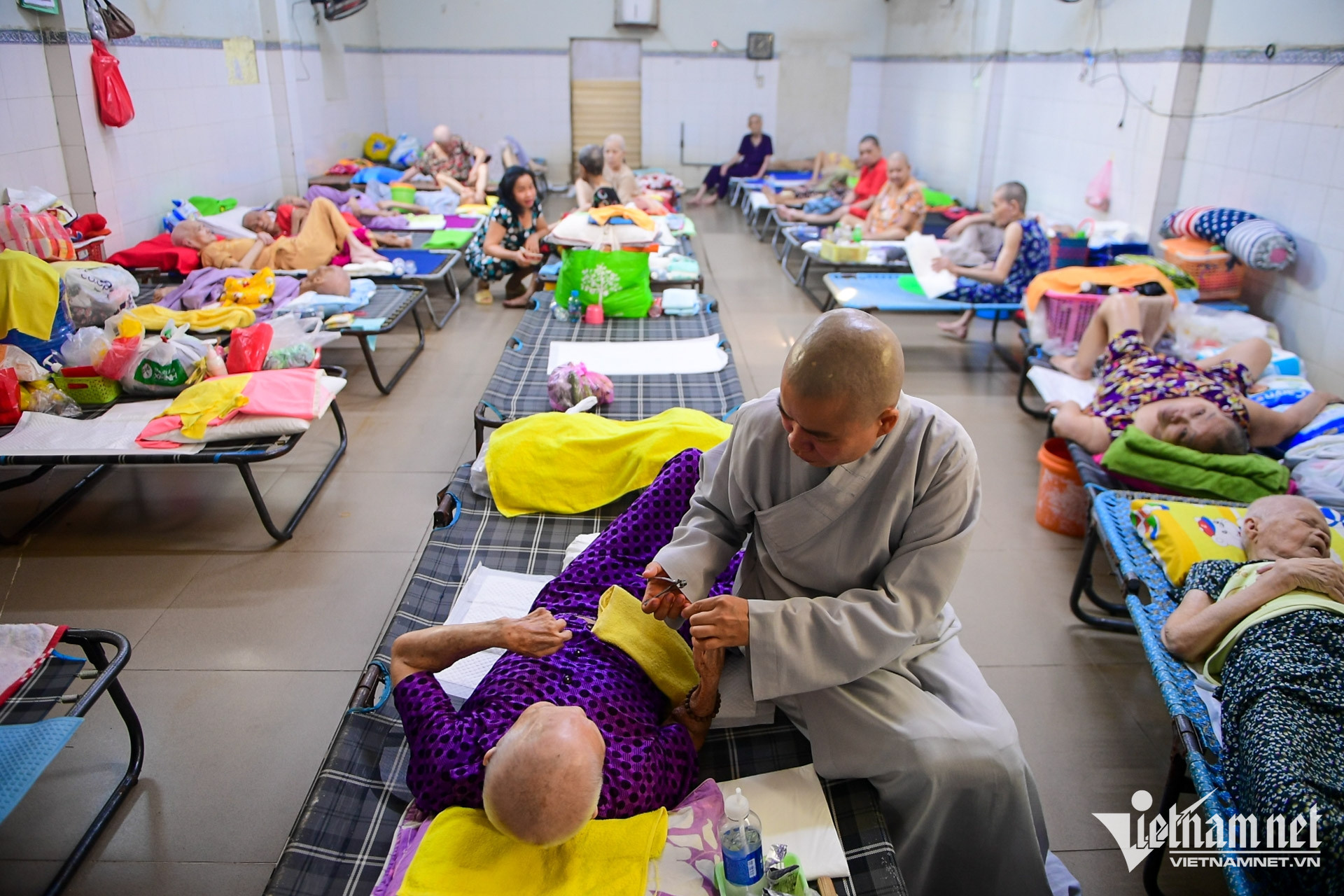
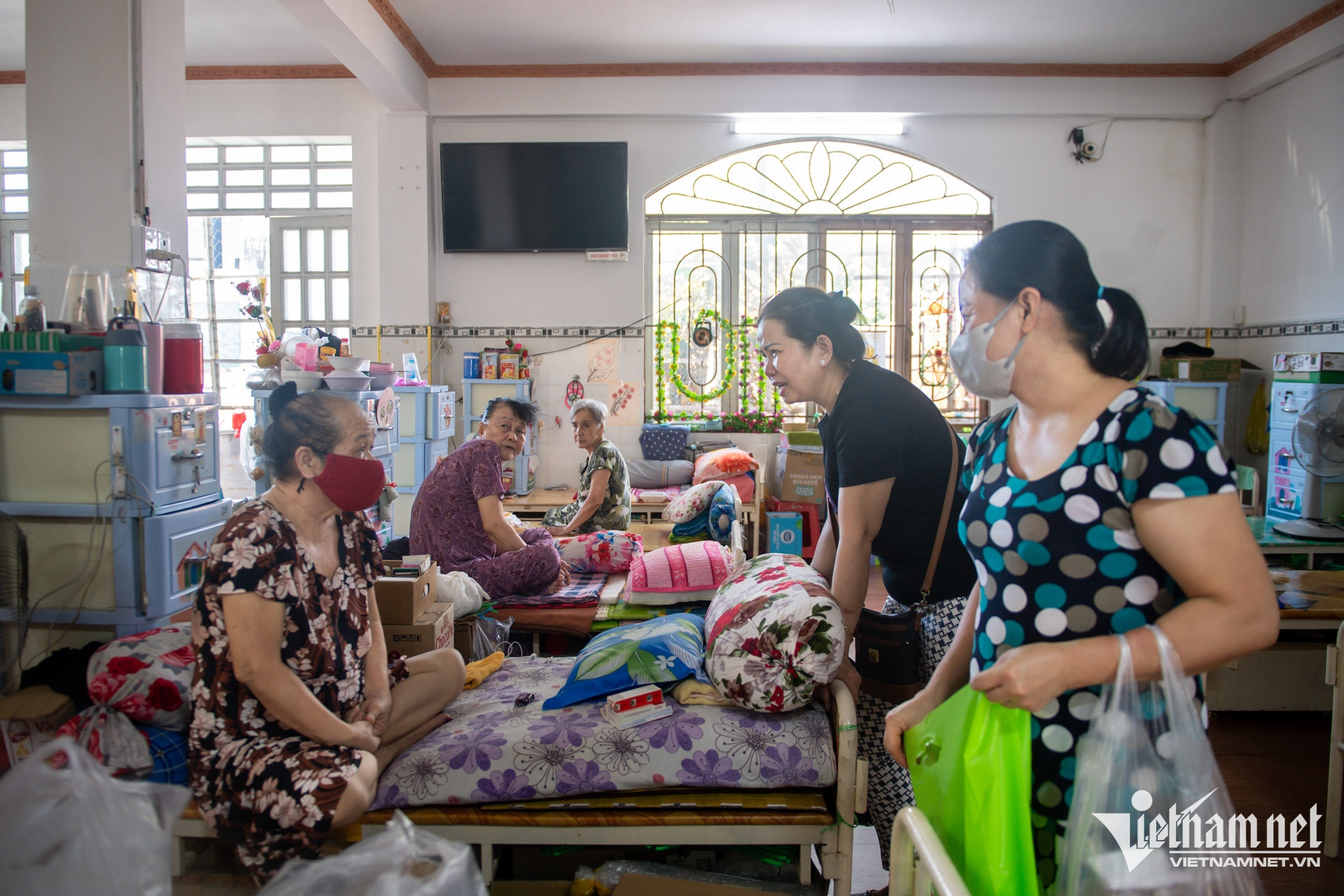
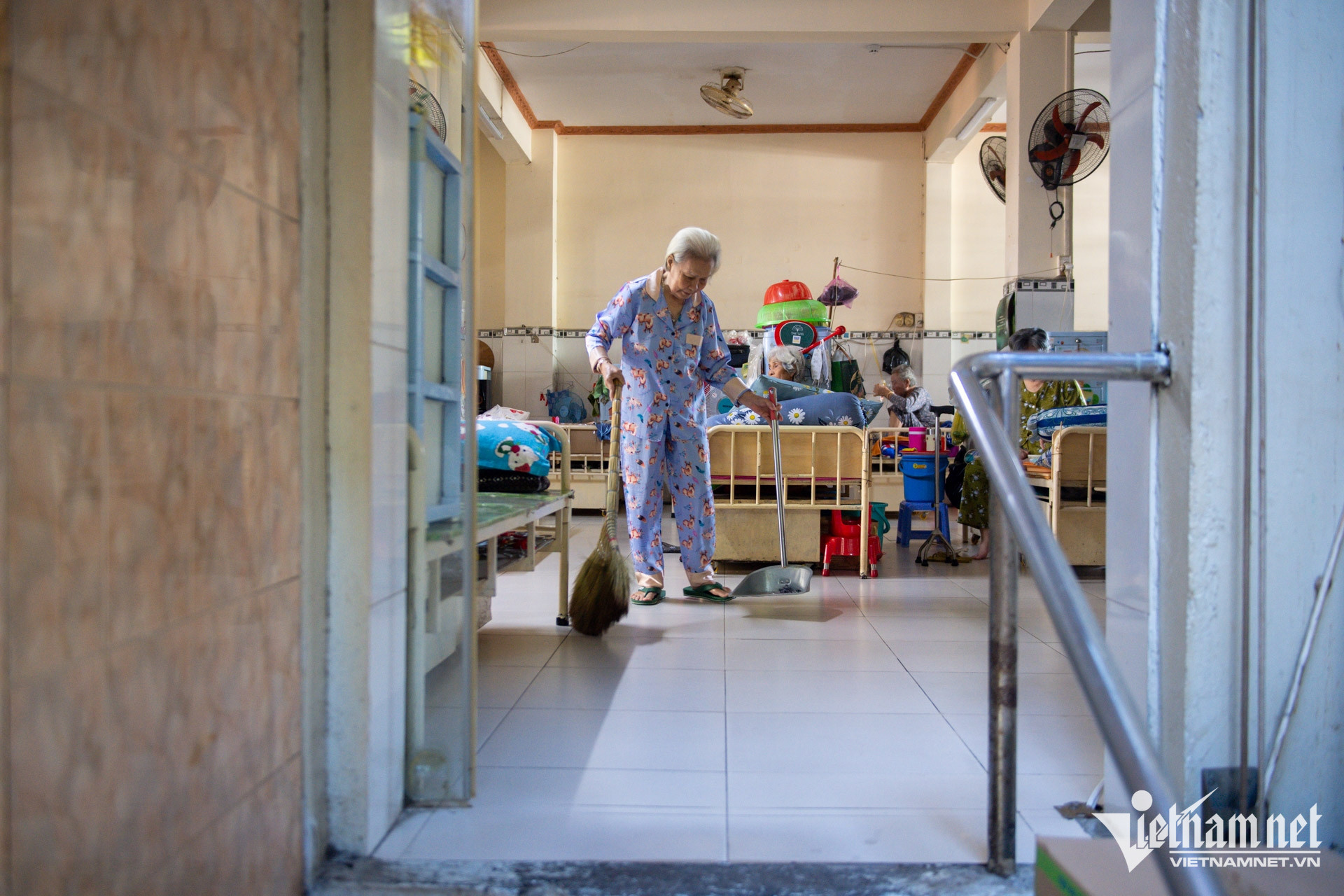
The elderly residents are accommodated in three separate areas. Two are reserved for those who can still walk and eat independently, while the third houses people who can no longer care for themselves.
The pagoda accepts people aged 60 and above who have no home, children or caregivers, provided their circumstances are verified by local authorities.
Residents pay nothing for accommodation, meals, daily living expenses or medical care.
"We look after them from the day they arrive, through illness and until the end of their lives. When they pass away, the pagoda arranges their funerals and cremations," Dieu Son said.
The heartbreaking stories of those left behind
During her decades of caring for elderly residents, Dieu Son has witnessed many painful situations.
Some people brought elderly individuals to the pagoda, claiming they were merely neighbors seeking help.
Only after the accompanying relatives had left, and the elderly residents began crying, did the nuns discover that those who had brought them were actually their own children.
In one case, someone hired a taxi to transport an elderly person who could no longer walk from a nearby alley to the pagoda, then quietly disappeared.
On other occasions, the nuns woke at 4 a.m. for their morning prayers and discovered an elderly person huddled outside the gates without identification documents.
In such cases, the pagoda must notify local authorities to verify the person's identity and determine how to proceed.
Identification documents are essential for completing administrative procedures when residents become seriously ill or pass away.
"People often think it is children who get abandoned. But after so many years here, I've seen that many elderly people are abandoned too," Dieu Son said.
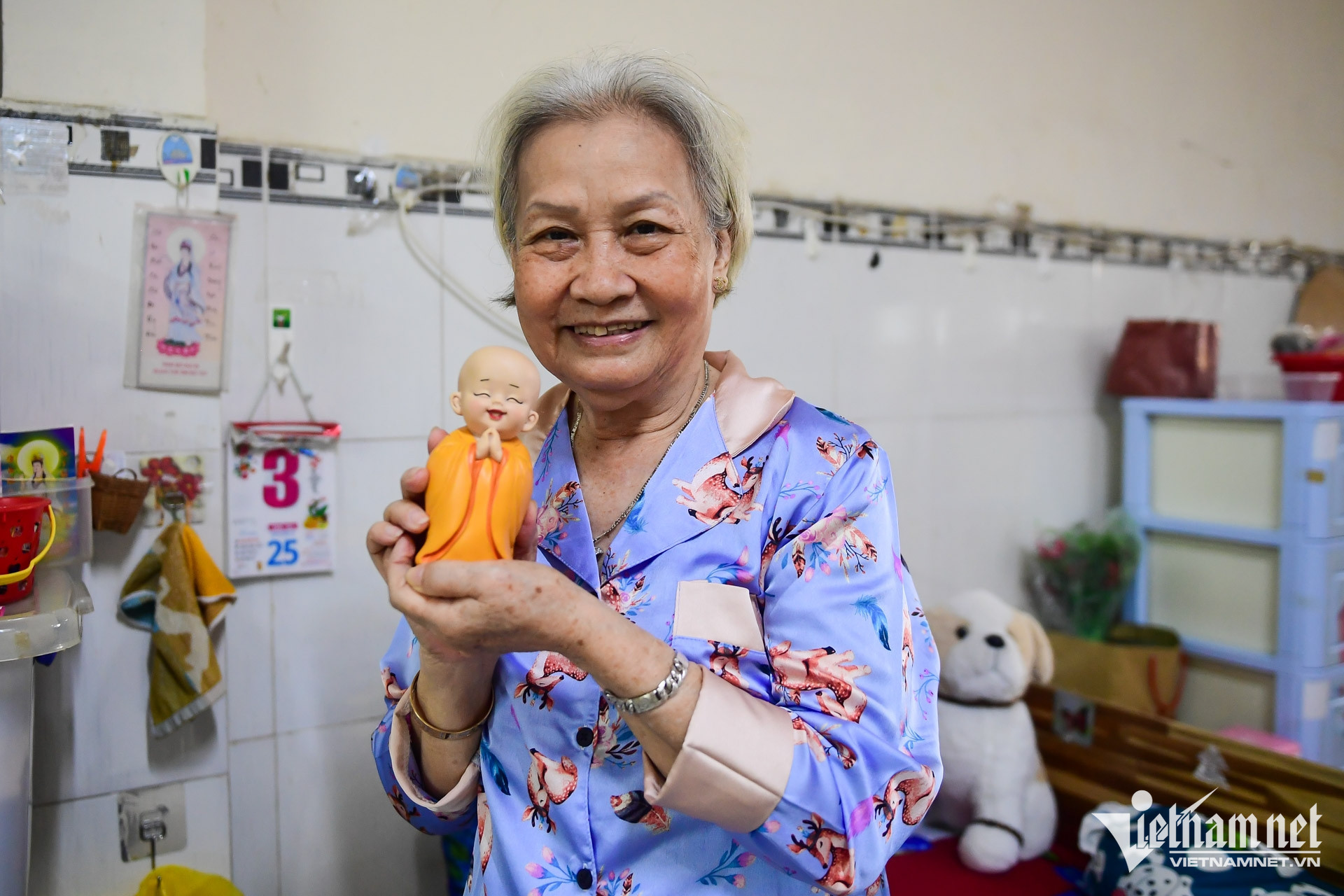
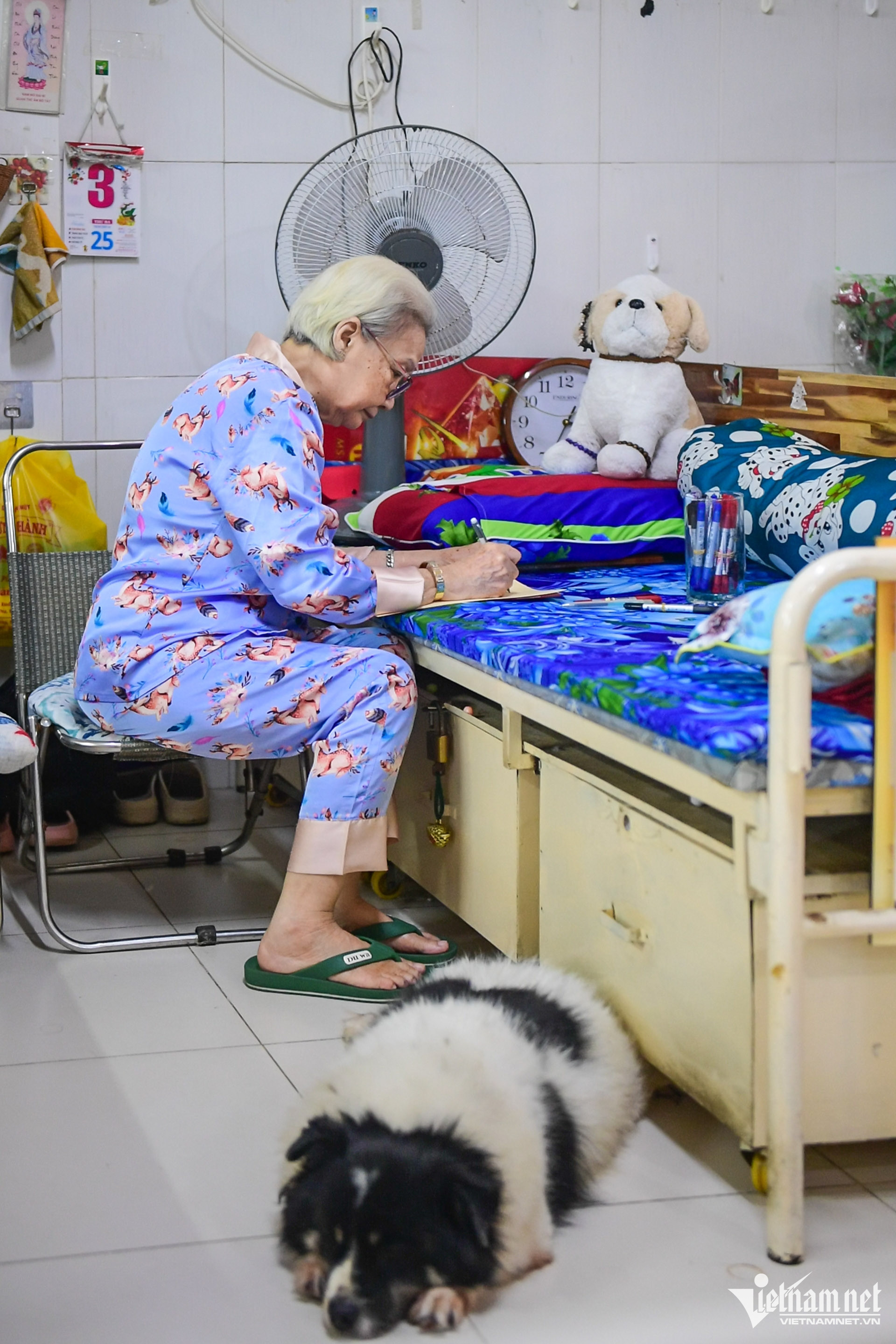
Among those who have found refuge at the pagoda is 74-year-old Bich Lap, who has lived there for 14 years.
Her life has been marked by hardship. Her daughter developed a mental illness, and her grandchild died suddenly at the age of 21.
Lap also lost her home and was forced to live in a park, taking whatever work she could find to survive.
One day, a woman who learned of her circumstances directed her to Lam Quang Pagoda.
After hearing her story, the nuns advised her to obtain confirmation of her circumstances from the local authorities.
She completed the paperwork that same day and was accepted as a resident.
"I was so happy. I had nowhere left to go. Someone told me about this place, and the pagoda took me in. I've been here ever since," Lap recalled.
During her 14 years at the pagoda, what has given her the greatest peace of mind is knowing that she will receive care when she falls ill and no longer has to worry about food or shelter.
On one occasion, she required hospital treatment costing tens of millions of Vietnamese dong, and the pagoda covered the expenses.
"Elderly people can't earn money anymore. The pagoda feeds us, takes us to hospital when we're sick and pays our medical bills," she said. "I think those of us who are able to live here are truly fortunate. It's a blessing in the final years of our lives. I don't wish for anything else now. I'm simply at peace living here."
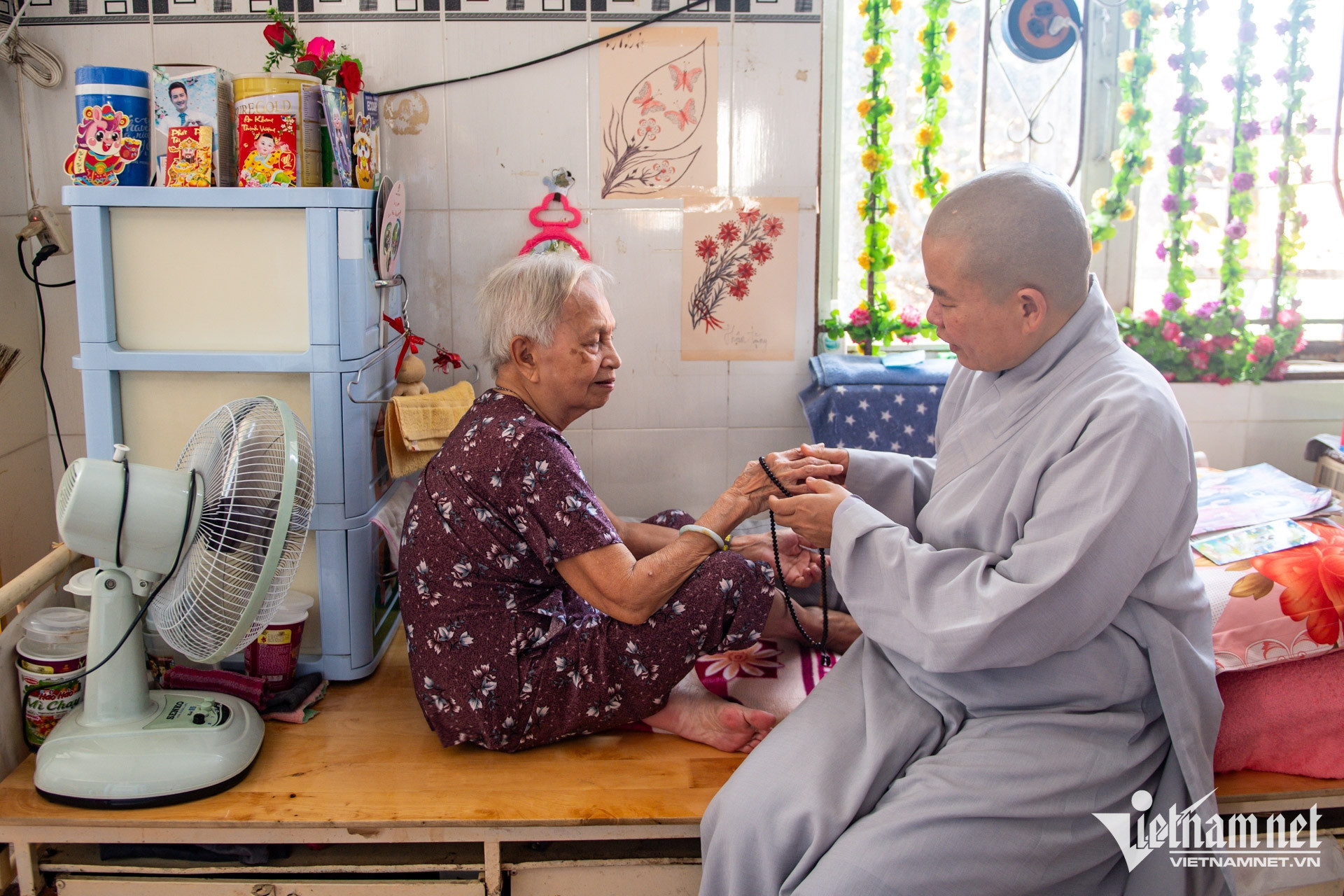
Another resident, 77-year-old Tran Thi Be, has lived at the pagoda for approximately seven years.
With no children and all her relatives deceased, she found a place to rely on as her health declined with age.
She now suffers from a lung condition that requires regular medication, with the costs covered by the pagoda.
"The nuns take such good care of us. They even provide our medicine. At my age, I can no longer earn a living, so being able to stay here is a blessing," Be said.
The quiet dedication of those who care for the elderly
Looking after 117 residents requires the nuns and volunteers at Lam Quang Pagoda to work from early morning until late in the evening.
Those who remain relatively healthy can walk and eat independently.
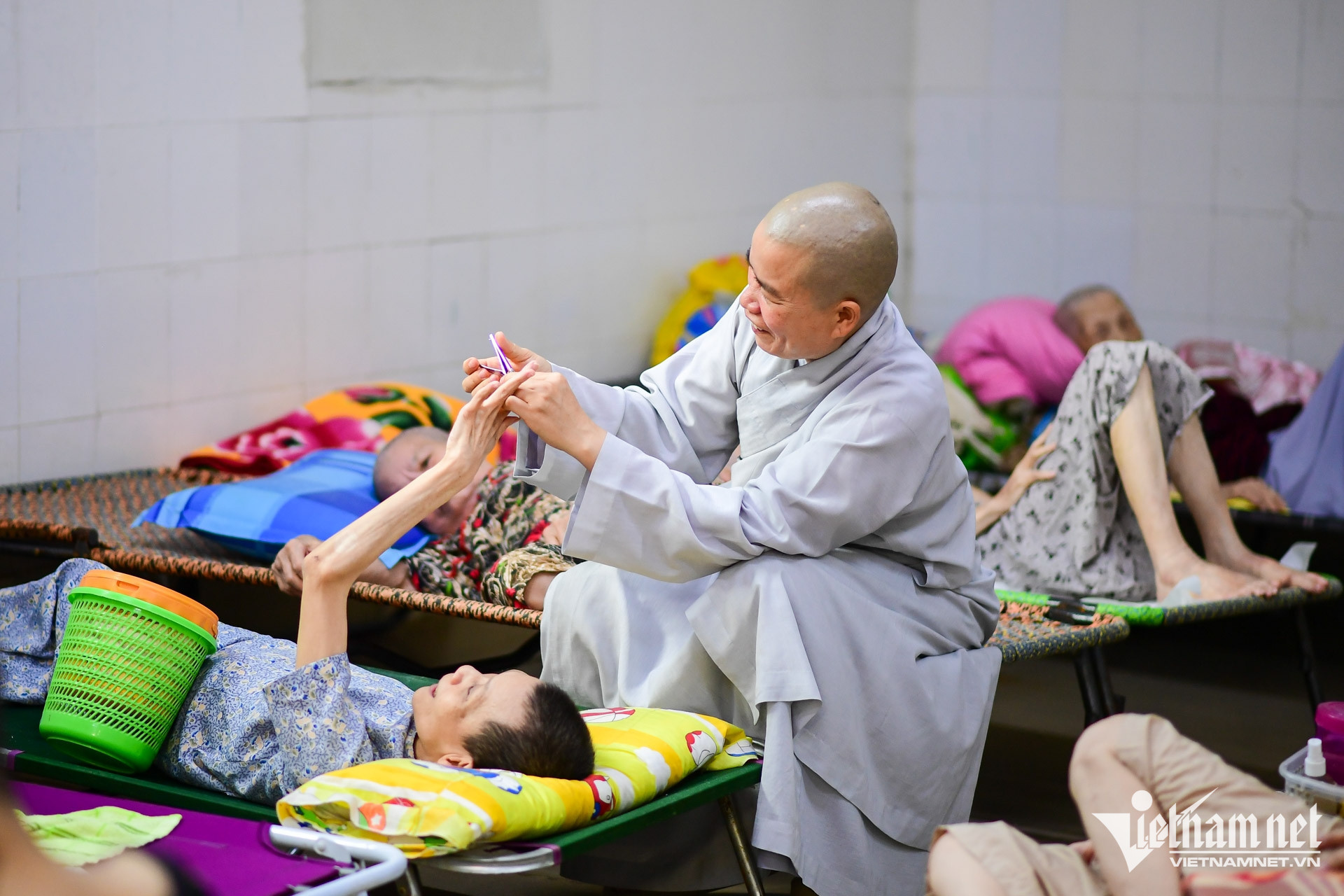
For bedridden residents, however, caregivers must assist with virtually every aspect of daily life, from bathing and changing clothes to feeding and personal hygiene.
One of the nuns has received nursing training and is responsible for checking blood pressure, distributing medication and monitoring residents' health.
A team of doctors visits the pagoda every month to provide free medical examinations.
When residents develop conditions that cannot be managed at the pagoda, they are taken to hospital, with the pagoda covering medication and treatment expenses.
As some residents become increasingly frail, their care routines are adjusted accordingly.
The pagoda prepares soft foods and porridge, assists with feeding and monitors their nutritional needs.
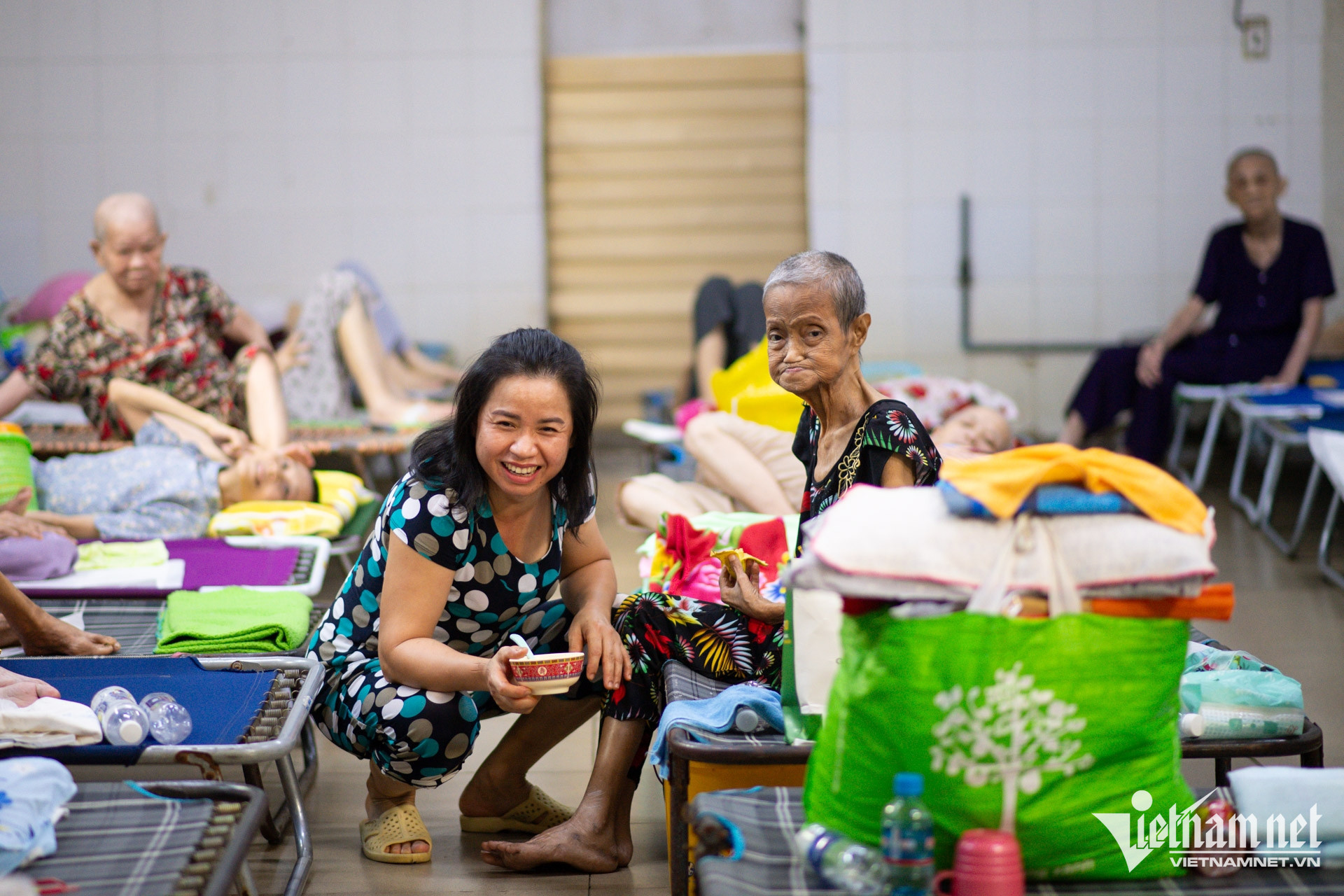
Nguyen Thi Anh Nguyet, 41, has been involved in caring for elderly residents at the pagoda since 2013.
She first visited to attend Buddhist chanting sessions. After learning about the pagoda's work with elderly people who had nowhere to turn, she decided to volunteer.
Her daily responsibilities mainly involve helping residents who can no longer manage on their own, including feeding, changing diapers and bathing them.
After taking care of her household and children, she usually arrives at the pagoda between 7:30 a.m. and 8 a.m., spending much of her day assisting the nuns.
"I think of caring for these elderly women as a child showing gratitude to their parents. When I imagine them as my parents from many lifetimes, I find the strength to do this work," Nguyet said.
At the pagoda, 20 nuns and 14 regular volunteers share responsibilities for cooking, caregiving, cleaning and assisting residents with daily activities.
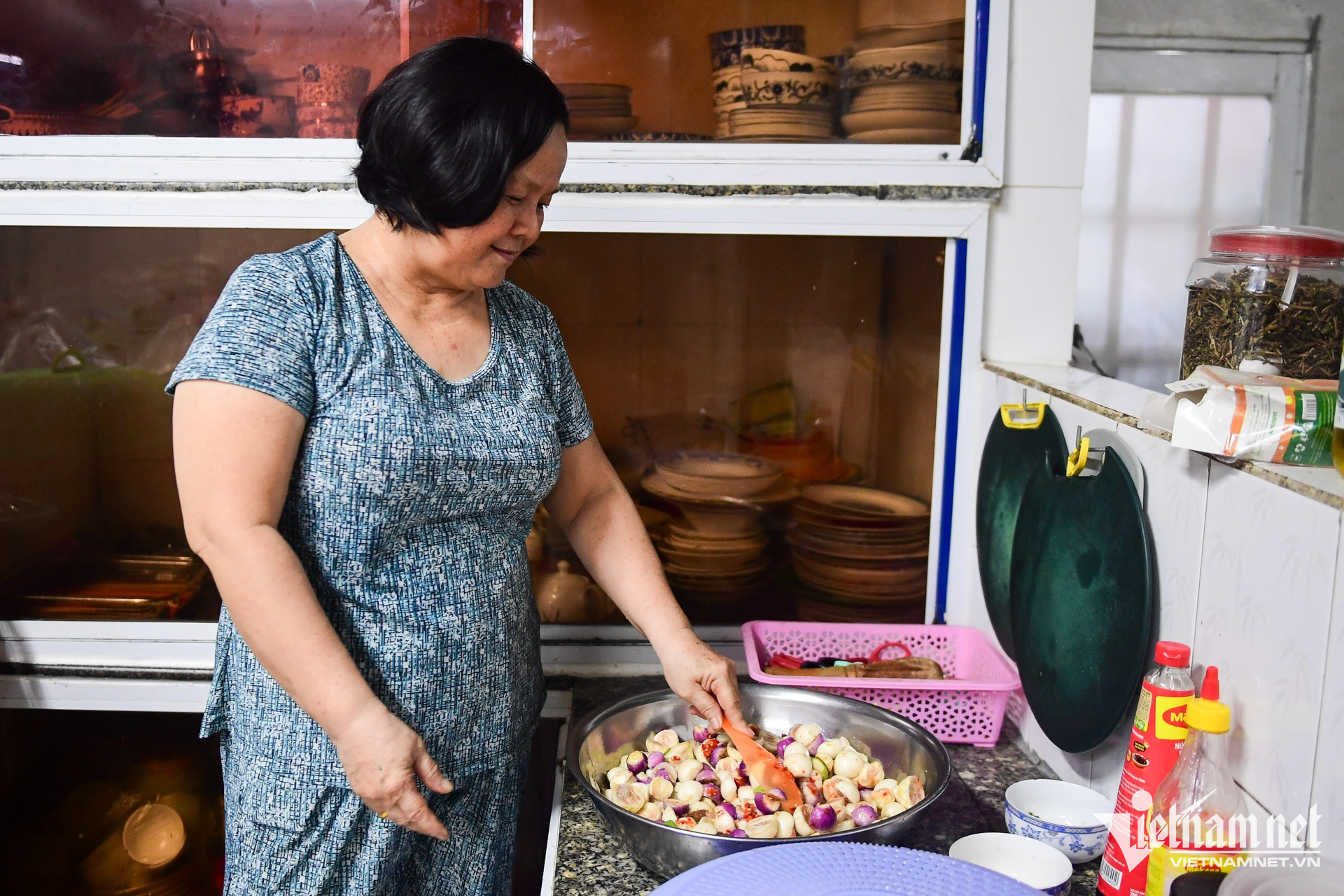
Those who remain healthy can take walks, exercise or enjoy morning coffee. Some also help with light kitchen tasks, such as preparing vegetables.
The pagoda relies primarily on donations from benefactors, Buddhist followers and members of the public.
It also prepares vegetarian banquets for businesses and organizations to generate additional funds for elderly care.
Some donors bring a few cartons of instant noodles or several kilograms of rice, while others contribute money for medication and hospital expenses.
Every contribution, large or small, helps sustain the pagoda's work.
"Some people are struggling financially themselves, yet they still save up to bring us a carton of noodles or five to ten kilograms of rice," Dieu Son said. "It's thanks to so many helping hands coming together that we've been able to care for these elderly people for 31 years."
Finding compassion in the simplest acts of service
For those who have dedicated themselves to Lam Quang Pagoda, caring for elderly residents is more than volunteer work. It is also a way of practicing compassion and service in everyday Buddhist life.
"In a way, it's not entirely accurate to say that we're helping the elderly," Dieu Son reflected. "They are also helping us by giving us the opportunity to serve, open our hearts, care for others and share our love."
Nguyet likewise sees her years of volunteering as a journey of cultivating kindness.
Unable to contribute much financially, she offers what she can: her time, physical effort and patience.
Lam Quang Pagoda's work is one example of how Buddhist institutions contribute to social welfare in Vietnam.
Beyond providing shelter for elderly people without family support, many Buddhist organizations also offer medical services, assist people with visual impairments, build charitable and gratitude houses, and support disadvantaged communities.
Dieu Son describes Lam Quang Pagoda as "the final station on life's journey."
For more than 31 years, it has welcomed elderly people who no longer have families, homes or the ability to care for themselves.
Some arrived with only a few pieces of clothing. Others were brought to the pagoda and quietly left outside its gates.
For these people, the pagoda offers far more than a roof over their heads and meals each day.
It is a place where someone will care for them when they are sick, stay beside them as they grow older and arrange their final farewell when they pass away.
After years of hardship and uncertainty, they have finally found somewhere to rest.
Nguyen Hue - Phuoc Sang

