 Vietnamnet.vn

 Podcast



On March 26, Vice Chairman of the Ca Mau People’s Committee Ngo Vu Thang said relevant agencies are clearing vegetation and preparing to move the aircraft to a new location for better preservation. The relocation is expected to be completed by Sunday. In the longer term, the province plans to restore the aircraft for public exhibition.
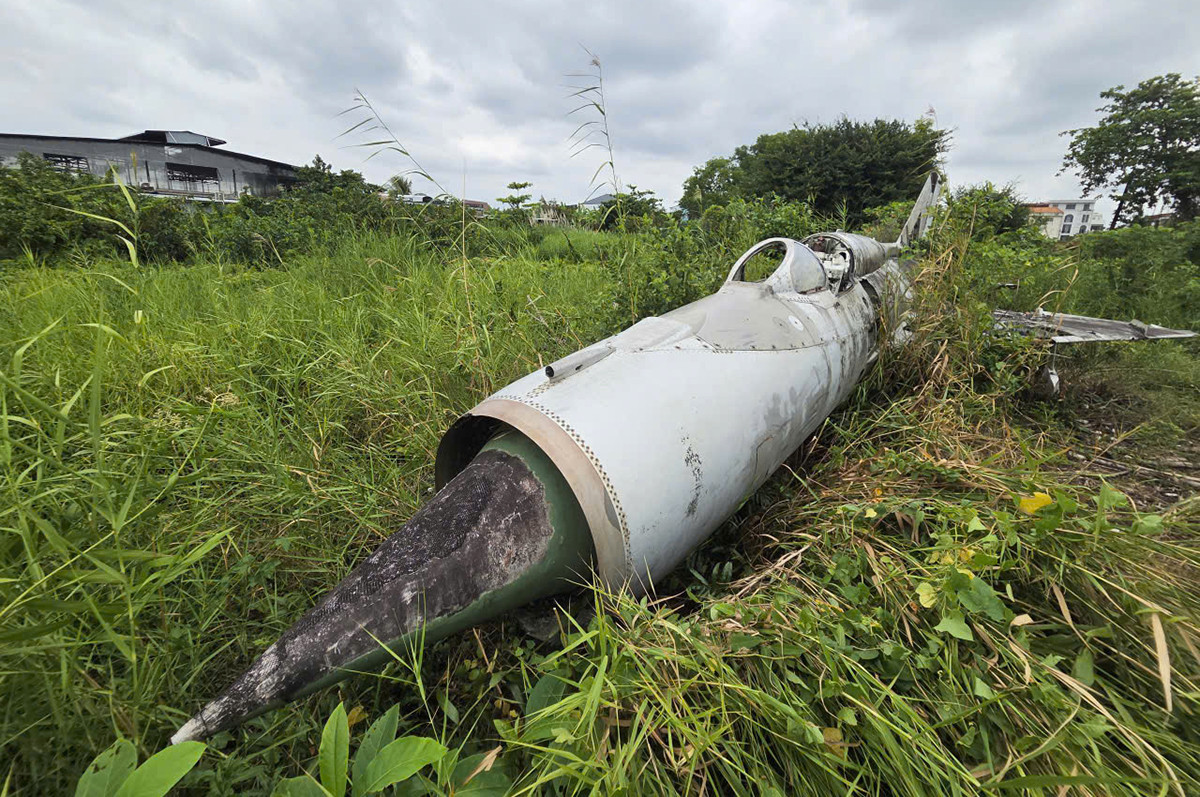
Earlier, the Department of Culture, Sports and Tourism of Ca Mau conducted a survey to trace the origin of the aircraft, which has long been left at an area along Nguyen Trai Street in An Xuyen ward.
The survey found that the aircraft’s frame remains relatively intact, though parts of the wings, nose, and tail have suffered corrosion and deformation. The fuselage has peeling paint, while many components have deteriorated, been damaged, or gone missing. Despite its condition, the MiG-21 is considered a valuable historical artifact associated with the development and combat history of Vietnam’s air force.
Newly confirmed information has clarified the origin of the aircraft. On March 24, Colonel Kieu Van Dung, former Deputy Chief of Staff of the 370th Air Division under the Air Defense - Air Force Service, sent a document to the Military Zone 9 Museum confirming that the MiG-21 had been gifted to Minh Hai province (now Ca Mau) in 1985 for exhibition purposes.
According to the document, during the 1980s, the Air Force established a representative office in southern Vietnam to support operations related to missions in Cambodia. At that time, Colonel and Hero of the People’s Armed Forces Nguyen Van Bay, serving as Deputy Chief of Staff of the Air Force, was assigned as the representative of the Air Force Commander in the South.
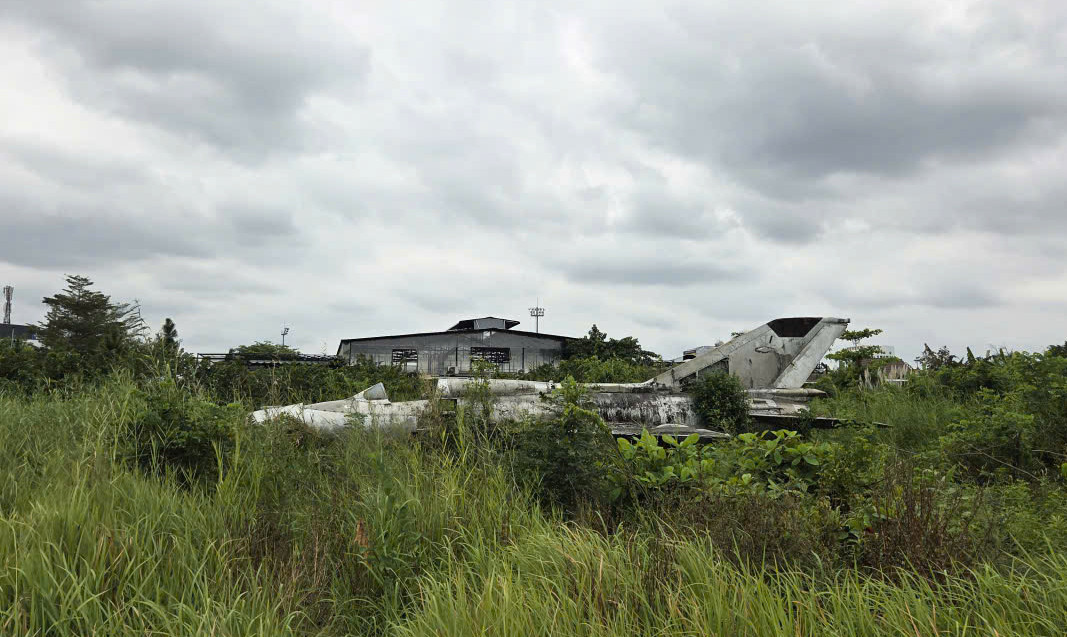
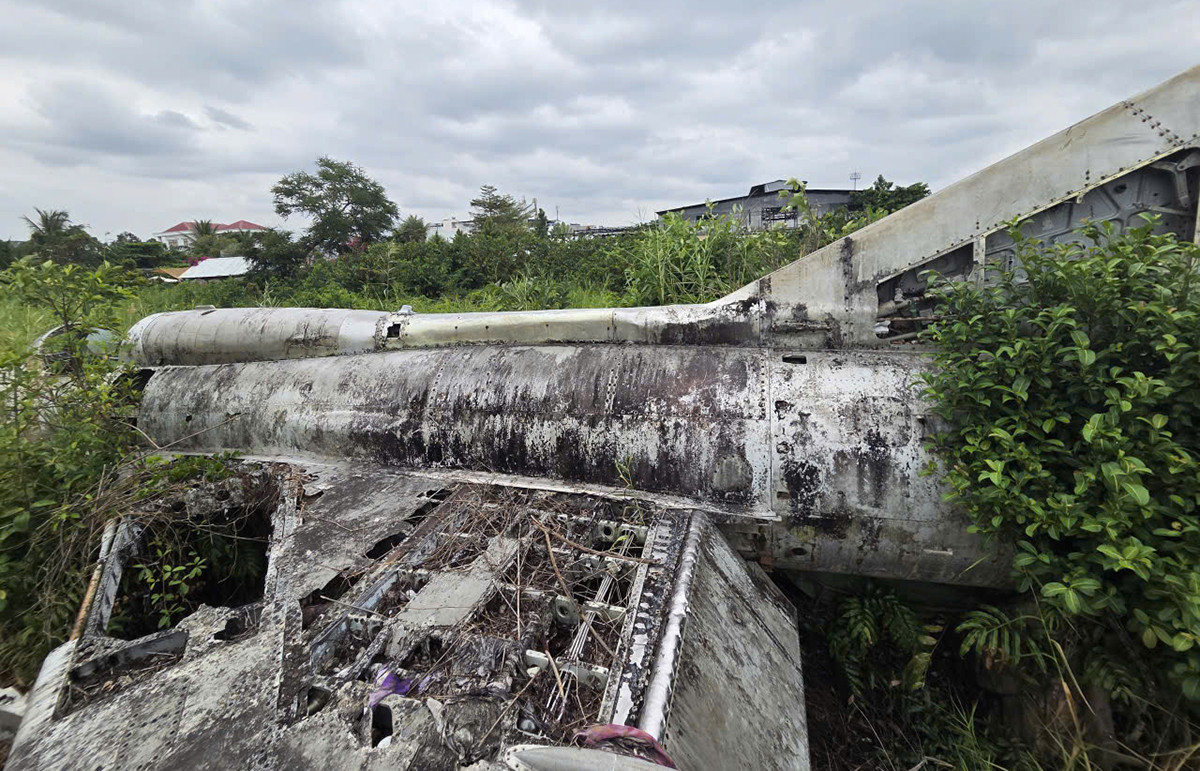
With the commander’s approval, Nguyen Van Bay arranged for several decommissioned aircraft to be donated to southern provinces for display, including Minh Hai province. After the handover, the aircraft became the responsibility of local authorities for exhibition use.
In 1985, to mark the 10th anniversary of the Liberation of the South, Minh Hai province, in coordination with Military Zone 9, brought three aircraft for display at a vacant area in front of the provincial post office. After the exhibition, two aircraft were taken back, while the remaining MiG-21 was handed over to the locality and moved to its current location.
Over time, however, unclear management responsibilities led to the aircraft being effectively “forgotten.” The Ca Mau Museum had not been assigned to manage the artifact, resulting in a lack of proper documentation and uncertainty over which agency held direct responsibility.
Colonel Kieu Van Dung noted that as the Air Force’s southern representative office has since been dissolved and Minh Hai province has been split, the authority to manage and decide on the aircraft’s future now rests with Ca Mau province. He suggested that the provincial Military Command coordinate with relevant agencies to advise local authorities on handling options, and if necessary, report to the Air Defense - Air Force Service.
Following media reports, local authorities have stepped up efforts to clarify ownership, collect documentation, and determine an appropriate preservation plan. The surrounding area is also being cleaned up to support the relocation and future conservation of the aircraft.
The MiG-21 is regarded as a symbolic artifact reflecting the growth and combat achievements of Vietnam’s air force, and its planned restoration is expected to contribute to preserving historical memory for future generations.
Hoai Thanh
.svg)
