 Vietnamnet.vn

 Podcast



Quan Lan, Quang Ninh
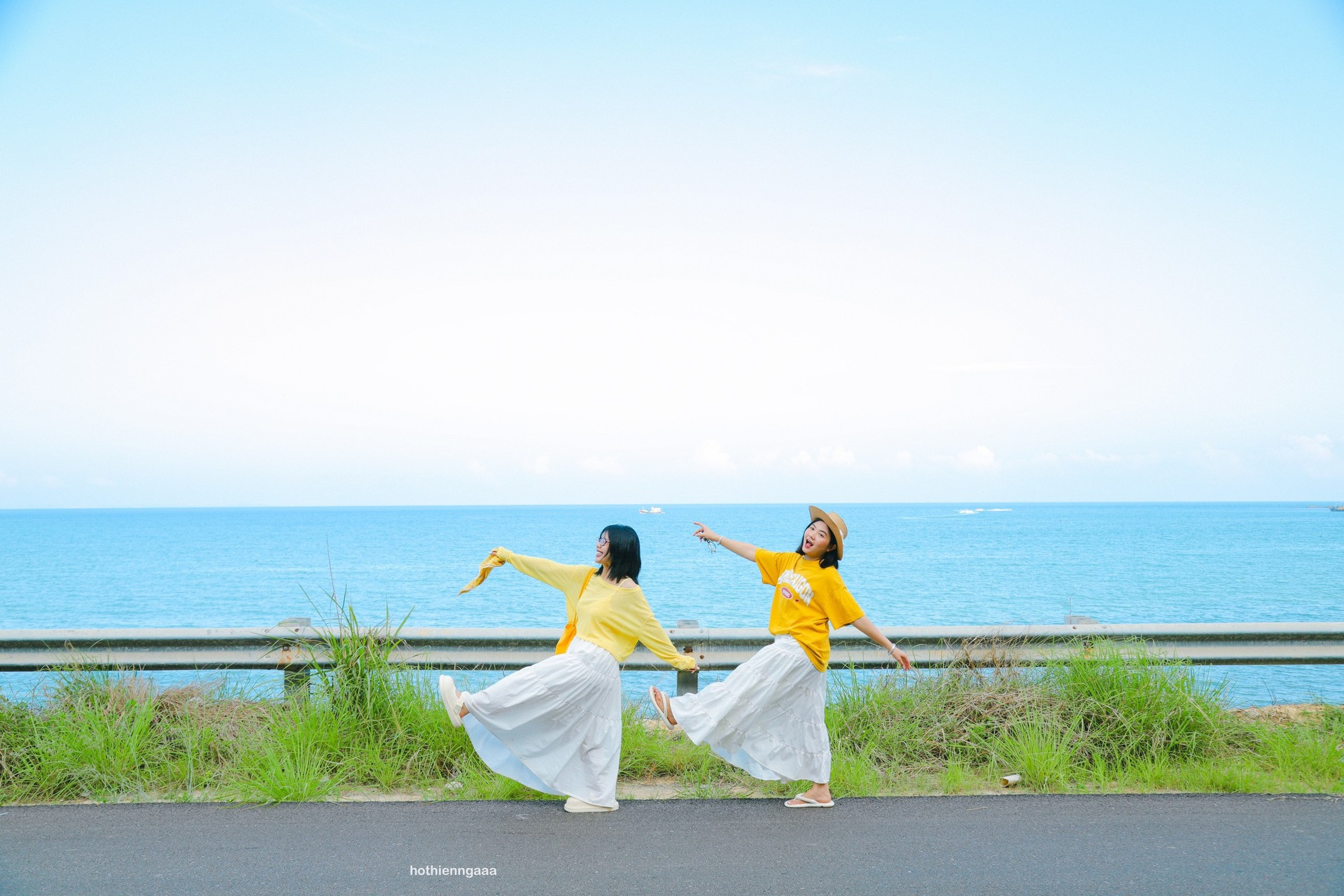
The island enjoys beautiful weather from April to June. Photo: Linh Xinh
Quan Lan Island in Quang Ninh Province, located within Bai Tu Long Bay, is an ideal summer destination known for its pristine beauty, crystal-clear water and long stretches of white sand. The island is at its best from April to the end of June, when the weather is sunny, temperatures remain pleasant and storms are rare.
As the island lies within the bay, sea conditions are usually calm, helping reduce the risk of seasickness during the relatively short boat ride.
Quan Lan is home to several picturesque beaches, including Minh Chau Beach, Robinson Beach, Rua Beach, Tien Beach and Quan Lan Beach. Minh Chau is especially popular for its powdery white sand, while Robinson Beach, located between Son Hao and Minh Chau, offers a more secluded atmosphere with resorts nestled among lush pine forests.
The island is also famous for its fresh seafood, including unusual local delicacies such as sa sung (peanut worms), ca ghim and cu ky crabs.
Ngoc Vung Island, Quang Ninh
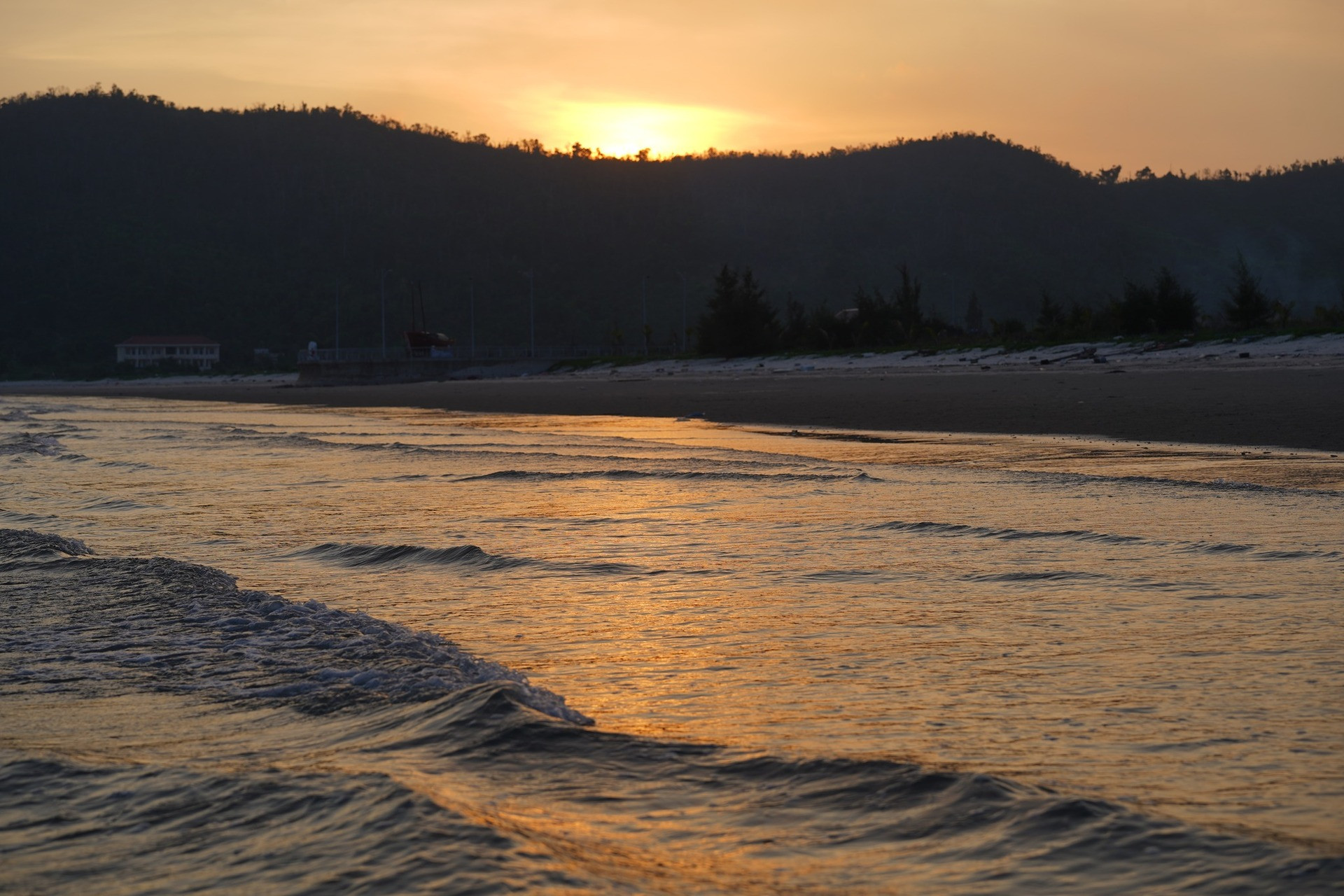
Sunrise and sunset on the island are equally stunning. Photo: Yen Le
For travelers seeking a peaceful island lifestyle in northern Vietnam during June, Ngoc Vung Island is a fitting choice.
Ngoc Vung belongs to Van Don Special Zone in Quang Ninh Province and covers around 45 square kilometers, surrounded by eight land islands and hundreds of limestone islets. According to Quang Ninh Province’s official information portal, the area was once abundant in pearl oysters. At night, the glow from the pearls illuminated the sea, inspiring locals to name the island Ngoc Vung, meaning “Pearl Glow.”
The island remains sparsely populated, with local residents primarily relying on fishing, aquaculture and farming. In recent years, tourism services have gradually developed.
A highlight for visitors is Truong Chinh Beach, known for its clear blue water and nearly 3-kilometer stretch of smooth white sand curving like a crescent moon.
Fresh seafood is plentiful on the island, including cu ky crabs, squid and clams.
However, accommodation and dining services remain limited, so visitors planning weekend trips are advised to book in advance.
Go Co Village, Quang Ngai
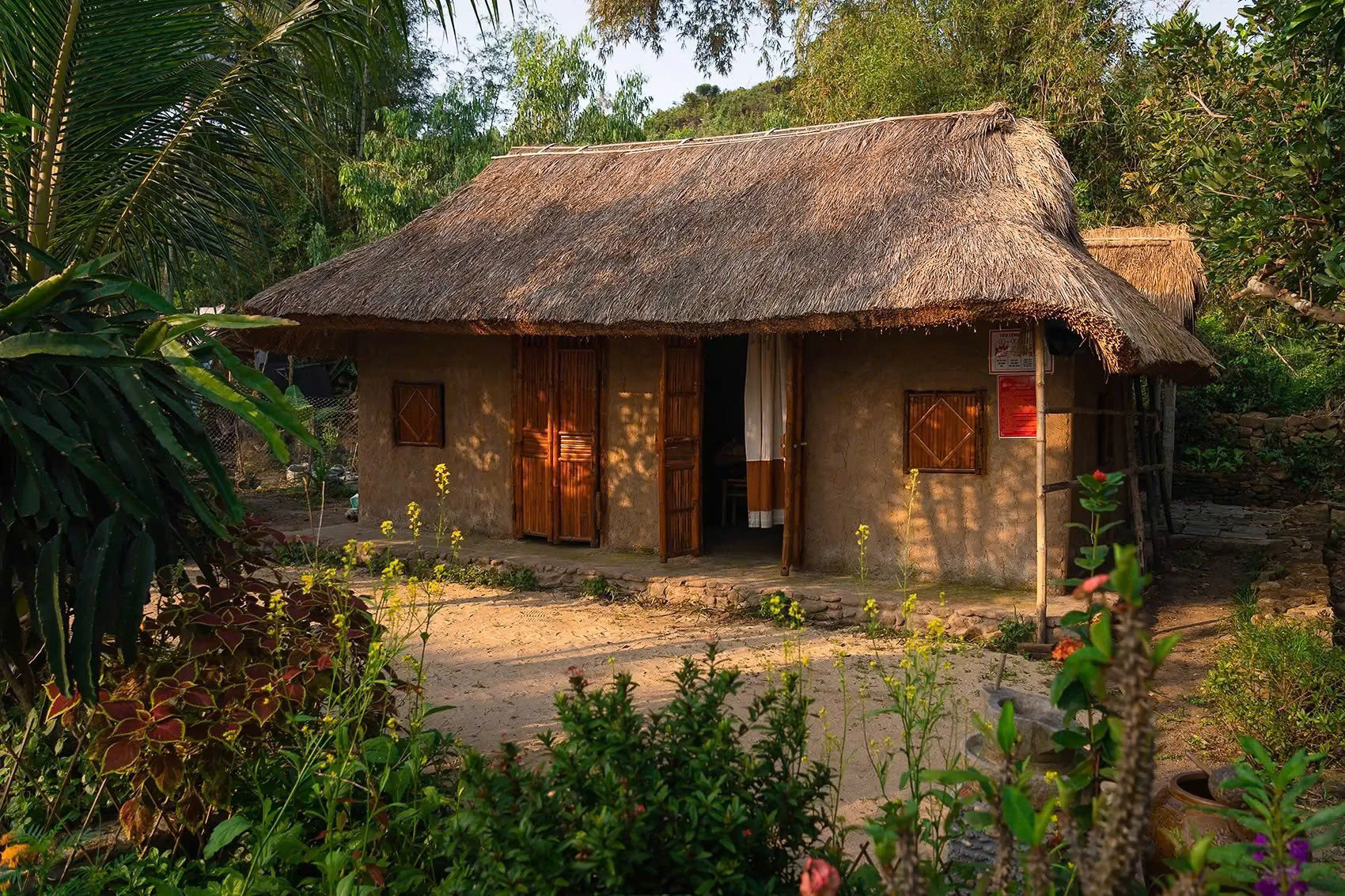
Thatched houses with earthen walls are built by local residents themselves. Photo: Nguyen Hong Nhat
Go Co Village is a charming stop within the nationally recognized Sa Huynh cultural heritage site in Quang Ngai Province. It is well suited for travelers interested in experiencing the warmth and simplicity of a traditional coastal village.
The village is often described as a place of “many absences” - no bustling commercial streets, limited use of air conditioning and, in many homes, no televisions.
In the past, residents mainly earned a living through fishing, gardening and traditional handicrafts. Today, many have joined hands to develop community tourism by opening homestays, acting as local guides and teaching visitors traditional crafts.
Homestays in the village follow strict community-agreed standards. Owners must be native residents whose families have lived in the village for at least three generations before they can offer accommodation services.
Visitors are welcomed like family members, sharing meals, lodging and daily activities with local residents. Signature dishes include luoi long cactus cooked in fish soup or mixed into salads, along with sea urchin cakes, squid, oyster soup and fish skin salad.
Lo Lo Chai and Then Pa villages, Tuyen Quang
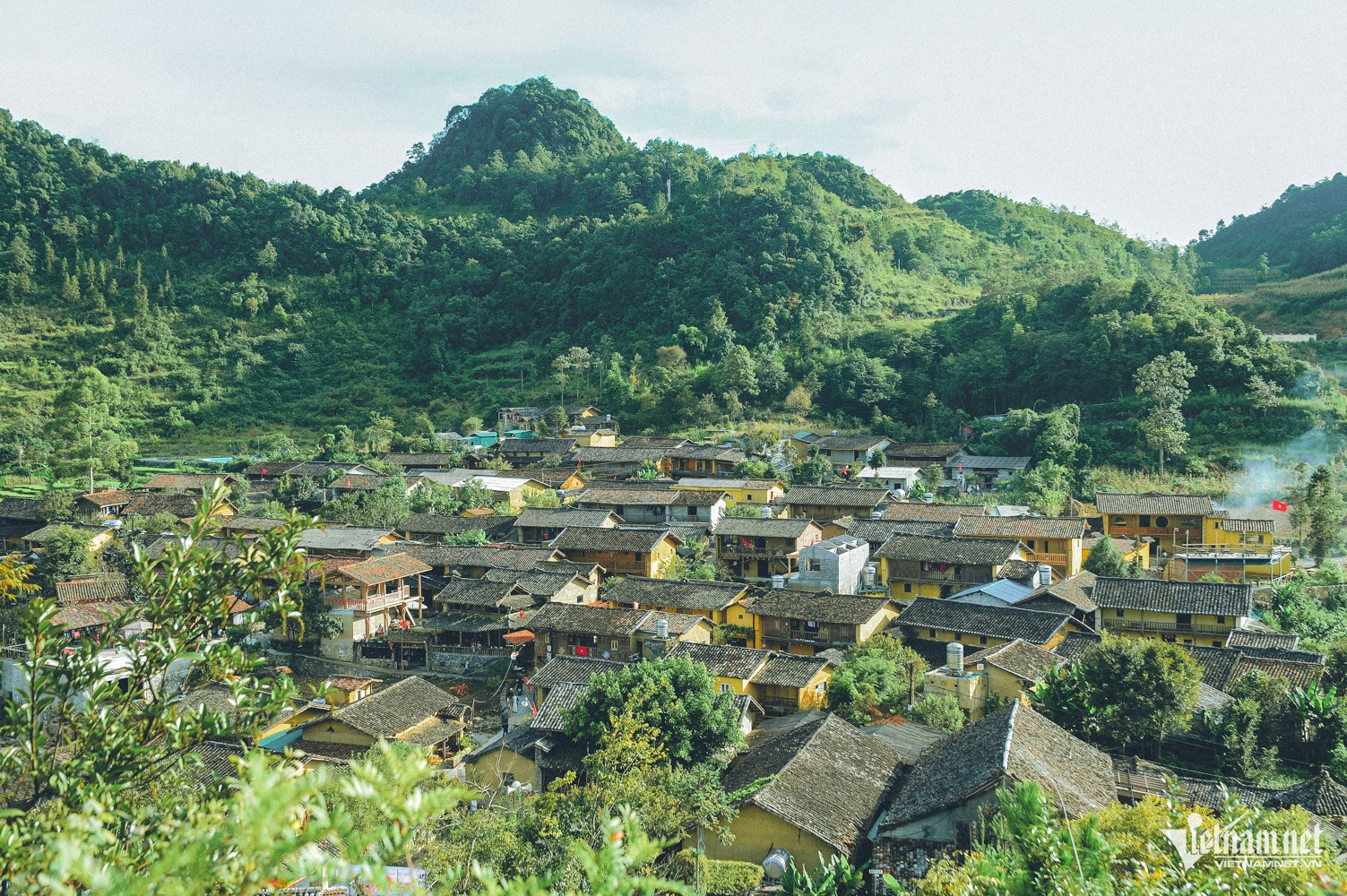
Lo Lo Chai was recognized by the United Nations Tourism Organization as one of the “Best Tourism Villages 2025.”
While northern Vietnam experiences intense summer heat in mid-June, several areas in Tuyen Quang Province - formerly part of Ha Giang - still enjoy cool and refreshing weather. Travelers can stay in and explore Lo Lo Chai and Then Pa villages, located at the foot of the Lung Cu Flag Tower.
Lo Lo Chai is home to more than 120 households, most of them belonging to the Lo Lo ethnic group. About half of the families operate homestays. The village’s traditional rammed-earth houses range from several decades to more than 200 years old.
Visitors to Lo Lo Chai can immerse themselves in the peaceful atmosphere and daily life of the Lo Lo people. Activities include weaving linen, planting corn, making traditional corn liquor and sampling local specialties such as thang co stew, smoked buffalo meat, bamboo rice and corn wine.

The peaceful village lies beneath the Lung Cu Flag Tower. Photo: Lang Then Pa - Then Pa Village
.svg)
