 Vietnamnet.vn

 Podcast



From Tan Canh Duong Beach in Hue and An Cuong in Quang Ngai to Phuoc Dong fishing village in Dak Lak and Bai Na in Khanh Hoa, these unspoiled coastal escapes offer travelers a quieter way to spend Vietnam’s Sept. 2 National Day holiday.
Tan Canh Duong Beach, Hue
Around 60 kilometers south of central Hue, Tan Canh Duong Beach lies in Chan May - Lang Co commune. According to VisitHue, the tourism information platform of the Hue Department of Tourism, the beach stretches for about eight kilometers between the western and eastern Chan May capes, with fine white sand, relatively sheltered waters and a clear blue sea.
Visitors say the broad, gently sloping beach, calm waves and exceptionally clear water make it particularly suitable for families with young children who want to camp and spend time by the sea. Several beachfront shelters provide places to relax and escape the midday sun.
Unlike many well-known beaches that have been heavily developed for tourism, Tan Canh Duong still has relatively few restaurants and accommodation facilities. What travelers get in return is a peaceful, clean stretch of coastline.
Visitors can combine a trip here with nearby Lap An Lagoon, a large brackish-water lagoon in the Hue region. Lap An is framed by the towering Bach Ma mountain range and the clear waters of Lang Co Bay, while a small road winds around the foot of the mountains beside the lagoon like a ribbon.
Those with more time can also visit Bach Ma National Park, Mo Stream and Cau Hai Lagoon.
An Cuong Beach, Quang Ngai
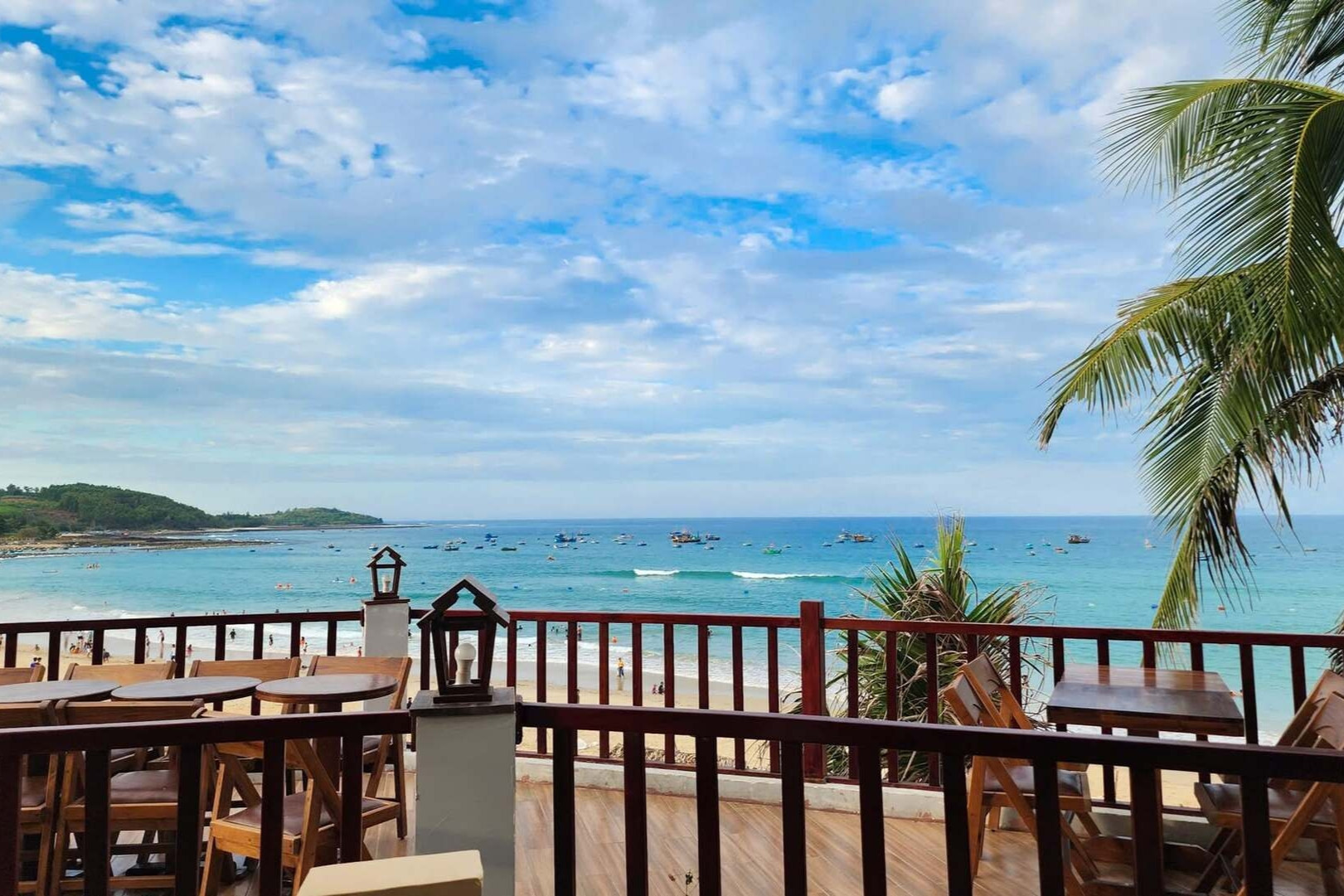

The unspoiled scenery of An Cuong Beach. Photo: Nguyen Quyet Thang
An Cuong Beach, in Van Tuong commune, Quang Ngai province, remains largely unfamiliar to tourists. Its shoreline is long, exceptionally wide and flat, with remarkably little litter. The seawater is clear and warm, and the waves are generally gentle.
Unlike many popular beach destinations, An Cuong still moves to the rhythms of a fishing village. In the morning, visitors can paddleboard across the calm water, join fishermen pulling in their nets or watch boats return to shore. By late afternoon, the beach becomes quieter, ideal for long walks along the sand. After dark, local residents often head out with flashlights to catch small crabs and other seafood along the shoreline.
Tourism, however, remains relatively undeveloped. An Cuong currently has only a handful of small homestays, while dining and entertainment options are limited. Many visitors rent rooms from local residents or pitch tents right beside the beach.
Located along the route from Quy Nhon toward Tam Ky and Hoi An, the beach makes a convenient one- or two-day stop for travelers seeking an unspoiled coastline away from the National Day crowds and a chance to slow down and experience the everyday life of a fishing community.
Phuoc Dong fishing village, Dak Lak
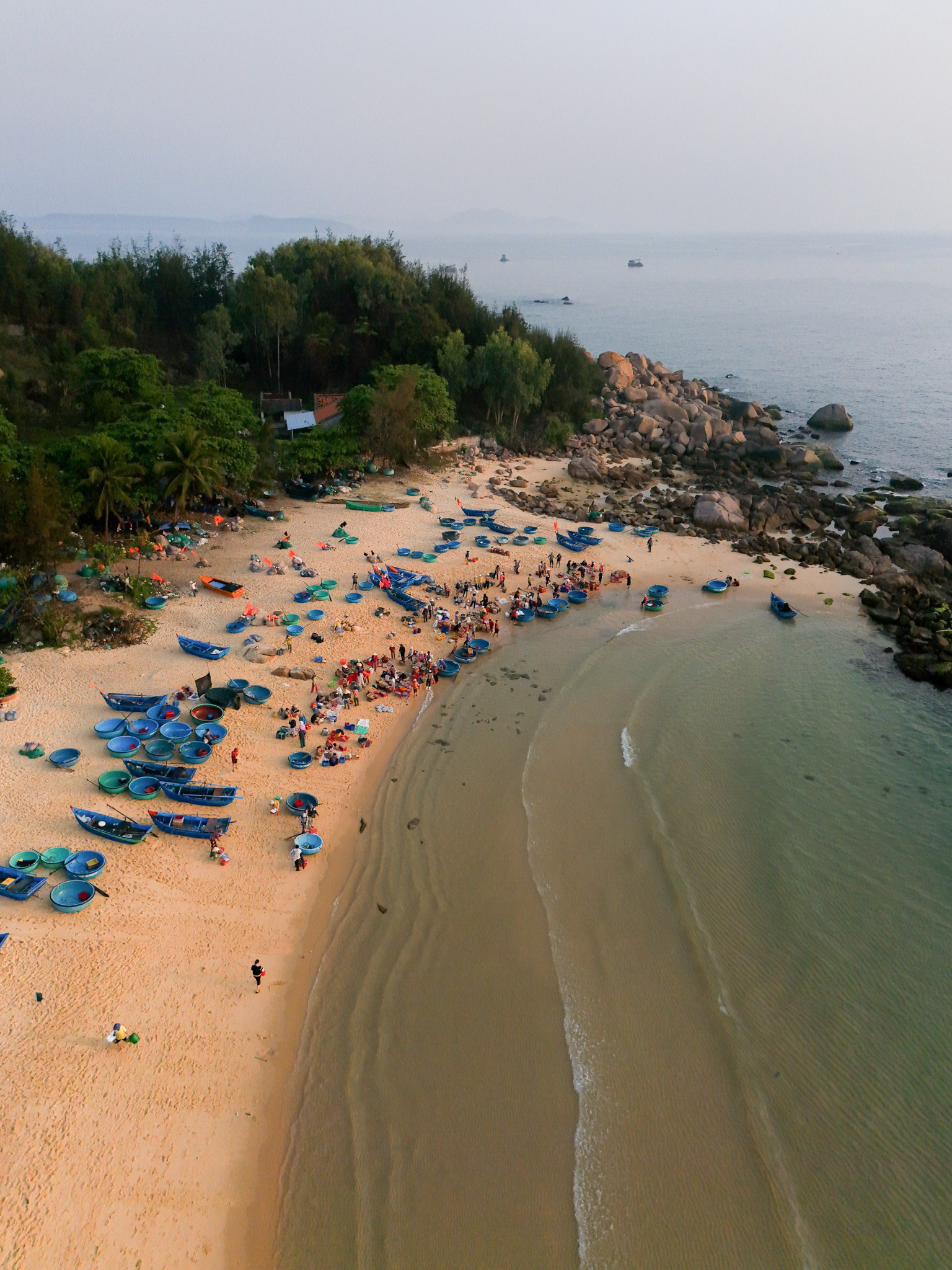
In recent years, Phuoc Dong fishing village and Mai Nha Islet in the O Loan area of Dak Lak have emerged as destinations for travelers drawn to rustic, untouched landscapes. The village is not far from several popular attractions in the former Phu Yen province, including Hon Yen, Bai Xep, Ganh Da Dia and Ong Cop wooden bridge, making it easy to combine several stops in one itinerary.
More homestays have appeared around the fishing village to meet growing visitor demand. Yet travelers often praise Phuoc Dong for retaining its unpretentious character rather than rushing toward commercialization, making it an appealing place to escape the city and embrace a slower pace of life.
Early in the morning, visitors can explore the village market and buy freshly caught squid, a local specialty. Street food is remarkably inexpensive, with banh xeo pancakes costing around VND5,000 ($0.19) each and bowls of noodles priced at VND10,000-15,000 ($0.38-0.57).
From the village, travelers can take a boat to Mai Nha Islet. Covering roughly 1.2 square kilometers, the small, pristine island has no permanent residents. Its attractions include crystal-clear water where the seabed is visible and striking rock formations scattered along the coast.
Bai Na, Khanh Hoa
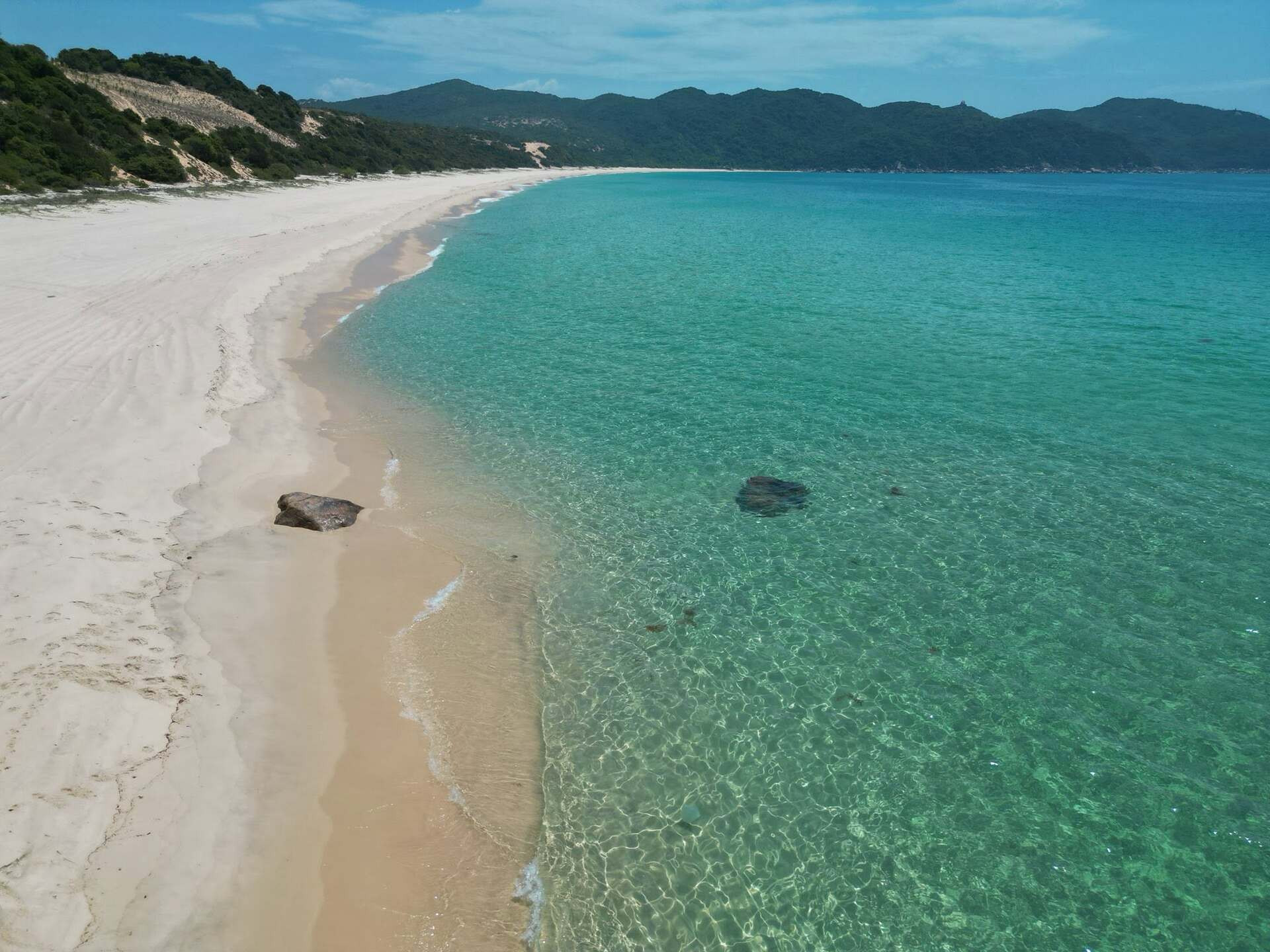
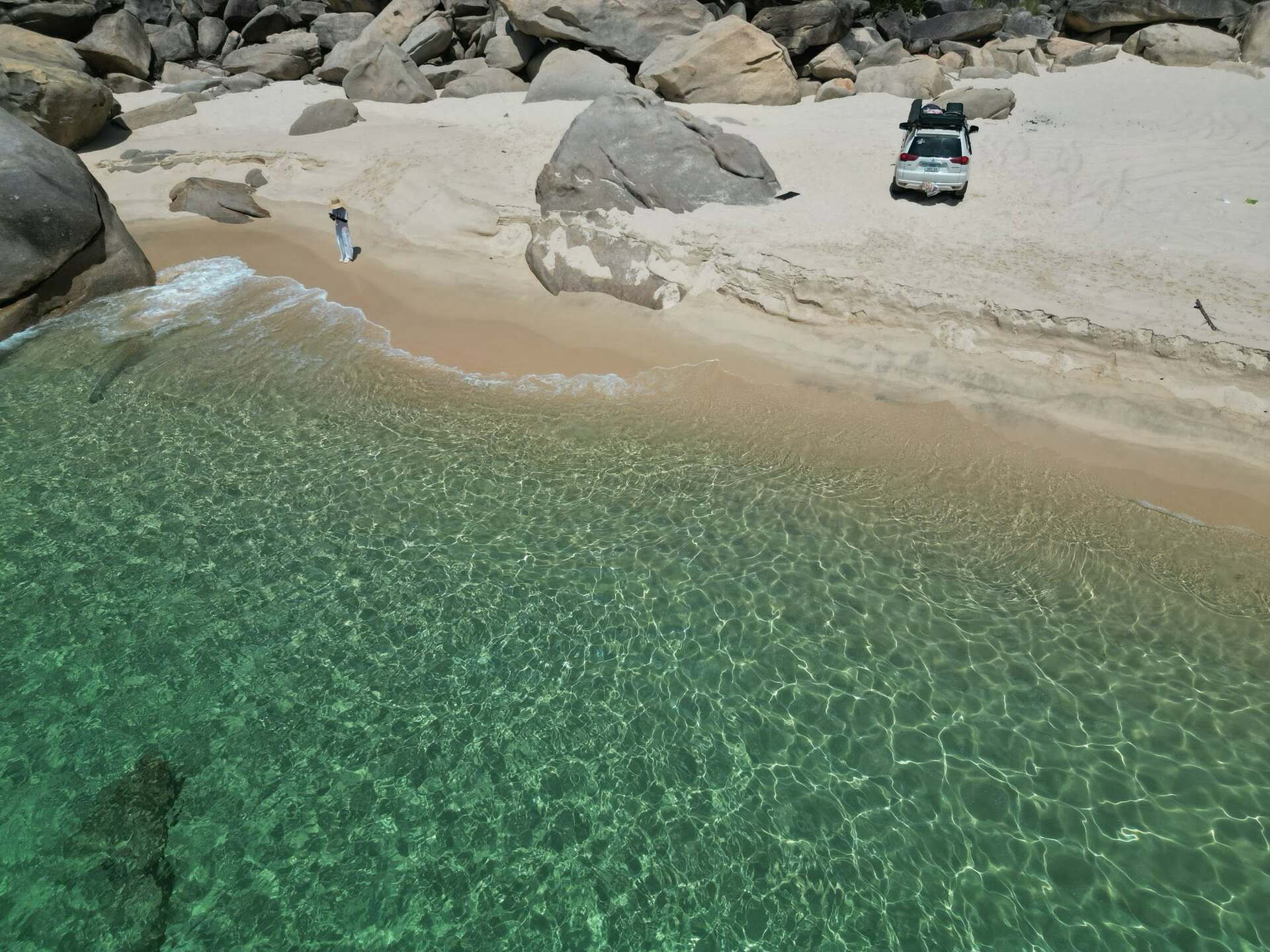
Bai Na remains an undeveloped beach without permanent lifeguards. Visitors should take extra care when swimming and exploring the area. Photo: Thuy Ninh
.svg)
