 Vietnamnet.vn

 Podcast



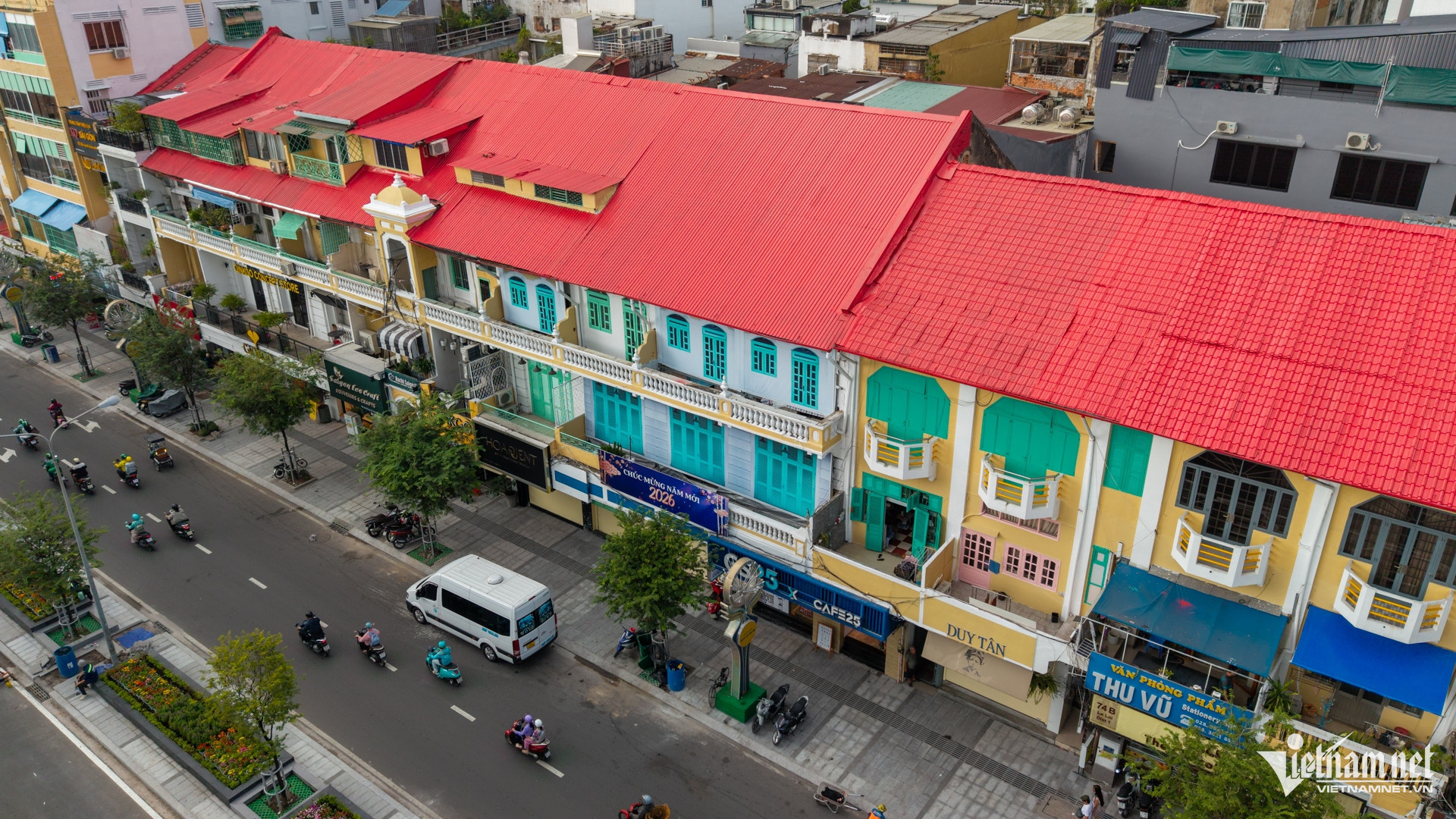
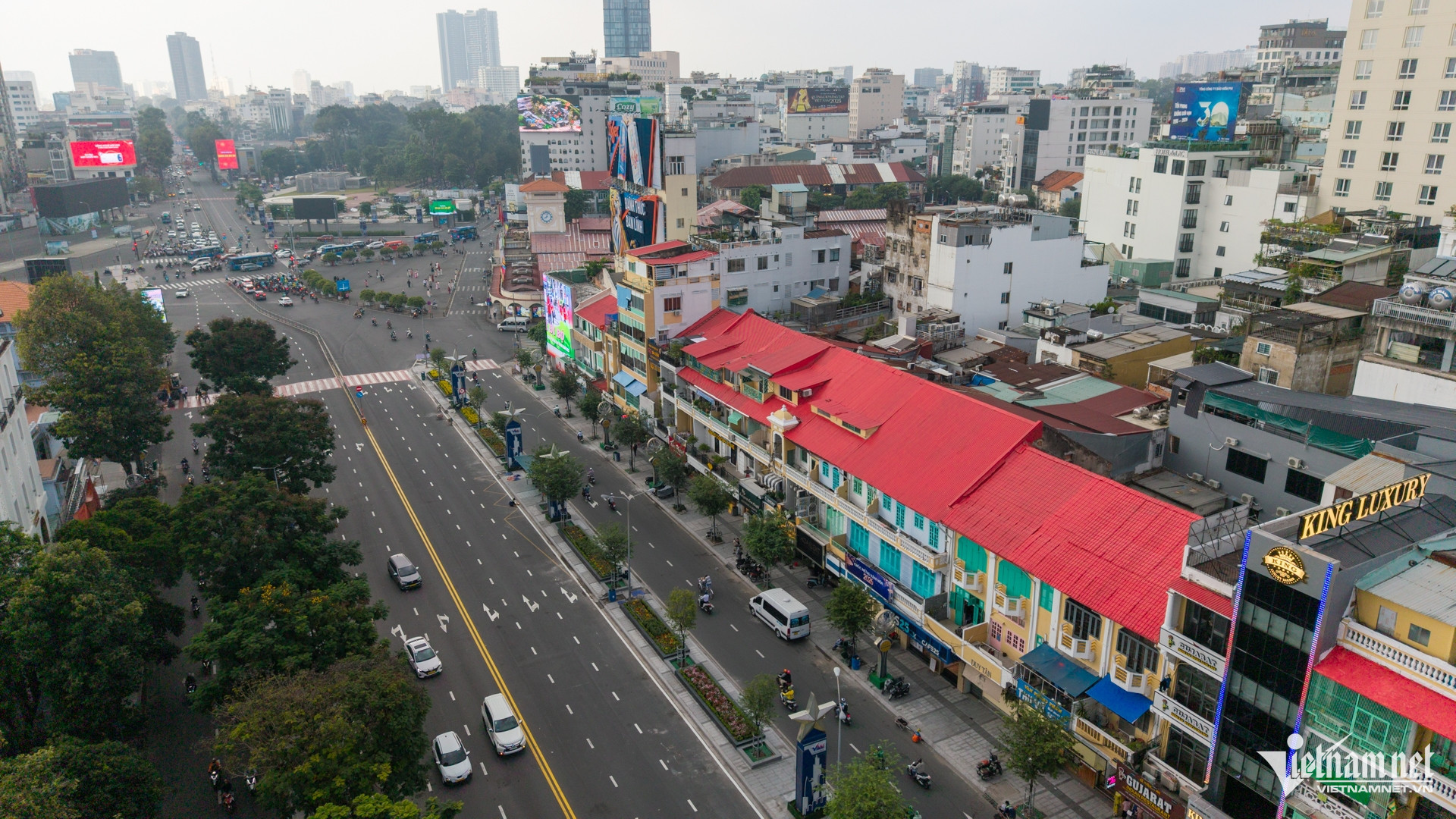
A row of century-old buildings on Le Loi Street, one of the most expensive and iconic stretches in the heart of Ho Chi Minh City, is being revitalized with a unified color palette, granite sidewalks, and modern landscaping - just in time for the New Year.
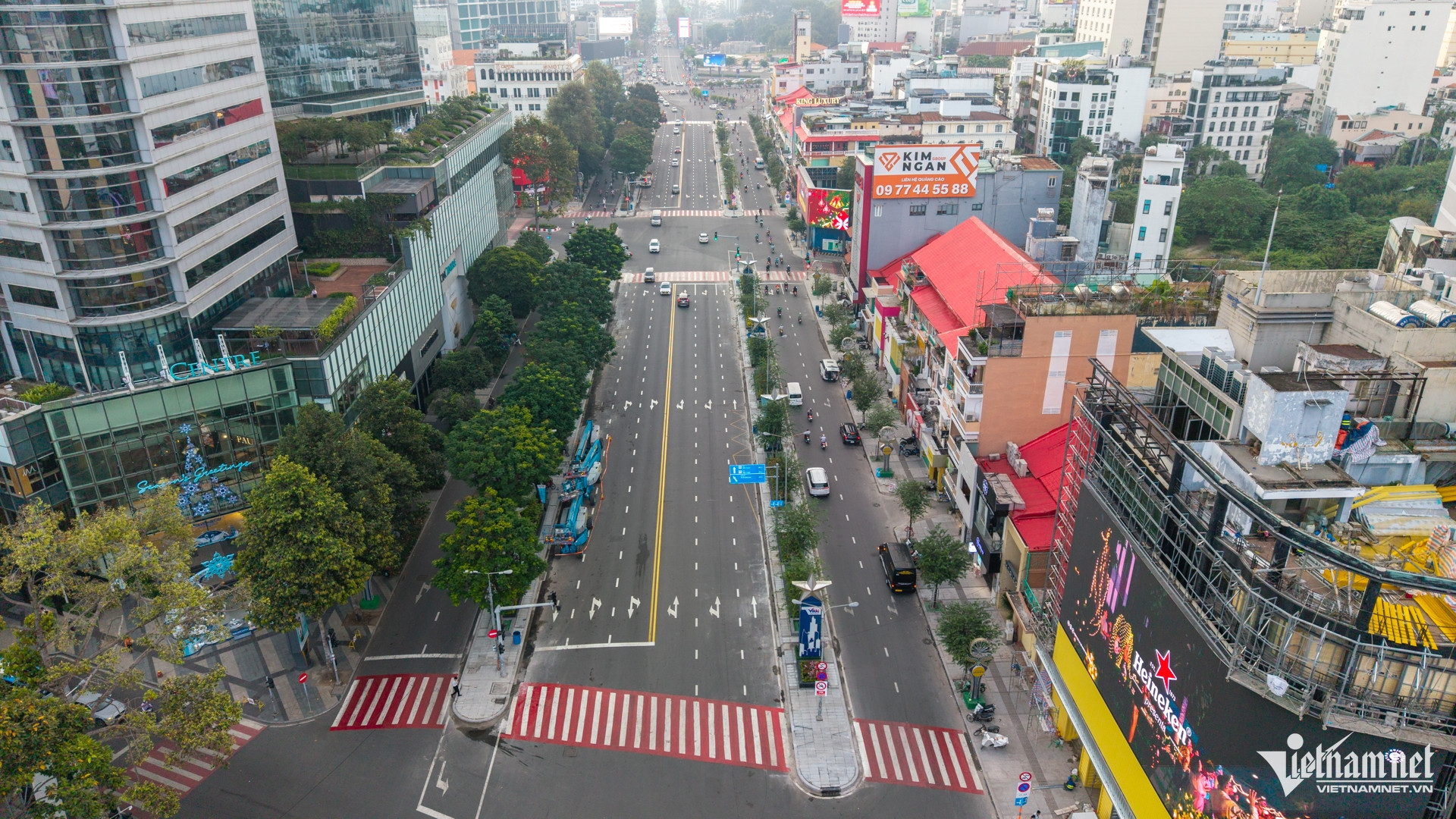
Since early December, the nearly 1-kilometer-long boulevard has been undergoing major upgrades. The restoration work focuses on the facades of French-era houses, the old Hoang Long restaurant complex, and the apartment building at No. 9 Lam Son Square.
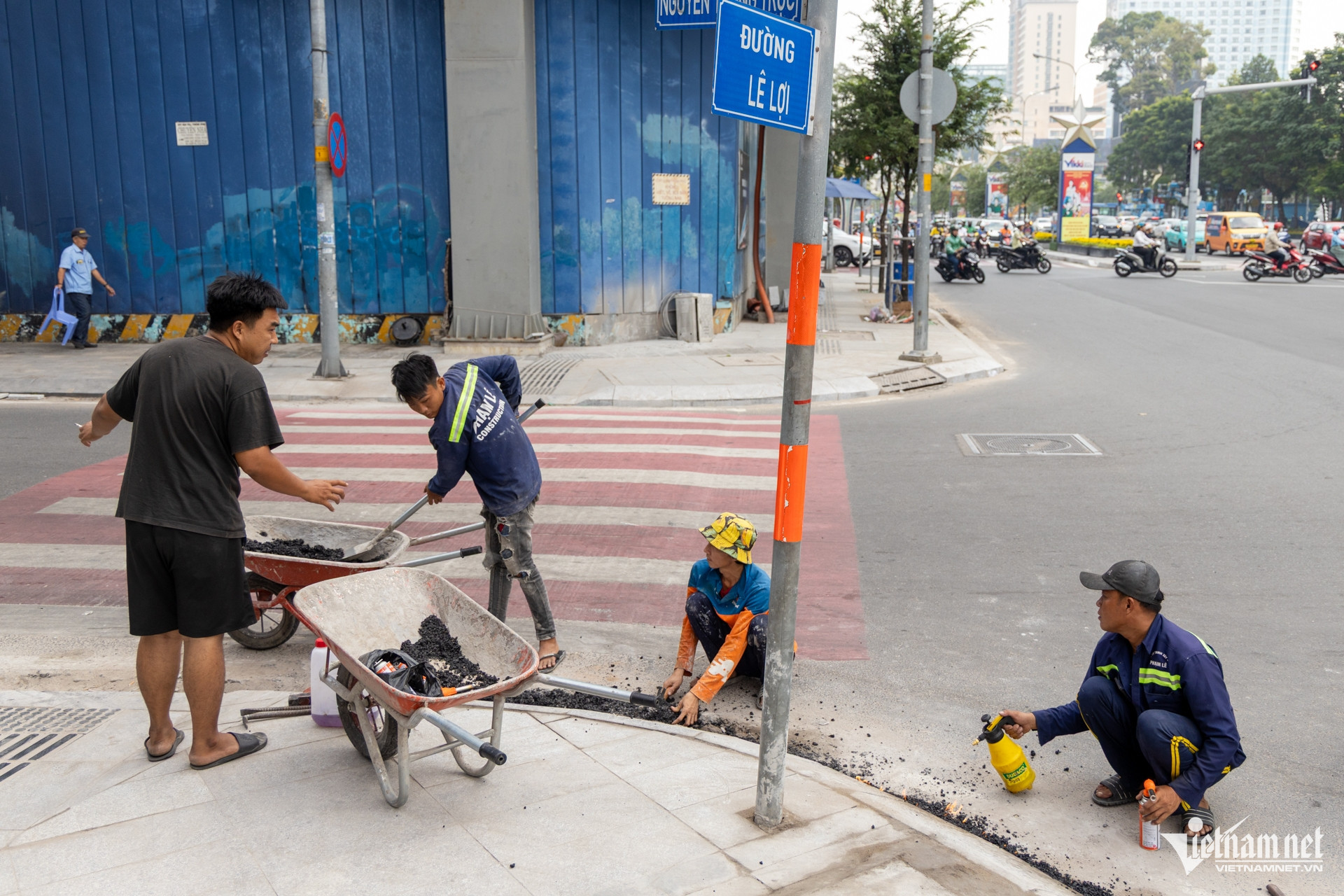
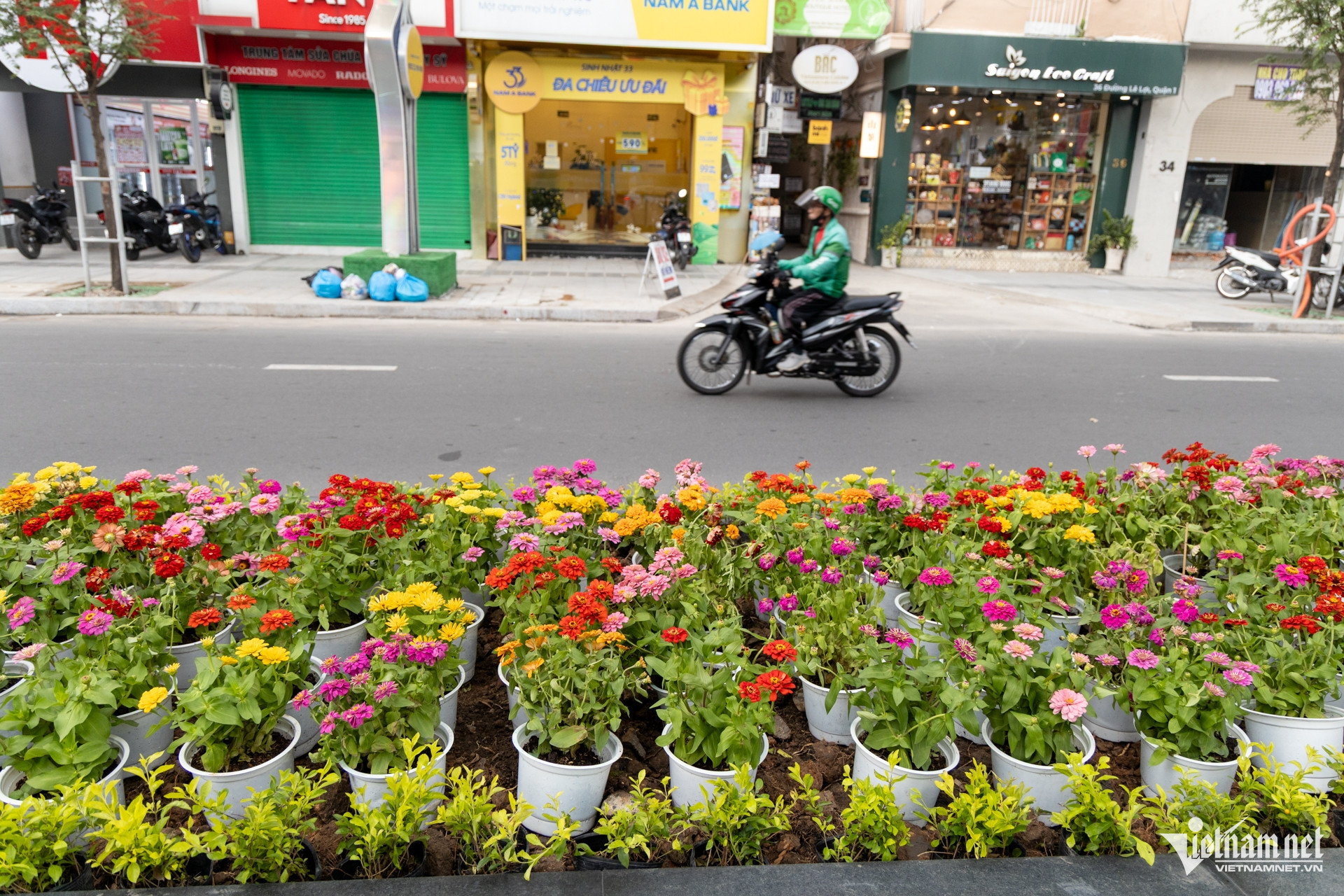
The improvements also include replacing the sidewalks with granite tiles, renovating center dividers with stone cladding, and adding new greenery for a more pleasant, walkable streetscape.
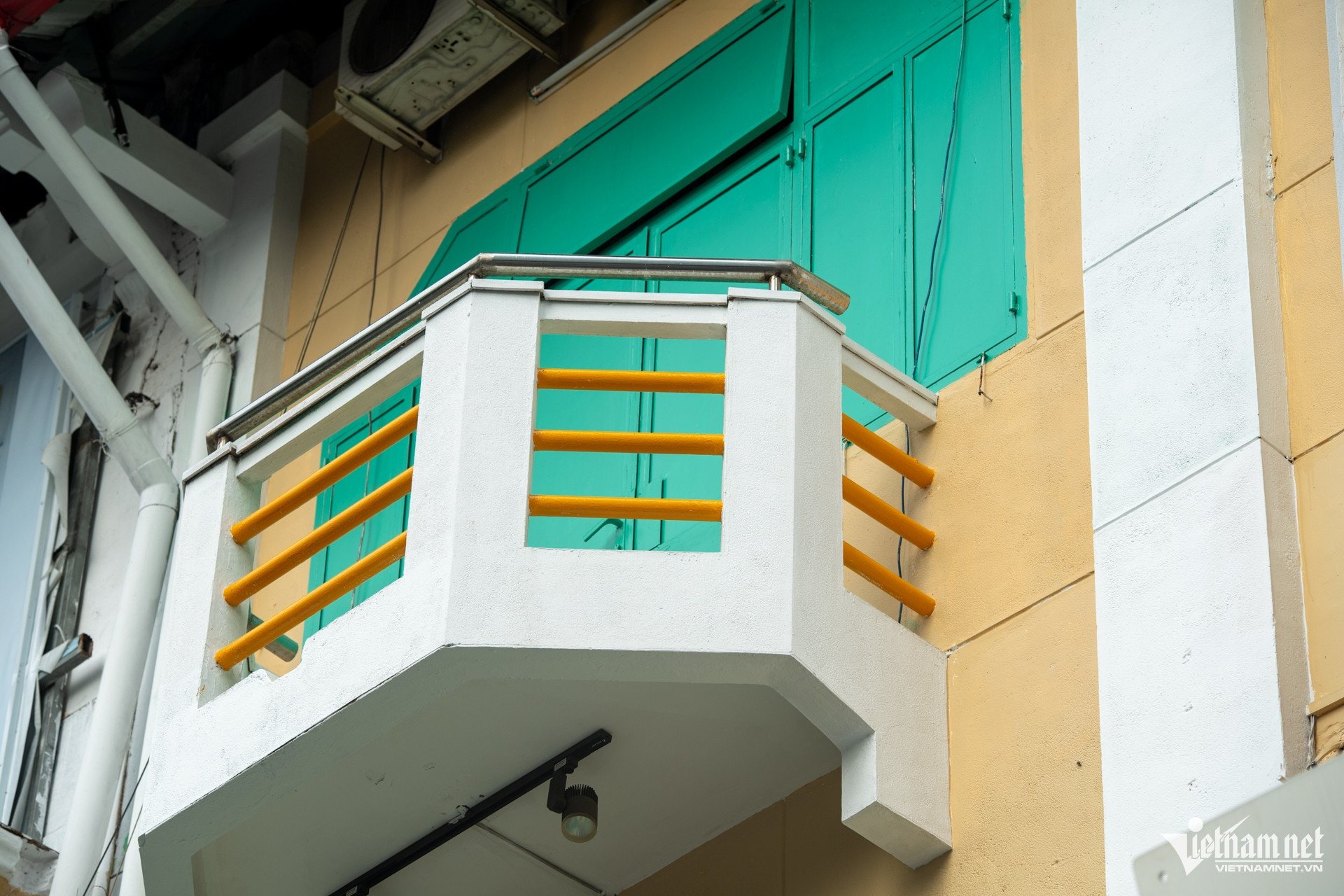
What draws particular attention is the restoration of colonial facades. These buildings, constructed in the early 20th century, are now being repainted in a cohesive color scheme, preserving their architectural charm while bringing a clean, refreshed look to the street. Despite the many ups and downs of time, the area remains a bustling commercial hub and a favorite stop for tourists visiting the city.
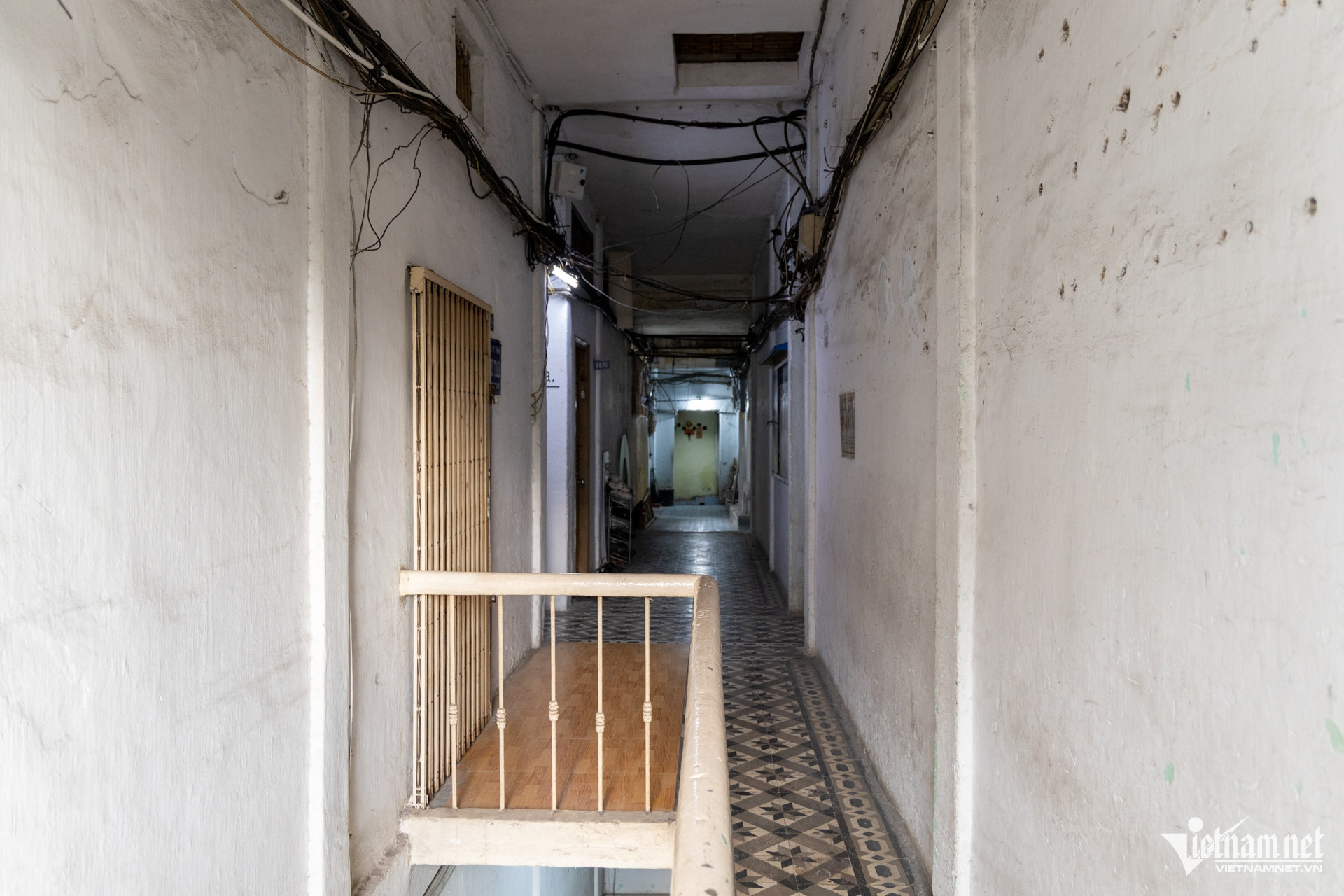
Inside these old buildings, many apartments remain structurally sound and continue to house dozens of families and businesses, adding to the street’s unique blend of history and vibrancy.
Workers are busy repainting shop signs and walls, breathing new life into once-faded storefronts.
Le Loi: A street of history and transformation
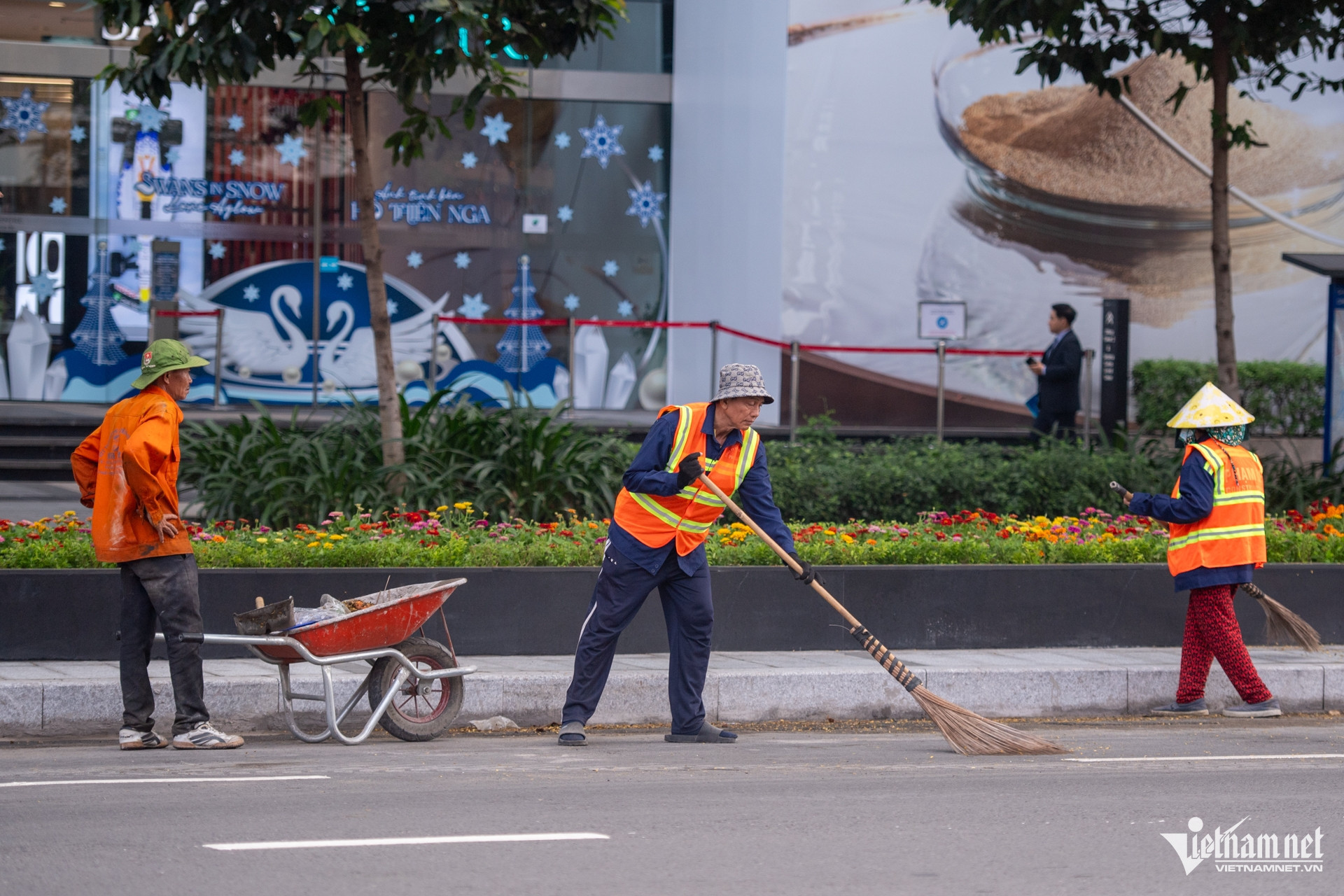
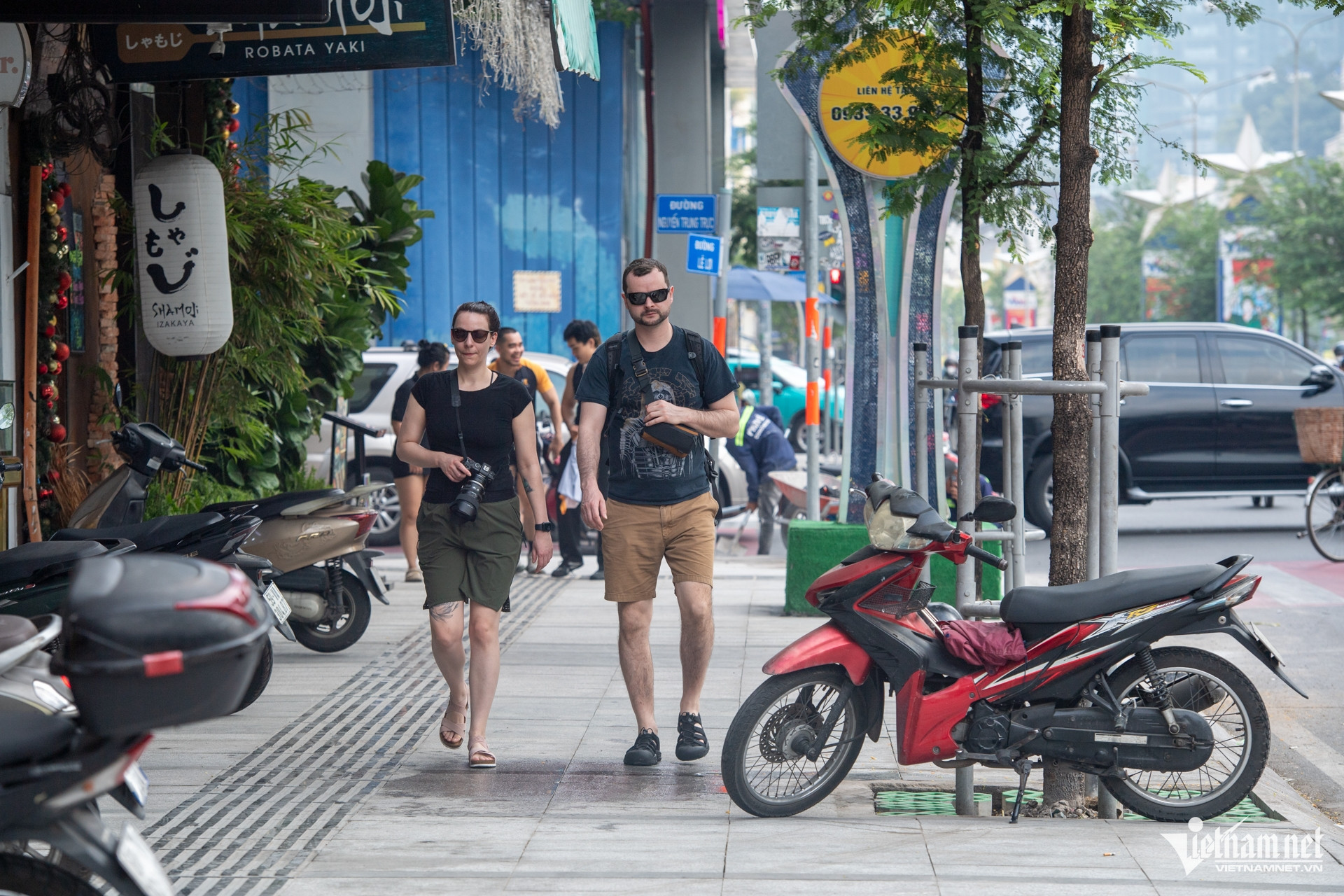
The sidewalks on both sides of Le Loi are now paved with polished granite, while the center median has been upgraded with sleek stone surfaces. Flower beds and trees have been added, enhancing both beauty and shade. Some sections of the renovation are already complete, revealing a more open and modern urban space than before.
According to the Ho Chi Minh City Department of Construction, Le Loi is one of the main arterial roads in the city center and frequently hosts major events. It serves as a cultural and commercial symbol of the city, welcoming thousands of tourists and locals alike.
Originally named Boulevard Bonard during the late 19th and early 20th centuries, the road stretched from Pasteur Street to Mac Mahon Street (now Nam Ky Khoi Nghia Street). Over time, it became a vibrant economic axis, once known as the commercial heart of Saigon. In 1955, the street was officially renamed Le Loi.
Urban renewal follows years of construction disruption
For years, sidewalks along Le Loi were fenced off to accommodate the construction of the Ben Thanh – Suoi Tien metro line. With the completion of Ben Thanh Station and Municipal Theatre Station, the street surface was only fully returned in 2022, allowing business activities along the route to gradually recover.
Now, beneath the newly renovated boulevard lies an important underground transit hub, while above ground, the city has planted more trees and added shade, making the area friendlier for pedestrians and more attractive for tourism and commerce.

Tuan Hung
.svg)
