 Vietnamnet.vn

 Podcast



Ha Nam
Known for generations as the home of bánh in (in cake) - a soft, pressed rice cake essential to Tet (Lunar New Year) celebrations across Central Vietnam - An Lac village transforms each lunar December into a hive of activity. Families here work through the night to fulfill seasonal orders, producing tens of thousands of cakes to grace ancestral altars and New Year feasts.
Currently, over 20 households in An Lac maintain year-round connections to the craft. As the year-end high season arrives, many more pitch in, either taking custom orders or doing piecework for larger producers to earn extra income.
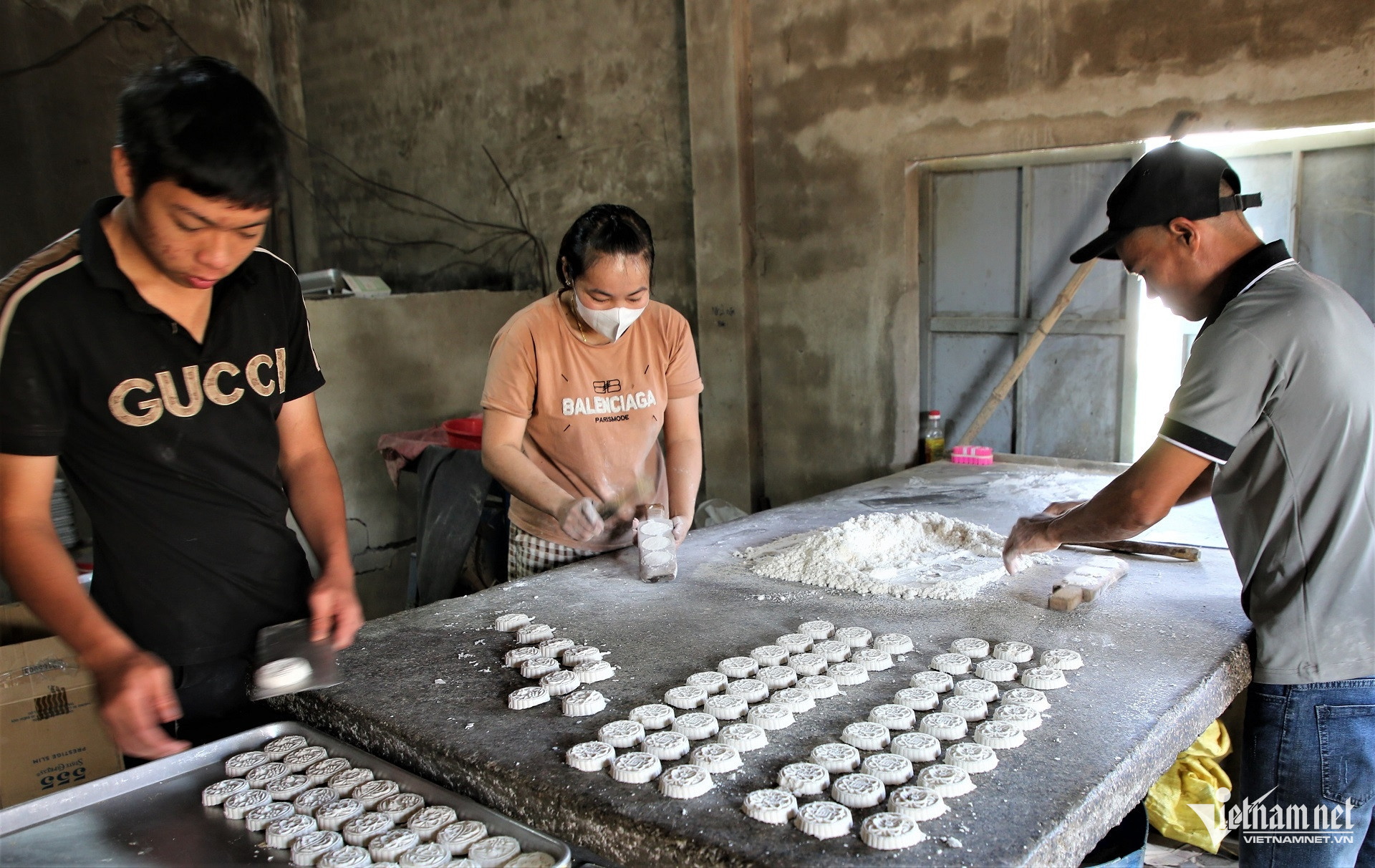
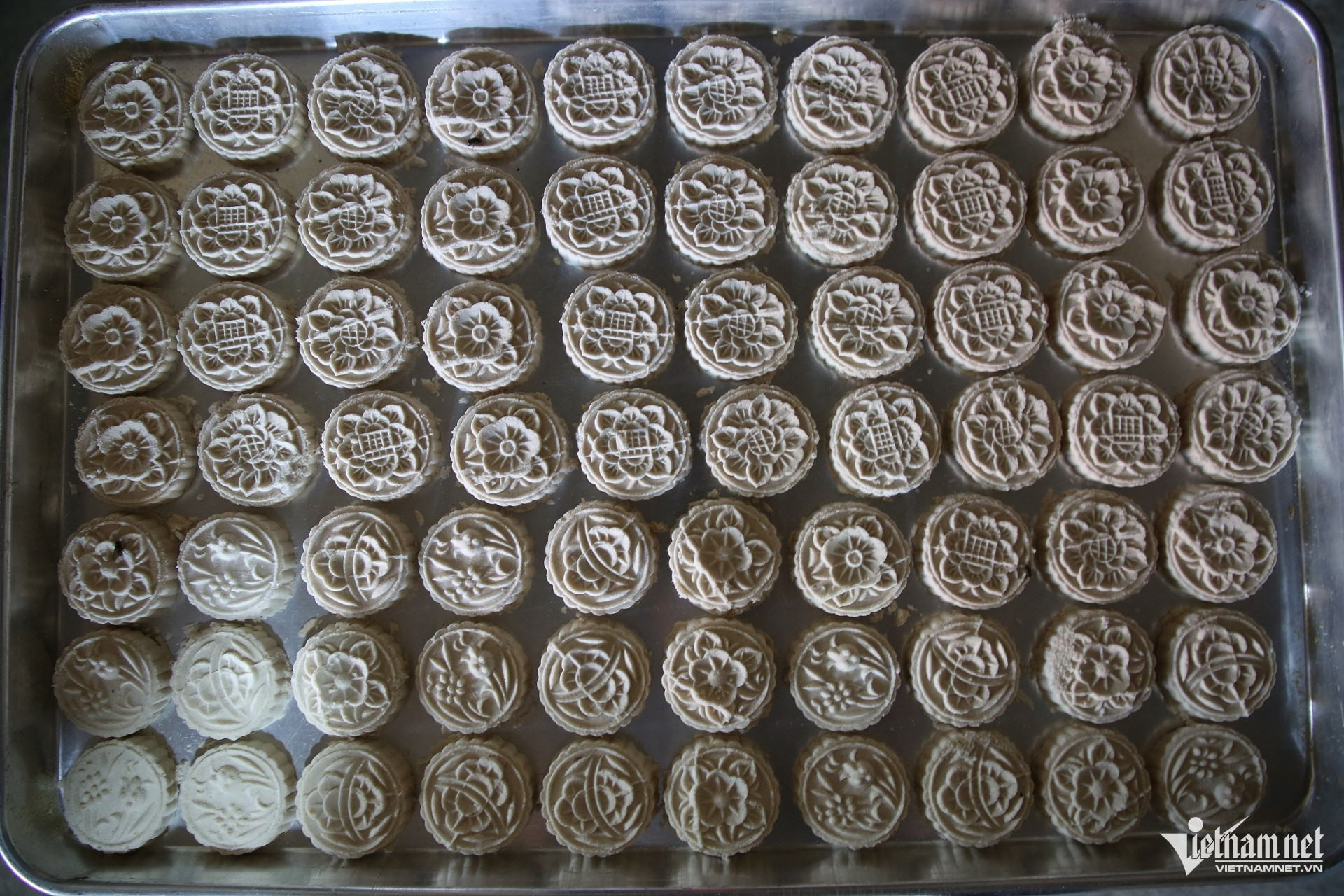
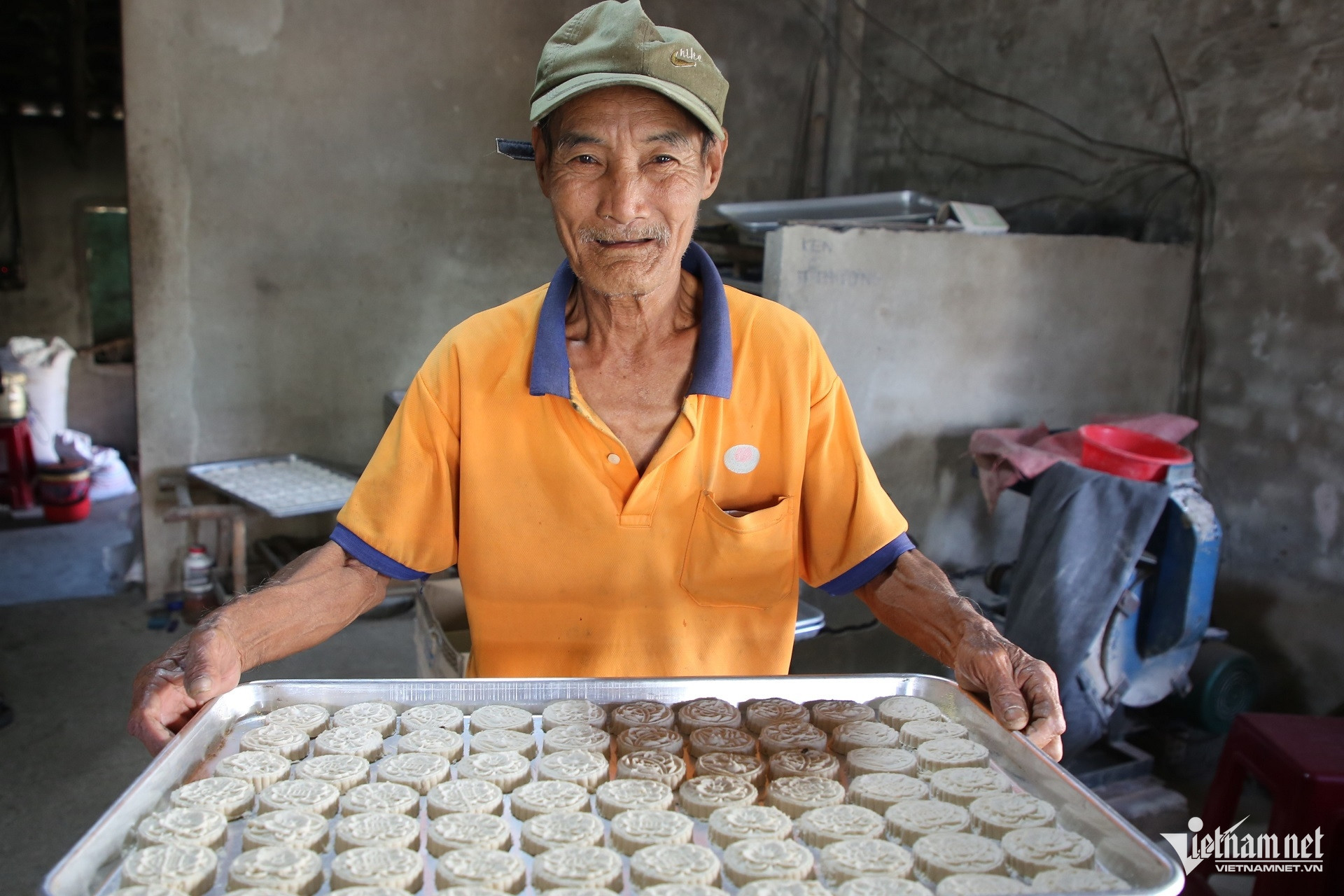
At 65, Vo Thi Hoi has been shaping cakes for decades. Her family’s workshop has become one of the village’s most recognizable, its output reaching up to two tons each Tet season.
“We only make bánh in this time of year - from the start of lunar December until just before New Year’s Eve,” she says. “The ingredients are simple: glutinous rice flour, mung beans, white sugar, and a hint of vanilla for aroma. Once the sugar syrup reaches the right consistency, it’s blended into the flour, packed into decorative wooden molds, then air-dried.”
Hoi’s team includes seven people, with both family members and seasonal workers. When orders pile up, they start as early as 2 a.m. and continue late into the night to stay on schedule.
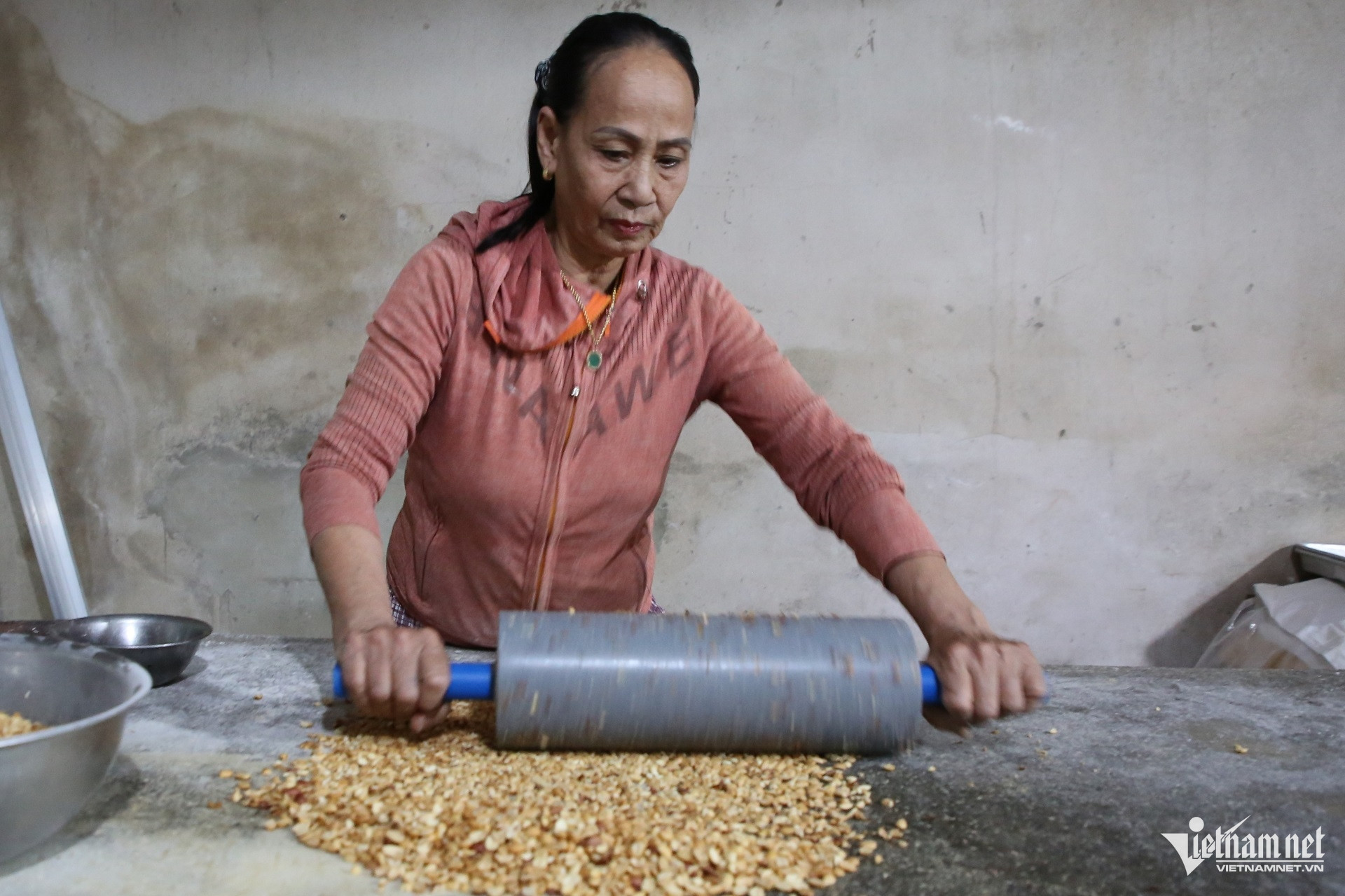
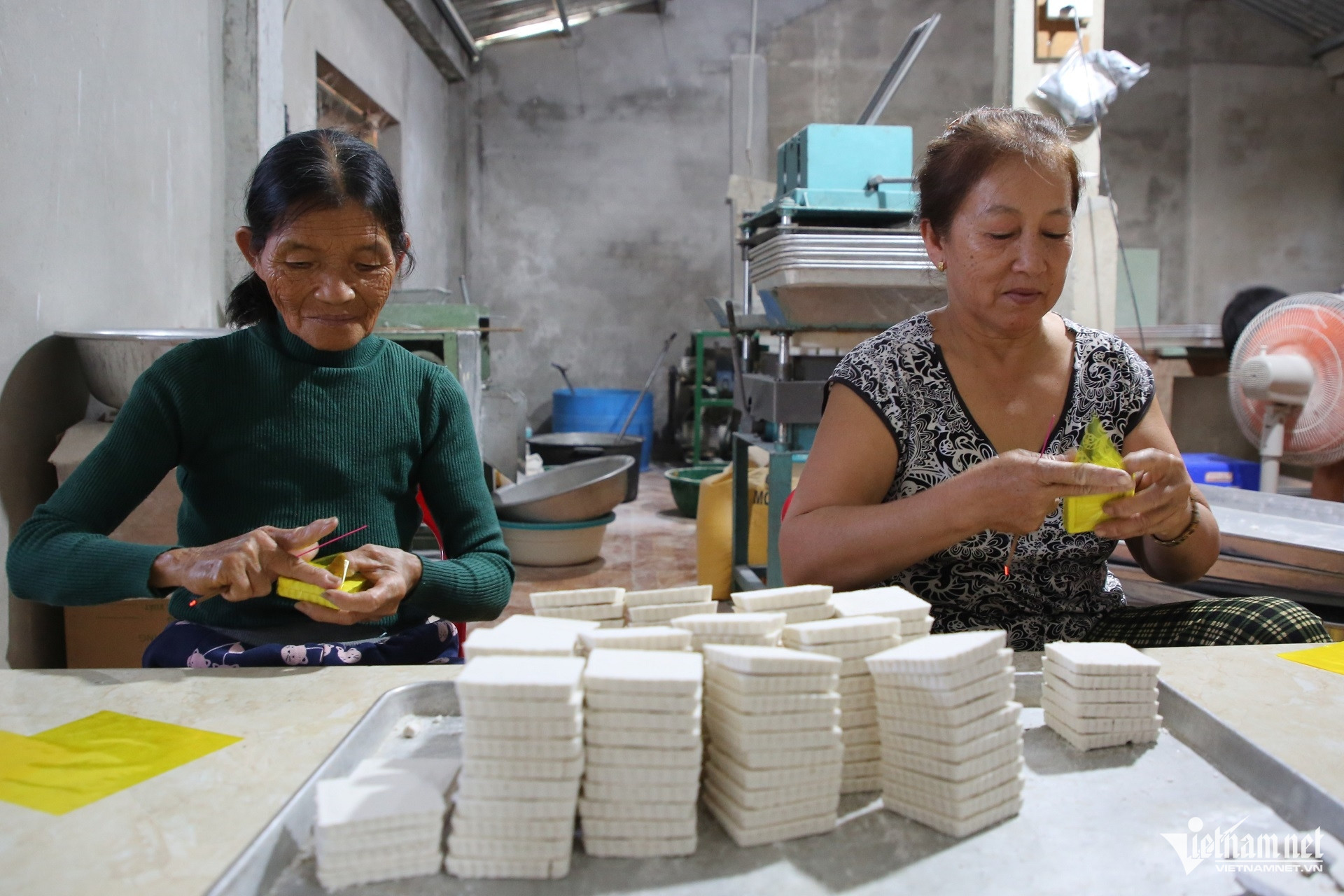
Nearby, 72-year-old Dang Xuan Cam is carrying on the craft as part of the family’s third generation in bánh in making. His household expects to produce around three tons this season - mostly mung bean and glutinous rice varieties.
“Every year around this time, wholesalers come in with big orders,” he says. “Our whole family - including kids and grandkids - has to pull all-nighters to meet demand.”
His daughter, Dinh Thi Cam, a garment worker by trade, took two weeks off to help with the family business. “We were afraid this year would be slow due to the economy and recent storms, but orders are up. At times we’ve even run out of stock,” she shared.
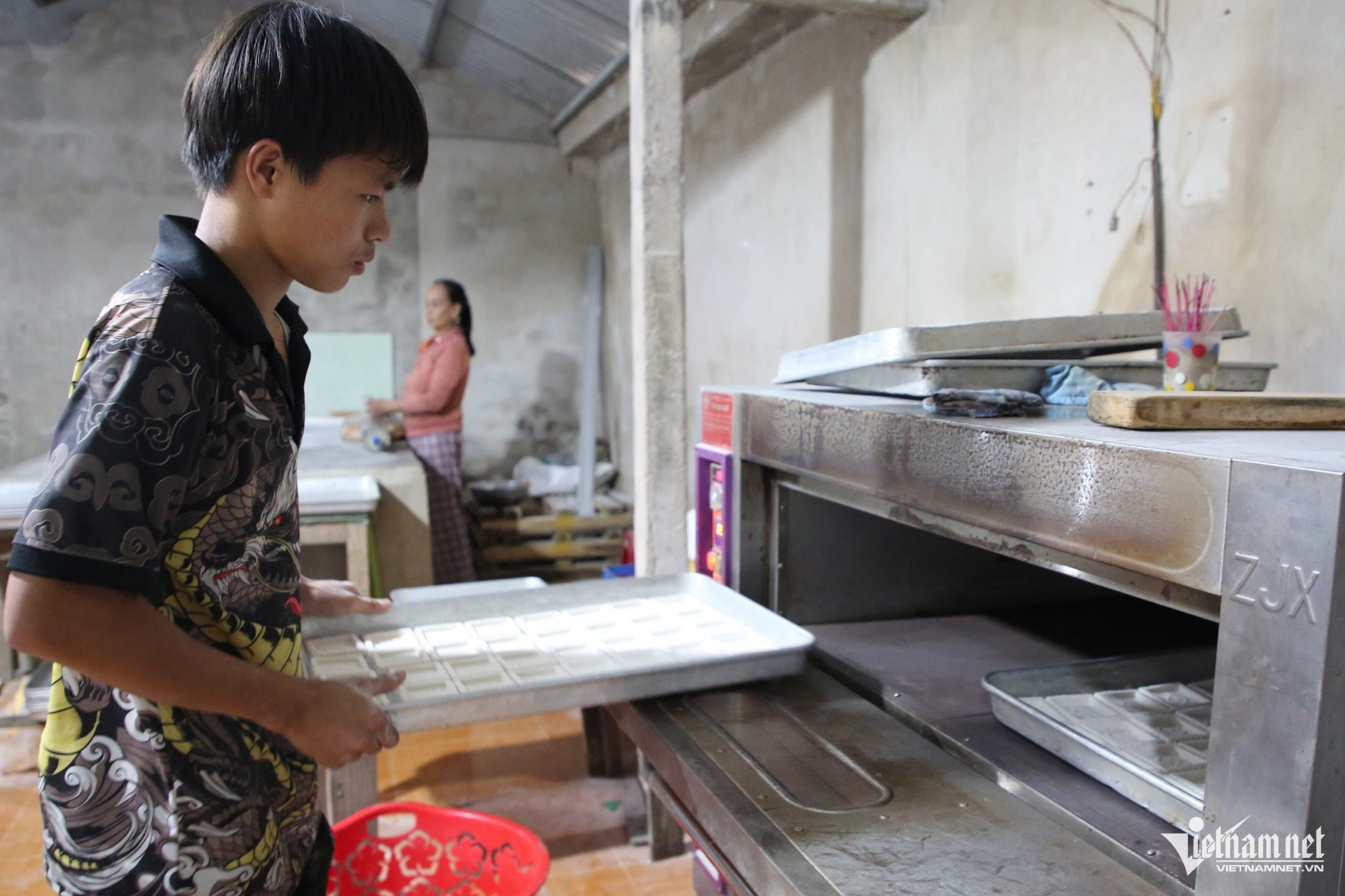
In recent years, households like Cam’s have started investing in electric dryers to replace traditional wood-fueled ovens. This not only ensures more consistent quality and appearance but also reduces labor intensity.
Prices for in cakes range from VND17,000 to 35,000 per pack (about $0.70 to 1.40), depending on variety. An Lac’s long-standing reputation for quality and authenticity has made it a favored supplier across provinces.
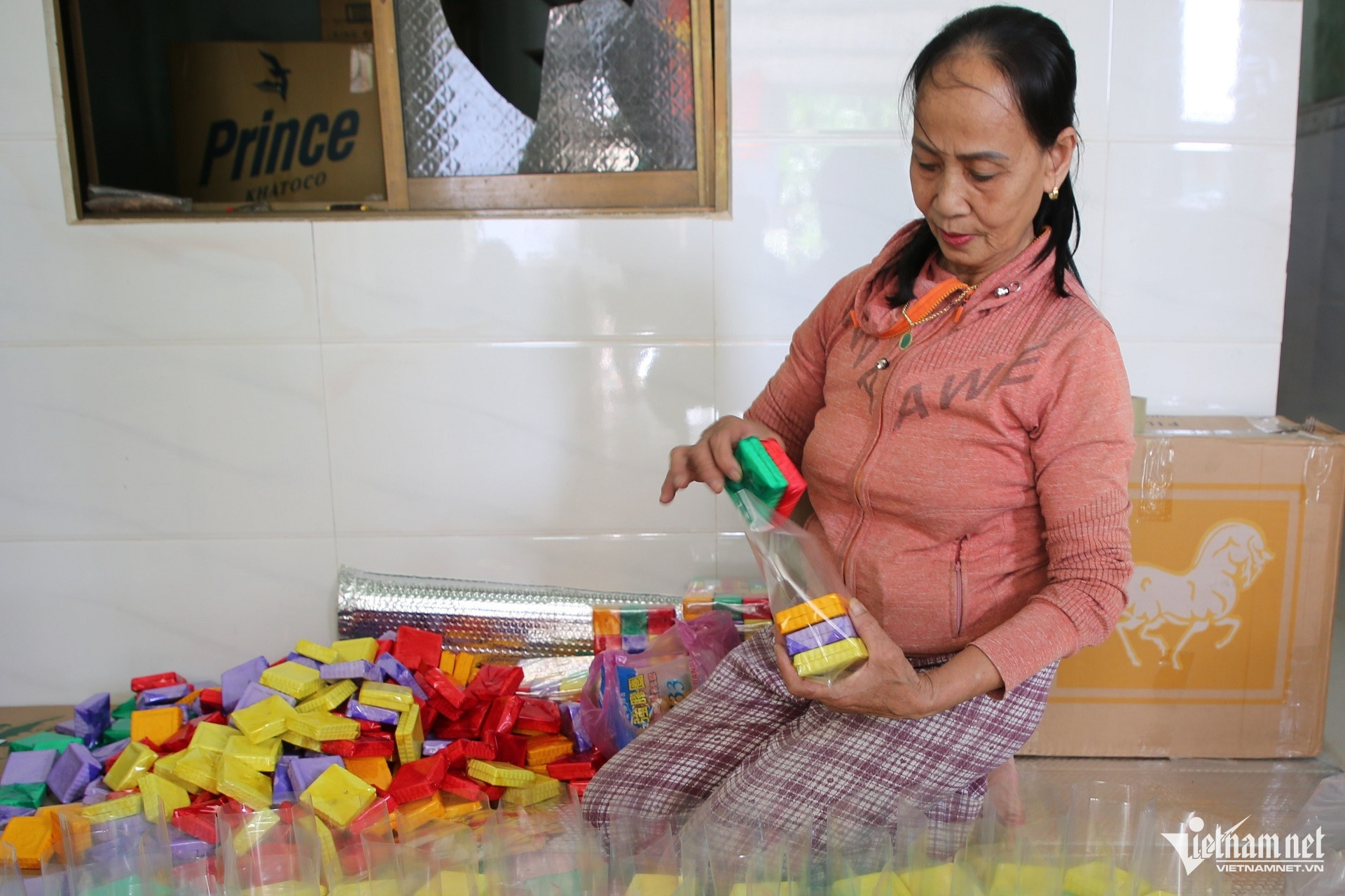
For workers involved in molding or packaging, daily earnings can reach VND200,000–300,000. Families running small-scale operations often earn several million dong during the month, making it a vital seasonal income stream.
Amid modern rhythms, the sound of wooden molds tapping through the night has become a quiet, cultural heartbeat. For the artisans of An Lac, each cake is more than food - it’s a tribute to ancestors, a symbol of home, and a labor of love marking the arrival of spring.
.svg)
