 Vietnamnet.vn

 Podcast



One of the world’s fastest-growing economies
Vietnam’s GDP grew by 8.02% in 2025, a figure among the highest globally. It marked the strongest growth since the post-pandemic rebound in 2022. Macroeconomic fundamentals remained stable, with average inflation contained at 3.31%, and little fluctuation in exchange and interest rates for most of the year.
The services sector, particularly tourism, recovered sharply, with nearly 21.2 million international visitors - an all-time high. Industry also gained speed, with the industrial production index rising 9.2%, the highest since 2019.
These figures reflect an improved economic resilience. But 2025 was far from a normal year. The Party and the State had anticipated difficulties early on, yet the reality proved even harsher.
Globally, economic instability persisted, with protracted geopolitical conflicts and an unsettled supply chain. Domestically, extreme weather events - including historic storms and floods in the Central and Central Highlands regions - wreaked havoc on livelihoods, infrastructure, and local communities.
Against that backdrop, Vietnam’s ability to sustain high growth and macro stability deserves recognition. Yet if we stop at aggregate indicators, the picture lacks depth.
Sluggish household spending
A key question is: What were the real drivers behind the growth, and can they hold up as Vietnam targets an ambitious 10% growth in 2026?
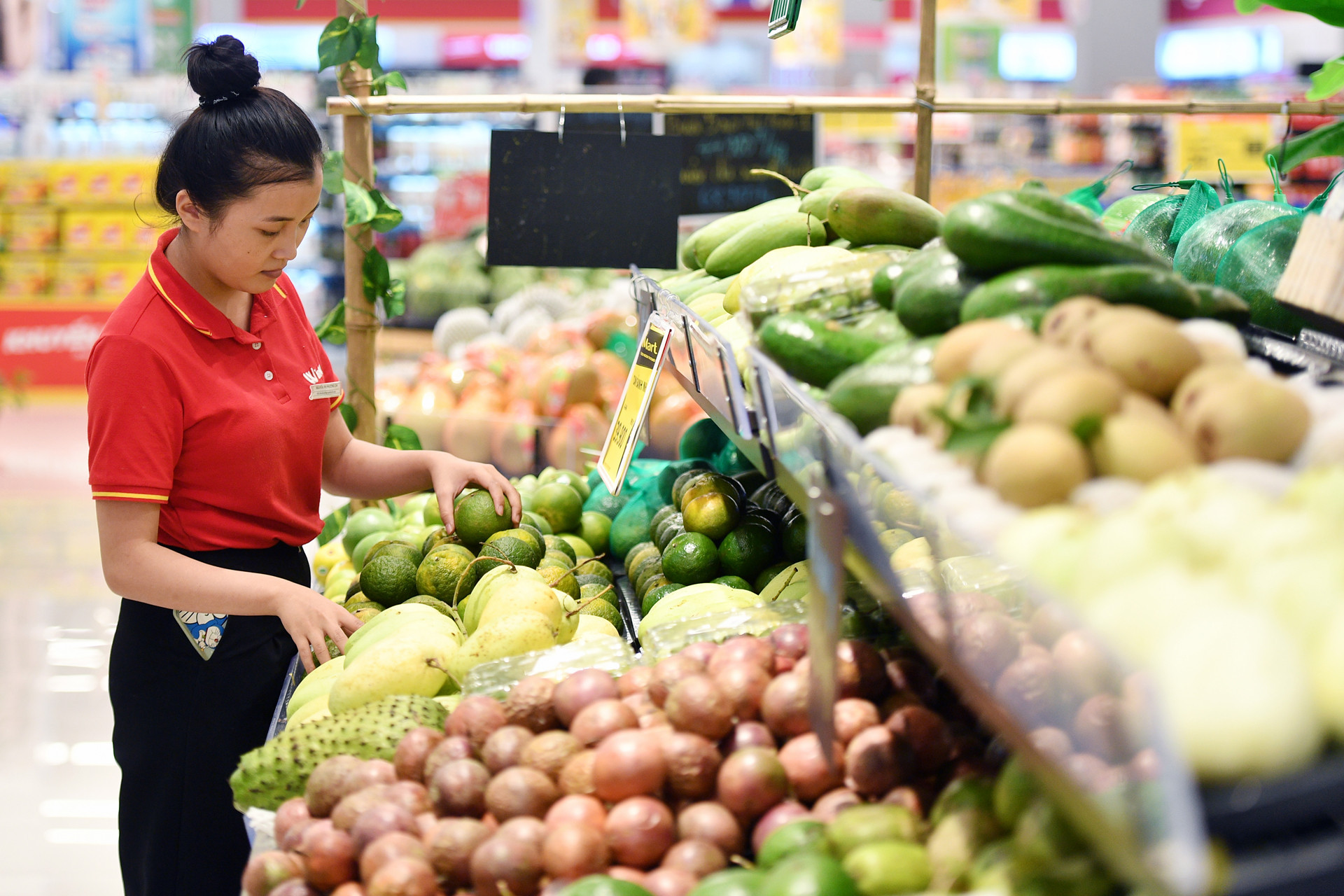
The first area of concern is domestic consumption. In a country of over 102 million people, household spending should be a key pillar. Yet 2025 exposed a paradox: strong GDP growth, but weak consumer recovery.
Retail sales and service revenues rose in nominal terms. However, after adjusting for inflation and administrative factors, real growth was only around 6.7% - barely above the 2024 level.
Multiple factors contributed. Income and employment for a large segment of the population recovered more slowly than expected. The year’s natural disasters disrupted livelihoods and forced many households to tighten spending. As a result, despite strong macro indicators, household consumption remained largely flat.
This growth trajectory in 2025 leaned heavily on public spending. While effective in the short term, it is not a sustainable foundation. Until consumer confidence and purchasing power are firmly restored, weak domestic demand will remain a critical bottleneck for 2026.
Public investment leads the way
The second driver was investment. Total social investment in 2025 exceeded VND 4.15 quadrillion (approximately USD 172 billion), a notable rise from the previous year. Public investment surged, with implementation growing over 26%. Major infrastructure projects progressed rapidly, creating ripple effects across sectors like construction materials, logistics, and related services.
FDI disbursement reached USD 27.62 billion - the highest in five years.
However, the structure of investment reveals less promising signs. State-led investment accounted for nearly 30% of the total, growing by almost 20%. FDI rose by over 11%. But private domestic investment rose by only 8.4%, signaling a slower-than-hoped recovery in what is expected to be the long-term engine of the economy.
The government’s push for public investment was clear. Yet fast disbursement doesn’t always translate to effective outcomes. Many projects remain scattered and lack strategic focus. Mechanisms to engage the private sector remain insufficient to drive innovation and productivity gains.
Private sector investment, meanwhile, remains cautious - reflecting uncertainty over market outlooks and capital costs.
FDI dominates exports
The third pillar of growth was external trade, long regarded as Vietnam’s growth locomotive. In 2025, total trade reached over USD 930 billion - a new record.
But bigger volumes do not guarantee higher efficiency. Vietnam’s trade surplus has been shrinking in recent years, even as total trade grows. The declining ratio of trade surplus to total exports indicates that net export contributions to GDP are waning.
More troubling is Vietnam’s growing dependence on FDI firms and a narrow set of markets. FDI enterprises accounted for 76% of exports in 2025 - much higher than a decade ago.
The country also relies heavily on two markets: the U.S. accounted for over 32% of exports, while China made up more than 40% of imports. Any policy shifts in these markets could send shockwaves across Vietnam’s economy.
Monetary expansion adds pressure
These risks became more pronounced toward the end of 2025. Interbank rates stayed high, capital mobilization tightened, and commercial banks raised deposit rates to 7–8% per year. Government bond issuance also lost momentum, signaling growing pressure to secure funding for public investment and budget balance.
One way to see the accumulating stress is through monetary policy. As of December 22, 2025, broad money supply had increased nearly 15% from a year earlier - well above the previous year’s pace. Bank deposit growth hit 13.68%, while credit growth reached 17.65%, far exceeding the 13.4% growth seen at the same point in 2024.
This reflects a deliberate push to inject liquidity and sustain growth. But it also raises concerns over future inflation, exchange rate pressure, and macro stability. When credit grows faster than deposits, monetary policy space narrows - especially as Vietnam steps into 2026.
Can Vietnam grow fast and grow strong?
Vietnam’s 8.02% growth in 2025 is commendable. It served as a kind of stress test for the economy, as the country gears up for a historic goal: 10% annual growth - unprecedented in its economic history.
But if growth continues to rely heavily on public spending, FDI, and exports - while domestic consumption remains weak and private sector recovery lags - then growth momentum may soon hit its limits.
The challenge ahead is not just to sustain high growth, but to restructure the growth model for long-term resilience: restore consumer confidence and spending power, improve investment quality, reduce dependency on FDI and foreign markets, and, most critically, enhance the economy’s internal strength.
Vietnam has shown in 2025 that it can accelerate when needed. The question now is whether it can also stay the course and run the long race toward sustainable 10% growth.
Tu Giang
.svg)
