 Vietnamnet.vn

 Podcast



Returning home from war with no land, no savings and a permanent disability, Le Van Yem, a former soldier in Thanh Hoa Province, and his wife built a life from scratch in the forest.
More than four decades later, their extraordinary determination has been rewarded: all seven of their daughters have graduated from university.
In My Re neighborhood, Nhu Xuan Commune, three neighboring multi-story houses now stand as a testament to the family's journey. They belong to three of Yem's daughters, whose success reflects decades of sacrifice by their parents.
Today, Yem, 70, smiles warmly when speaking about his family. Few would guess that he is a war veteran with a 51% disability, sustained during years of military service.
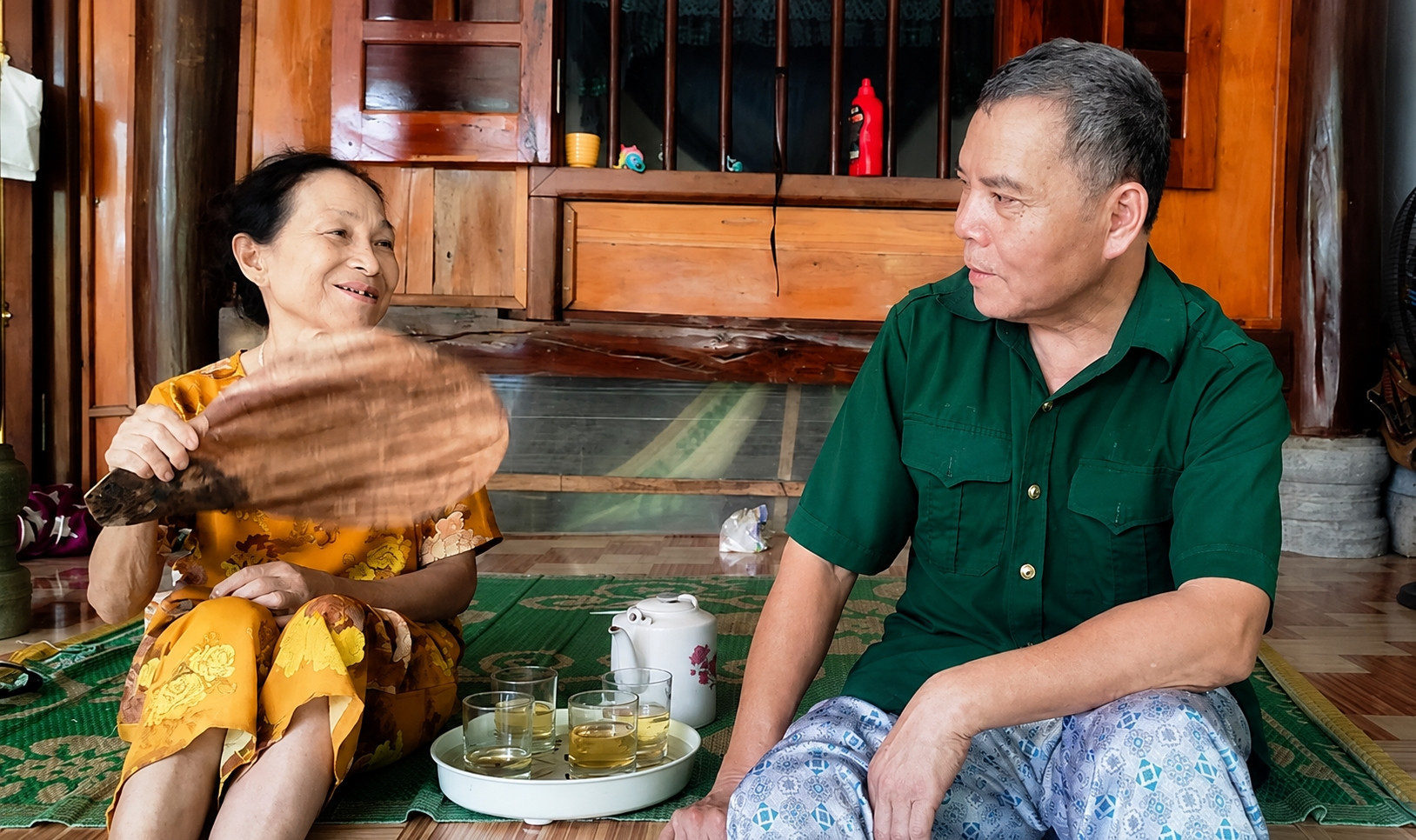
Yem said he enlisted in the military in 1974 and fought in the Ho Chi Minh Campaign. After Vietnam's reunification, he continued serving in Cambodia on an international mission.
He was seriously wounded in combat, returned home for treatment and was eventually discharged because of declining health. The injuries remained with him throughout his life, but they never broke his determination.
After marrying Le Thi Hong, the young couple faced one hardship after another. As their seven daughters were born, poverty deepened.
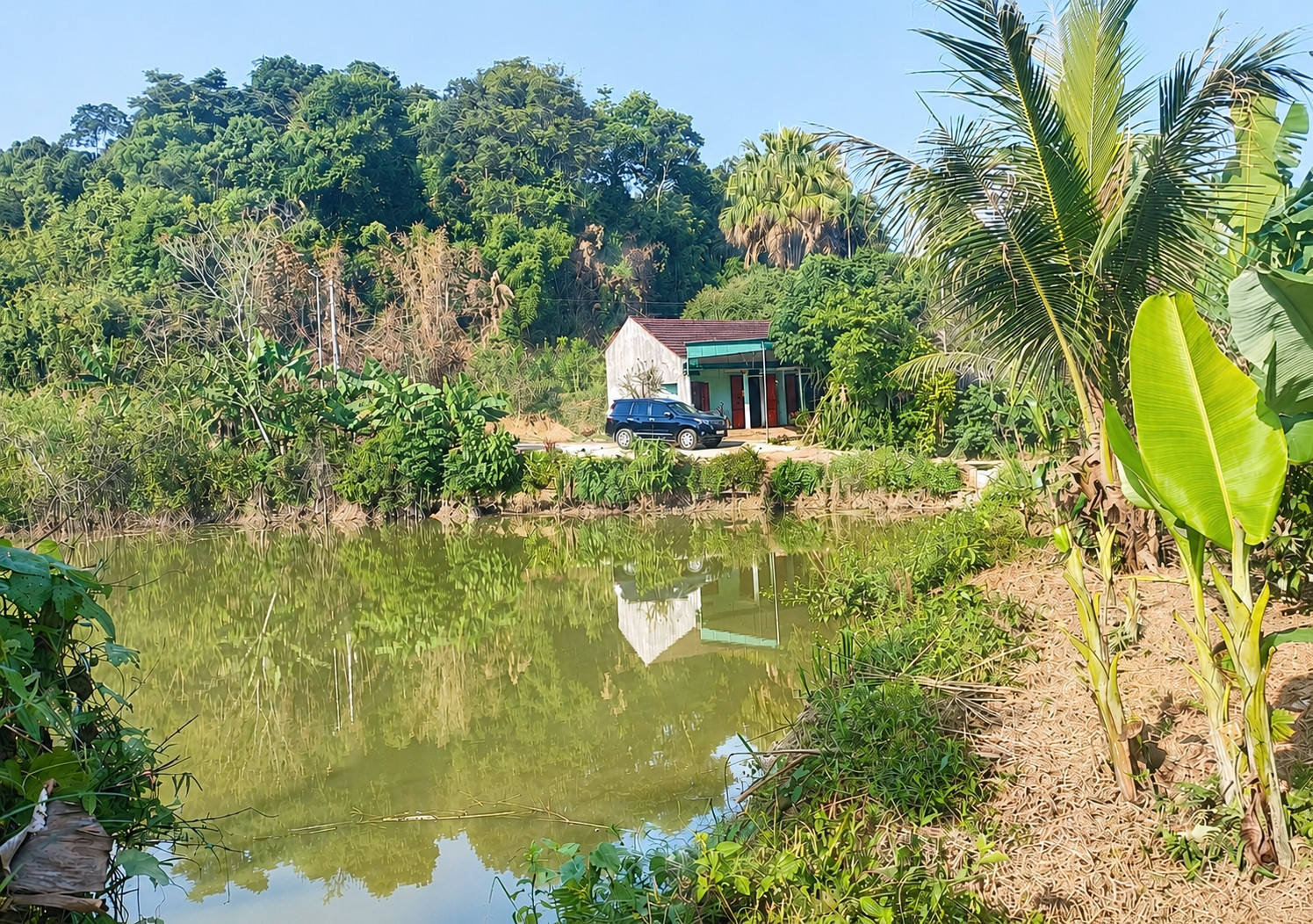
Without farmland or property, Yem made a life-changing decision in 1983. He moved his family into the remote Roc Lay forest - now part of Xuan Dam Hamlet, Hoa Quy Commune - where they built a simple thatched hut and began clearing land to make a living.
His second daughter, Le Thi Huyen, still becomes emotional when recalling those years.
"At that time, ours was the only family living in the forest," she said. "My father built a small bamboo-and-thatch house. During the day, he cleared land and farmed. At night, he went deeper into the forest to collect bamboo shoots and other forest products to sell so he could support the family. It was only much later that other settlers arrived, and life became a little less lonely."
The sisters vividly remember meals made from cassava, wild bamboo shoots and fish caught in mountain streams.
On many nights, four or five of them slept together on a single bamboo platform with too few blankets to keep warm.
"Even today, those memories give me goosebumps," Huyen said. "Our lives were incredibly difficult. As I grew older and understood what my parents had endured, I appreciated and loved them even more."
Education above all else
The family's home lay deep in the forest, and reaching school meant crossing several hills.
At the start of each week, the sisters carried their clothes and books on foot for hours before staying with relatives near school. They returned home only at weekends.
As daughters of a disabled war veteran, they were exempt from tuition fees. Even so, books, clothing and daily living expenses remained a heavy financial burden.
Each new school year, Hong gathered bamboo shoots in the forest to earn enough money to buy school supplies.
Yem recalled a period when three daughters were attending university at the same time, forcing the family to borrow money to cover tuition and living costs.
"We borrowed money for tuition and daily expenses," he said. "But my wife and I never once thought about asking our children to leave school. As long as they wanted to continue studying, we would keep trying."
Their perseverance eventually paid off.
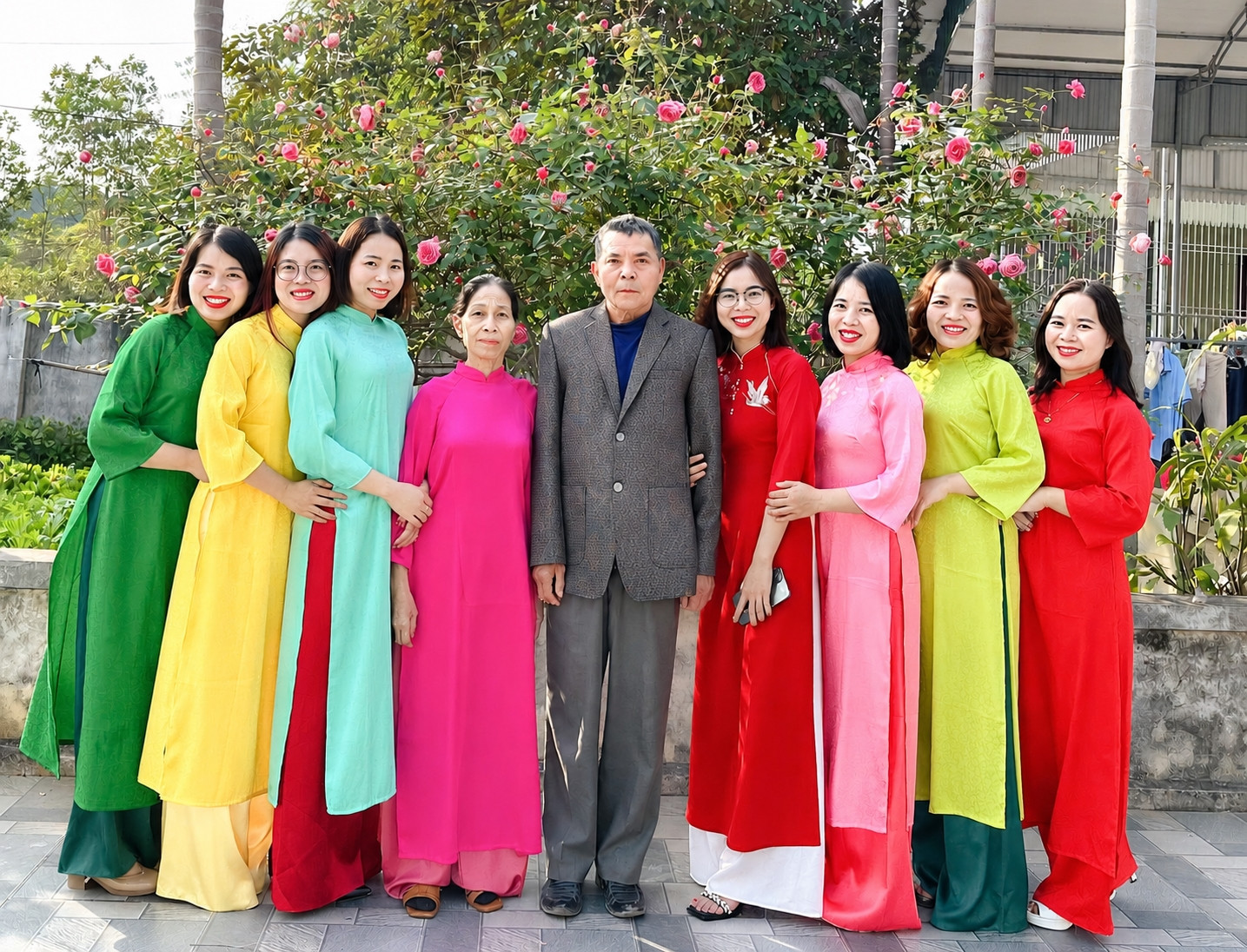
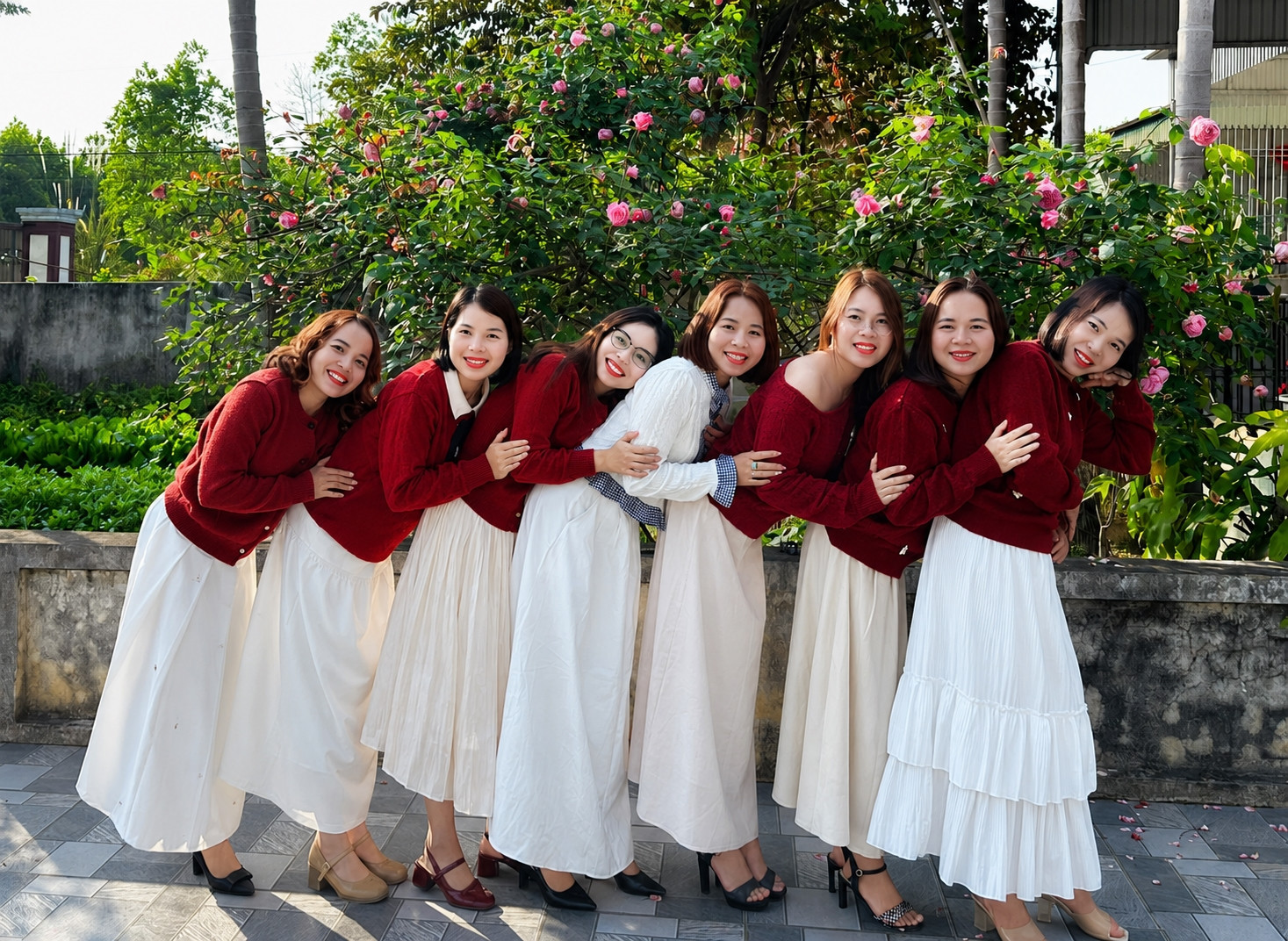
The eldest daughter became a primary school teacher. The second now teaches at a vocational and continuing education center. The remaining daughters all graduated from university and work in fields including finance, judicial services, media, community organizations and private businesses. The youngest daughter currently works in Hanoi.
After starting their own families, the daughters purchased homes in the town center, about 15 kilometers from their parents' old house, making commuting to work easier.
Yem and his wife chose to remain in their longtime home, where they continue growing vegetables and raising fish. Their daughters also built them a wooden house near the homes of three of the sisters, although the couple still divide their time between the two places.
Whenever holidays or family celebrations arrive, all seven daughters and 14 grandchildren return home to reunite.
"When I see our whole family together, it feels like a dream," Huyen said. I often tell my own children our family's story so they understand how hard their grandparents worked. It's a way of teaching them to appreciate what they have and to love their parents."
She added that whenever the extended family gathers, her father often jokes, "Our greatest treasure is our daughters."
According to Le Anh Tuan, Vice Chairman of the Hoa Quy Commune People's Committee, Yem's family has become a model for the local community.
"Despite his war injuries and years of extreme hardship, Mr. Yem and his wife remained determined to educate all of their daughters," Tuan said. "They are a truly exemplary family, respected and admired throughout the commune."
Le Duong
.svg)
