 Vietnamnet.vn

 Podcast



Once considered a failed project and transferred for just US$1, the Dai Hung oil field has, over more than two decades, generated billions of dollars in revenue and emerged as a symbol of Vietnam’s technological capability in the oil and gas sector.
On March 26, the PetroVietnam Exploration Production Corporation (PVEP) held a scientific seminar on applying breakthrough technologies to restore, expand, and enhance the efficiency of Dai Hung’s exploration and production.
When global giants walked away
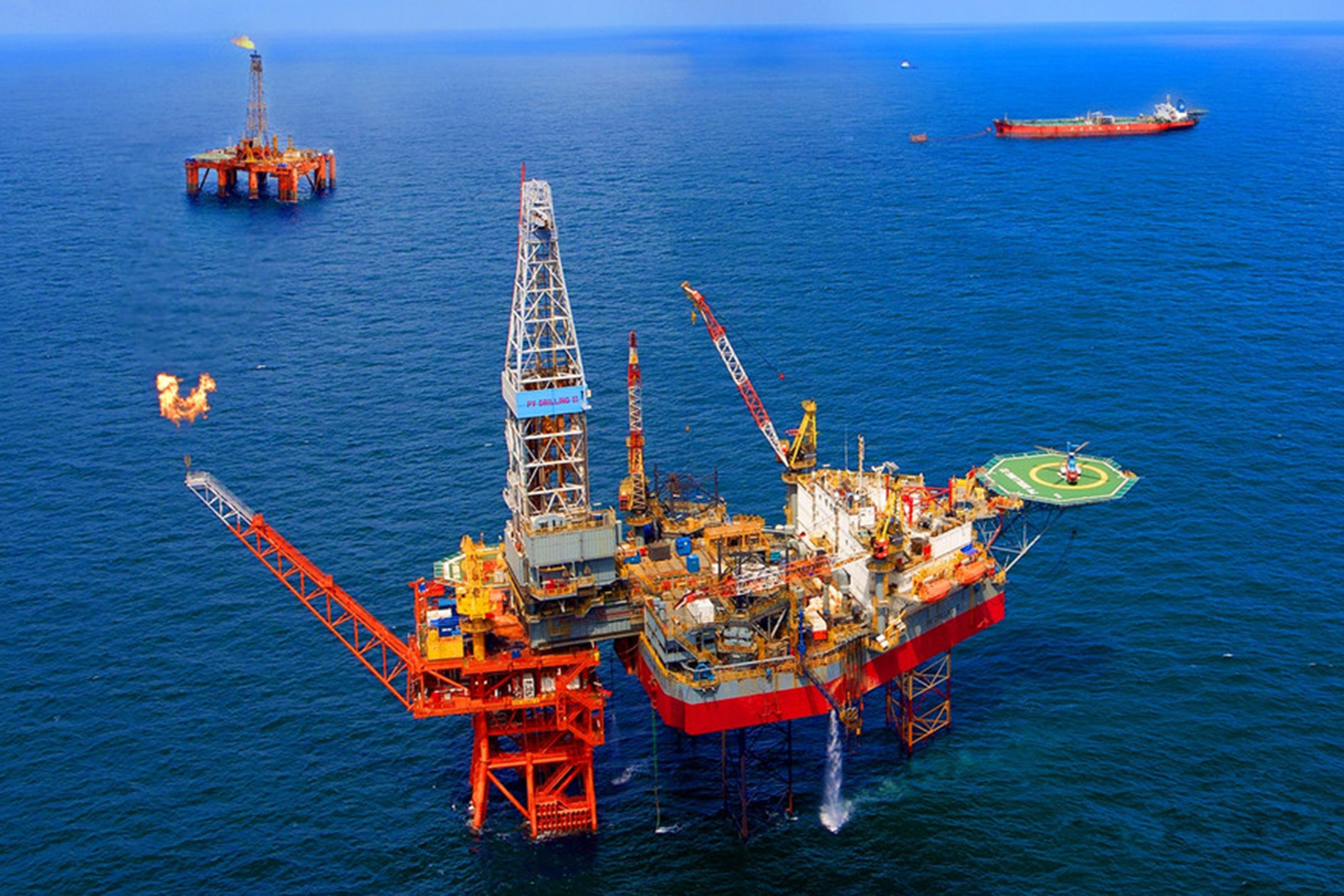
Discovered under complex geological conditions in the Nam Con Son Basin at depths exceeding 100 meters, Dai Hung initially attracted major international oil companies. Corporations such as BHP, Total, Petronas, and Sumitomo invested hundreds of millions of dollars, expecting to develop a large-scale offshore oil field.
However, reality proved far more challenging. Production failed to meet expectations, geological complexity made drilling risky, and operating costs surged. Miscalculations in reservoir characteristics and pressure decline led to output falling sharply from 35,000 barrels per day to just over 2,000.
As a result, contractors gradually withdrew, leaving behind what was widely regarded as an inefficient project. In 1999, the field was transferred to Vietnam for a symbolic price of US$1 - a figure that reflected not only its valuation at the time but also the failure of a once-promising venture.
A decision beyond profit
Faced with the choice of continuing or abandoning the project, PetroVietnam opted to press forward - a decision driven more by long-term strategic considerations than immediate financial returns.
From 2003, PVEP took over direct operations under challenging market conditions and fluctuating oil prices. At times, production was maintained merely to keep the field active.
Yet it was during this difficult period that a new approach took shape. Vietnamese engineers began restructuring the entire system - reassessing geological data, building more accurate reservoir models, and implementing drilling strategies tailored to actual conditions.
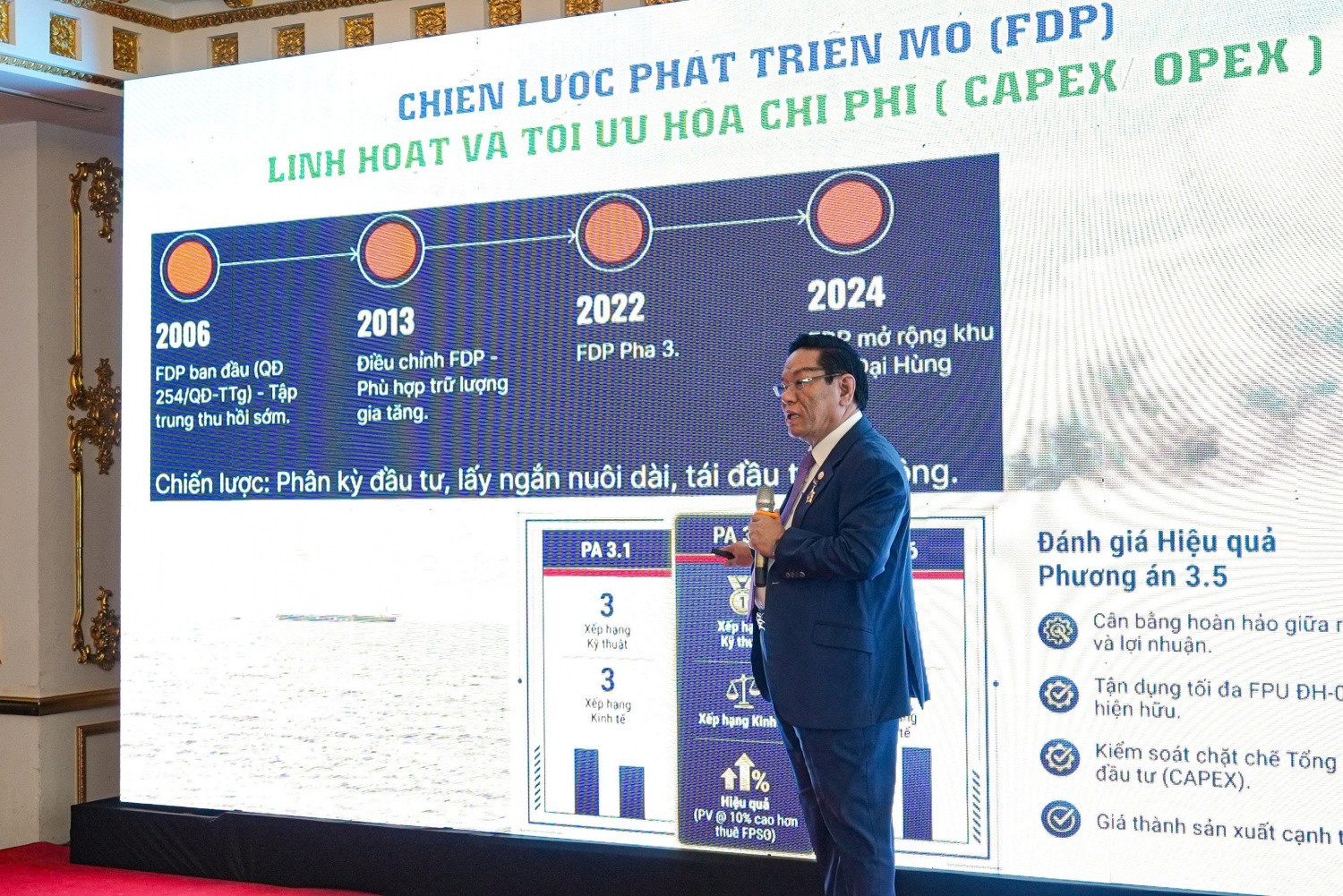
More importantly, the objective extended beyond maintaining output to mastering technology. Unlike previous contractors, who largely applied standardized solutions, the Vietnamese team focused on adapting technologies specifically to the field’s unique characteristics.
Over time, internal capabilities were steadily built - from well design and platform operations to production optimization - enabling Vietnamese engineers to take control of critical processes.
This transformation also included a shift from reliance on expensive subsea extraction models to an integrated, tailored technological system, featuring advanced wellhead platform design, innovative installation methods, and digital applications in operational management.
AI and digital transformation change the equation
While early recovery efforts relied heavily on human expertise and technical adjustments, a decisive turning point came with the adoption of digital technologies and artificial intelligence in recent years.
Geological and seismic data, once processed using conventional methods, are now digitized and analyzed using advanced algorithms. This enables more accurate identification of oil-bearing zones, significantly improving drilling efficiency.
During drilling operations, AI systems analyze real-time data to predict risks such as fluid loss or pressure fluctuations, allowing timely adjustments.
According to PVEP representatives, AI-driven systems such as I-Trak enable real-time monitoring, risk prediction, and optimization of drilling parameters. As a result, drilling speed has improved, non-productive time has been reduced, and technical risks are better controlled.
Digital transformation has also been applied in project management and field operations through integrated monitoring and remote control systems. By combining geological, drilling, and production data on a single platform, decision-making has become more efficient, operations more optimized, and costs significantly reduced.
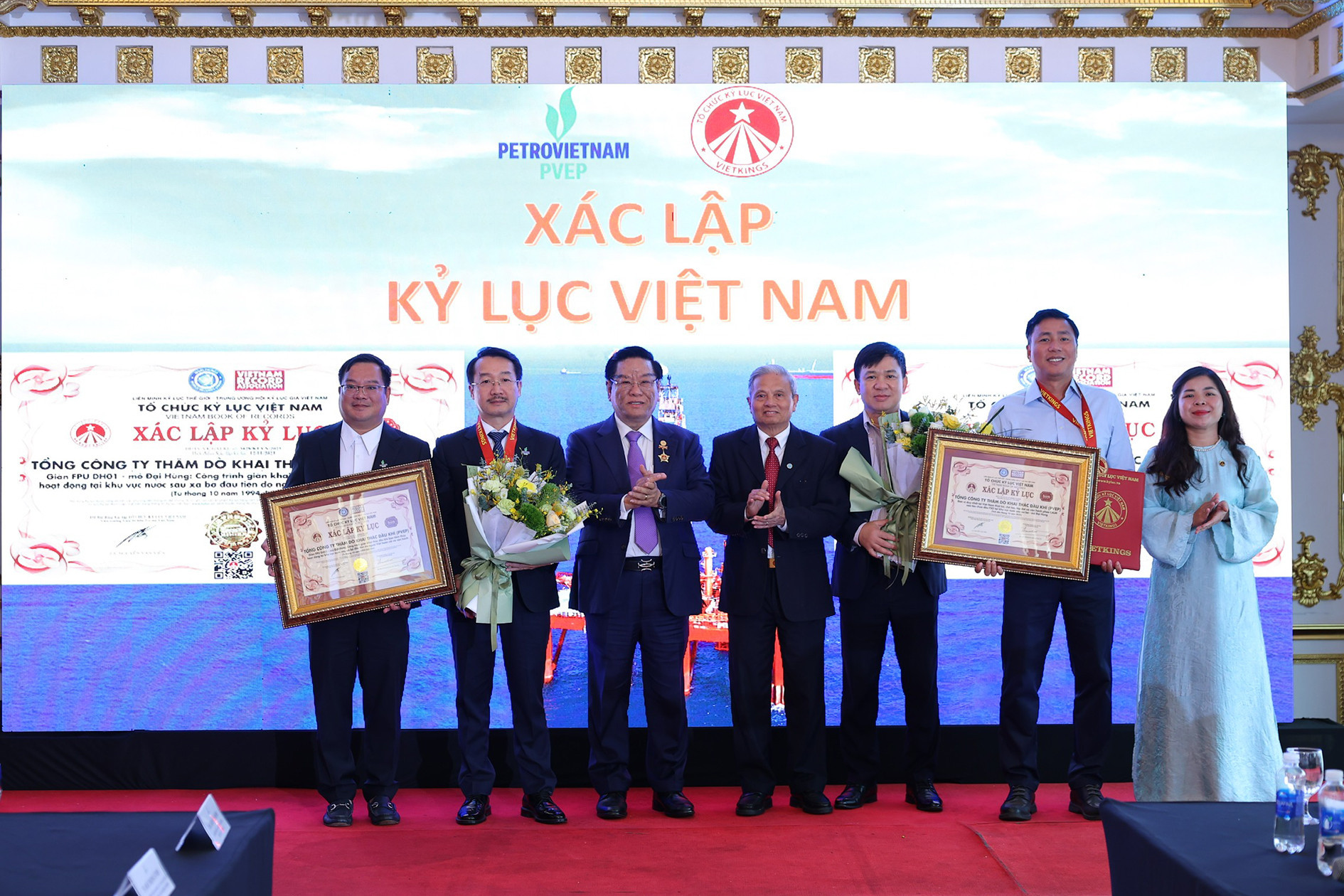
Notably, the time required to design a drilling well has been cut dramatically - from around three months to just three days using digital data and AI.
Beyond economic gains, Dai Hung demonstrates Vietnam’s growing technological autonomy in a highly complex industry. Key components of the project - from design and fabrication to installation and operation - have been implemented using domestic resources.
After more than two decades, the field has generated over US$4 billion in revenue and contributed hundreds of millions of dollars to the state budget, while maintaining stable output. These figures underscore not only economic success but also the transformative impact of technology.
A symbol beyond economics
The significance of Dai Hung extends beyond its financial performance. In the context of energy security and maritime sovereignty, offshore projects like Dai Hung serve as “living markers” affirming Vietnam’s presence and jurisdiction at sea.
In addition, oil and gas operations in the area support fishermen and contribute to search and rescue efforts, highlighting their broader social role. Dai Hung is therefore not merely an industrial project but part of a larger ecosystem supporting security and sustainable development at sea.
The story of Dai Hung may be seen as a remarkable turnaround, but its deeper value lies in the questions it raises. Can this model be replicated for other challenging oil fields or even across different industries?
The answer depends on whether the key factors behind its success can be sustained - long-term vision beyond short-term profit, a commitment to technological mastery, and the effective use of emerging tools such as AI and digital data.
If these elements continue to be nurtured, Dai Hung may no longer be an exception, but the starting point for a new phase in which Vietnam not only exploits resources but also masters and shapes the technologies that define the future.
Thai Khang
.svg)
