 Vietnamnet.vn

 Podcast



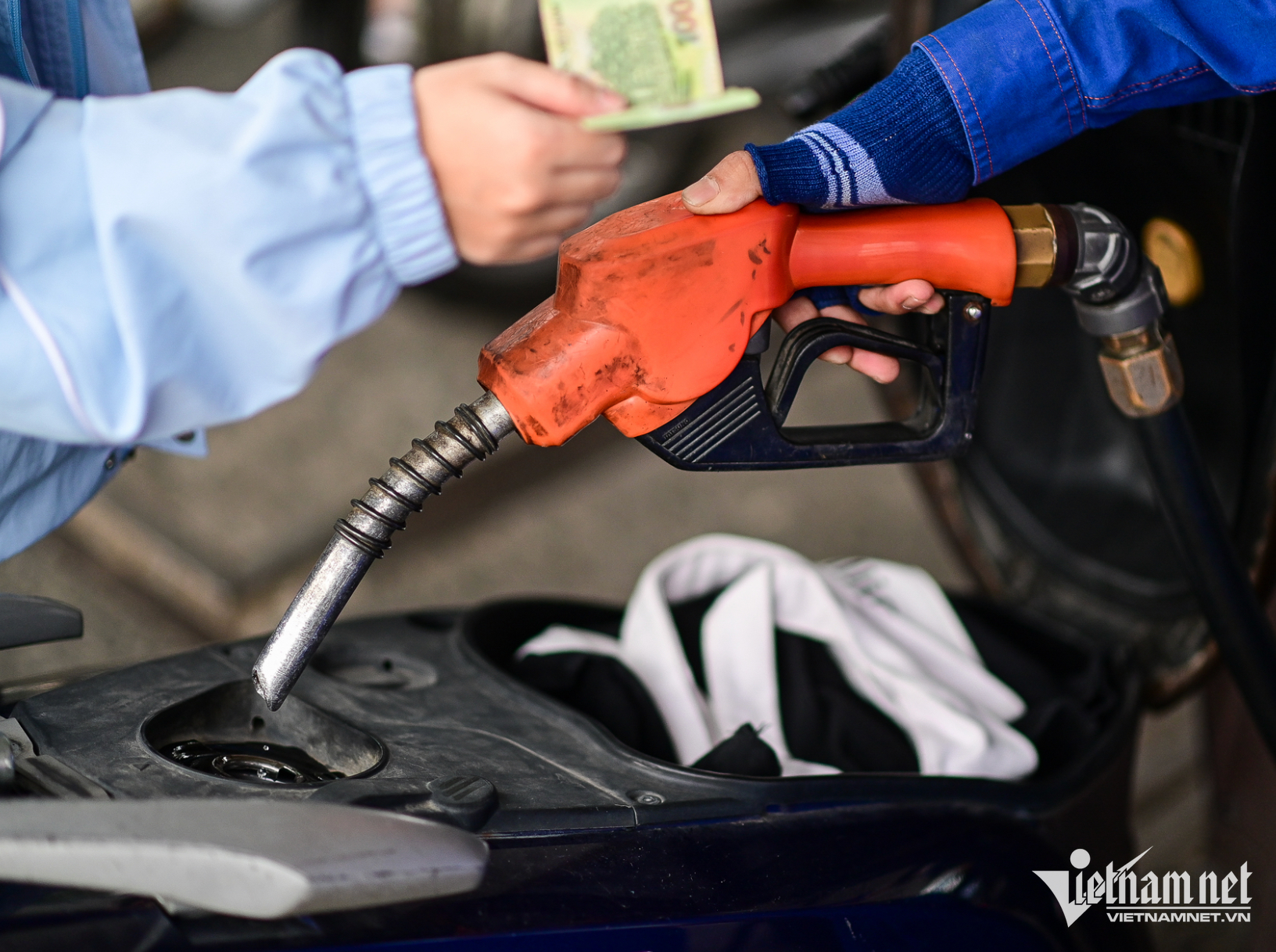
The Domestic Market Management and Development Department under the Ministry of Industry and Trade has issued an urgent directive requiring provincial Departments of Industry and Trade to strengthen inspection, supervision, and strict handling of violations related to fuel trading and transportation, particularly in border areas.
The directive comes amid ongoing geopolitical tensions in the Middle East, which continue to disrupt global energy supply chains. In response, the government and the Ministry of Industry and Trade have intensified efforts to safeguard national energy security.
Following Directive No. 06 dated March 9 issued by the Minister of Industry and Trade, authorities have implemented a range of coordinated measures, including supply-demand forecasting, distribution management, and tighter oversight of fuel trading activities.
However, recent reports indicate that individuals and small traders in border regions - notably in Lao Bao, Quang Tri province - have been collecting fuel from retail stations. These groups are reportedly modifying vehicles with additional fuel tanks to transport gasoline across the border for resale at higher prices.
If left unchecked, such activities could lead to domestic supply shortages and pose significant fire and explosion risks during transportation and storage, the department warned.
In response, local authorities - especially in border provinces - have been instructed to intensify monitoring and enforcement. Relevant agencies are required to coordinate closely with police, customs, and border guard forces to supervise retail stations and transportation routes, both by land and water.
The directive also calls for the prompt detection and strict handling of hoarding practices or bulk sales to individuals suspected of smuggling. In addition, local governments are encouraged to establish hotlines to receive public reports on illegal fuel stockpiling sites.
Fuel businesses are being urged to commit to compliance and avoid facilitating smuggling or trade fraud.
Authorities expect that these coordinated measures will help tighten control over the fuel market in border areas, ensure stable domestic supply, and maintain market stability amid ongoing global uncertainties.
Tam An
.svg)
