 Vietnamnet.vn

 Podcast



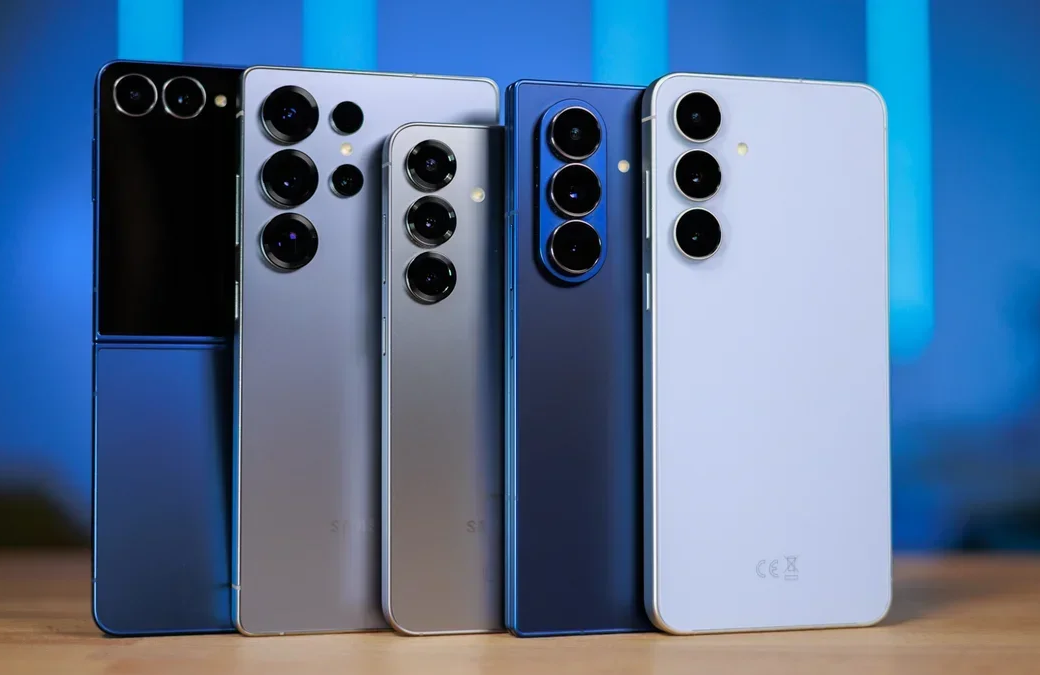
Last year, the tech giant drew attention for experimenting with new product concepts, seemingly inspired by Apple’s bold strategies. Though models like the Galaxy S25 Edge failed to meet sales expectations, they still represented a willingness by Samsung to break from the mold and take creative risks.
However, that excitement now seems short-lived. Unlike Apple - which embraces risk in pursuit of long-term vision - Samsung appears increasingly uncertain about its own ideas. Faced with underwhelming sales, the company quickly retreated to its comfort zone: familiar designs and old strategies that have defined its approach for years.
Reports had suggested the company was planning to shake up its lineup, possibly renaming the base model Galaxy S26 Pro and replacing the Galaxy S26 Plus with a revamped Galaxy S26 Edge. The Edge variant, anticipated to build on the design language of the S25 Edge, even reportedly shared aesthetic similarities with the redesigned iPhone 17 Pro.
But those plans have now been shelved.
Samsung has officially confirmed that the Galaxy S26 Edge and other potential new variants will not move forward. Meanwhile, the standard version will keep its name unchanged, and the S26 Plus risks being overlooked entirely, as leaked specifications indicate little differentiation from the base model.
In short, after the S25 Edge underperformed, Samsung seems to have retreated into the safety of repetition.
To be fair, the Galaxy S26 series will still be a strong lineup of smartphones. The S26 Ultra, for example, is expected to feature a new privacy display and a wider aperture camera - clear improvements over its predecessor. Yet these are modest, predictable upgrades that follow Samsung’s typical annual cycle.
Instead of pushing the envelope and setting itself apart in an increasingly crowded market, Samsung has chosen to play it safe - prolonging a strategy that prioritizes consistency over innovation.
Once hailed as the defining Android flagship, Samsung's Galaxy series now struggles to maintain that status. Competitors like Xiaomi, Oppo, and Honor have surged ahead - even with mid-range models - by offering devices with 10,000 mAh batteries and the latest Snapdragon processors.
If Samsung doesn’t reclaim its appetite for bold innovation soon, its flagship phones may be reduced to being “the standard Android version of an iPhone.” And in a twist of irony, even that title could easily be taken by a more daring rival.
Hai Phong
.svg)
