 Vietnamnet.vn

 Podcast



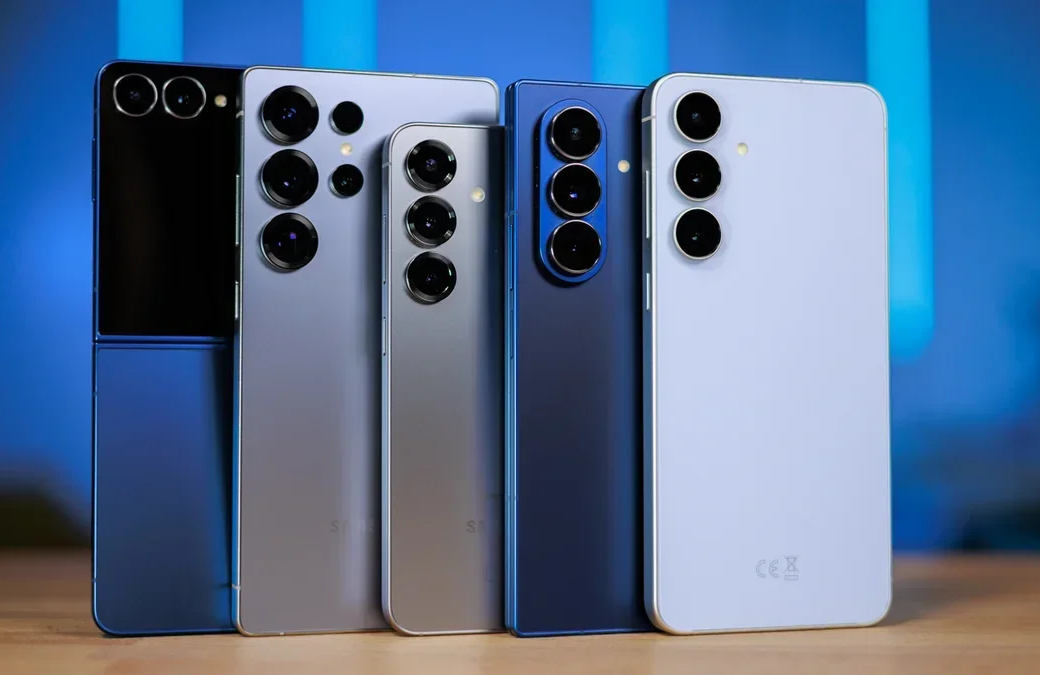
After years of anticipation, Samsung has finally begun producing silicon–carbon (Si–C) batteries - but not for its upcoming flagship smartphone, the Galaxy S26 Ultra. Instead, the company is focusing this breakthrough technology on electric vehicles (EVs), leaving many fans disappointed.
Prioritizing EVs over phones
Samsung SDI, the company’s battery arm, confirmed a partnership with automaker KG Mobility to develop a new generation of EV batteries. These cells feature NCA (nickel–cobalt–aluminum) cathodes and silicon–carbon anodes, which promise higher capacity, faster charging, and improved durability.
The Si–C chemistry offers several advantages: reduced swelling, longer cycle life, and greater discharge efficiency. Enhanced thermal management and refined manufacturing processes also make the new batteries safer and more stable, extending driving range and overall performance for future electric vehicles.
While that’s exciting news for the EV market, smartphone enthusiasts were quick to notice what’s missing - the Galaxy S26 Ultra won’t be getting this upgrade.
Why silicon–carbon batteries matter
Compared to traditional lithium-ion batteries, silicon–carbon anodes can store up to ten times more energy than graphite-based ones. This could enable slim smartphones to pack massive 8,000mAh batteries without becoming bulky, while also supporting faster charging and better cold-weather performance.
In short, the technology could end the era of daily charging - which is why Samsung’s decision to delay its adoption in smartphones feels like a missed opportunity.
Galaxy S26 Ultra stuck at 5,000mAh
Leaks suggest that the Galaxy S26 Ultra will again use a 5,000mAh battery - a capacity unchanged for six years. Instead of new battery chemistry, Samsung reportedly plans to rely on power-efficient M14 OLED displays to stretch usage time.
However, insiders say that while M14 panels offer solid efficiency, they won’t dramatically improve image quality compared to rivals like the iQOO 15, which features higher brightness and broader color range.
In fact, Samsung might even cap the S26 Ultra’s display at 8-bit color depth, 2,600 nits brightness, and lower PWM frequencies to conserve power - a move that could frustrate users expecting premium performance.
A cautious approach
Samsung’s conservative rollout reflects both technical and safety challenges in adapting Si–C batteries to thin, high-density devices like smartphones. Still, with competitors already experimenting, the company’s slow pace risks alienating its most loyal fans.
Industry analysts believe the first Galaxy phone with silicon–carbon batteries may not arrive until 2027 - an eternity in the fast-moving smartphone market.
For now, while Samsung’s new battery chemistry represents a huge step forward for EVs, smartphone users will have to settle for incremental efficiency gains rather than the battery revolution they were hoping for.
Hai Phong
.svg)
