 Vietnamnet.vn

 Podcast



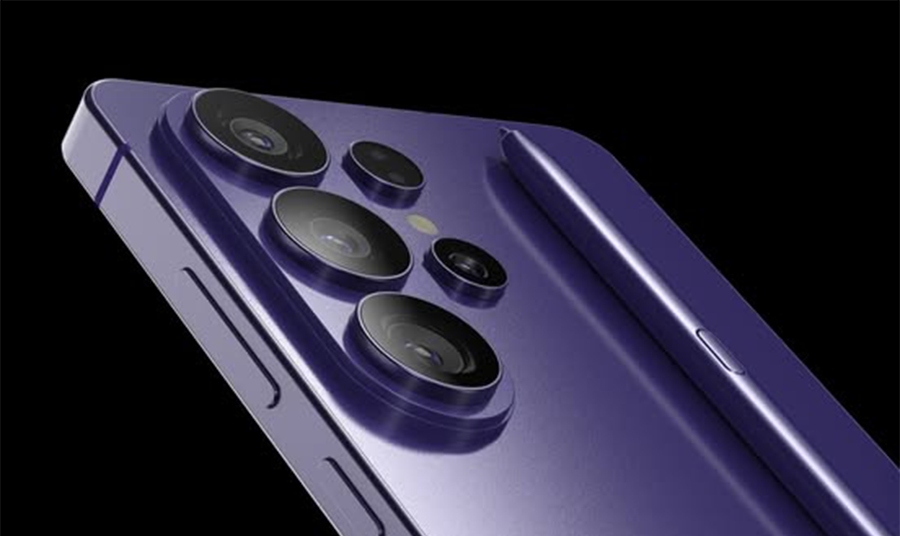
In what could redefine how users perceive the Galaxy camera experience, Samsung is reportedly recalibrating its image processing formula.
The aim of the Galaxy S26 Ultra appears clear: stop making photos look artificial, and start capturing life as it really is.
Rewriting the rules of “Samsung style”
According to a reliable leak, Samsung is planning to shift toward “natural colors” in the S26 Ultra. For years, the brand has been known for heavily processing images - pushing saturation to make skies bluer, trees greener, and scenes pop dramatically on-screen.
While this eye-catching style looked great at first glance, it often lacked authenticity. The new direction reportedly seeks to fix that, especially when it comes to skin tones - reducing over-brightening and excessive smoothing that made people in photos look plastic or unreal.
On the hardware front, the main camera sensor might remain largely unchanged in megapixel count. However, sources suggest that the lens system could be tweaked, potentially allowing more light in and making the output less reliant on post-processing.
If the leaks prove accurate, the Galaxy S26 Ultra will prioritize color accuracy and subtlety over visual punch - ditching neon tones and returning to the subtleties of human vision.
Portrait shots, in particular, are expected to look more lifelike, with less skin blur and more faithful detail - letting people in photos look like themselves again, not wax figures.
A wider aperture lens could also be in play, allowing more natural light to reach the sensor and reducing the need for digital enhancements in low-light conditions.
Why “less color” might be more
To understand the significance of this shift, it's helpful to consider the smartphone market landscape most users navigate today.
In major retail stores, buyers typically face three dominant brands: Samsung, Apple, and Google - with occasional contenders like Motorola. While other manufacturers like Xiaomi, Vivo, and OnePlus often offer superior camera hardware, they remain less accessible in many markets.
For years, these three giants have developed distinct photographic “personalities.” Samsung has been the “fun” option - serving up saturated skies and vivid greens perfect for social media-ready snapshots.
Apple’s iPhones, meanwhile, lean toward warmth and predictability, often favoring yellowish hues and safe exposure settings. But they can struggle in high-contrast lighting conditions.
Google’s Pixel devices embrace a more dramatic tone - cooler color temperatures, deep shadows, and crisp detail that lend photos a sense of depth and realism.
If Samsung is indeed pivoting toward a more natural look, it’s a subtle admission: more color doesn’t always mean better photos.
In fact, a true-to-life image is a better starting point for users. Filters and enhancements can always be added later - but it’s much harder to “undo” aggressive color correction or facial smoothing that’s baked into the photo from the start.
This move aligns Samsung more closely with Google’s photography philosophy, appealing to users who value color fidelity and realism over instant appeal.
The Ultra user wants more than flair
It’s a sensible decision - particularly for the Ultra line.
When a user pays over $1,000 for a Galaxy S26 Ultra, they’re likely serious about photography. They want the most accurate, high-quality shots possible - images they can tweak themselves to their own creative vision.
Cheaper Galaxy models can continue delivering punchy, oversaturated images for casual users and social media posts. But the Ultra should be a serious camera in a phone - not a glorified filter machine.
There’s one potential caveat: mainstream users might initially find these “realistic” images dull compared to the older, flashier style. But if Samsung can combine its new photo philosophy with credible hardware upgrades, the Galaxy S26 Ultra could tempt even die-hard Pixel users to set their devices aside - at least for a while.
Hai Phong
.svg)
