 Vietnamnet.vn

 Podcast



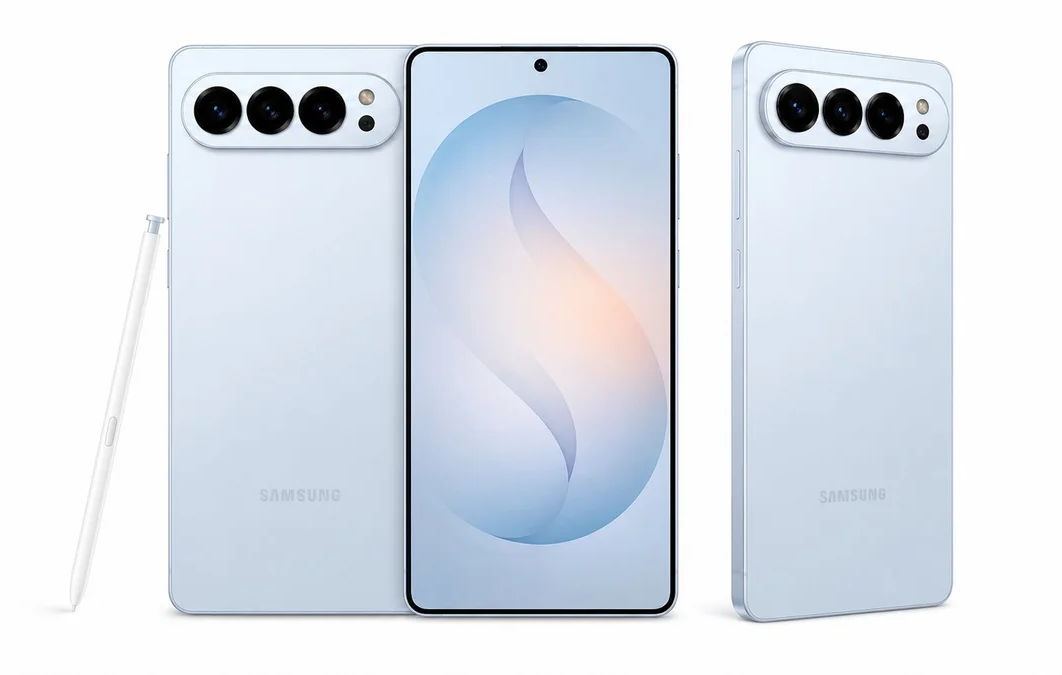
A new report from a source regarded as reliable has cast doubt on recent rumors surrounding the Samsung Galaxy S27 Ultra, suggesting the company is unlikely to adopt a horizontal camera bar and may instead focus on reducing manufacturing costs.
Horizontal camera bar rumor dismissed
In recent weeks, numerous leaks have claimed that Samsung planned to abandon the signature camera layout used across recent Galaxy Ultra models in favor of a wide horizontal camera bar spanning the back of the device, similar to Google's Pixel smartphones and Samsung's older Galaxy S10 series.
However, according to the latest report, those rumors do not reflect Samsung's current development plans. Rather than introducing a dramatic redesign, the Galaxy S27 Ultra is expected to retain its familiar design language with only minor refinements aimed at streamlining production amid ongoing pressure on the global technology supply chain.
The report states that Samsung has no plans to equip its next flagship with a horizontal camera module.
Instead, while the company continues to evaluate minor design adjustments, those changes are said to focus primarily on manufacturing efficiency rather than giving the device an entirely new appearance.
That approach would be consistent with Samsung's recent design strategy. Since the Galaxy S22 Ultra, the company has distinguished its flagship lineup by using individually mounted rear camera lenses instead of housing them inside a large camera island. The minimalist layout has become a defining feature of the Galaxy Ultra series.
If the latest information proves accurate, the Galaxy S27 Ultra could look almost identical to the Galaxy S26 Ultra.
According to the report, Samsung is considering only subtle design refinements to help reduce production costs. The move comes as smartphone manufacturers continue to face supply chain pressures in certain component categories while memory prices remain elevated, increasing the cost of producing premium devices.
Maintaining an established design rather than developing an entirely new exterior would also help reduce research, testing and manufacturing expenses.
Could Samsung remove one rear camera?
Perhaps the most intriguing claim is that Samsung is evaluating the possibility of removing one rear camera from the Galaxy S27 Ultra.
According to the source, this represents a worst-case cost-cutting scenario in which Samsung eliminates a camera sensor that it believes most users rarely use or no longer consider essential.
If that happens, the Galaxy S27 Ultra would retain its overall appearance while featuring one fewer rear camera than its predecessor.
For now, however, there is no indication of which lens might be removed or how Samsung could compensate through improvements to the main sensor, image-processing algorithms or zoom capabilities.
At this stage, the proposal remains only one option under consideration during product development and should not be viewed as a final decision.
Even without significant hardware changes, the Galaxy S27 Ultra is still expected to rank among the most anticipated Android smartphones of 2027.
Industry speculation suggests the device could once again feature a 5,000mAh battery, while performance improvements may come primarily from a next-generation processor, software optimizations and expanded artificial intelligence capabilities.
In recent years, the Galaxy Ultra lineup has earned its reputation not through radical redesigns but through refinement, build quality and a consistently reliable user experience.
Should the Galaxy S27 Ultra deliver only incremental upgrades, however, some analysts believe the Galaxy S26 Ultra could become the more compelling purchase once its price falls following the launch of the new model, offering stronger overall value for many buyers.
Hai Phong
.svg)
