 Vietnamnet.vn

 Podcast



It comes as little surprise that industry observers expect the Galaxy S27 Ultra to feature Qualcomm's most powerful Snapdragon processor. However, recent leaks suggest Samsung may be forced to make a key decision - adopt Qualcomm's most advanced chip and accept substantially higher costs, or opt for a less expensive version to keep the phone more affordable.
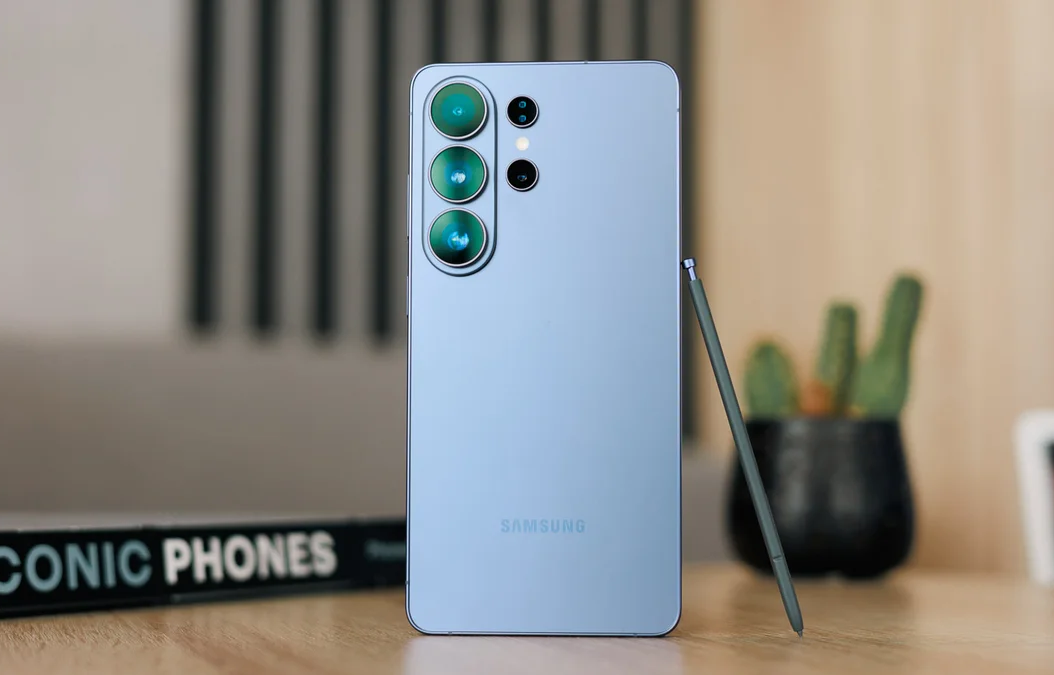
According to supply chain sources, Qualcomm is currently testing two variants of its next-generation Snapdragon 8 Elite Gen 6 processor. The move is believed to address rapidly rising memory and semiconductor costs across the premium smartphone market.
Two versions of Snapdragon 8 Elite Gen 6
Reports suggest Qualcomm is developing a standard version paired with LPDDR5X memory and a higher-end "Pro" variant supporting the new LPDDR6 memory standard.
Notably, both versions are expected to offer similar CPU clock speeds. The primary difference lies not in raw processing power but in the memory technology they support.
The Snapdragon 8 Elite Gen 6 Pro is also expected to support next-generation UFS 5.0 storage alongside faster LPDDR6 memory. Together, these technologies promise significantly faster data transfer speeds, stronger multitasking performance, improved gaming and enhanced AI capabilities - features that are becoming increasingly important in flagship smartphones.
Both processors are reportedly being manufactured using TSMC's advanced 2nm process, representing a major leap over previous generations by delivering higher performance alongside improved energy efficiency.
As a result, the Snapdragon 8 Elite Gen 6 is widely expected to become one of the most powerful Android mobile platforms ever developed and will likely power flagship smartphones launching in late 2026 and early 2027.
The biggest challenge, however, is cost.
Previous reports suggest the Snapdragon 8 Elite Gen 6 Pro could cost more than $300 per processor, making it one of the most expensive smartphone chips ever produced.
That is why Qualcomm is reportedly offering a standard version alongside the Pro model. Manufacturers looking to reduce costs could choose the LPDDR5X variant, while brands seeking maximum performance would opt for the LPDDR6-equipped Pro version.
For Samsung, the decision is particularly complicated. In recent years, the company has consistently used specially optimized Snapdragon chips in its Galaxy Ultra lineup to maintain top-tier performance. But rapidly rising component costs are making that strategy increasingly expensive.
If the Galaxy S27 Ultra adopts the Snapdragon 8 Elite Gen 6 Pro, analysts believe Samsung will likely have little choice but to increase retail prices.
Sacrifice performance or raise prices?
Choosing the less expensive Snapdragon variant may appear to be Samsung's best option for limiting price increases.
In theory, buyers would still receive a powerful 2nm processor with flagship-level performance. The main compromises would likely involve memory bandwidth and peak AI and data-processing capabilities.
However, such a move appears unlikely. The Galaxy Ultra series is positioned as Samsung's ultimate flagship, where every specification is expected to represent the company's best available technology. Using a lower-tier processor could undermine the uncompromising premium image Samsung has built around the Ultra brand.
The Galaxy S26 Ultra has already demonstrated major performance gains. Reviews indicate Samsung has finally reached parity with Apple in single-core performance while outperforming the iPhone 17 Pro Max in several multi-core benchmarks. Gaming performance and sustained processing speeds have also improved significantly compared with the Galaxy S25 Ultra.
Those achievements give Samsung even greater incentive to continue equipping the Galaxy S27 Ultra with its most powerful hardware.
Whichever route Samsung ultimately chooses, higher flagship smartphone prices appear increasingly unavoidable.
Rising chip development costs, next-generation memory, 2nm manufacturing and increasingly sophisticated AI technologies are all driving production expenses higher.
Android manufacturers are not alone. Apple is also widely expected to increase prices for its next-generation iPhones, suggesting the entire premium smartphone industry is entering a new era in which consumers will pay more for cutting-edge technology.
Hai Phong
.svg)
