 Vietnamnet.vn

 Podcast



In Cho Lon, Ho Chi Minh City’s historic Chinatown, the seventh lunar month is a time when many Chinese-Vietnamese families prepare offerings for wandering spirits. For business owners, the ritual carries both spiritual meaning and hopes for peace and prosperity.
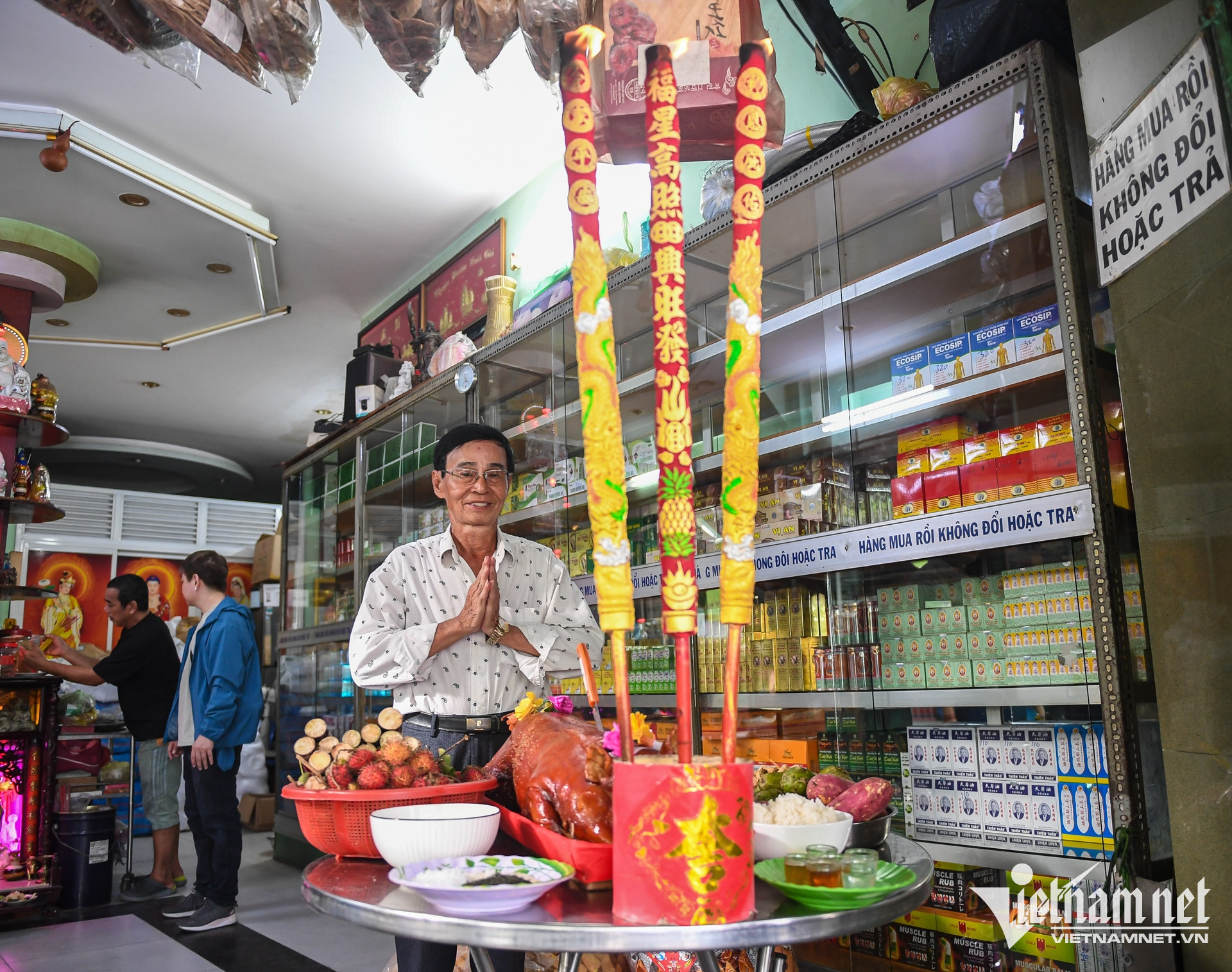
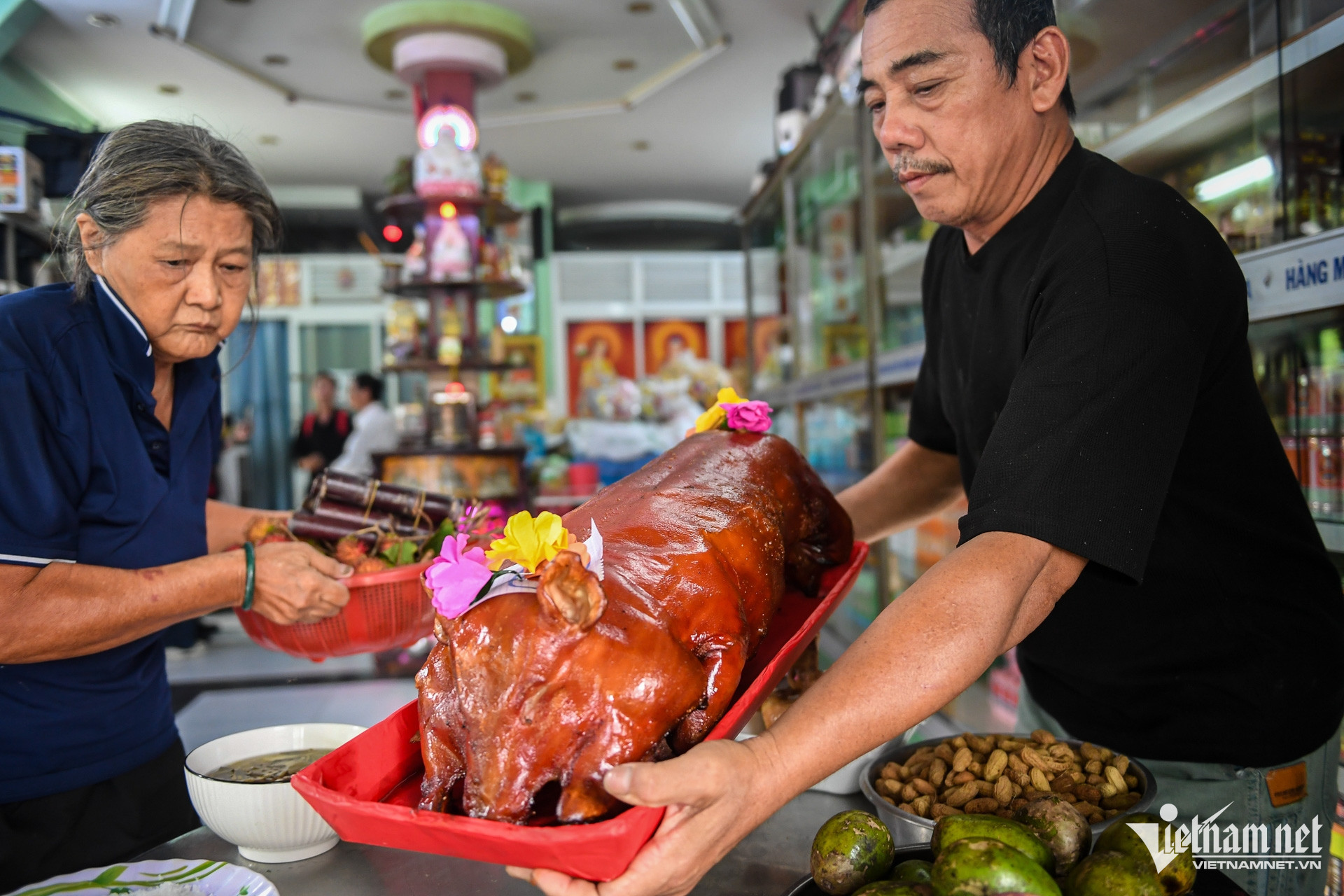
Tran Ban Tri, who owns a shop at the corner of Phung Hung and Tran Hung Dao streets, began arranging his offerings on the afternoon of the 15th day of the seventh lunar month. His family has traded traditional medicine in the area for three generations and has observed the ritual every year.
Tri said offerings to wandering spirits are normally made on the second and 16th days of each lunar month. During the seventh lunar month, however, the ritual is performed every day, with the largest ceremony taking place on the full moon.
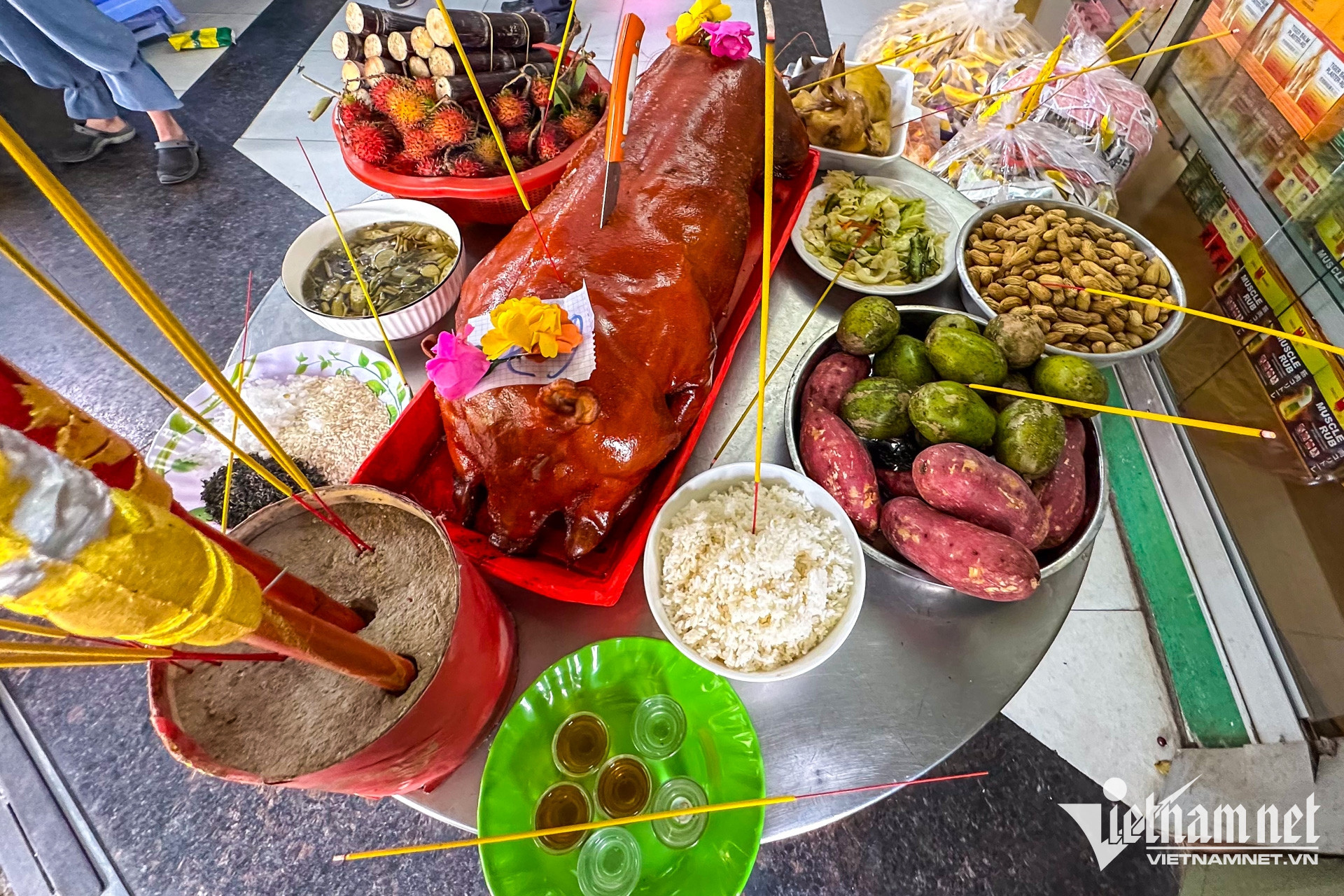
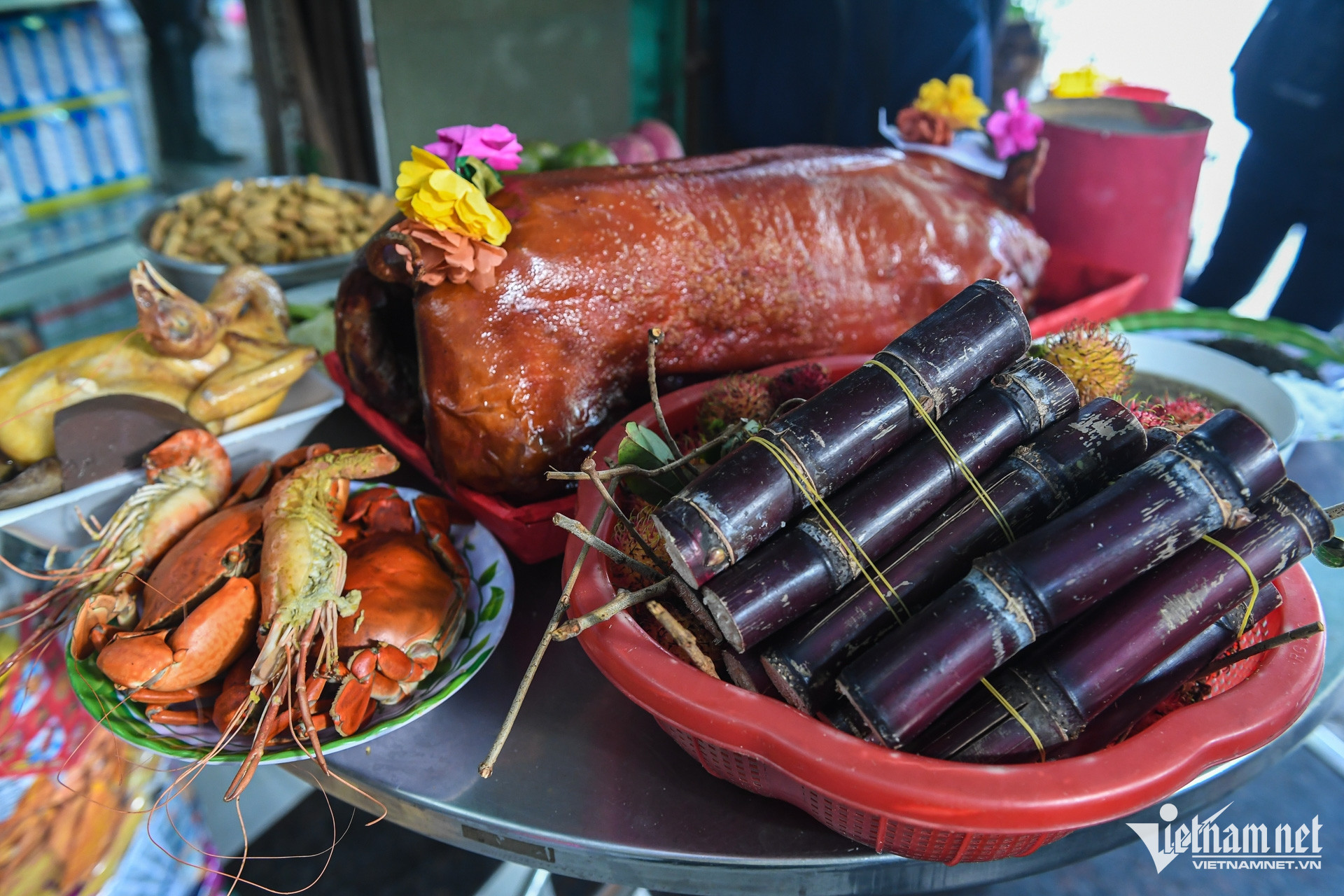
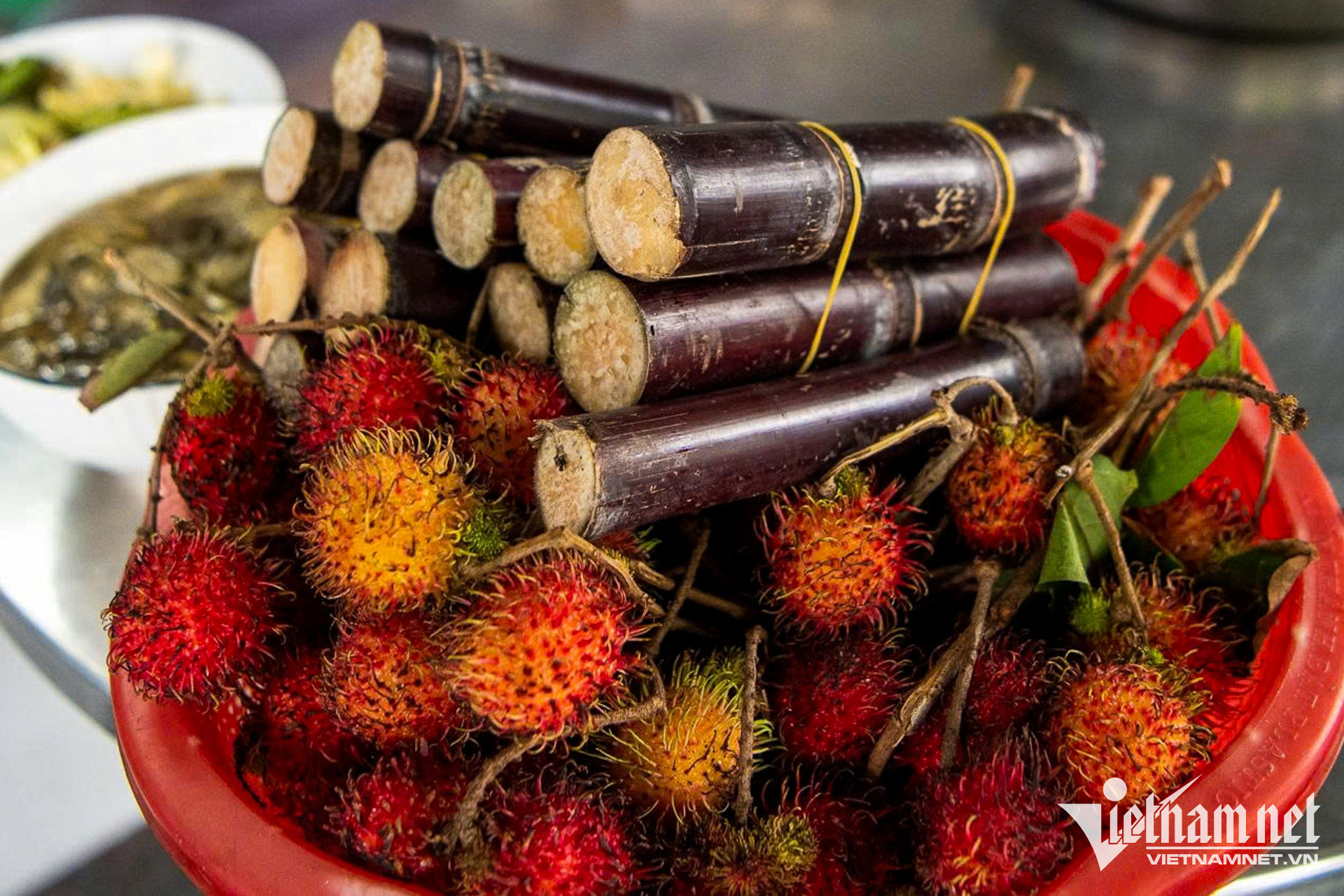
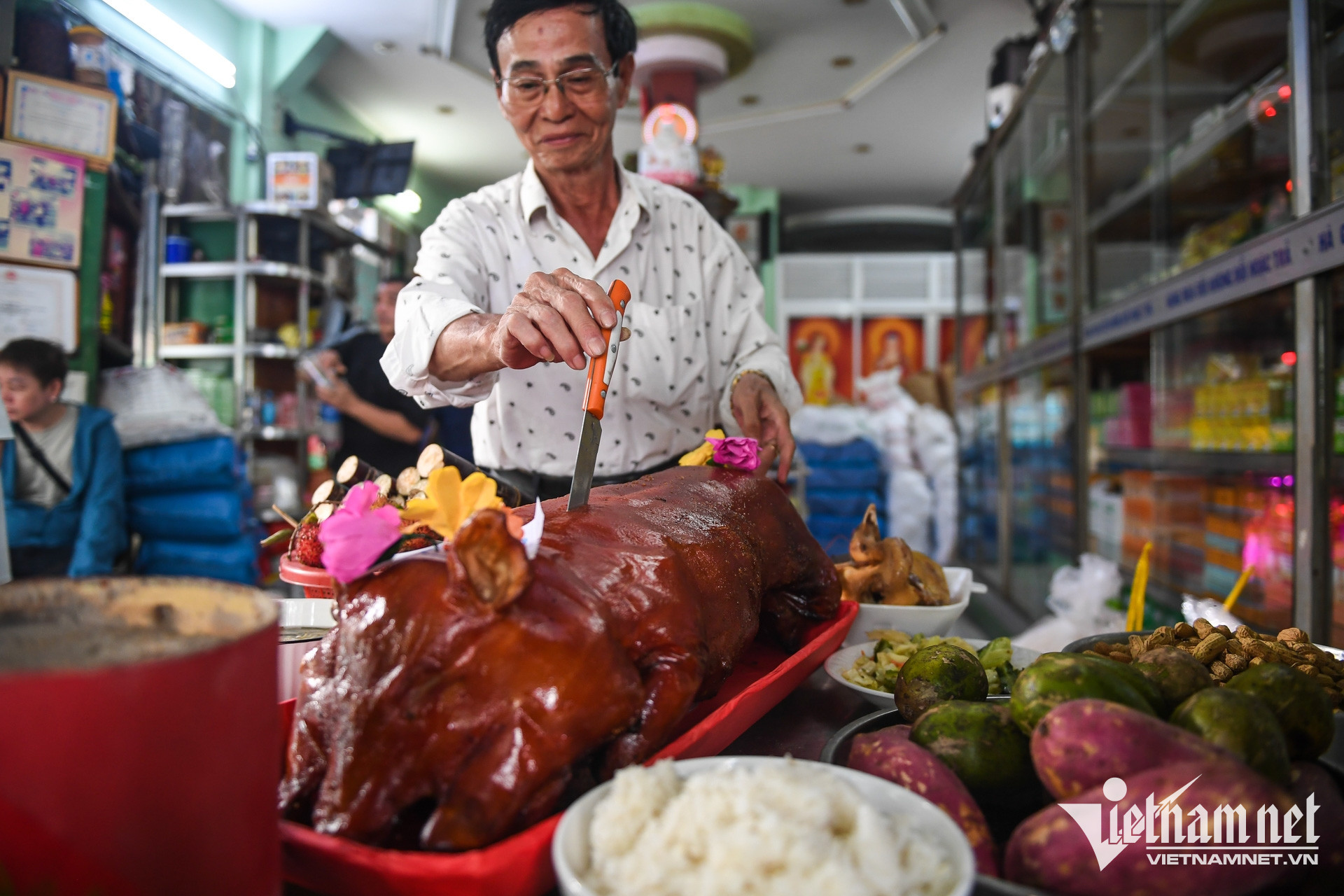
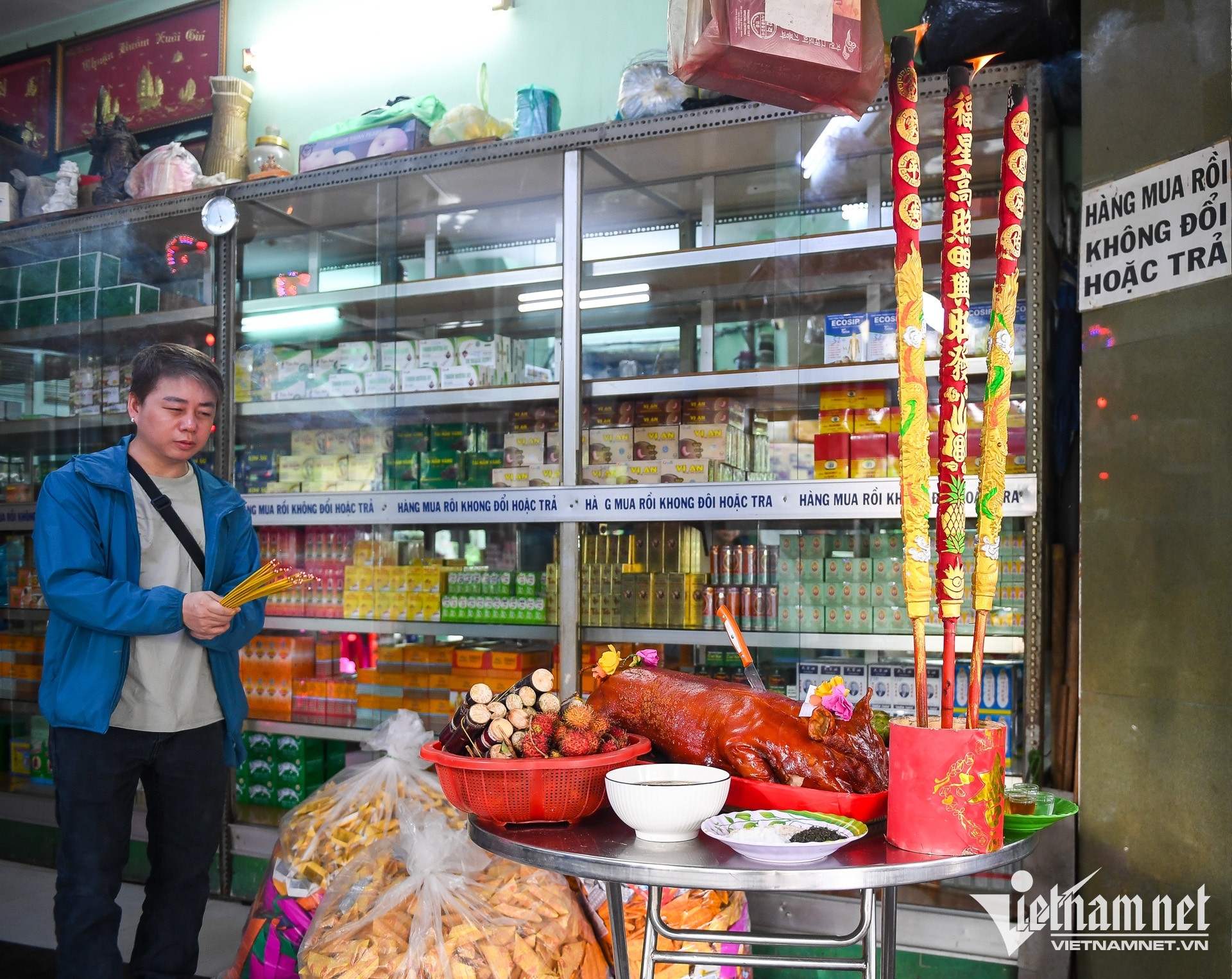
The offering table is carefully prepared with the traditional tam sen set of pork, chicken and crab, along with rice, salt, sugarcane, fruit and various other offerings.
“The tam sen set - pork, chicken and shrimp or crab - is indispensable because it represents Earth, Water and Heaven. These offerings are not only used for the seventh lunar month ceremony, but also for business openings, rituals honoring the God of Wealth, groundbreaking ceremonies and other occasions,” Tri said.
His family spent more than $110 on the offerings.
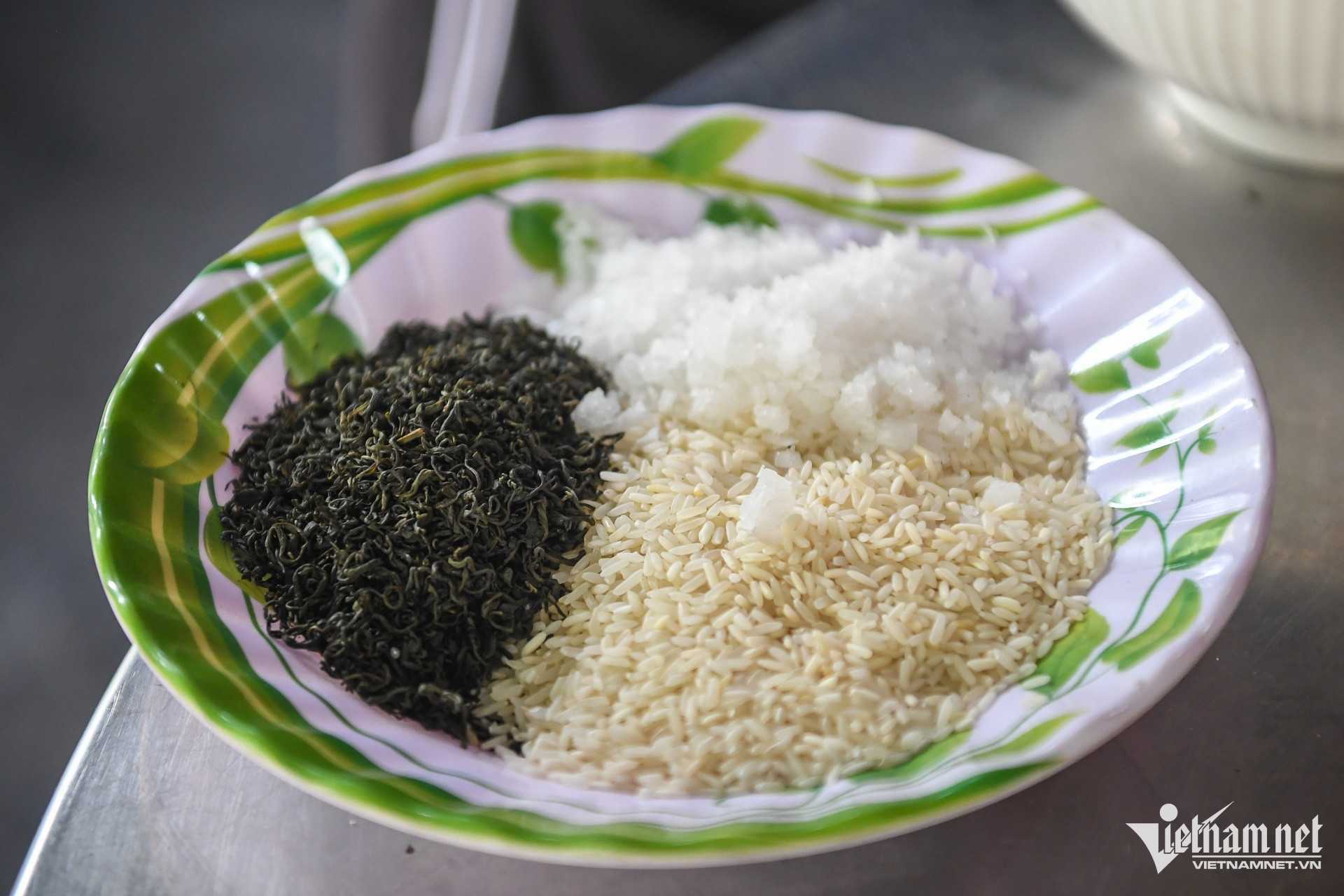
Rice, salt and sugarcane are also important items, prepared as food for wandering spirits. At the same time, the household expresses its hopes for good fortune, particularly for those involved in trade and business.
“For Chinese people, offerings to wandering spirits are an important ritual during the seventh lunar month, especially for business owners,” Tri said. “Making offerings is also a way of sharing something with unfortunate wandering souls, so they will not disturb the household and the family can carry on its business in peace.”
Once the offerings have been arranged, the host places incense sticks around the table.
The ceremony is usually held in the late afternoon or evening, with the offering table placed outside the home. According to folk belief, the strong daylight weakens wandering spirits, making it difficult for them to approach the food and other items offered to them.
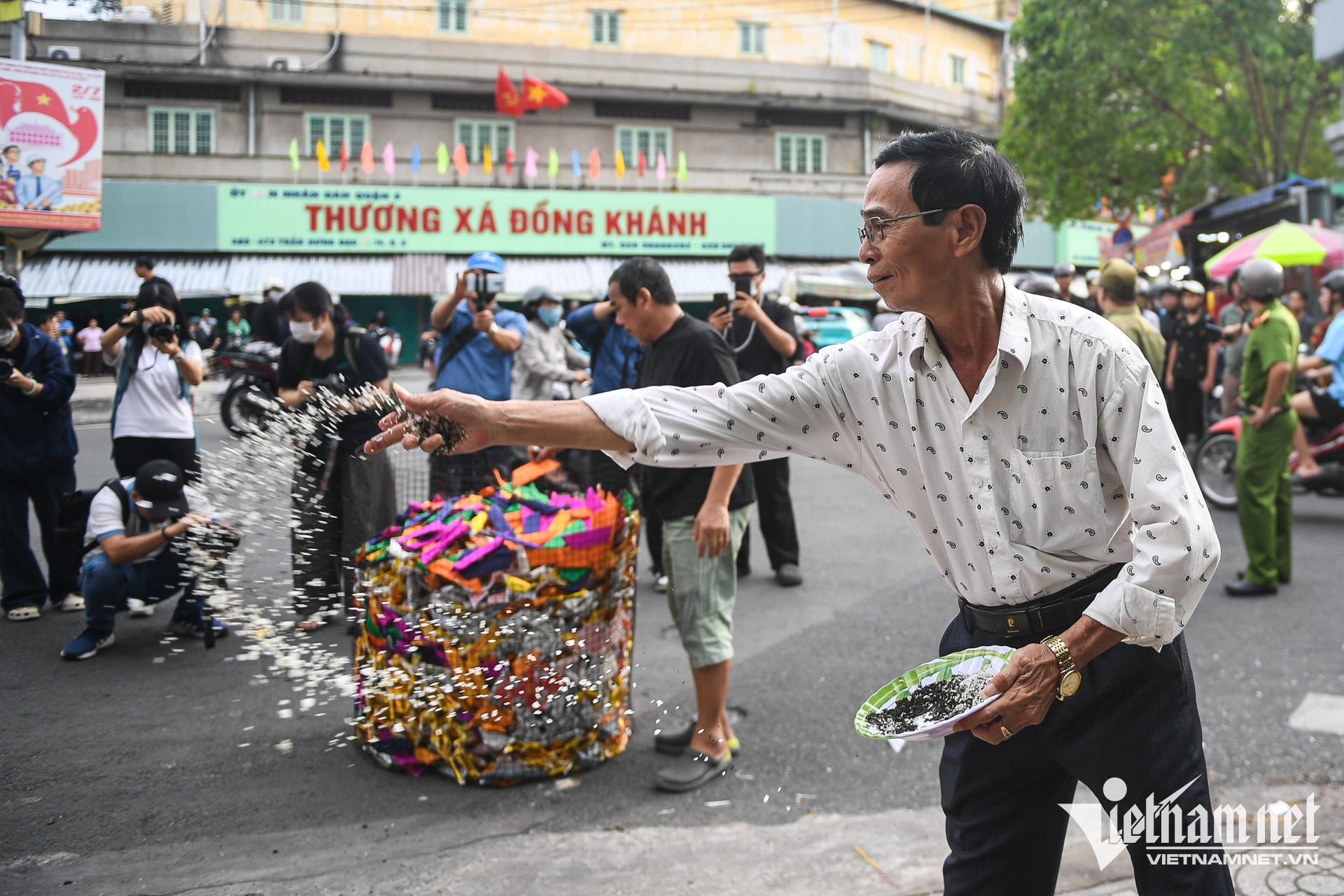
After the incense has burned down, Tri takes the rice, salt and water outside, scattering and sprinkling them in different directions.
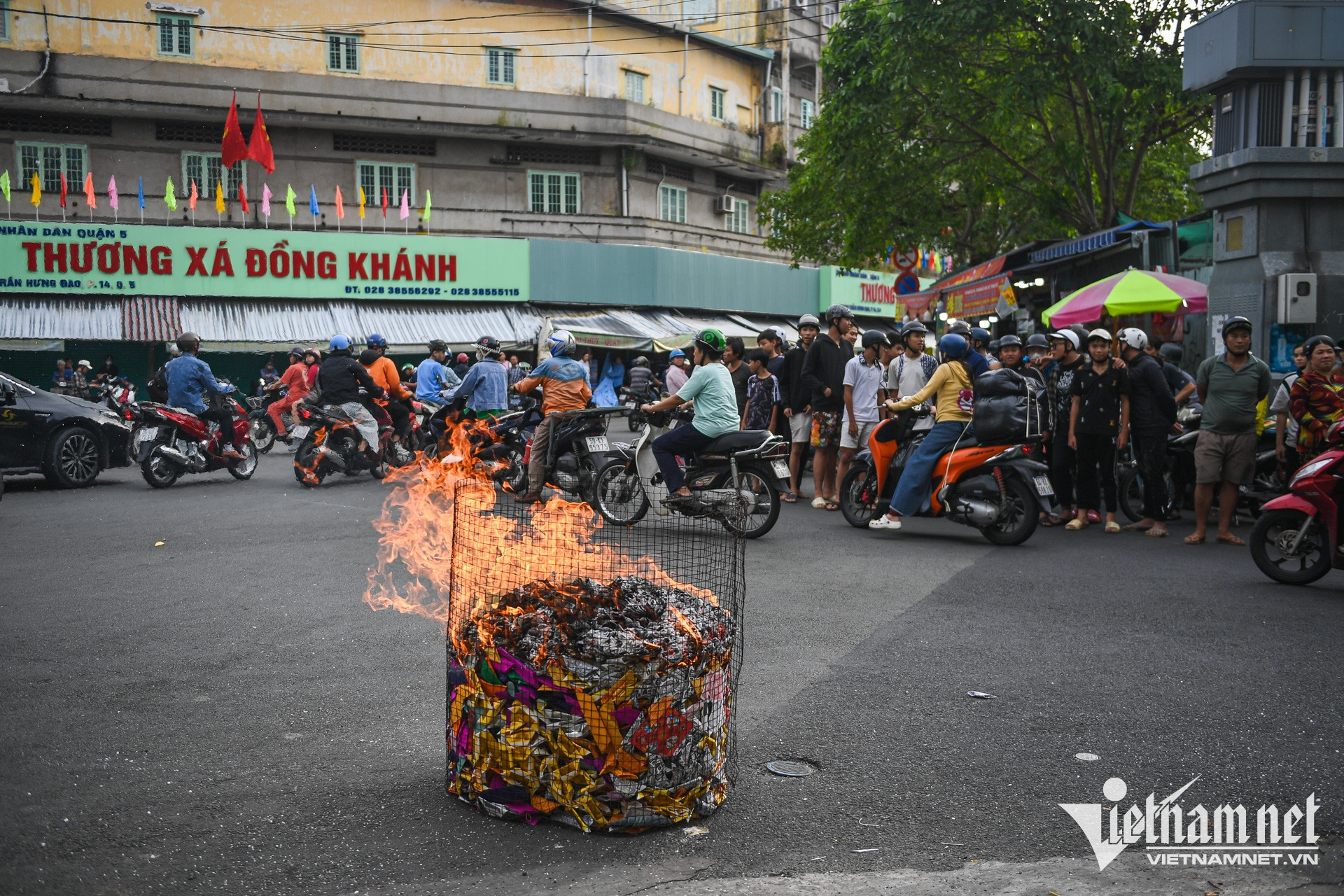
Four bags of votive paper are then taken out to the street and burned. Paper clothing, spirit money and other votive items are set alight one after another until they turn to ash.
The burning is normally carried out outside the home or on the street, reflecting the belief that this prevents wandering spirits from following the household members indoors.
The tradition known locally as giut co hon, in which people scramble for offerings after the ritual, also stems from folk belief. People believe that when others take the offerings away, the household’s misfortunes leave with them, bringing the family peace and good fortune.
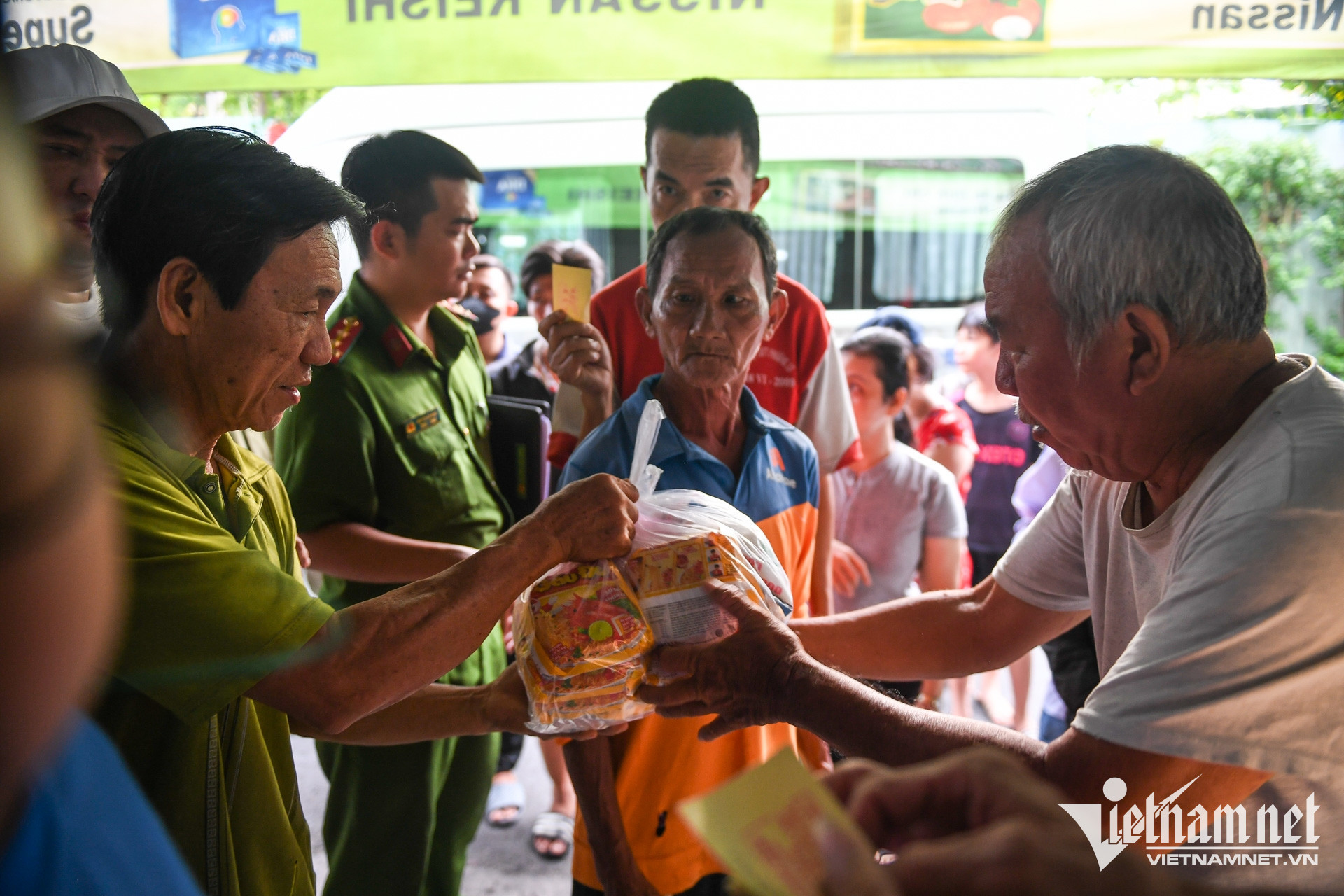
This year, Tri’s family also prepared around 500 gift packages containing instant noodles, rice and confectionery to give to people in difficult circumstances.
In folk belief, offerings to wandering spirits are intended to comfort souls with no home and no one to worship them. Through the ritual, families offer incense, flowers, food and other items for the spirits to receive, while praying for peace, protection from misfortune and prosperity in their livelihoods.
Nguyen Hue - Tuan Hung
.svg)
