 Vietnamnet.vn

 Podcast



Giant drums worth thousands of dollars
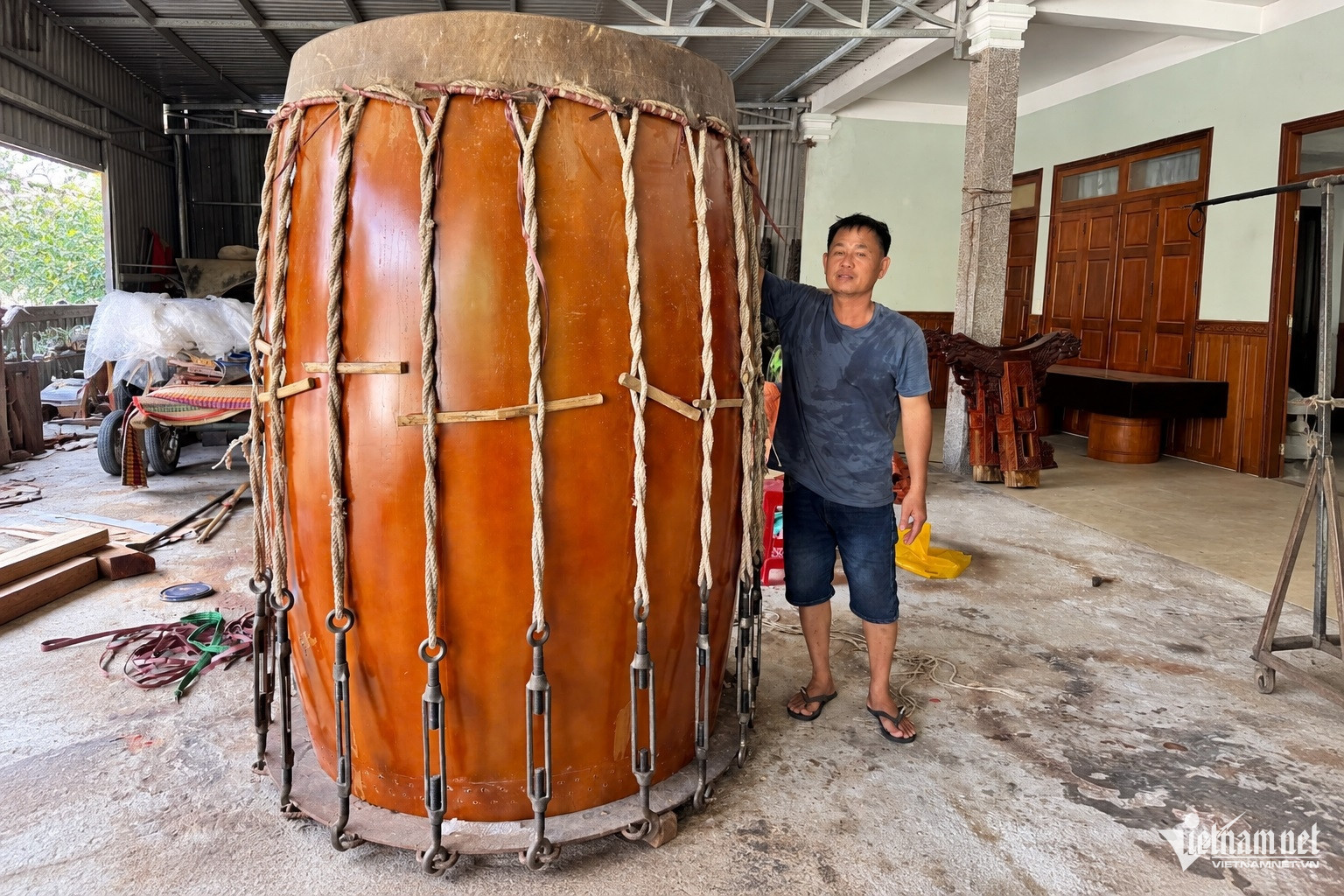
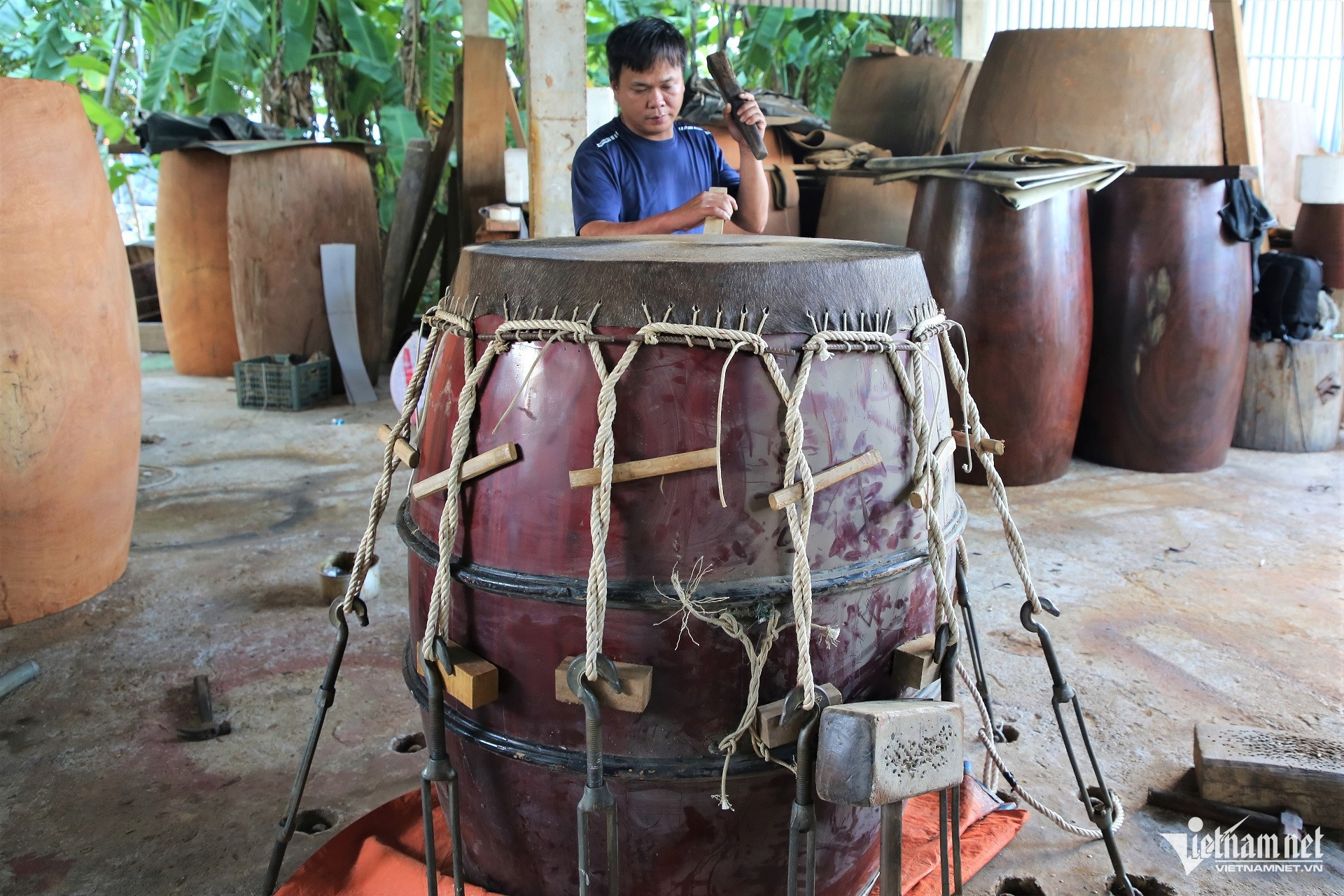
After tightening the drumhead, the craftsman picks up a mallet and strikes it again. As the sound rings out, Phan Van Hiep, 51, tilts his head, listens for a few seconds and makes another adjustment.
Lam Yen village in Vu Gia commune, Da Nang, has long been known for drum making, immortalized in the local saying, “Lam Yen drums, Phuoc Kieu gongs.” The craft dates back more than 200 years and has been closely associated with the Phan family for generations.
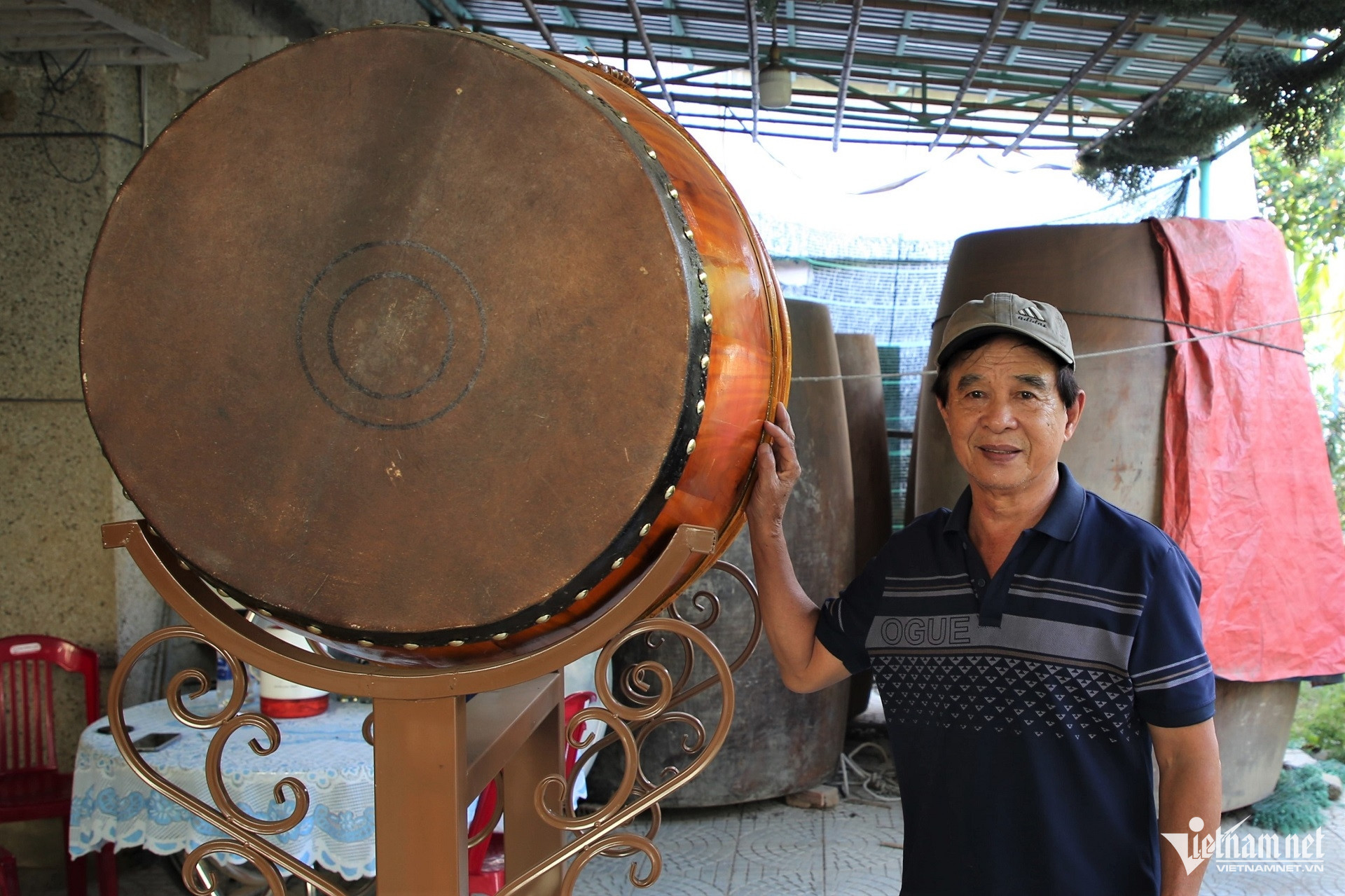
Hiep is the seventh generation of his family in Lam Yen to practice the craft and the son of artisan Phan Van Hai, 78. As a child, he followed his father and grandfather, learning how to select wood, prepare animal hides, stretch drumheads and test their sound.
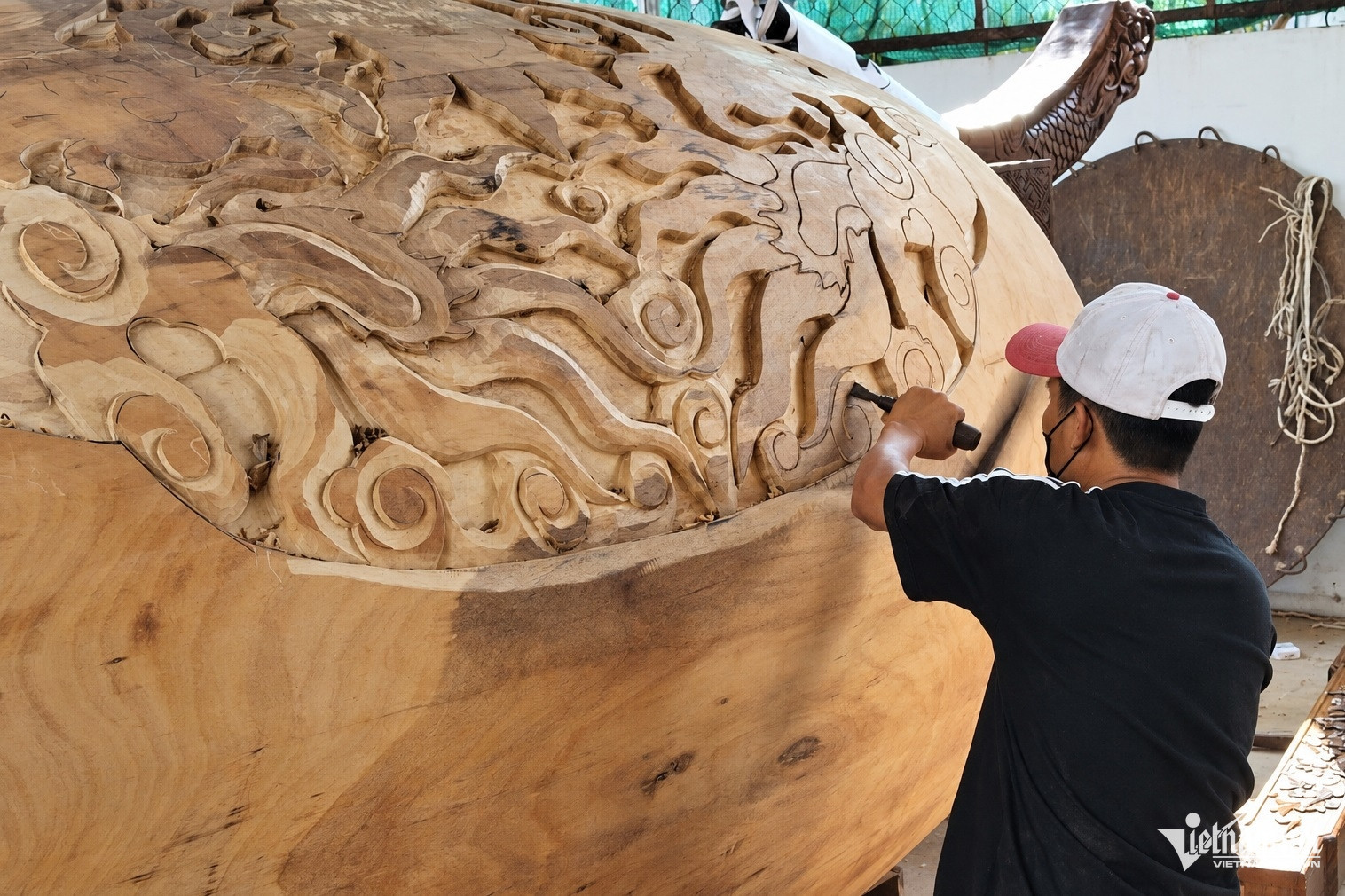
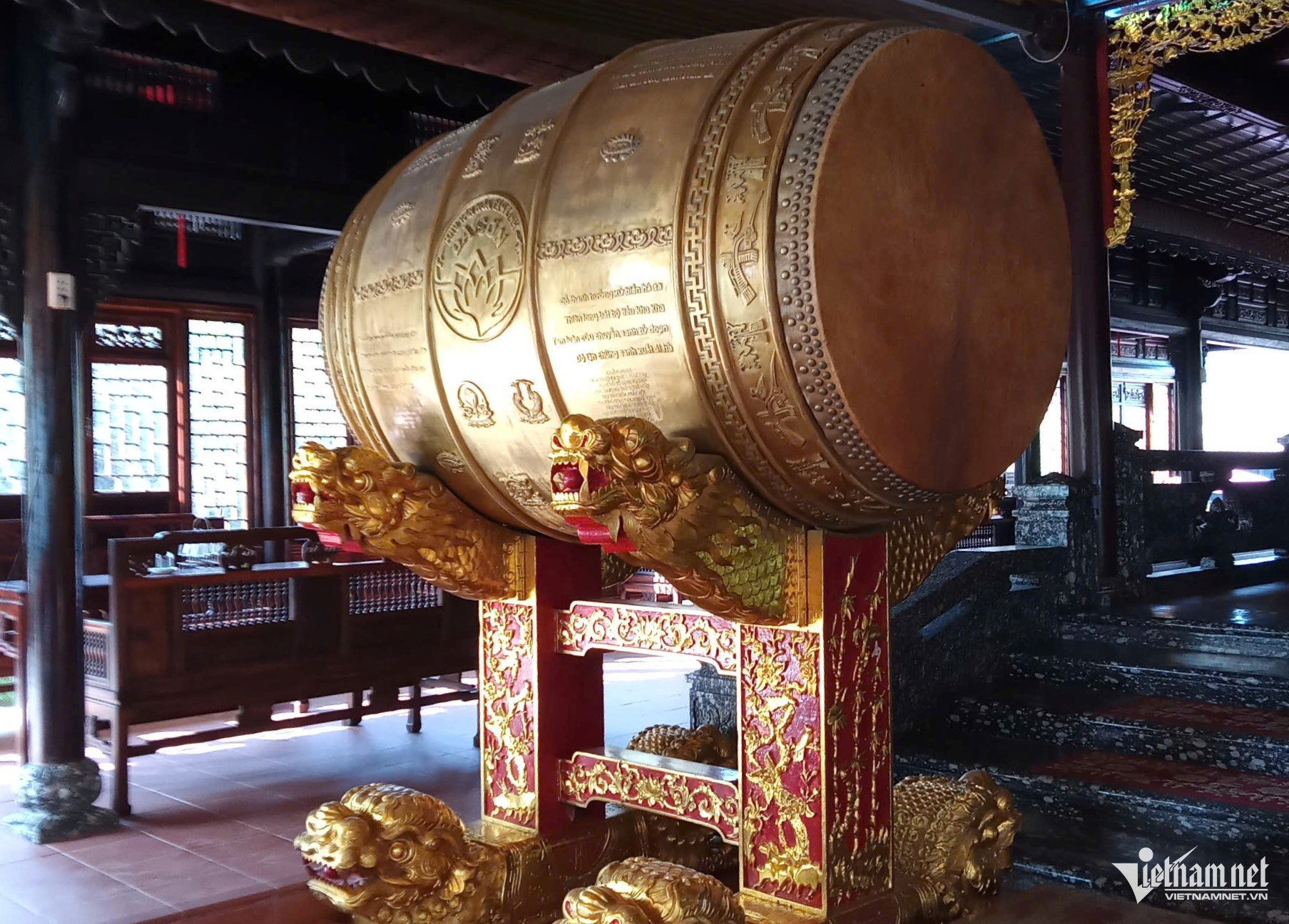
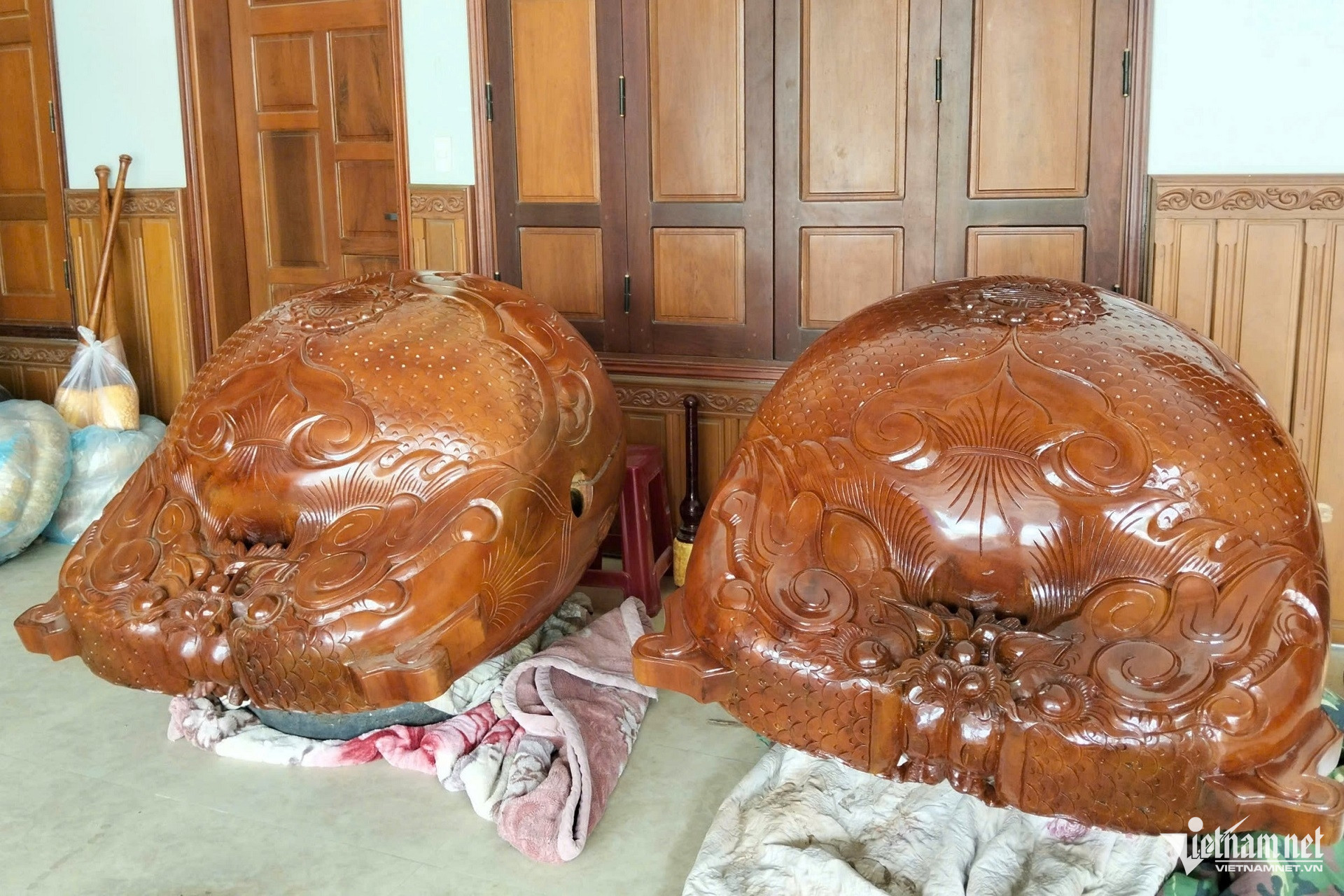
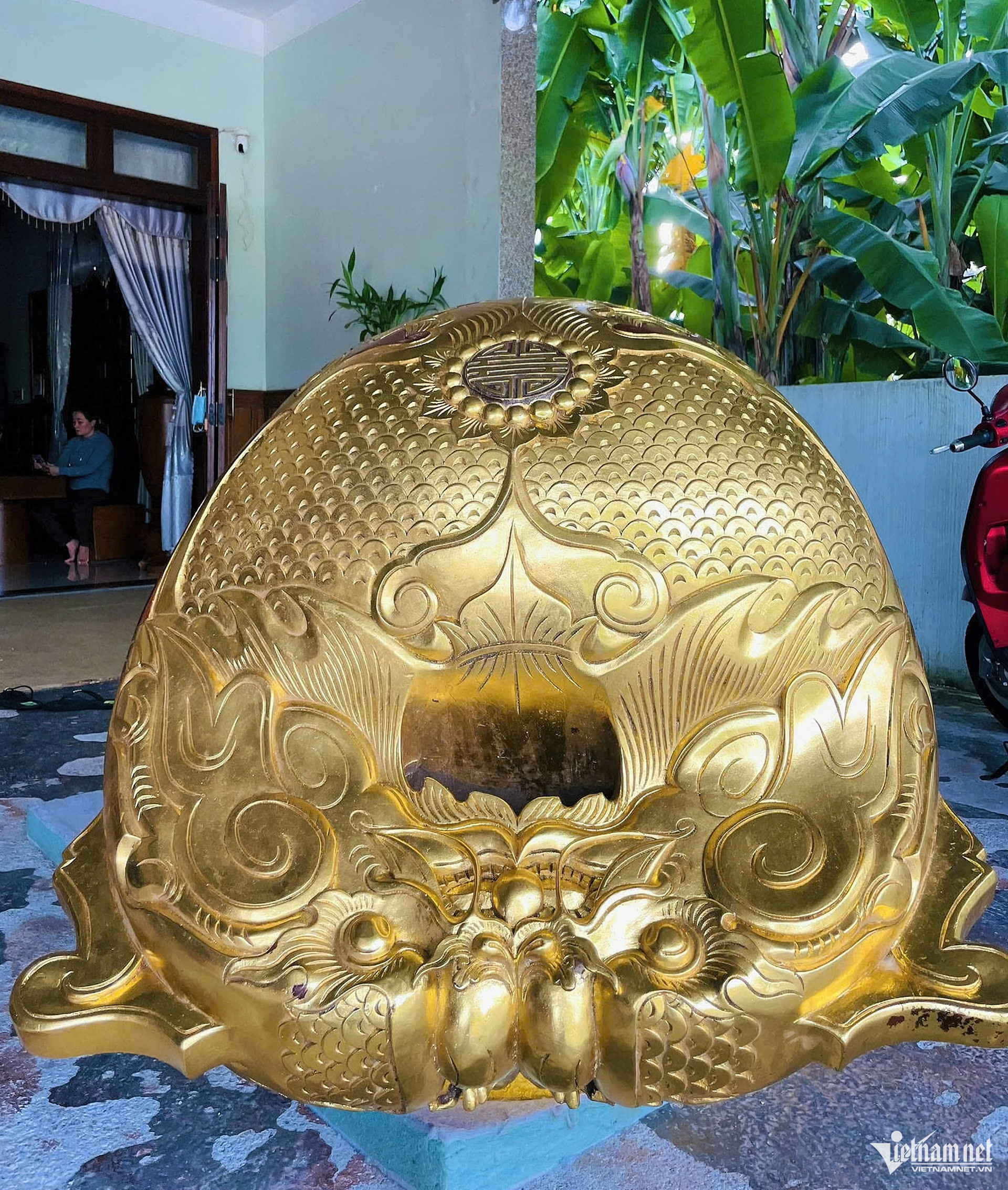
“In the past, my family mainly made small and medium-sized drums from joined wooden staves. In recent years, the workshop has produced more large drums, particularly temple drums carved from single blocks of wood,” Hiep said.
CNC equipment and automated wood-cutting machinery are now used for some shaping and processing, reducing the amount of manual labor involved. But the stages that ultimately determine a drum’s sound - stretching the hide, tuning the drumhead and testing its tone - still depend heavily on the artisan’s skill.
“Making a drum itself isn’t too difficult, but producing a beautiful sound requires a good ear,” Hiep said. “Some things cannot be measured with a ruler. You have to listen.”
Large drums are mainly made to order, with customers specifying their dimensions, type of wood, design and intended use. Production begins only after an order is placed.
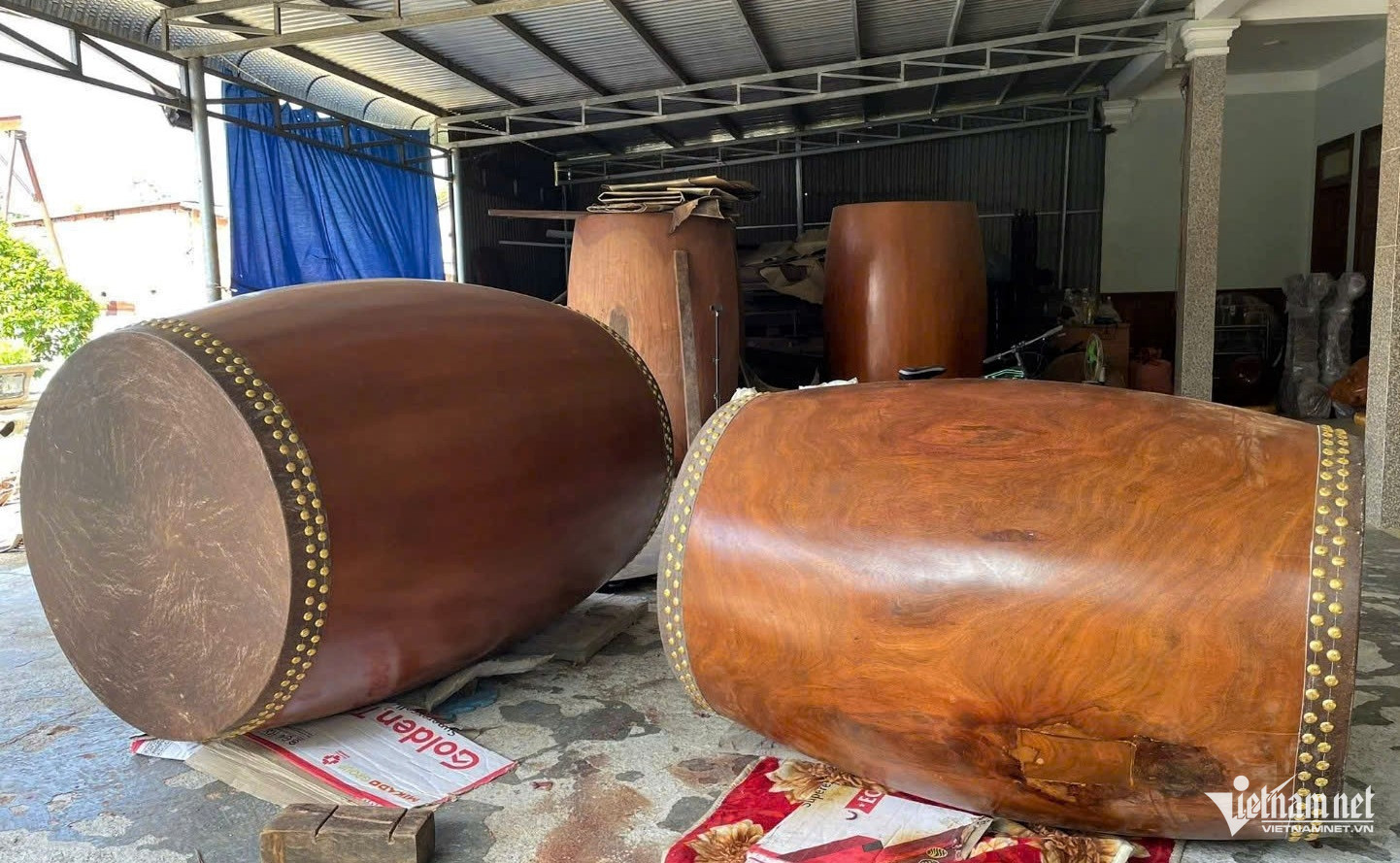
According to Hiep, large drums carved from a single block of wood sell for around $3,800 to nearly $19,000 each, depending on their size, timber and the customer’s specifications. His workshop produces around five to 10 large solid-wood drums a year.
Alongside new drums, the workshop carves wooden fish used in Buddhist chanting and repairs and restores old drums to diversify its sources of income. It employs three to five local workers, who earn around $380-$760 a month. Hiep’s eldest son, 27, is also following in his father’s footsteps.
A village searching for ways to preserve its craft
Phan Thiep, 73, a fourth-generation drum maker with more than 50 years in the trade, still remembers when dozens of households in Lam Yen made drums, collectively turning out thousands of products every year.
Back then, the sounds of sawing and chiseling could be heard across the village from early morning, followed by bursts of drums being tested from one workshop to another. Traders carried Lam Yen drums to destinations across the country, while customers also came directly to the village to place orders or have old drums repaired.
Thiep said that while the craft was initially associated primarily with the Phan family, other villagers gradually learned the skills and established their own workshops. That bustling scene has faded, however, and only around 10 households remain in the trade.
According to Thiep, drum making faces growing competition, while demand is difficult and inconsistent, leaving fewer young people interested in taking up the craft.
“Even within my Phan family, there are not many people directly making drums anymore. I myself have no one to carry on my work,” he said.
His concern is that skills and knowledge passed down through generations could gradually disappear if younger artisans do not take their place.
Among the younger craftsmen still committed to the trade is Ho Van Nguyen, 37, who runs a drum-making workshop in Lam Yen.
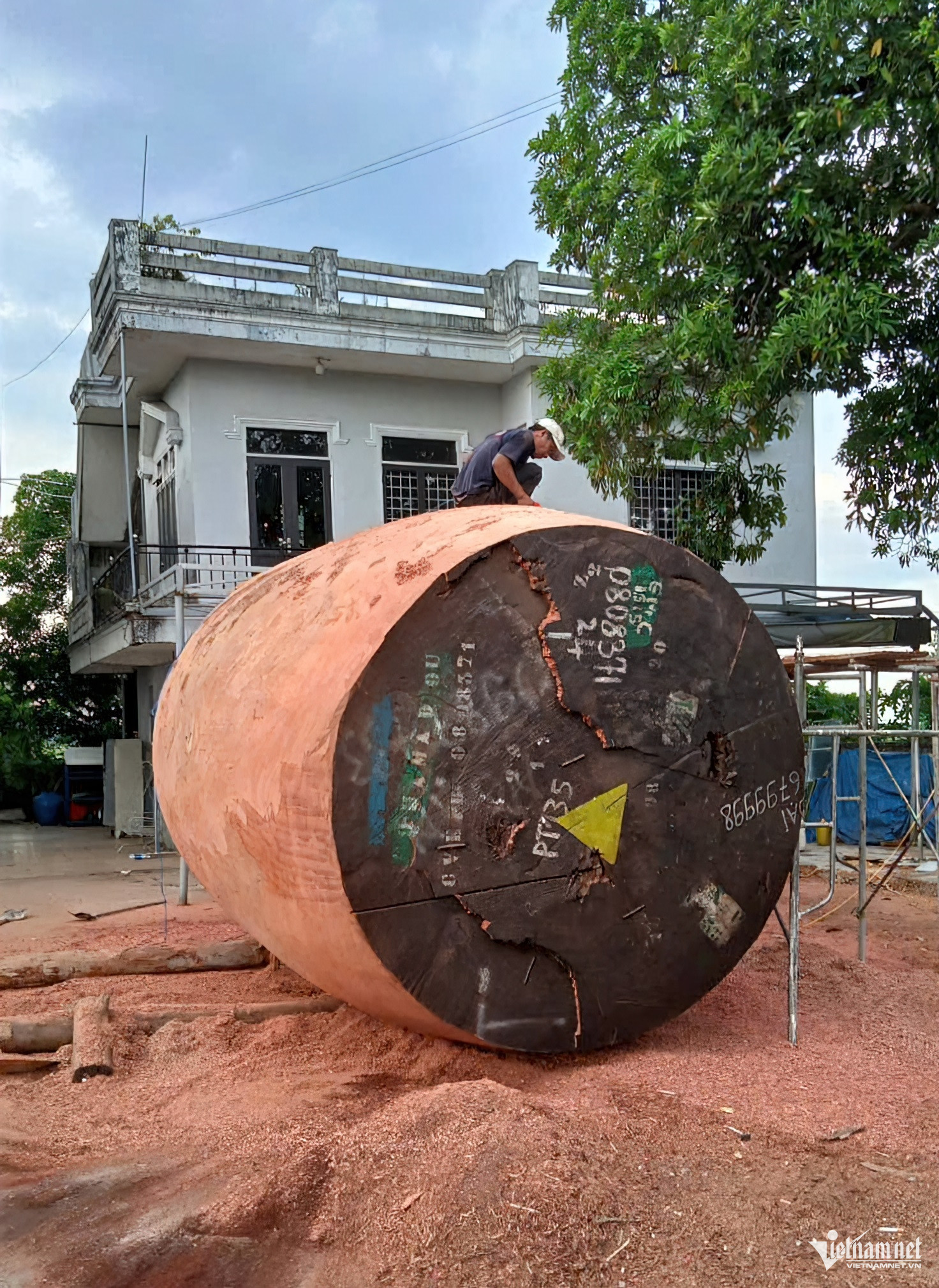
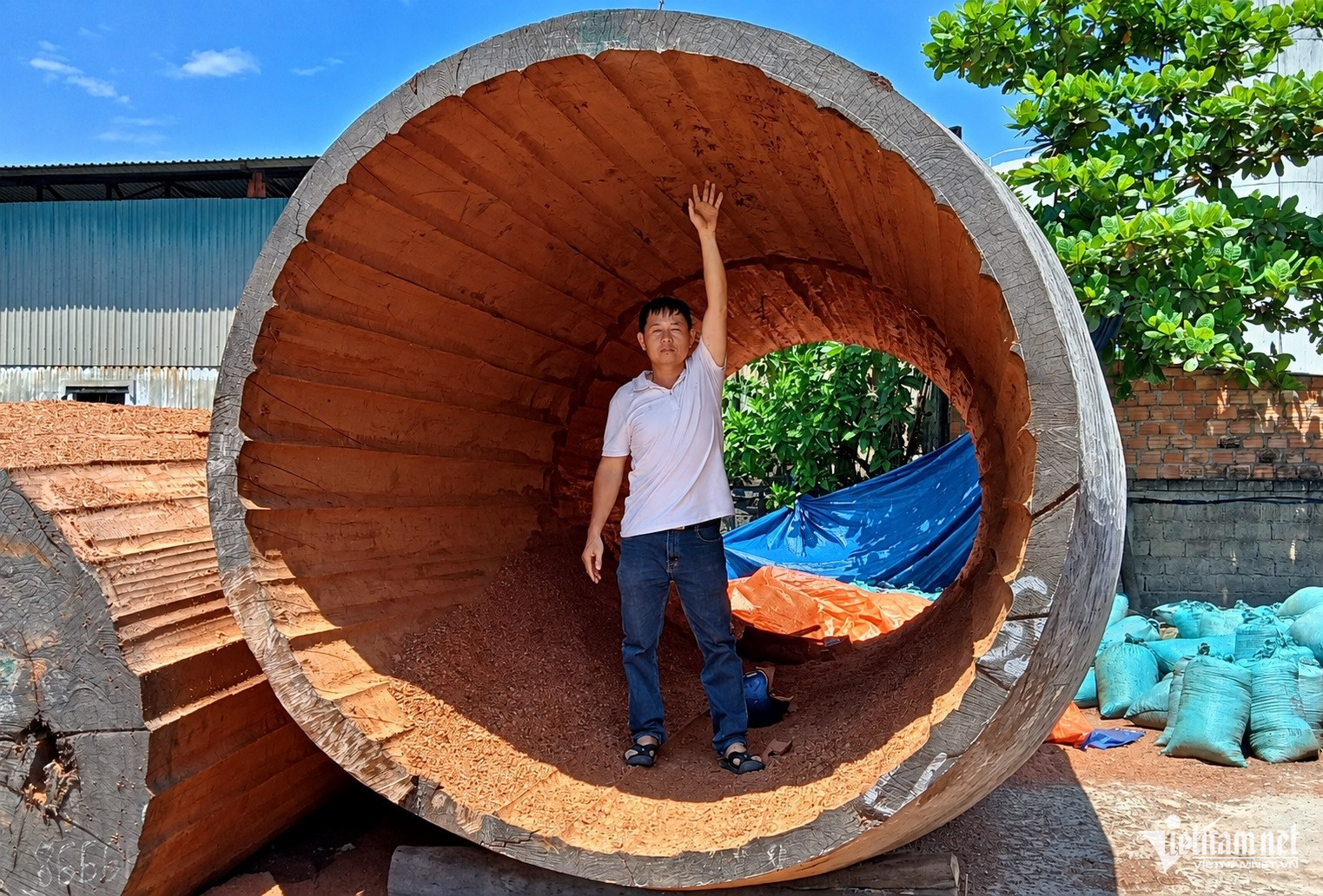
Nguyen said drums whose shells are made from a single piece of timber and hollowed out from the inside are known among local craftsmen as “dam luong” drums. Because they are typically very large, they are also known as “giant drums.”
Some drums made in Lam Yen measure around 1.2 meters in diameter and as much as 1.9 meters in length. Nguyen said that after the interior is hollowed out, the shell of a large drum must be dried and treated to minimize cracking before the hide is stretched over it, its sound tested and the product finished. For particularly large drums, the process can take several months.
Alongside solid-wood drums, some workshops continue to make drums assembled from multiple wooden staves, which cost from around $380 to several thousand dollars each.
According to Nguyen, most customers are communal houses, Buddhist temples and schools, meaning orders can be irregular. Large drums, meanwhile, require substantial quantities of material, labor and production time.
To adapt to changing demand, Lam Yen workshops have expanded their range of made-to-order products. Some also make drums for traditional lion dances and large wooden fish used in Buddhist chanting, which can cost thousands of dollars depending on their size, type of wood and intricacy.
“To make a living from the craft, artisans have to diversify their products and find new sources of demand to expand the market,” Nguyen said.
Le Phan Minh, chairman of the Vu Gia Commune People’s Committee, said local authorities are looking to incorporate Lam Yen into rural tourism tours, allowing visitors to watch artisans select timber, shape drum shells, stretch hides and complete the finished instruments.
Local authorities are also considering bringing the village’s products into Vietnam’s One Commune One Product (OCOP) program in an effort to expand their market and increase their value.
Ha Nam
.svg)
