 Vietnamnet.vn

 Podcast



According to preliminary data from the Vietnam Pepper and Spice Association (VPSA), Vietnam exported 8,985 tons of cinnamon in October 2025 alone, generating USD $21.2 million. This marked a 20.9% increase in volume and an 18.5% increase in value compared to September.
Cumulatively, by the end of October 2025, Vietnam had exported 99,463 tons of cinnamon, with a total export value close to USD $250 million (approximately VND 6,500 billion). This represented a 25.1% year-on-year increase in volume and a 13.2% rise in value compared to the same period in 2024.
Vietnamese cinnamon is now exported to nearly 100 countries and territories. Among these, India remains the largest importer, purchasing nearly 37,800 tons, which accounts for 38% of Vietnam’s total cinnamon exports in the first 10 months of 2025.
In 2024, Vietnam’s cinnamon exports totaled 99,874 tons, earning USD $274.5 million. The current surge in demand reinforces Vietnam’s global ranking as the third-largest cinnamon producer, behind only Indonesia and China.
Cinnamon is primarily grown in northern mountainous provinces. As of 2023, Vietnam had 186,000 hectares of cinnamon plantations. In many regions, the tree has become a mainstay crop that helps ethnic minority communities escape poverty and even build wealth.
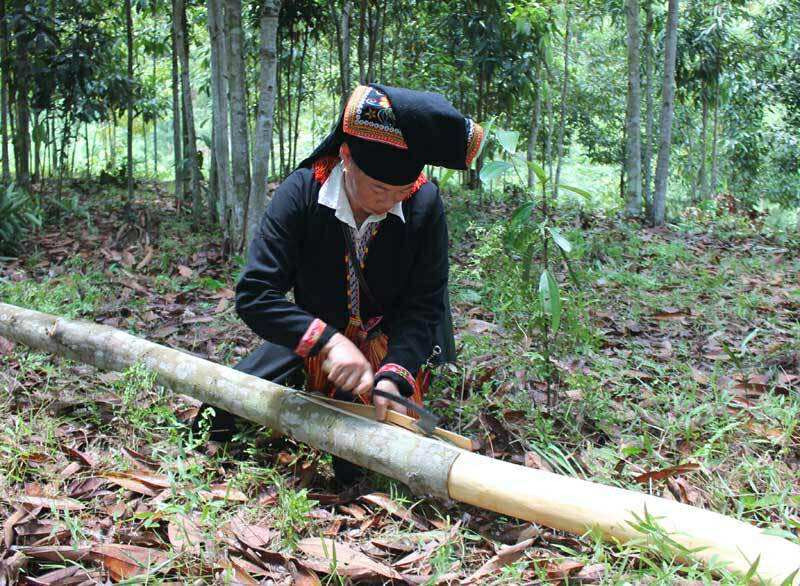
Once mature, cinnamon trees are harvested for their bark. Farmers strip the bark, dry it in the sun, and sell it to local traders or processing companies.
The growing demand for Vietnamese cinnamon not only elevates its position in the global spice trade but also strengthens sustainable rural development and provides crucial income for highland communities.
Tam An
.svg)
