 Vietnamnet.vn

 Podcast



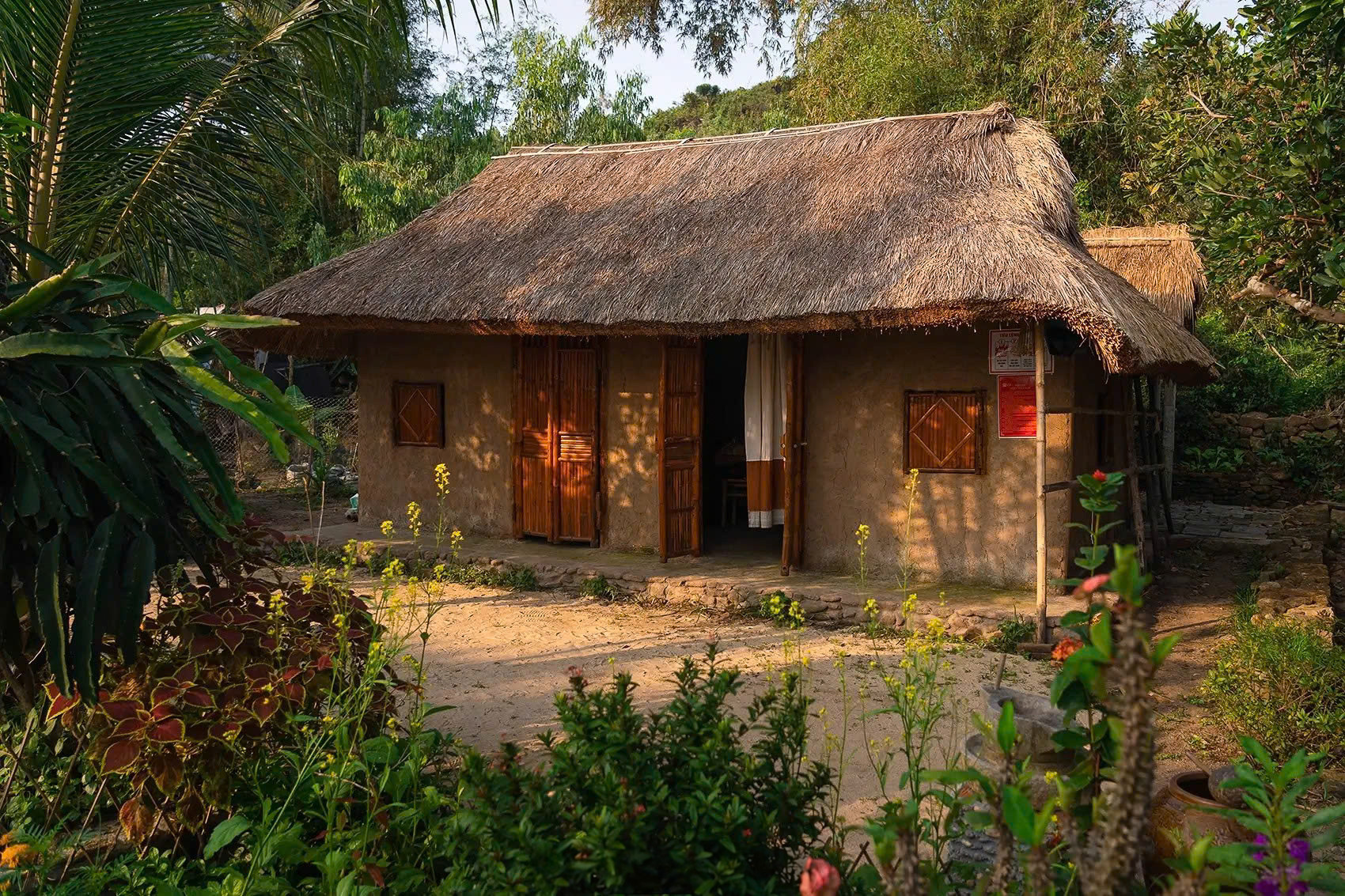
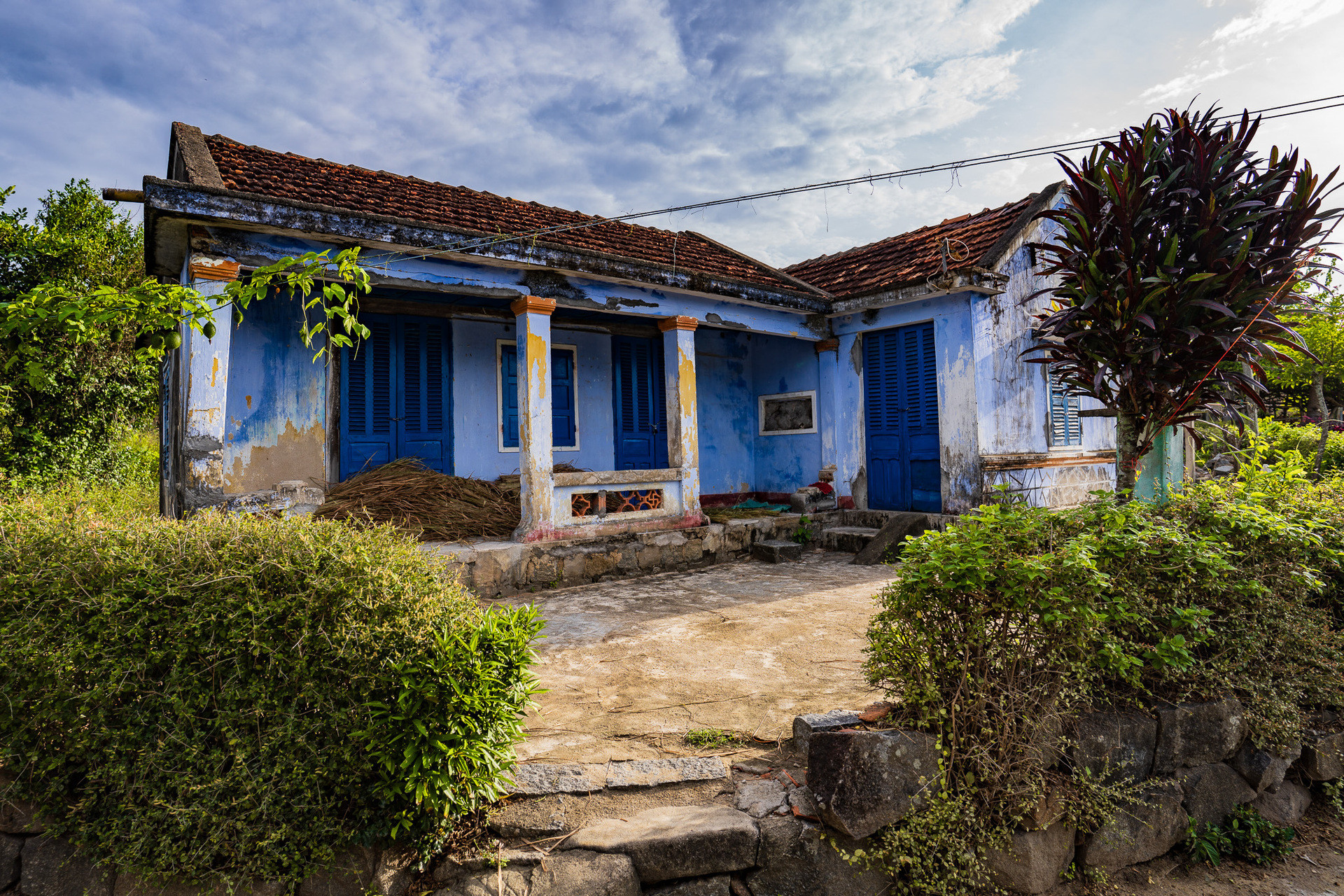
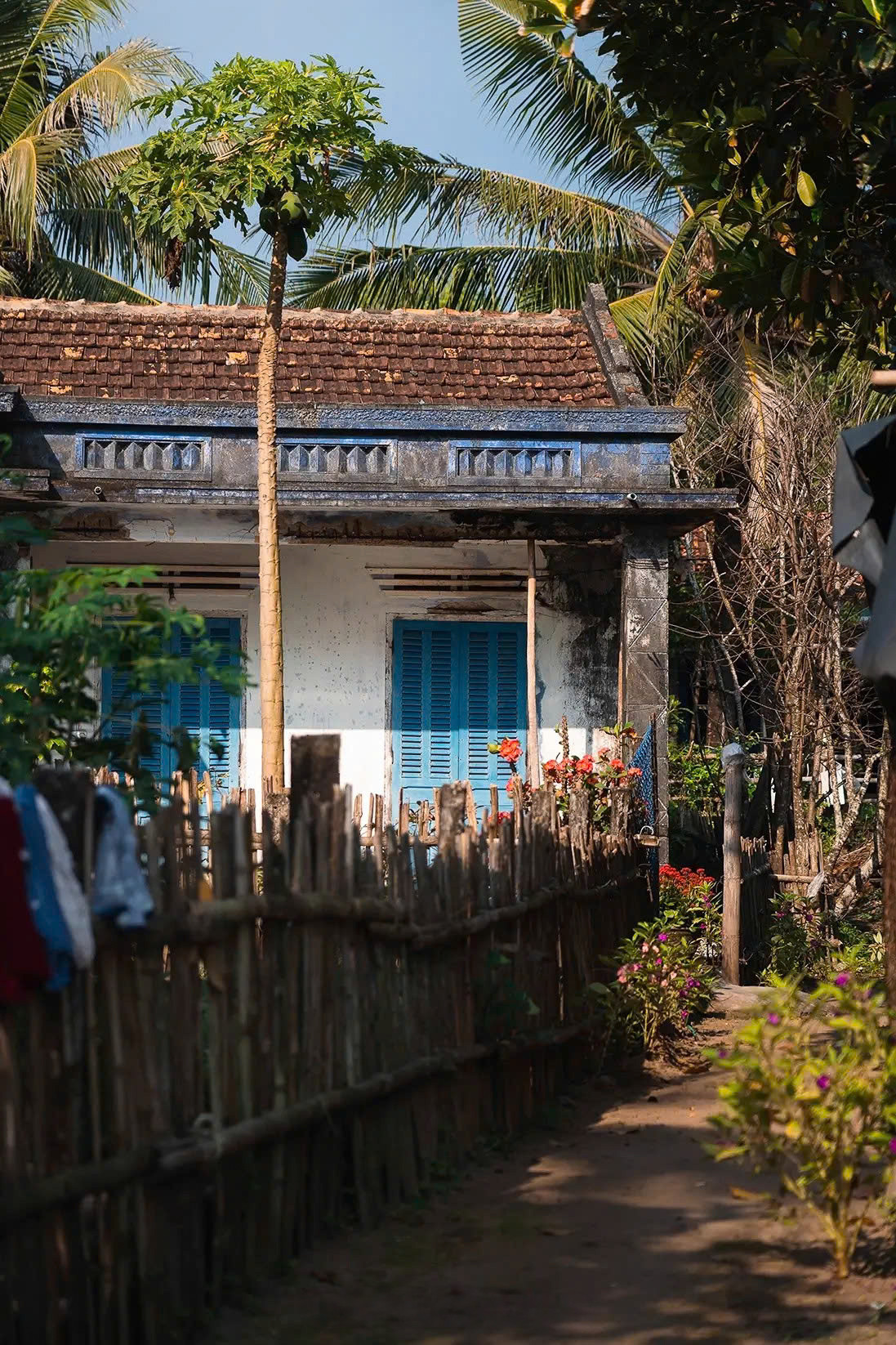
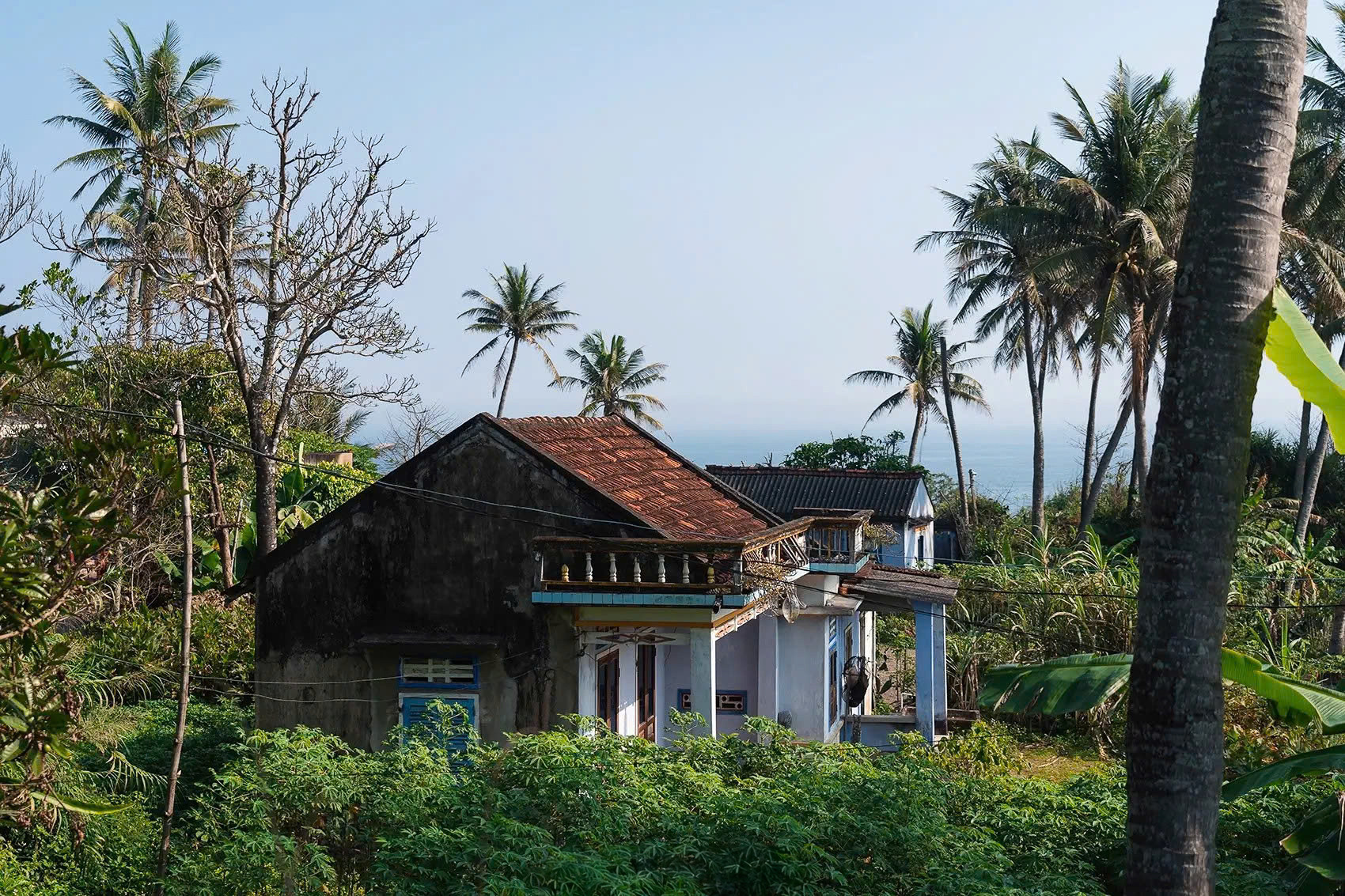
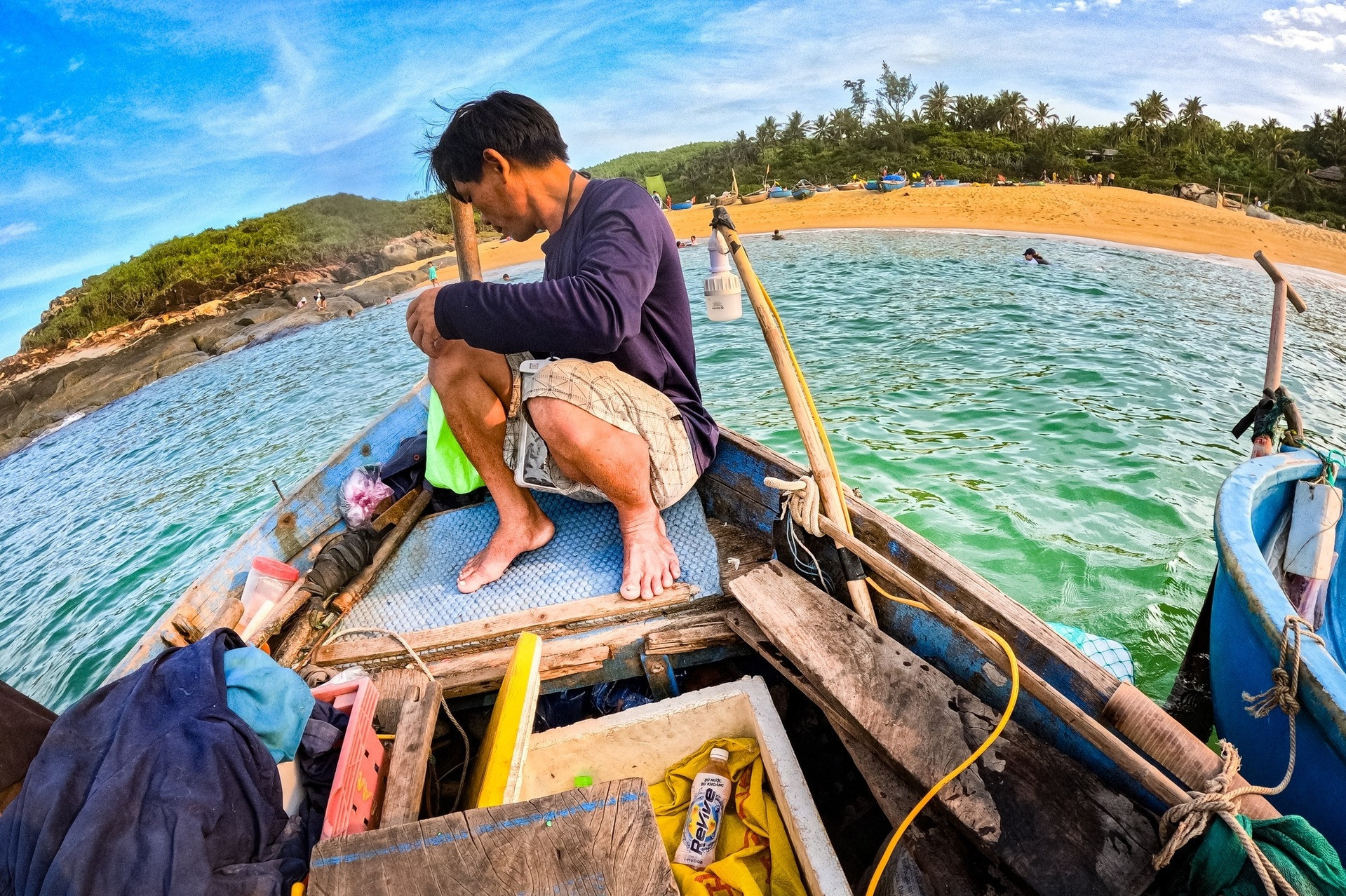
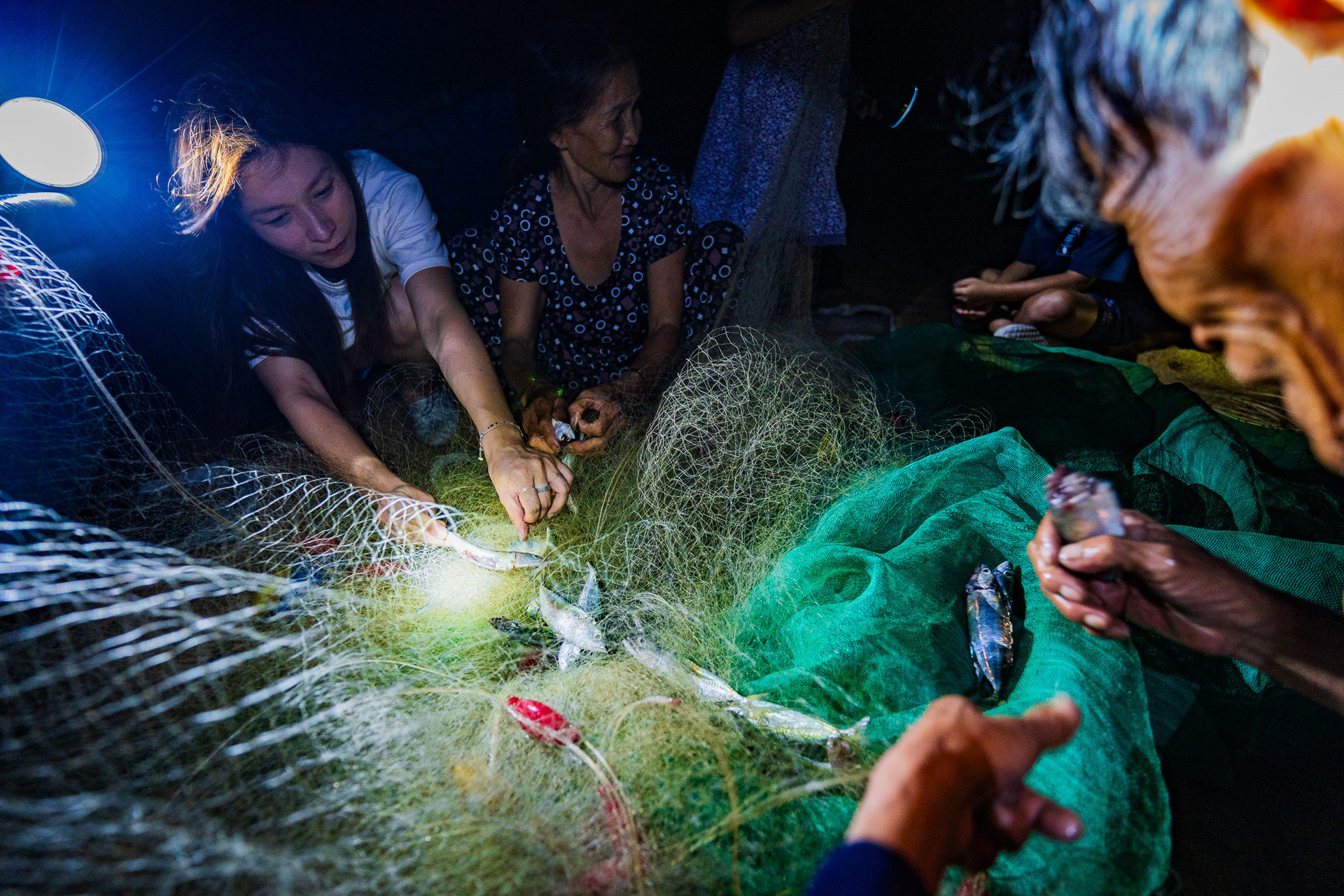
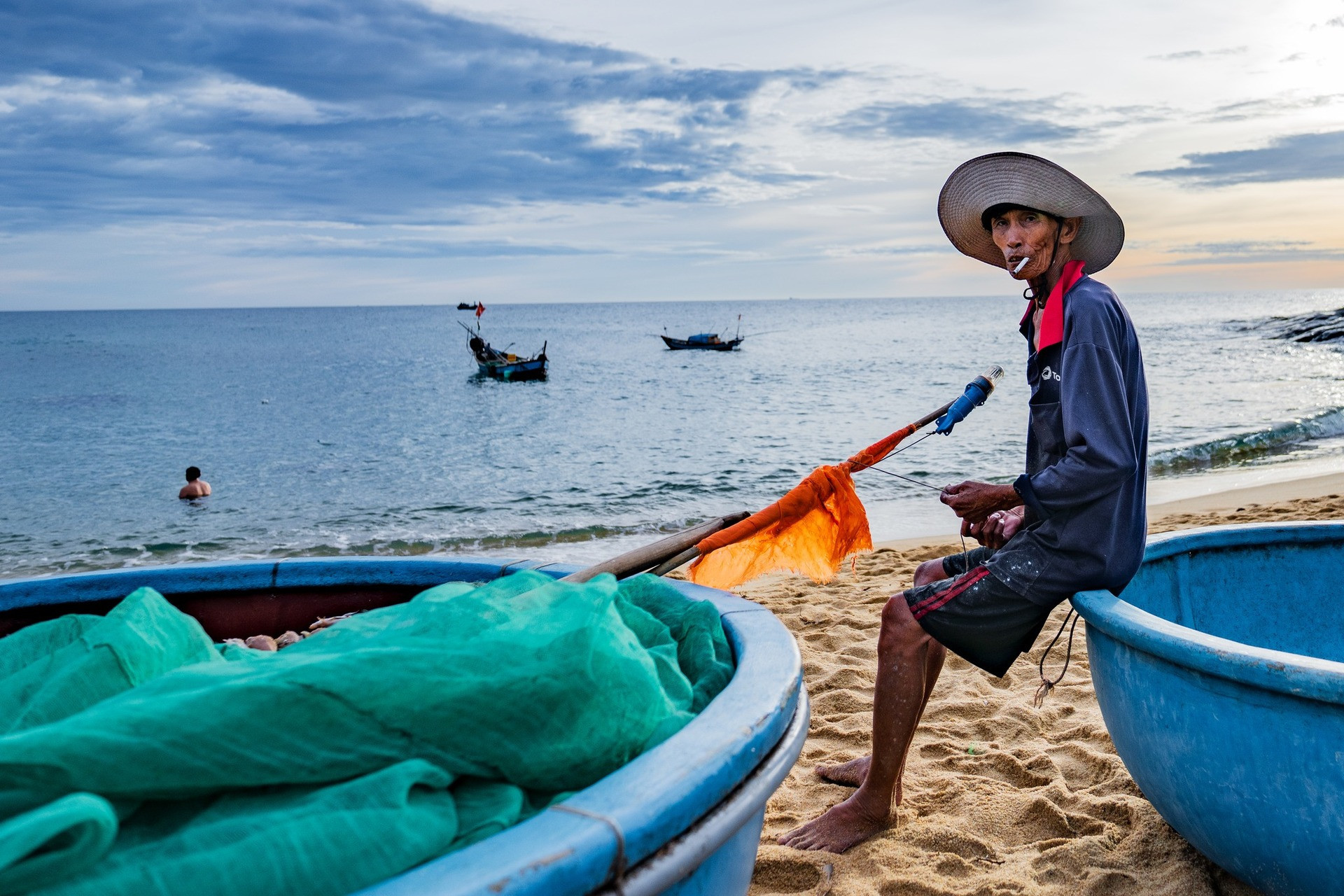

Go Co lies at the confluence of mountains and sea. For years, the residents lived in relative isolation. In recent times, however, the village has become a rising star on Vietnam’s tourism map, thanks to its commitment to preserving the coastal environment through sustainable tourism.
In December 2020, the village became the first in Quang Ngai to be certified a 3-star OCOP (One Commune, One Product) community-based tourism site. The ancient village retains its modest homes tucked beneath lush canopies, preserving a picture of the past.
Archaeologists and historians affirm that Go Co bears witness to the convergence of three major cultures: the Sa Huynh (2,000–3,000 years ago), the Champa (7th–15th centuries), and Dai Viet, continuing to the present day.
Scattered throughout the village are ancient stone slabs, layered stone paths, stone wells, and bridges - all laid by the hands of generations past.
Historically, villagers survived by fishing, gardening, and handcrafting. Today, they contribute to tourism by opening homestays and becoming “folk tour guides” who share stories and teach traditional crafts.
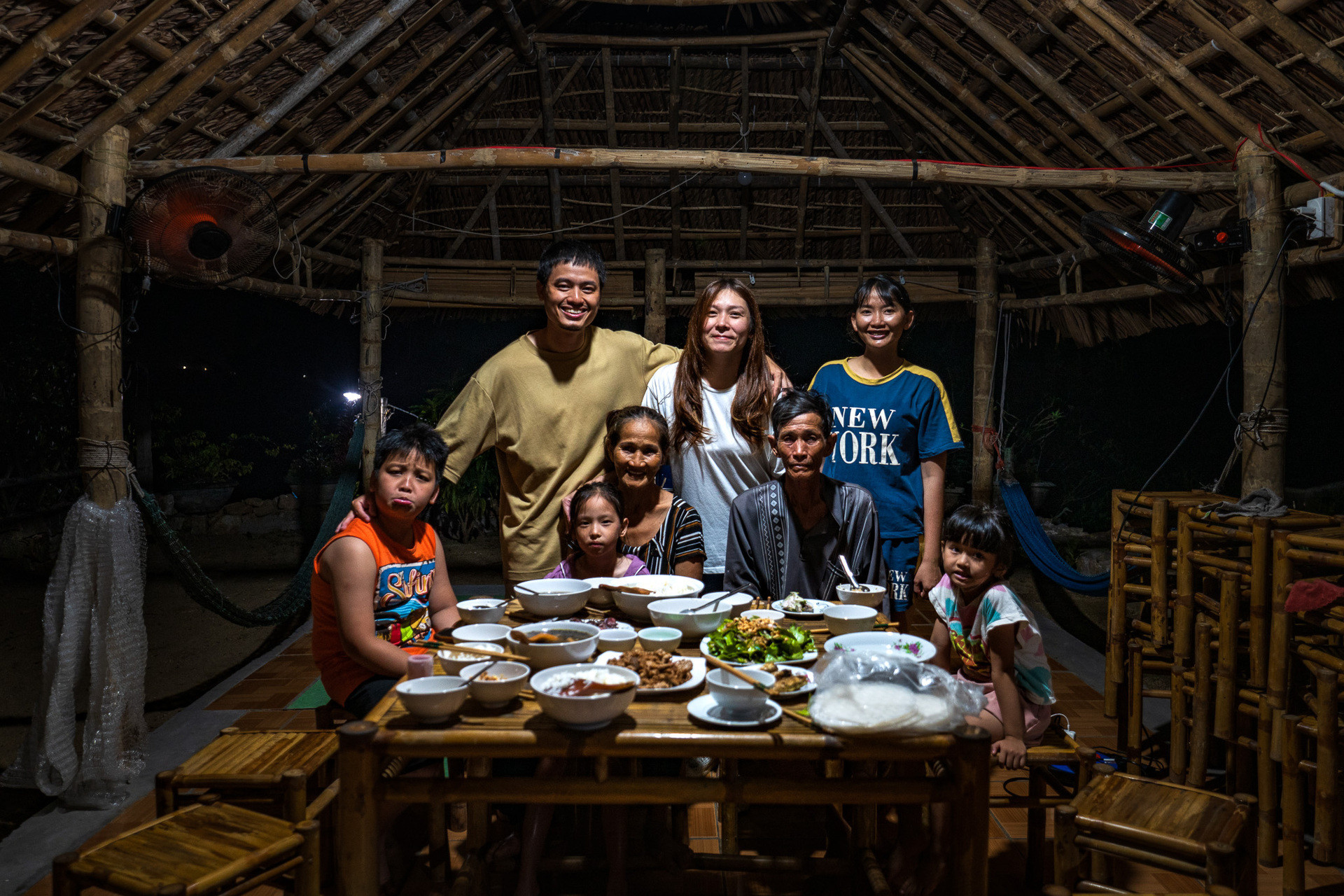
All homestays follow strict community-agreed standards: hosts must be native to the village and trace at least three generations of residence. Visitors are welcomed as family, sharing meals, accommodations, and daily activities with locals.
Each homestay is named after a village icon: the ancient well, bai choi singing, sea urchins, rocky cliffs, wild pineapples…
Roofs are typically thatched; walls are made of woven bamboo covered with a mix of clay, straw, and water. Most furnishings are handcrafted from bamboo.
“Go Co isn’t for those chasing modern comforts. But if you're looking for something authentic, rustic, and truly representative of a traditional fishing village, this is a place worth experiencing,” Nhat noted.
Beside the village is a serene beach. Visitors can admire the sea cliffs by rowing a small coracle boat at dawn or dusk.
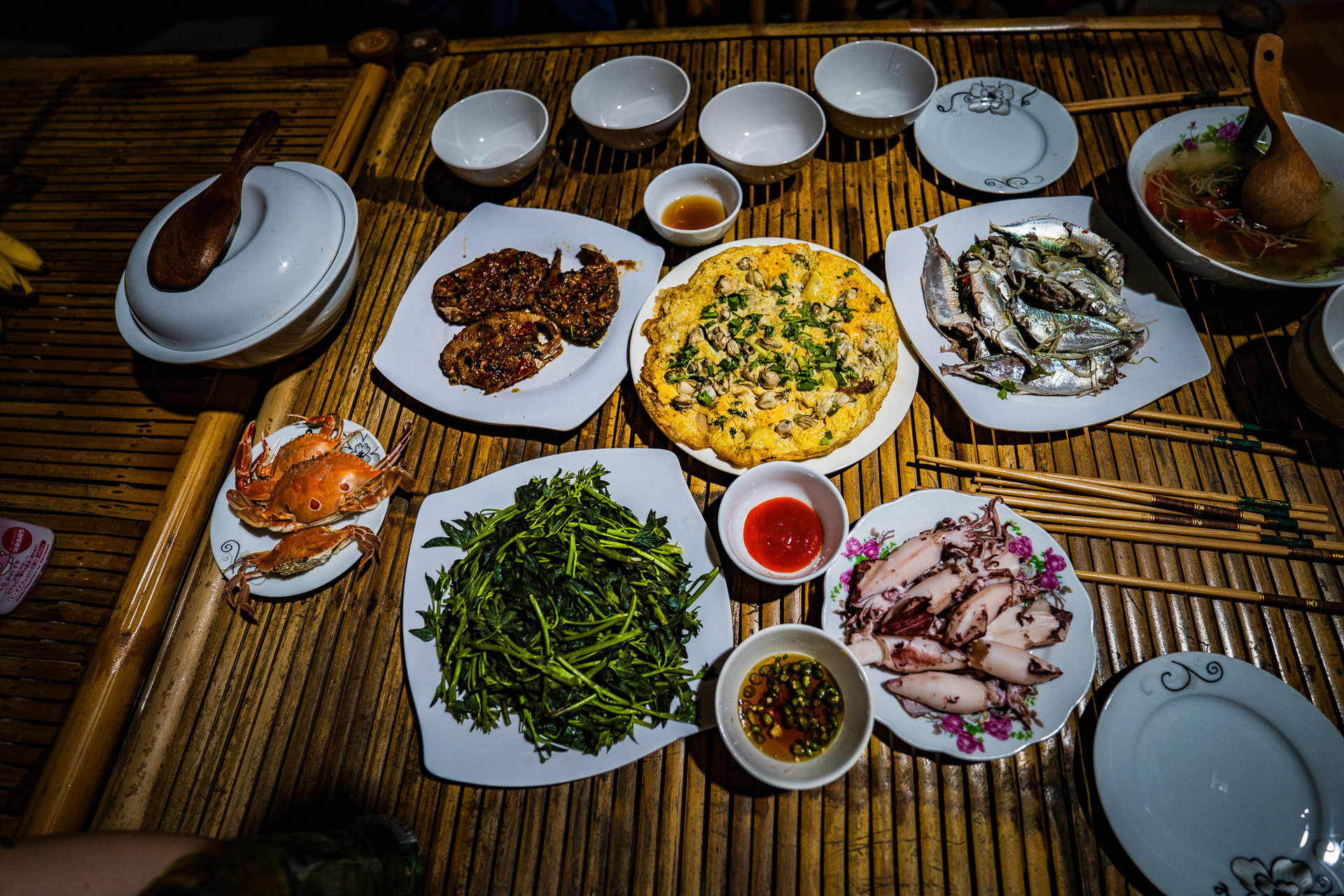
Local cuisine is another highlight, with specialties like luoi long (a cactus variety) cooked into soups or salads, and fresh seafood dishes like grilled sea urchin, squid, oyster soup, and fish skin salad.
“During meals, our hosts would share stories about their children who moved away for work, the day’s catch, and village gossip - it felt like sitting down with grandparents again.
The food wasn’t extravagant, but it was as comforting as a meal cooked by your grandmother or mother,” Nhat reflected.
The Hanoi visitors also praised Go Co’s affordability: accommodations cost only 350,000 VND (about $14.75 USD) per night, with meals priced at 70,000 VND (around $3 USD) per person. Breakfasts were even cheaper, often just 10,000–15,000 VND (under $1 USD).
Some newer homestays in the village have upgraded to concrete homes with air conditioning to meet tourists’ comfort needs. Beyond the village itself, guests can also visit the nearby Sa Huynh salt fields for an added local experience.
Linh Trang
.svg)
