 Vietnamnet.vn

 Podcast



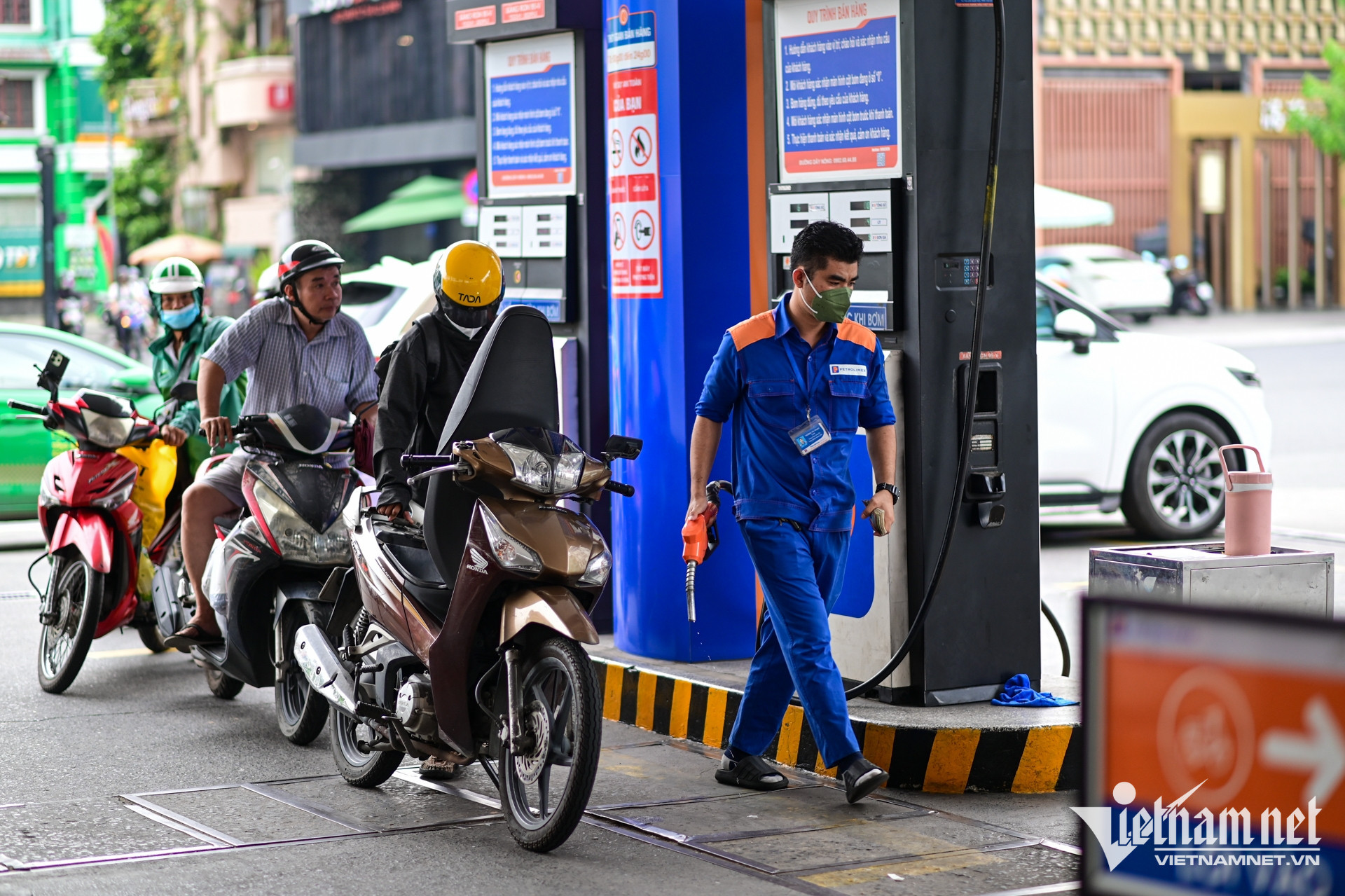
According to the directive signed by Prime Minister Pham Minh Chinh, the Minister of Industry and Trade must closely monitor developments in both global and domestic fuel markets. Authorities are required to proactively assess supply-demand conditions, reserves and distribution system operations in order to implement timely regulatory measures.
Major fuel wholesalers and producers have been instructed to actively develop supply plans, ensuring sufficient fuel for the distribution network. They must maintain regular retail operations, sell at officially listed prices and closely track market fluctuations to adopt appropriate management solutions.
The Prime Minister stressed the need for timely redistribution of fuel supply between regions and localities to avoid shortages or disruptions, ensuring that the economy and society have sufficient fuel for production and consumption.
The Ministry of Industry and Trade will coordinate closely with the Ministry of Finance to regulate fuel prices in accordance with legal provisions, ensuring transparency, efficiency and fairness. The directive also emphasizes preventing policy exploitation or group interests while balancing the interests of the State, businesses and citizens.
The Ministry of Industry and Trade is also tasked with working alongside the Ministry of Finance and other agencies to accelerate the expansion of national fuel reserves. At the same time, authorities must finalize mechanisms for releasing strategic reserves in emergency situations.
The Minister of Finance will monitor market developments closely and coordinate with the Ministry of Industry and Trade in managing fuel prices under current regulations. The goal is to stabilize the market, control inflation and support business activities.
The ministry must also strengthen inspection and supervision of the fuel price stabilization fund managed by major wholesalers, ensuring that the fund is established, managed and used in accordance with regulations.
At the same time, the Prime Minister directed authorities to implement tax policies related to petroleum products in accordance with current regulations. Relevant agencies must promptly guide businesses and local authorities to ensure consistent implementation, creating favorable conditions for fuel imports.
Chairpersons of provincial and municipal People's Committees are required to closely monitor fuel market developments within their jurisdictions. They must promptly implement regulatory measures to ensure fuel supply for business activities and consumer demand.
Local authorities are also instructed to facilitate fuel trading, transportation and distribution activities.
In addition, the Prime Minister assigned multiple responsibilities to the Ministers of Industry and Trade, Finance, Public Security, the Government Inspectorate, the National Steering Committee 389 and provincial leaders to strengthen inspection and supervision of fuel trading activities.
Authorities must promptly detect, prevent and strictly handle violations such as hoarding, smuggling across borders and breaches of fuel trading or pricing regulations.
The directive specifically requires that retail fuel stations must not suspend operations without valid reasons, as such actions could cause localized shortages and disrupt supply chains.
Encouraging energy-saving practices
The directive also requires the Ministry of Industry and Trade and provincial authorities to implement practical measures encouraging people and businesses to use fuel more efficiently.
Priority should be given to public transportation, electric vehicles and biofuels in order to reduce dependence on fossil fuels and support Vietnam’s green transition.
The Prime Minister also requested media agencies to provide accurate, timely, objective and comprehensive information about both domestic and global fuel markets. The aim is to help businesses and citizens understand the situation clearly and avoid misinformation that could trigger panic or negative market sentiment.
Leaders of major energy enterprises - including Vietnam National Industry - Energy Group, Vietnam National Petroleum Group, Binh Son Refining and Petrochemical Joint Stock Company, and Nghi Son Refinery and Petrochemical LLC - have been instructed to maintain safe, stable and continuous operations at oil and gas processing plants.
These companies are also required to optimize operations within technical limits to increase domestic fuel supply when global markets fluctuate.
They must proactively prepare production, reserve and supply plans aligned with market demand, including contingency plans to ensure stable fuel supply for the domestic market. Diversifying sources of raw materials for production is also required.
The Prime Minister further tasked the Vietnam Petroleum Association with strengthening information sharing on both global and domestic fuel market developments among its members, while ensuring that member businesses strictly comply with their rights and obligations under current regulations.
Tran Thuong
.svg)
