 Vietnamnet.vn

 Podcast



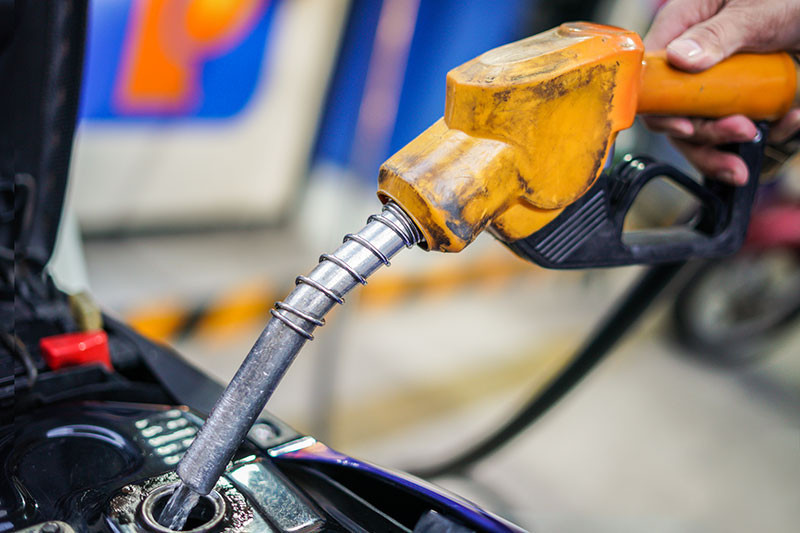
The ministry recently issued a directive to companies involved in the production, trading and distribution of petroleum products, urging them to proactively secure supply and strictly implement import and stockpiling plans.
The move comes as military conflict in the Middle East continues to create uncertainty in global energy markets.
According to the ministry, geopolitical tensions in several regions have driven crude oil and refined fuel prices higher on the international market, raising concerns about potential impacts on energy security, production activities and people’s daily lives.
To prepare for possible market volatility, the Ministry of Industry and Trade said it has been implementing a range of measures aimed at ensuring sufficient fuel supply for businesses and consumers.
These efforts are also intended to help control inflation and maintain macroeconomic stability.
The Ministry of Industry and Trade requires fuel traders to strictly comply with the minimum total fuel supply quotas for 2026 that have already been assigned, including both quantity and product types.
At the same time, businesses are required to actively monitor market developments, develop contingency plans and diversify supply sources from both domestic production and imports.
They must also maintain fuel reserves in accordance with regulations.
Fuel wholesalers are required to follow their import plans and procurement from domestic refineries during March, as previously registered with the ministry, while urgently preparing import plans for April 2026.
For companies involved in petroleum production, the ministry requires measures to ensure stable crude oil imports and continued diversification of supply sources in order to meet domestic demand.
Domestic refineries such as Dung Quat and Nghi Son must maintain stable operations while ensuring safety standards related to fire prevention and environmental protection.
If refinery operations are suspended for maintenance or due to technical problems that affect fuel output, businesses must immediately report to the ministry so that appropriate measures can be taken.
Most importantly, the ministry emphasized that wholesalers and distributors must not hoard fuel in anticipation of price increases.
From major suppliers and distributors to retail gas stations, all participants in the fuel supply chain are required to ensure that no disruptions occur in the distribution system.
The ministry also advised businesses to share supply and profits reasonably within the distribution network in order to maintain smooth fuel supply to the market.
Companies are also asked to arrange sufficient staff and organize shifts or overtime if necessary so that retail gas stations can operate continuously.
The Ministry of Industry and Trade will coordinate with relevant authorities to strengthen inspections and supervision of companies responsible for ensuring fuel supply.
Authorities will closely monitor fuel imports, purchases from domestic refineries and commercial reserves.
Any violations will be strictly handled in accordance with the law.
Tam An
.svg)
