 Vietnamnet.vn

 Podcast



The government has directed that adjustments to various allowances, the base salary, pensions, and several social benefit schemes must be implemented within the first quarter of 2026, in line with resolutions passed at the 10th session of the 15th National Assembly.
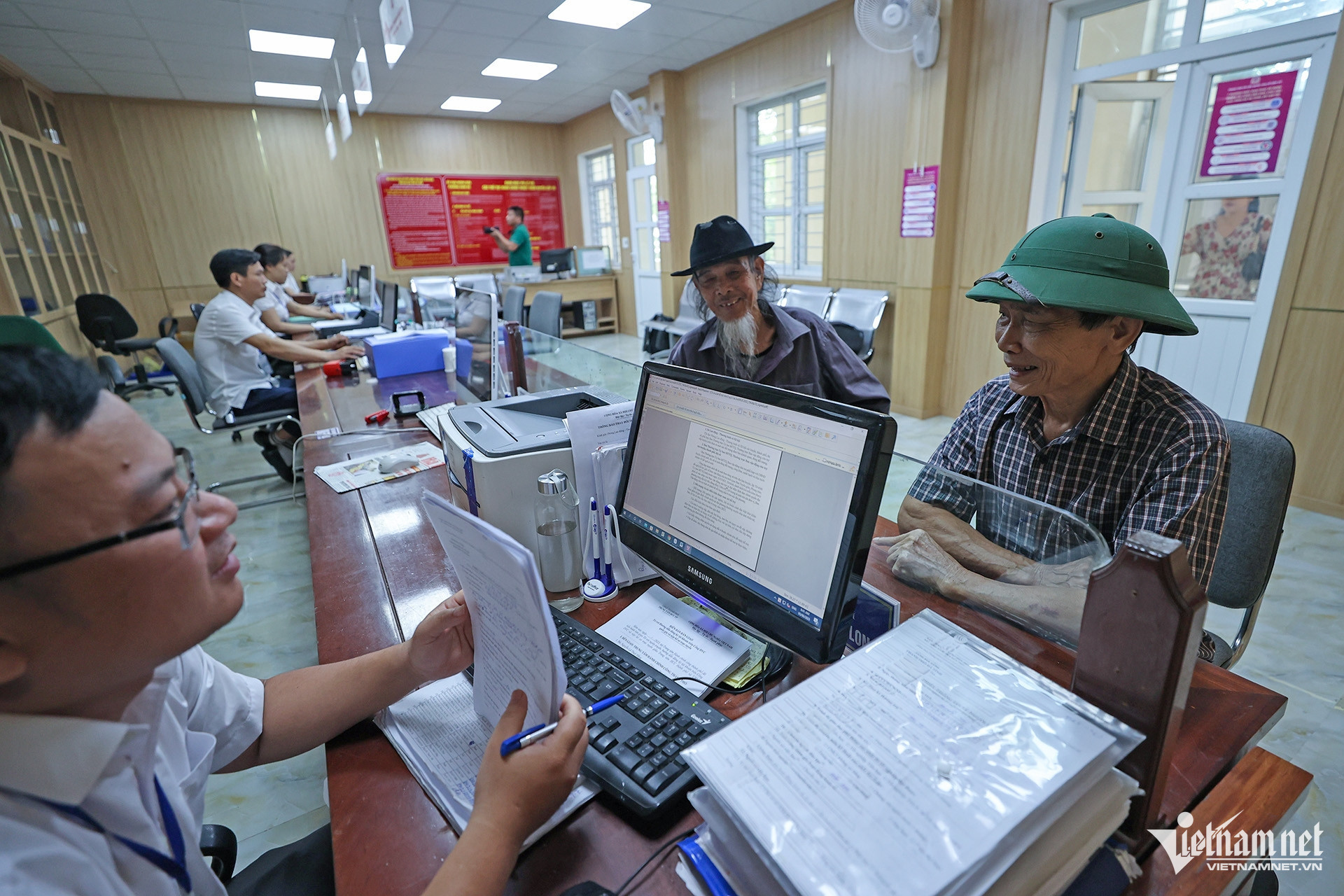
This directive is outlined in the appendix attached to Document No. 38/TTg-QHĐP from the Prime Minister, which provides guidance on priority tasks for ministries and agencies to enforce recent National Assembly resolutions.
The government has assigned responsibilities for revising several types of allowances and the base salary. At the same time, pensions, social insurance allowances, monthly benefits, support for people with meritorious service, social assistance, and social retirement benefits will also be adjusted, as per Conclusion No. 206/2025 by the Politburo.
Specifically, in March 2026, the Ministry of Home Affairs will lead the adjustment of certain allowances and the base salary, while also coordinating revisions to pensions and related benefit schemes. All changes must be implemented in a synchronized manner within the first quarter of the year.
Earlier, the government issued Decree 73, which raised the base salary from VND 1.8 million to VND 2.34 million per month (approximately USD 96), alongside a 15% increase in pension levels. These changes mark a key milestone in the broader roadmap to reform wage policy, as outlined in Central Resolution 27.
Currently, the Ministry of Home Affairs is working with central agencies to draft amendments to wage and allowance regulations, targeting full implementation in 2026.
According to the Ministry, Resolution 27/2018 of the Central Party Committee lays out detailed principles for designing a new salary framework. The general direction is to broaden wage relationships, using them as a basis to determine specific salary levels aligned with job position, professional title, and leadership role.
The ministry has already coordinated with other government bodies to report on progress toward six key components of wage reform, with implementation starting from July 1, 2024.
Under Conclusion 83, the Politburo assigned the Central Economic Commission (now the Central Policy and Strategy Commission) to lead the midterm review of Resolution 27. This commission will work with the Party delegation of the Ministry of Home Affairs and relevant agencies to evaluate feasibility and propose implementation plans for five new salary tables and nine allowance schemes within the public sector.
These reforms aim to ensure real-world applicability and are scheduled for review by the Central Committee after 2026. This timing aligns with the expected rollout of the nationwide job position directory throughout Vietnam’s political system.
Based on this process, the Ministry of Home Affairs will report to higher authorities to finalize a suitable salary regime, in line with the roadmap previously approved by the Politburo.
The Ministry is also finalizing a draft decree to revise salary regulations for officials, public employees, and armed forces personnel. This includes proposed changes to the leadership allowance tables for certain titles.
At the same time, the Ministry is working closely with the Ministry of Finance and other related bodies to continue consulting higher authorities on increasing the base salary in 2026, ensuring the changes are fiscally viable and consistent with the wage reform goals.
Vu Diep
.svg)
