 Vietnamnet.vn

 Podcast



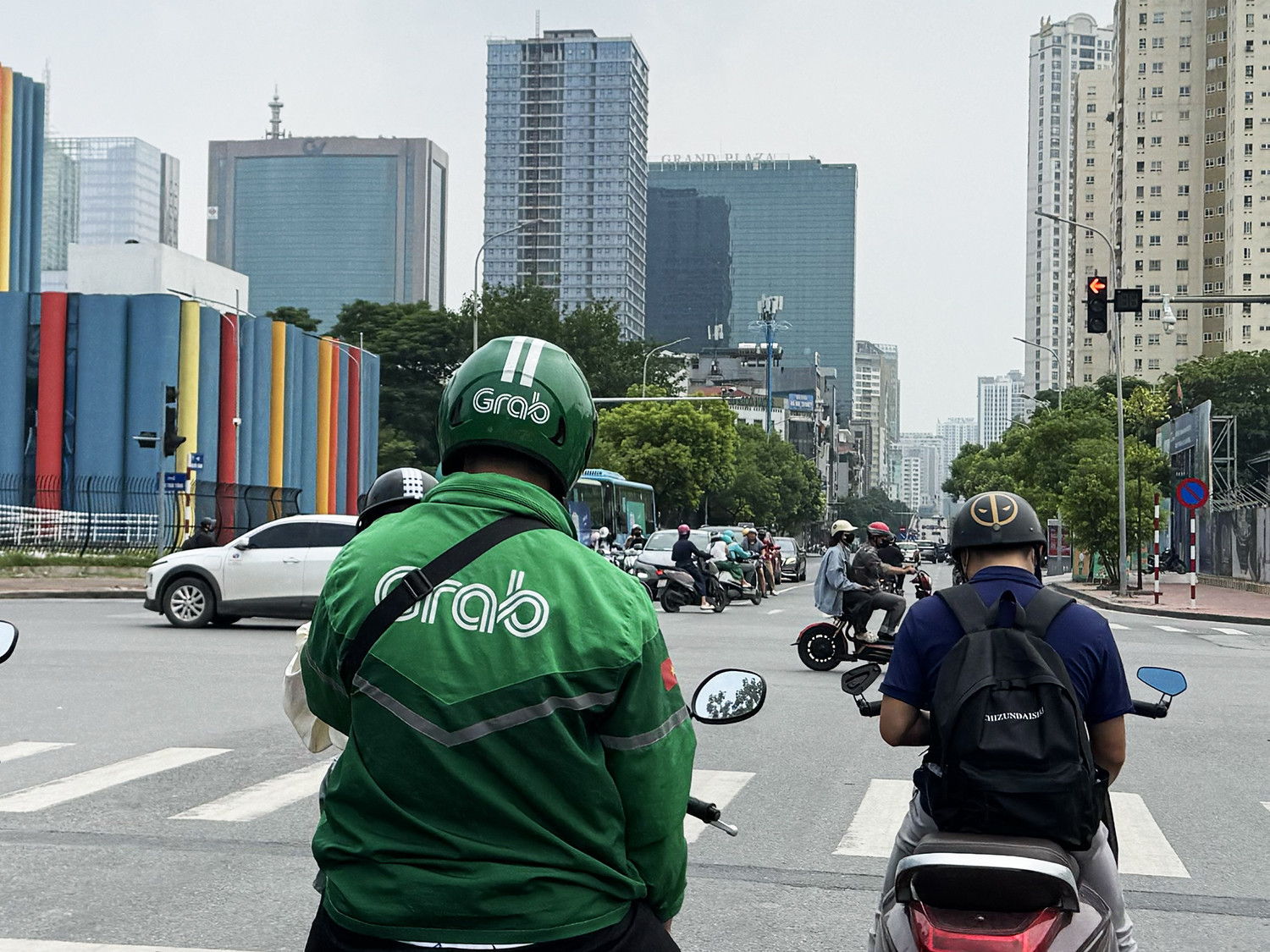
The company issued the clarification after receiving concerns from drivers who feared their accounts could be affected by what Grab described as false or fabricated information circulating under its name.
Grab said it would not impose any penalties, including account suspension, on drivers who choose to temporarily stop operating on the platform.
Access to the app would only be suspended in cases involving violations of the law or Grab’s existing code of conduct, it said.
Drivers whose accounts have been inactive for an extended period can contact customer support for guidance on submitting the documents required to resume operations.
“The decision to turn the app on or off, as well as how long to operate on the platform, is entirely up to our partners,” Grab said in a notice to drivers, encouraging them to choose working hours and areas that best suit them.
The statement came as posts circulated in social media groups calling on Grab drivers to stop taking bookings on September 12-13 in protest over the platform’s fees and deductions.
Drivers behind the campaign said the charges imposed on each trip were directly affecting their earnings.
Some drivers, however, continued working because they could not afford to take time off.
One driver in Ho Chi Minh City, identified as Truong Anh D., said he disagreed with Grab’s fee calculations but still needed to work to cover his living expenses.
He said he switched on the app at 5 a.m. on September 12 but encountered three bookings that were later cancelled, alongside genuine ride requests.
On some trips, he travelled about three kilometres toward the pickup point before the customer cancelled. Despite the disruption, he said demand was relatively strong and he worked until 2 p.m. before stopping for lunch.
He said he hoped Grab would listen to drivers and adjust its fee policies to better protect their livelihoods.
Other social media posts showed users deliberately making and cancelling GrabBike bookings as a form of protest. Some even shared screenshots showing their accounts had been temporarily suspended after excessive cancellations.
Grab warned that deliberately placing ride or delivery orders without intending to use the service, thereby disrupting drivers’ work, could result in temporary account suspension under its code of conduct.
The company said drivers who encounter suspected fake bookings or attempts to disrupt trips can report them through the Help Centre in the app or other designated reporting channels, which offer round-the-clock support.
Grab said it would investigate reports and determine appropriate assistance. Where drivers are affected by circumstances beyond their control, including fake bookings or deliberate disruption, the company may provide support or waive penalties to protect their interests and earnings.
Drivers can also submit reports at the end of the day if such incidents affect their operating performance or eligibility for incentive programmes, with cases to be reviewed individually.
Competition regulator reviews Grab policies
Vietnam’s National Competition Commission has meanwhile begun reviewing Grab’s fares, fees, commissions and other deductions following complaints from drivers.
The commission said it had received feedback and petitions from individual Grab driver-partners concerning fares charged to customers as well as fees, commissions and deductions imposed on drivers providing services through the platform.
According to the complaints, fares for some trips were considered low or had declined while drivers continued to bear operating costs alongside Grab’s fees, commissions and deductions, reducing their take-home earnings.
Drivers have also sought greater clarity over how fares, fees and deductions are determined and adjusted, and how they are notified when such policies change.
On September 11, the commission asked Grab to provide information concerning its fares, fees, commissions and deductions.
Based on its review and information provided by the parties involved, the commission will assess the case further. If it finds signs of violations of competition law, it may launch an investigation and take action within its authority.
Le Thi Thuy Trang, a lawyer with the Ho Chi Minh City Bar Association, said the coordinated decision by drivers to switch off their apps would not legally constitute a strike under Vietnam’s Labour Code.
Strikes apply to employees working under labour contracts and must be conducted through representative organisations under prescribed procedures, she said.
As ride-hailing drivers do not have employment contracts, collectively logging off amounts to individual drivers exercising their freedom to conduct business rather than a legally defined strike, according to Trang.
She recommended that drivers who disagree with platform policies raise their concerns through official channels, such as industry associations, transport regulators or the National Competition Commission, rather than relying solely on spontaneous social media campaigns.
In the longer term, Trang said Vietnam needed a dedicated legal framework for platform workers to address gaps between labour and consumer protection laws that currently leave ride-hailing drivers without clear coverage.
Duy Anh
.svg)
