 Vietnamnet.vn

 Podcast



Green transition shifts from trend to mandate
The “green transformation” is rapidly shifting from a voluntary trend to a mandatory requirement in major markets, particularly the EU and the US. It is no longer a “nice-to-have” competitive edge, but rather a mandatory “entry ticket.” This is evident in three major recent policies: the EU’s Carbon Border Adjustment Mechanism (CBAM), essentially a carbon tax applied to imports based on their greenhouse gas emissions during production (initially targeting steel, aluminum, cement, fertilizers, electricity, and hydrogen), with reporting starting in October 2023 and full fee collection beginning in 2026. This will soon extend to textiles.
Another is the EU Deforestation Regulation (EUDR), which bans imports of products such as coffee, cocoa, rubber, wood, soy, and palm oil if linked to deforestation or forest degradation post-December 31, 2020. In the US, the SEC’s climate disclosure rule requires listed companies to disclose climate risks and greenhouse gas emissions, including from their supply chains.
In textiles, green transformation is being enforced most vigorously, demanding a comprehensive shift in processes from design to post-consumer disposal. The ultimate goal is to end the “fast fashion” model and hold the industry accountable for the full life cycle of its products. Key instruments being applied by major markets include the Sustainable Textiles Strategy.
Vietnamese exporters to the EU must comply with regulations requiring eco-design for durability and repairability, use of recycled materials, elimination of hazardous chemicals, and reduction of microplastics. They must also adhere to Extended Producer Responsibility (EPR) in collecting and recycling apparel. The Digital Product Passport (DPP) combats greenwashing by requiring each product to feature a QR code or digital tag displaying its “biography”: manufacturing plant, cotton origin, textile and dyeing mills, recycled content, chemical usage, and repair and recycling instructions.
The US market emphasizes “transparency above all,” requiring disclosure of the entire supply chain, emissions, electricity and chemical use, and material sources.
Green transformation is now mandatory at all levels
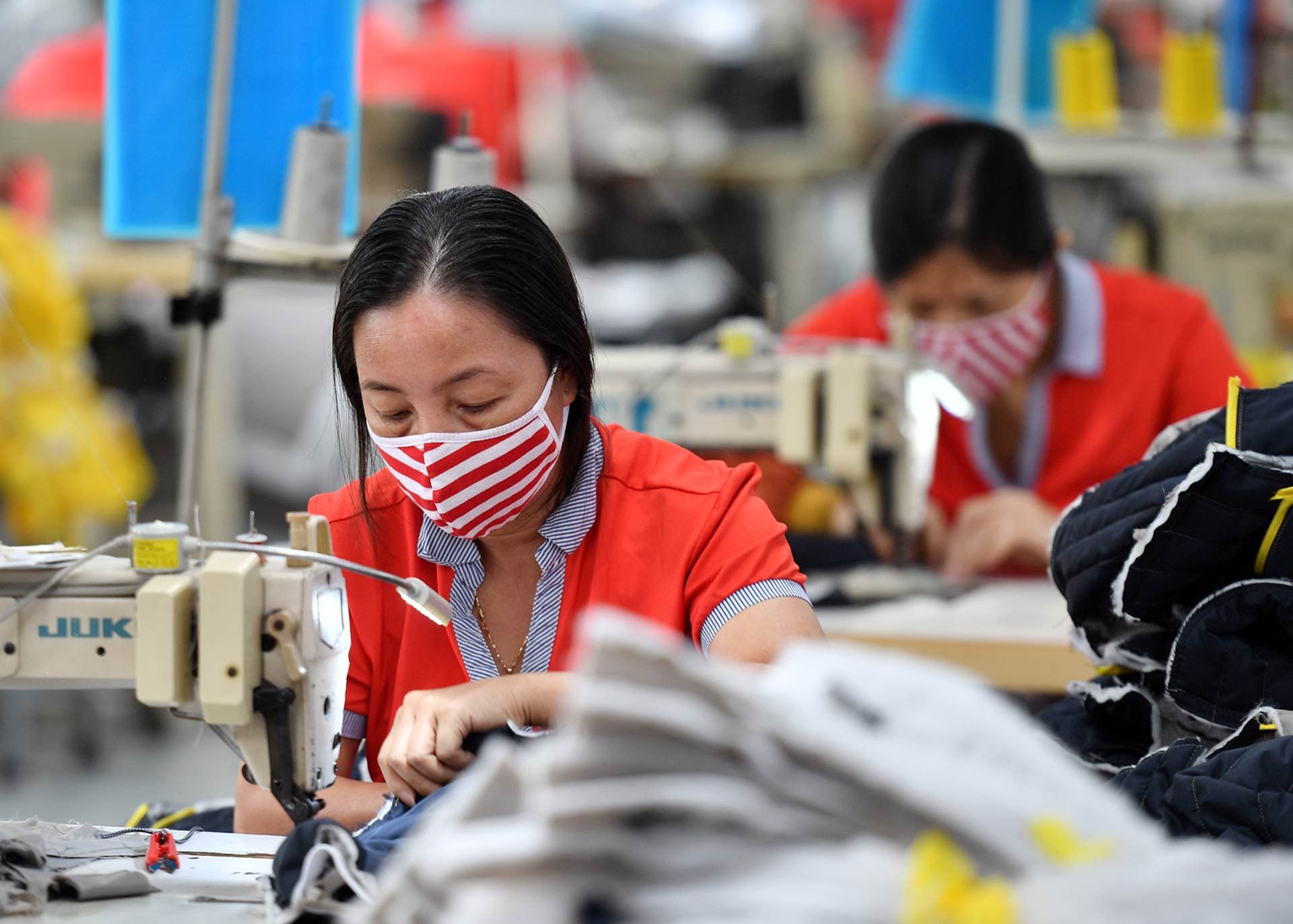
Green transformation is being most aggressively implemented in the textile industry. Photo by Nam Khanh
Green transformation has become mandatory, especially at the macro level, with state-level interventions such as in the EU and US. Alongside these are micro-level requirements from supply chains, investors, and consumers.
The essence of green supply chains is minimizing environmental impacts from raw material extraction and energy use through to manufacturing, distribution, consumption, disposal, and recycling. This forms a closed-loop material lifecycle. However, this also presents a significant “green barrier” to trade - a multifaceted obstacle designed to reduce environmental impact and promote harmonious living with nature.
Key challenges in the textile industry's green transition
The mandatory nature of green transformation presents major challenges, not only from the supply chain but also from regulatory bodies. Non-compliance results in higher taxes or even bans on imports.
One major challenge is transitioning to renewable energy. The textile industry, particularly the dyeing and finishing stages, consumes vast amounts of electricity and heat. Green requirements compel factories to shift to renewable sources like rooftop solar or purchase clean power. However, this transition depends on national green energy policies and is slow and costly. Moreover, self-production mechanisms, like rooftop solar systems, face numerous implementation challenges.
Another critical hurdle is reducing water and chemical use, especially in dyeing. Factories must invest in expensive wastewater treatment systems, adopt water-saving dyeing technologies, and eliminate banned toxic chemicals.
Meeting circular economy goals is complex, requiring state policies that support closed-loop material cycles, including waste collection, processing, and recycling. Technology must also be upgraded to enable recycling and reuse of textile materials. Currently, most post-consumer textiles and production scraps are incinerated or landfilled. New regulations demand recycling this fabric waste into new fiber for re-manufacturing.
Solutions for wastewater treatment in green transformation
Wastewater treatment is a particularly difficult issue. With abundant water resources from rivers, seas, and rainfall, Vietnamese businesses have underestimated the need for robust wastewater treatment, leading to widespread pollution in textile areas. Notable hotspots include the textile industrial zones around the Bac Hung Hai River, Phuong La craft village (Thai Binh), and Duong Noi craft village (Hanoi).
The immediate solution is investing in upgraded wastewater treatment systems that meet green standards in industrial zones. Dyeing factories outside these zones must urgently relocate to industrial parks equipped with adequate wastewater treatment capabilities.
Long-term solutions include developing natural and alternative materials, adopting waterless or low-water circular dyeing technologies, and reducing chemical usage.
Banned chemicals must be prohibited at the beginning of the supply chain. This initiative should start with proactive industry associations but must also be legislated by the government. Factories should follow banned substance lists from major brands like Nike, Adidas, and Uniqlo. They should also use dyes and auxiliaries certified under international standards like Bluesign or OEKO-TEX.
Existing factories must retrofit their production lines with modern, environmentally friendly technologies such as waterless or water-saving dyeing systems and adopt circular models for water and heat reuse. Treated wastewater should not be discharged into rivers but instead reused for washing or light-color dyeing. Advanced treatment technologies like membrane bioreactors (MBR) and reverse osmosis (RO) should be implemented to remove residual salts and colorants.
Feasible green models in Vietnam
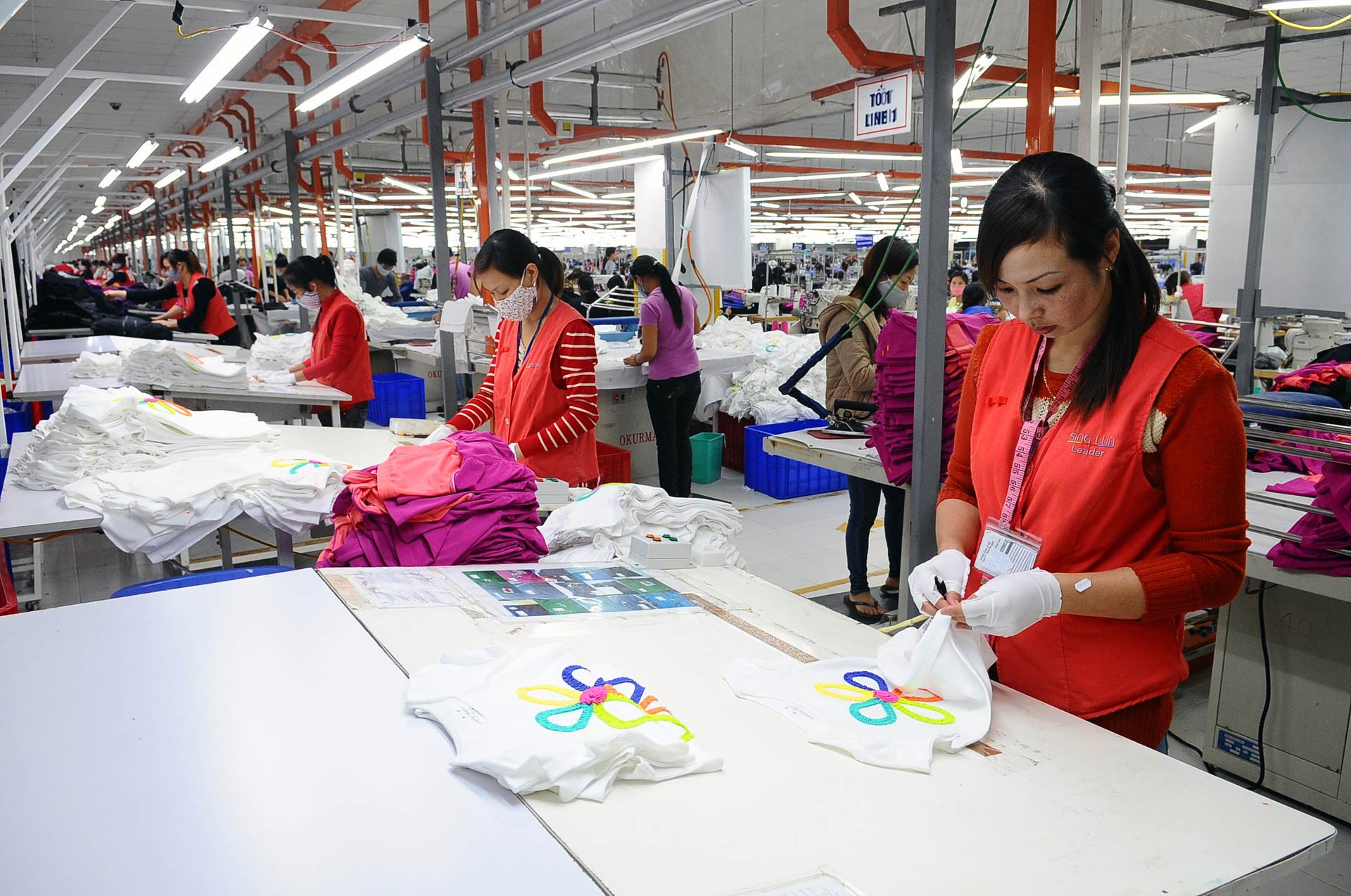
Vietnam must break free from the global textile outsourcing trap through proactive transformation. This requires self-sufficiency in raw materials, leveraging national strengths in natural materials like cotton, fiber, and silk, and investing in next-generation eco-friendly fabrics and dyeing.
Promising models include industrial symbiosis within textile industrial parks. Instead of individual factories handling all processes, multiple factories collaborate to exchange resources. Waste from one becomes input for another. Eco-Industrial Parks like DEEP C (Hai Phong) and Rang Dong - Aurora IP (Nam Dinh) exemplify this model. These parks feature centralized, high-tech wastewater treatment systems, ensuring all effluents meet grade-A standards before discharge or reuse, as well as shared solar energy infrastructure.
Fiber Recycling Centers are the heart of the textile circular economy, addressing fabric waste. Instead of downcycling scraps into rags, these centers use chemical or mechanical methods to recycle post-consumer and production textile waste into fibers equivalent in quality to virgin materials. Notable examples include Re:newcell’s Circulose plant in Sweden, which converts old cotton garments into pulp to make 100% recycled Circulose fibers. UK-based Worn Again has developed technology to separate and recycle difficult polyester/cotton blends. In Vietnam, Century Synthetic Fiber Corporation is a licensed manufacturer of REPREVE recycled fiber.
Repair, refurbishment, and recovery models extend product lifespans, countering fast fashion. Brands take responsibility post-sale by offering repair services and accepting returns for refurbishment. Patagonia’s Worn Wear program encourages customers to repair used items and resells cleaned second-hand products. The North Face’s Renewed program refurbishes defective items for resale at lower prices.
Another model is implementing Extended Producer Responsibility (EPR), which is increasingly a prerequisite for textile imports into Europe. Companies that pay EPR fees benefit from pricing advantages. Vietnam already mandates EPR since 2020, but currently, textile producers only pay about 1,500 VND (roughly 6 cents USD) per kilogram of plastic used in textile products to support waste treatment, without obligations for collection or recycling. This should change to require actual product recovery and recycling. A realistic mandatory recycling rate is between 5% and 10% annually.
According to the Vietnam Textile and Apparel Association, domestic fabric production stands at 2.3 billion square meters per year, meeting only 25% of the local demand. The domestic market consumes around 1 billion square meters annually (about 150,000 tons), but around 500,000 tons of fabric are discarded yearly. Therefore, a mandatory recycling target of 7,500 to 15,000 tons annually is feasible.
Thus, amendments to the current EPR regulations should reclassify textile products from financial contributions under section 6.3 (clothing, hats, gloves) to Appendix XXII for mandatory recycling, with a 1-2 year preparation timeline and a starting recycling target of 5%-10%. This shift will support circular economy practices in textiles, align with the UN's sustainable development goals, improve Vietnam’s industry reputation, and generate billions of dollars and thousands of jobs annually.
The role of the state and business initiative
The government must act both as a supporter and enforcer. It should aid businesses in adopting green technologies while strictly penalizing environmental violations to standardize and strengthen the textile industry, enabling it to escape the outsourcing model and become a global leader.
The state should promote green credit and bonds to help businesses access financing and cover the high costs and slow returns of green investment. Crucially, Vietnam must green its power sector and support factories in adopting solar and wind power.
Government agencies must provide early warnings about upcoming international green requirements (even in draft stages), and offer timely guidance on new technical trade barriers like CBAM, EUDR, and DPP to help businesses prepare proactively.
It must also fund research institutes and universities to find recycling and clean dyeing solutions suited to Vietnam’s context, connecting these institutions with businesses for training, research, and technology transfer.
However, the government cannot act alone. The textile industry must “clap with the other hand,” working hand in hand with the state to achieve green growth.
Businesses must stop viewing environmental protection costs (like wastewater treatment or clean chemicals) as burdens, and instead treat them as essential investments for retaining orders and long-term survival. Green transformation is no longer a marketing tool but a “license” for accessing major export markets and ensuring a company’s future.
Firms must invest in next-gen machines that save water and energy, install rooftop solar panels, and develop closed-loop wastewater systems. They also need to immediately increase transparency in their supply chains to meet traceability demands, knowing the origin of every fiber and chemical used.
Finally, they must take an active role in training human resources - from vocational students to current workers - to build a workforce equipped for green production.
In summary, the government must create a fair, regulated, and supportive “playing field,” and industry players must shift their mindset to become responsible, proactive participants in this field.
Nguyen Thi (Hanoi University of Natural Resources and Environment)
.svg)
