 Vietnamnet.vn

 Podcast



On March 25, 2026, at the Party Central Committee headquarters, General Secretary To Lam delivered his closing remarks at the second plenum of the 14th Central Committee. His message was clear: Vietnam is entering a new phase of development that requires not only strong political will but also a strategic vision grounded in sustainability and quality.
Anchored in the framework of the “four steadfast principles” in politics and ideology, the leadership has set a bold goal of achieving double-digit growth. Yet this ambition comes with equally firm requirements: ensuring quality, maintaining macroeconomic stability, using resources efficiently and safeguarding the well-being of the people.
The message signals a shift - from pursuing growth as an end in itself to shaping a model of growth that is disciplined, responsible and sustainable over the long term.
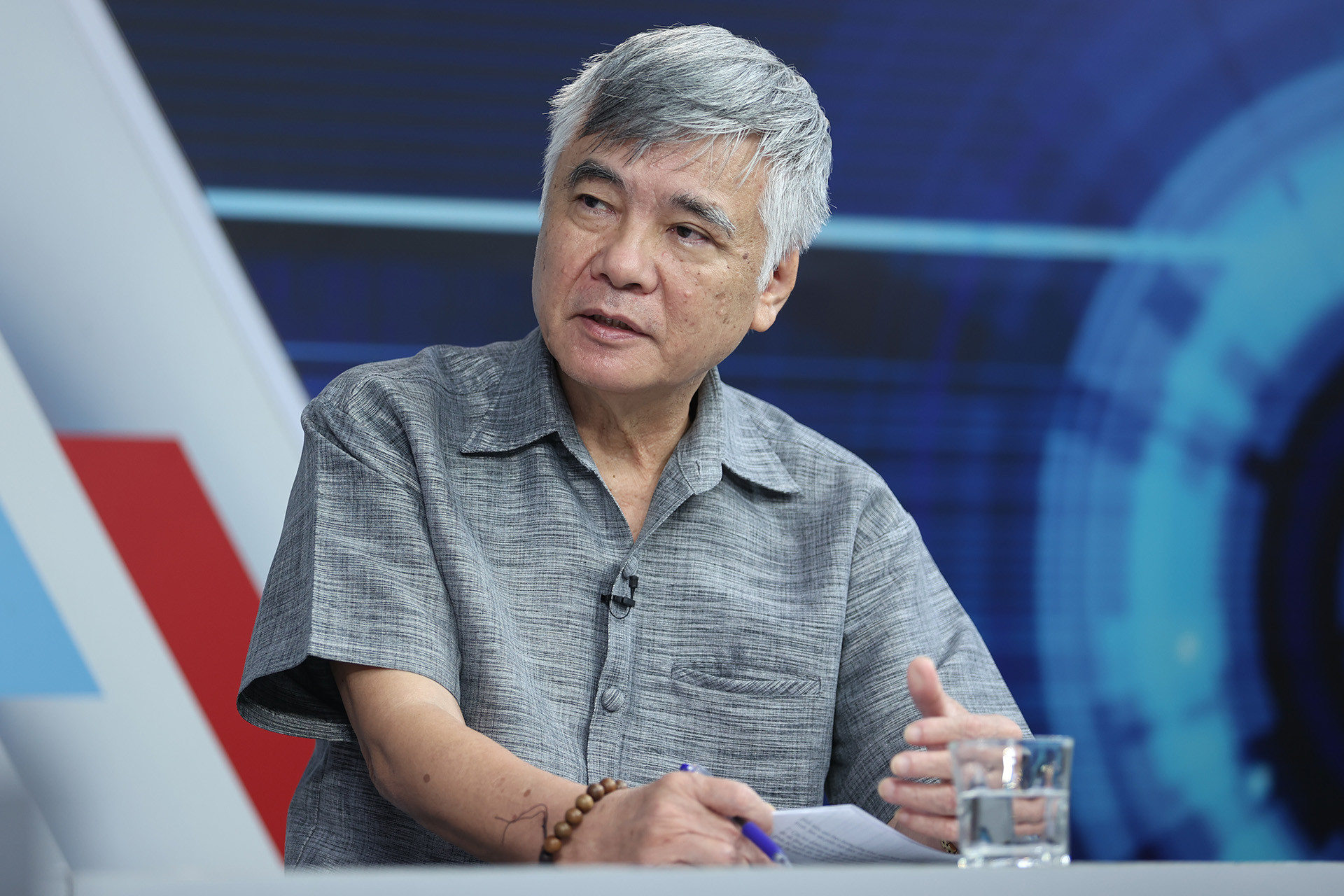
Speaking with VietNamNet, former National Assembly deputy and former Vice Chairman of the Economic Committee Nguyen Van Phuc emphasized that growth must no longer be measured solely by speed.
“A high growth rate in the short term may come at the cost of quality, rising inflation or imbalances in the economy. Such growth cannot be sustained,” he said.
For growth to be meaningful, it must be tied to productivity gains, efficient resource use and genuine value creation. In this sense, the principle of not trading quality for speed is not theoretical - it is a practical necessity.
Macroeconomic stability, he noted, serves as the foundation.
When inflation is controlled, major economic balances are maintained and policies are implemented consistently, the economy can operate more flexibly and safely. Conversely, instability erodes not only growth performance but also market confidence, making businesses more cautious and households more restrained in spending.
The ambition of achieving average GDP growth of 10% or more annually reflects Vietnam’s aspiration to move to a higher stage of development. If realized, GDP per capita could reach approximately US$8,500 by 2030, laying the groundwork for becoming a high-income country by 2045.
Yet the significance of this goal lies not in the number itself, but in how it is achieved.
A new growth model is required - one where productivity, quality and value-added become the core drivers rather than secondary factors. Currently, the economy still relies heavily on public investment, foreign direct investment and domestic consumption, while the domestic private sector, though identified as a key engine, has yet to fully realize its potential.
In this context, transitions toward science and technology, innovation, digital transformation, green growth and the circular economy are no longer optional. They are essential conditions for improving growth quality and strengthening internal capacity.
This also calls for a more nuanced understanding of economic performance.
GDP reflects total output, but not all of that value remains within the domestic economy, particularly in the case of foreign-invested enterprises. Therefore, greater attention should be paid to gross national income, which better captures the income retained by the country and its people.
Growth becomes truly meaningful when it translates into higher productivity, stronger domestic value creation and improved real incomes.
The risks of relying too heavily on public investment are also evident. While such spending contributes to GDP, it may be accompanied by inefficiencies, waste or even repeated expenditures that add little real value.
Macroeconomic stability: the anchor of sustainable growth
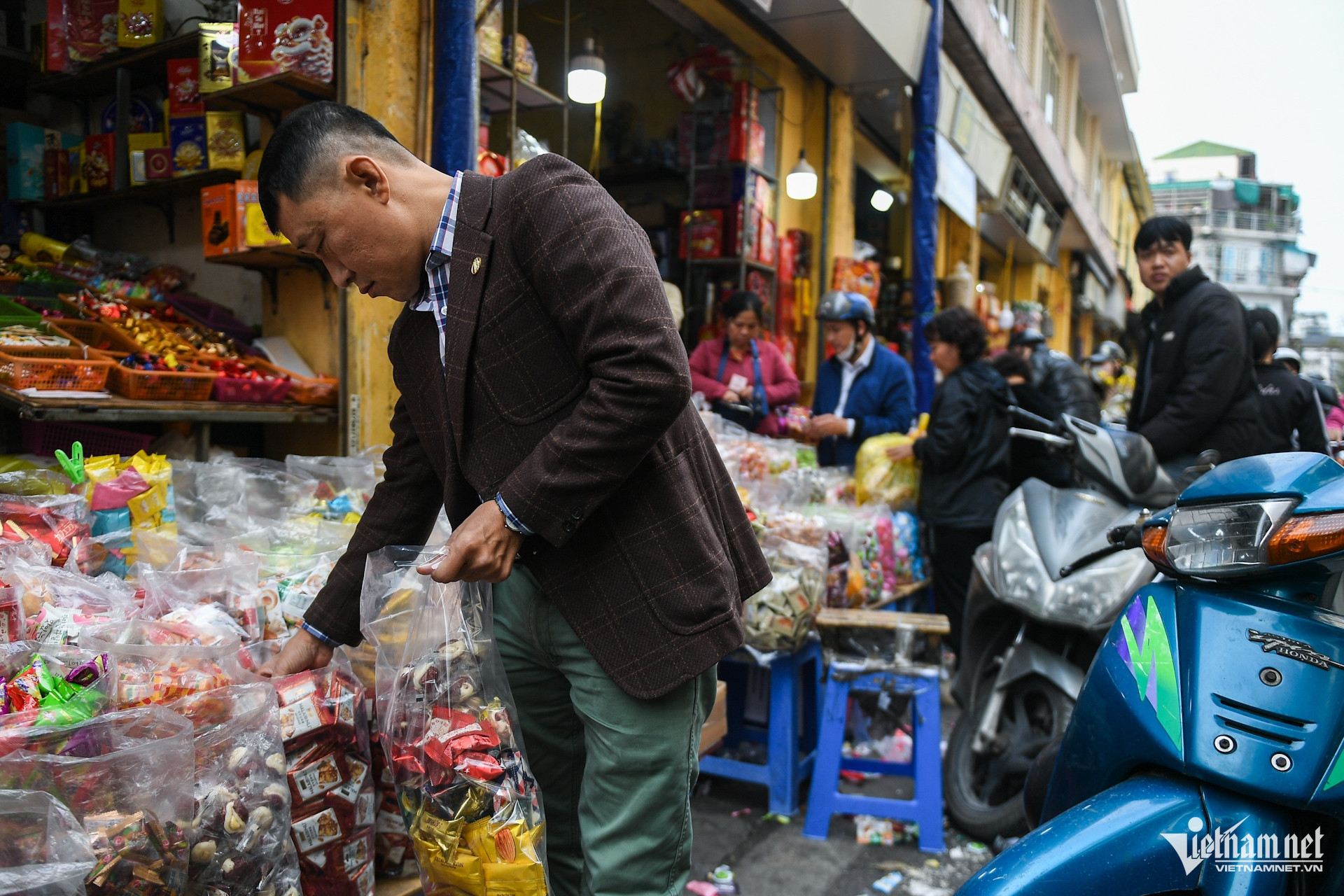
Vietnam’s recent performance demonstrates resilience, with growth exceeding 8%, an economic scale surpassing US$510 billion, strong public investment and total trade exceeding US$930 billion. International tourism has also shown a clear recovery.
Public investment plays a critical role in building infrastructure and catalyzing broader economic activity. However, growth driven by such spending and monetary expansion often comes with inflationary pressures, which can erode real incomes and weaken growth quality.
Equally important is domestic consumption - the purchasing power of the population.
Policies that reduce taxes and fees, thereby expanding disposable income for households and businesses, can stimulate consumption and support more sustainable growth.
When investment, exports and consumption are aligned and mutually reinforcing, the economy gains a stronger foundation to maintain stability and withstand external shocks.
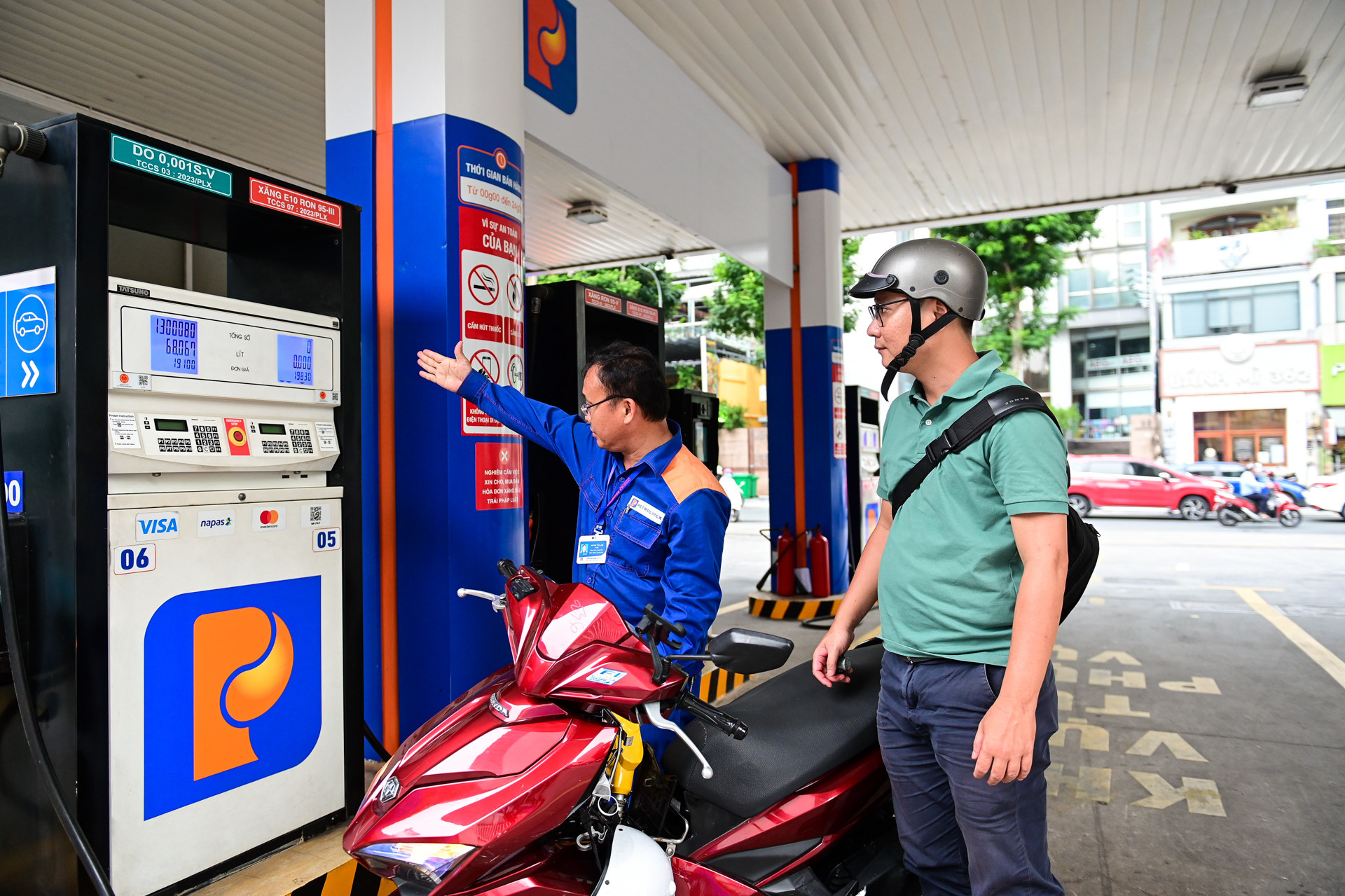
In the face of rising oil prices and potential upward pressure on interest rates, the challenge becomes even more pronounced.
Higher input costs compress business margins, while households feel the strain through increased living expenses. In such moments, macroeconomic stability serves as a critical anchor, preserving confidence and enabling long-term planning.
Strengthening energy security, including building strategic petroleum reserves, could help reduce the economy’s vulnerability to global shocks and provide greater policy flexibility.
Unlocking internal resources: the central role of the private sector
The private sector holds significant untapped potential.
Despite being identified as a key driver, private investment grew only about 8.4% in 2025, lagging behind both the public and foreign-invested sectors. This suggests that constraints remain - not necessarily in capital availability, but in confidence.
Businesses need a stable, transparent and predictable institutional environment to commit to long-term investments.
Reducing administrative intervention, avoiding the criminalization of economic relations and cutting unnecessary business conditions would contribute to a more secure and supportive business climate.
In this sense, unlocking the private sector is not just about one segment of the economy. It is about improving the overall allocation of resources and creating stronger, more sustainable growth momentum.
Growth and the lived experience of people
Ultimately, growth must be felt in people’s lives.
It must translate into better incomes, more job opportunities and improved quality of life. These are the metrics that reflect whether development truly benefits society.
Beyond GDP, greater emphasis should be placed on indicators that capture real income, living standards and social welfare.
Environmental costs must also be considered. Air pollution from industrial activity, construction and transportation is estimated to contribute to tens of thousands of lung cancer cases and deaths each year in Vietnam.
This underscores the urgency of aligning growth with improvements in quality of life - not only to ensure sustainability but also to maintain social consensus.
From aspiration to action: reform as the decisive factor
If the principles are clear, the decisive factor lies in reform.
Institutional reform, infrastructure development and human capital improvement - supported by science, technology, innovation and digital transformation - are key to unlocking Vietnam’s internal strength.
The role of the State is evolving toward that of a development facilitator - setting the rules, ensuring market discipline and creating an environment where all economic sectors can thrive.
In this new phase, growth is not simply about ambition. It is about the capacity to implement, consistently and effectively, a set of principles that can turn aspiration into reality.
Lan Anh
.svg)
