 Vietnamnet.vn

 Podcast



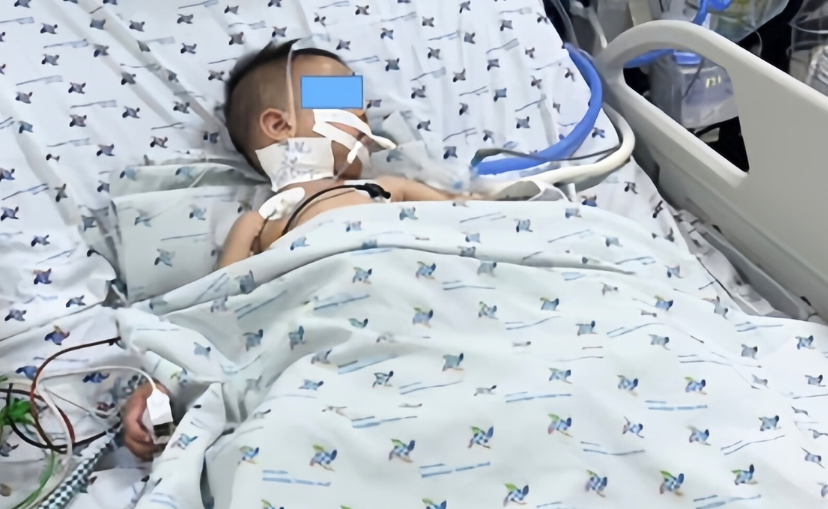
According to the ministry’s infectious disease surveillance system, approximately 25,094 cases have been documented nationwide, marking a fivefold increase compared to the same period in 2025, when around 4,900 cases were reported. The figures signal a worrying upward trend and a heightened risk of a broader outbreak.
In response, the ministry’s Department of Preventive Medicine has issued an urgent directive to health departments across provinces and cities, calling for strengthened prevention and control measures.
The southern region accounts for the majority of infections, with 18,031 cases - equivalent to 71.9% of the national total. Notably, the disease overwhelmingly affects children under the age of 10, who make up 99.3% of cases. Among them, children aged one to five - typically attending nurseries and kindergartens - account for as much as 92.7%.
Hand, foot and mouth disease is a common infectious illness that circulates year-round, primarily spreading through the digestive tract and appearing across most localities. It tends to spike during seasonal transitions, particularly between March and May, and again from September to October.
To curb the spread, authorities are urging intensified public communication campaigns to raise awareness about preventive measures. These include frequent handwashing with soap, maintaining food hygiene and ensuring clean living environments.
The health sector has also been instructed to work closely with the education system to implement preventive measures in schools, especially at nurseries and kindergartens. Facilities are required to uphold the “three clean” principle - clean eating, clean living and clean hands - while regularly disinfecting classrooms, toys and frequently touched surfaces.
In addition, local authorities must strengthen surveillance to detect cases early and respond swiftly to outbreaks, preventing wider transmission. Healthcare facilities are tasked with ensuring proper patient classification and treatment to minimize severe cases and fatalities, while also preventing cross-infection with other illnesses such as measles, pneumonia and respiratory diseases.
The ministry has further emphasized the importance of timely reporting and disease notification, alongside organizing inspection teams to support localities and address challenges in outbreak control.
Phuong Thuy
.svg)
