 Vietnamnet.vn

 Podcast



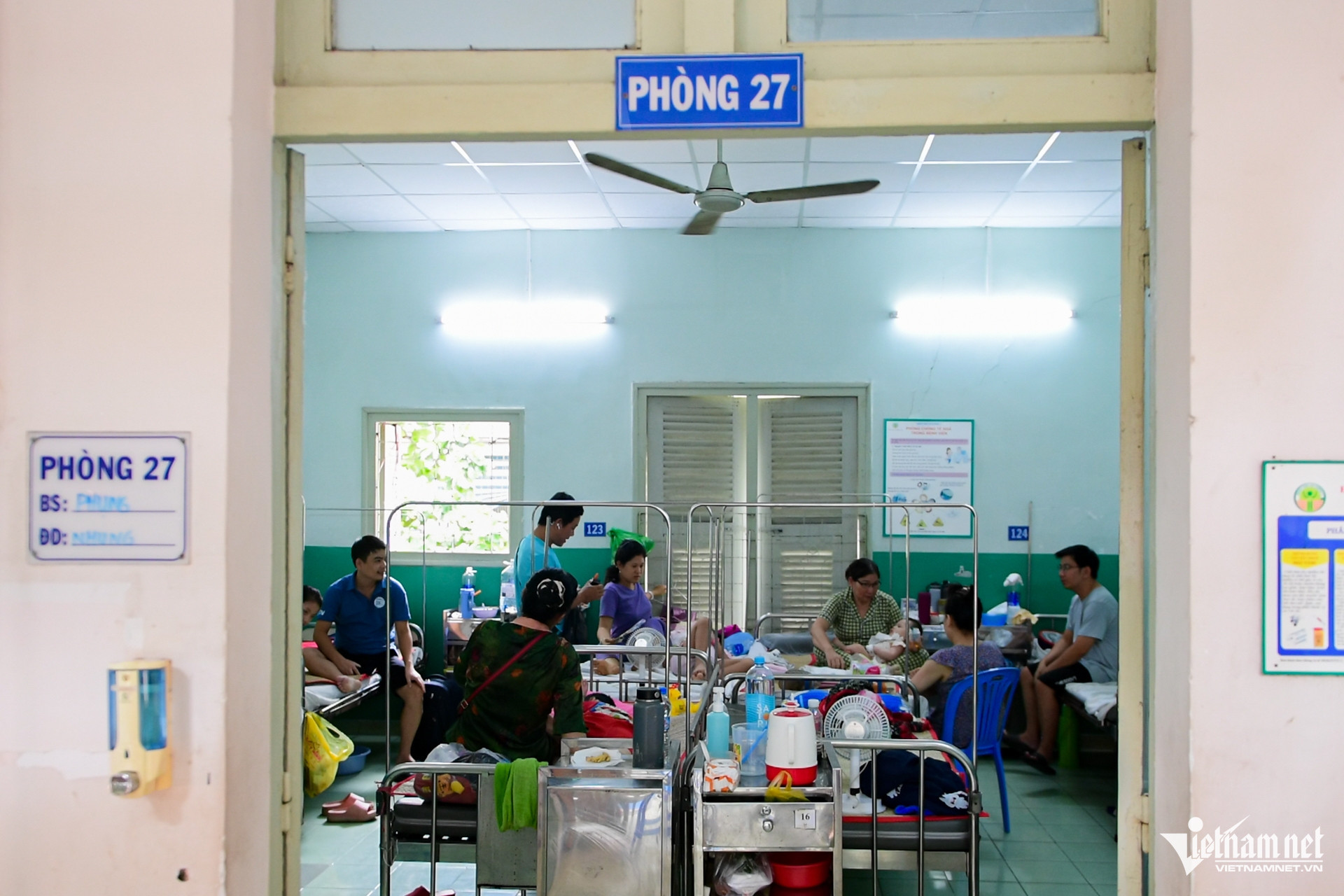
According to the Ho Chi Minh City Center for Disease Control (HCDC), as of week 11, the city had recorded 7,294 HFMD cases - an increase of 241.3% compared to the same period in 2025. Among these, 98 cases progressed to severe stages from level 2b and above, marking a 4.6-fold rise year-on-year.
The outbreak is accelerating significantly. In week 11 alone, 837 new cases were reported, up 97.1% compared to the average of the previous four weeks. Since the beginning of the year, authorities have confirmed three deaths and identified 288 outbreak clusters, including 162 in schools and 126 in the community.
Health experts are particularly concerned about the detection of Enterovirus 71 (EV71) in pathogen surveillance results, accounting for 25% (6 out of 24 samples tested). This strain is known for its high virulence, rapid transmission, and its ability to cause severe neurological and respiratory complications, even death - especially in children under five.
In response, the Ho Chi Minh City Department of Health has issued an urgent directive to implement a series of coordinated prevention and control measures across the city.
The HCDC has been tasked with working alongside local health stations to control outbreaks at the grassroots level, prioritising kindergartens, childcare groups and social protection centres. A network of community health collaborators has been mobilised to monitor and detect cases early at the household level.
The Department of Health has also requested the Department of Education and Training to ensure that schools are equipped with adequate handwashing facilities, including clean water and soap. Schools are urged to coordinate closely with local health authorities to strengthen public communication, particularly highlighting the dangers of the EV71 strain, helping parents recognise early symptoms and seek timely medical care.
Healthcare facilities are required to be ready to receive and treat patients in line with the latest Ministry of Health guidelines. All cases classified from level 2b and above must undergo mandatory testing and continuous reporting through the national health management platform. Children’s Hospital 1, Children’s Hospital 2 and the City Children’s Hospital have been assigned to retrain healthcare workers across the system, focusing on nearby provinces such as Ba Ria - Vung Tau and Binh Duong.
The Department of Health advises families to follow the “three clean” principle: clean eating, clean living, and clean hands and toys. Specifically, both adults and children should wash their hands frequently with soap under running water, especially before meals, after using the toilet, and after changing diapers. Toys, learning tools and frequently touched surfaces should be cleaned daily.
In addition, adults should prevent children from coming into contact with infected or suspected cases. When children show symptoms such as fever, blisters on the hands, feet or mouth, parents should take them to the nearest healthcare facility for timely examination and treatment.
HFMD is an acute infectious disease caused by enteroviruses, transmitted through the digestive route, direct contact or contaminated objects. It commonly affects young children, with typical symptoms including fever, mouth ulcers and blisters on the hands, feet, knees or buttocks. Notably, children who have previously had the disease can still be reinfected. Early medical attention is essential when symptoms are suspected.
Phuoc Sang
.svg)
