 Vietnamnet.vn

 Podcast



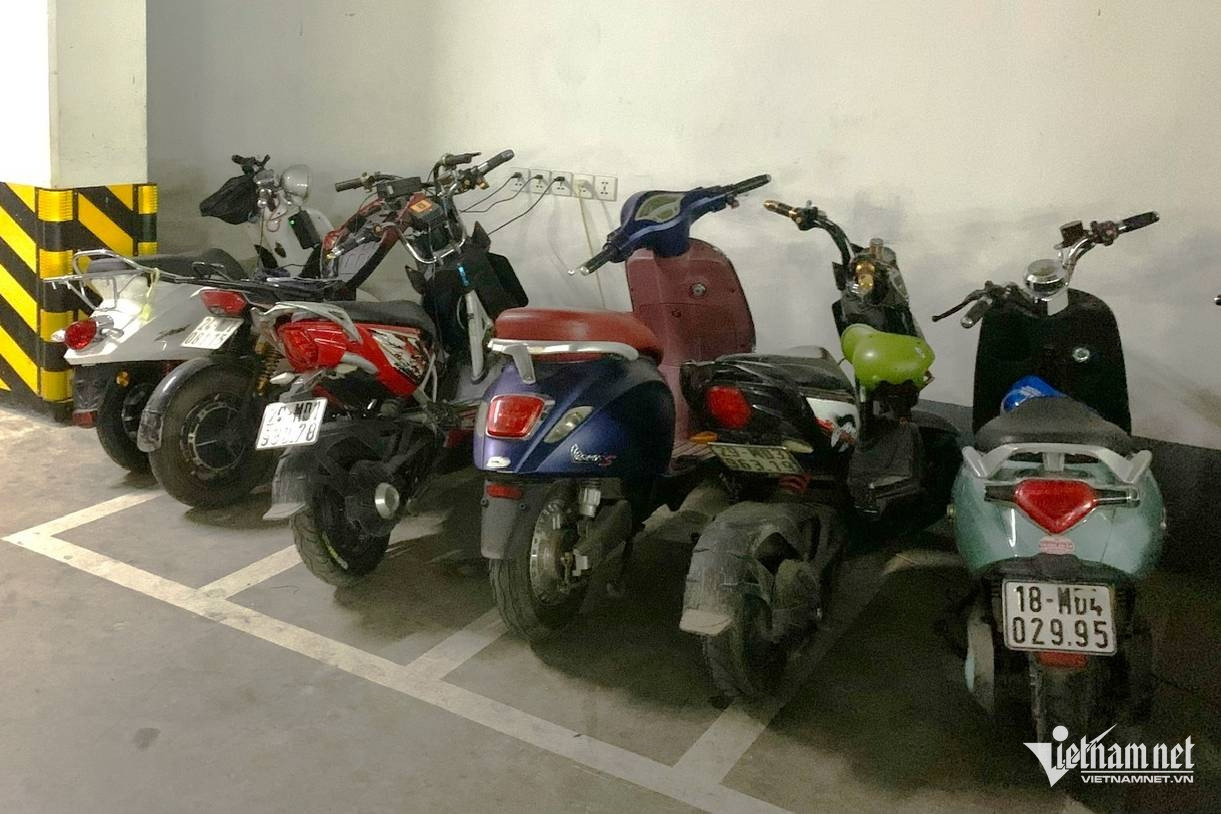
Hanoi will start restricting fossil-fuel motorcycles from July 1, 2026 in the area within Belt Road 1, according to the low-emission zone resolution recently approved by the city People’s Council. Restrictions will expand to Belt Road 2 from January 1, 2028, and to the area within Belt Road 3 from 2030, along with limits on gasoline and diesel cars that fail to meet emission standards.
With this roadmap, authorities and residents have only seven months left to prepare for a “green transition,” starting with limiting gasoline motorcycles across nine wards within Belt Road 1.
This forces residents to adjust their habits and gradually shift to more environmentally friendly transport options such as metro lines, buses, electric cars, and especially electric motorcycles.
However, the potential conversion of tens of thousands, or even hundreds of thousands, of gasoline motorcycles to electric models in the near future may place significant pressure on infrastructure, not only in Belt Road 1 but also across other districts.
Do Van Hung, who lives in an apartment building in Yen Hoa Ward, said that even though he lives outside Belt Road 2, he frequently rides into Belt Road 1 for work. The restrictions, he said, will affect his daily commute.
“I have considered switching to the metro or buses, but these options simply can’t match the convenience of a motorcycle. So I’m thinking of buying a small electric motorcycle only for commuting within the inner city,” Hung said.
Also according to him, switching from gasoline to electric motorcycles is not difficult, but the main concern is that his apartment building does not have enough charging spaces.
“The building only has room for about 50–60 electric motorcycles, and the number of outlets is very limited. So I’m considering a model with removable batteries that I can charge separately, more convenient and safer,” he added.
This situation - insufficient charging infrastructure and limited parking space, is common at many apartment buildings. At a building in O Cho Dua Ward (within Belt Road 2), the management board has created a separate zone with over 100 spaces for electric motorcycles and e-bikes.
The operator plans to expand the zone to around 400 spaces by the end of 2025 and add about 100 more charging outlets. But with roughly 800 motorcycles in the building, this still won’t be enough if all residents switch to electric vehicles.
In other apartment buildings within Belt Road 3, management teams are reviewing electrical systems, checking transformers, and planning to upgrade charging infrastructure to meet the rapid rise in electric motorcycle usage expected over the next one to two years, while also preparing fire safety measures.
Boarding house landlords remain hesitant
Experts say that for high-rise apartment buildings, adding more space for electric motorcycles is entirely feasible, especially as Hanoi pushes forward with its roadmap to limit gasoline motorcycles.
Electric motorcycles take up little space and require simpler infrastructure than cars. By reallocating part of the basement or existing parking areas and installing smart charging systems, apartment buildings can meet residents’ needs.
However, the transition is far more complex for old collective housing blocks, boarding houses, and mini-apartments. Parking and charging setups depend heavily on limited infrastructure and, more importantly, the consent of landlords, an issue that often blocks implementation.
Nguyen Van Dung, a ride-hailing driver renting at an old collective housing block near Nga Tu So, said his family’s two motorcycles are parking at a private motorbike garage on the ground floor. The landlord, citing fire safety concerns, refuses to accept electric motorcycles and has not installed any charging outlets. Anyone using an electric motorcycle must either carry it upstairs or find charging elsewhere.
This makes switching to electric motorcycles inconvenient for families like Dung’s, since there is neither a proper parking area nor suitable charging options. Currently, those with electric motorcycles must charge them outside or bring them into their rooms.
“When electric motorcycles become more common, families like ours can’t keep carrying them upstairs. We need a safe place to park and charge. A few of us are discussing contributing money to help the landlord upgrade the electrical system and install charging outlets, but the landlord is still hesitant,” he said.
Nguyen Thi Thu, the owner of a 20-room mini-apartment building in Thanh Liet Ward, said she used to refuse tenants with e-bikes or electric motorcycles due to fire risks. But with the rising trend toward electric vehicles, she has had to adapt.
Hoang Hiep
.svg)
