 Vietnamnet.vn

 Podcast


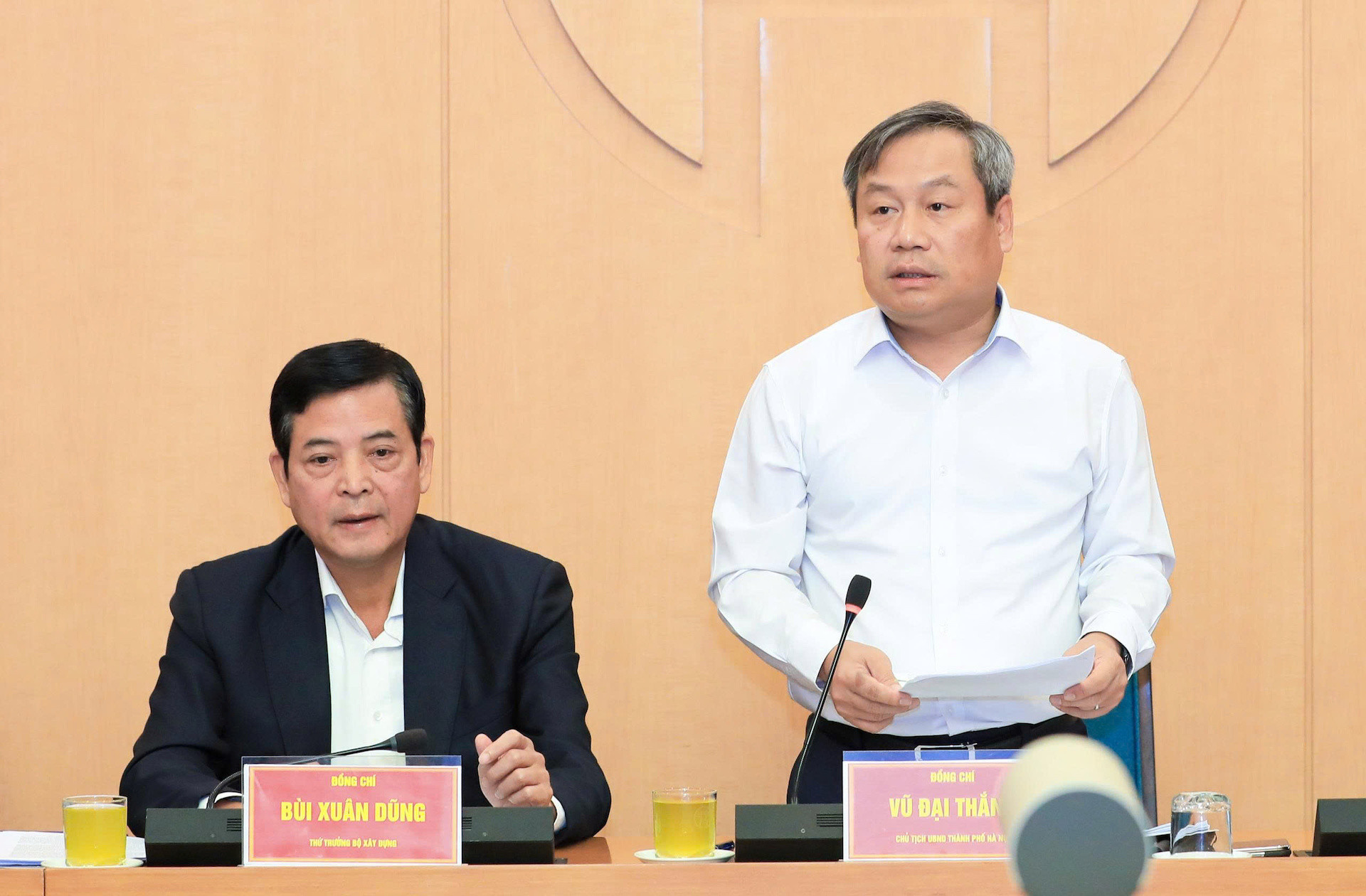
Using education as an example, Thang said schools in the pilot "socialist communes and wards" should not simply meet national standards but should offer better learning conditions and additional support for students.
Potential measures include free school lunches and textbooks, alongside expanded cultural, artistic and social skills education.
He instructed municipal departments and local authorities to study these proposals and develop specific recommendations based on actual conditions and available financial resources.
Regarding the criteria for recognizing cultured families, the chairman called for a greater emphasis on improving living standards and fostering close, caring and harmonious family relationships, rather than simply measuring the percentage of households receiving the designation.
For household business development, he urged relevant agencies to identify practical measures to simplify business registration, reform administrative procedures, support production and commercial activities, and encourage private enterprise development.
Thang stressed that municipal departments must not merely assign targets and wait for local authorities to submit statistics at the end of the year.
Instead, they should proactively review each criterion, propose higher standards and work directly with local administrations to develop implementation measures.
Economic growth targets for the two communes must also be supported by clearly defined solutions and growth drivers, including industrial parks, manufacturing, trade, services, markets and other areas with development potential.
According to Thang, the model is intended to improve residents' quality of life and strengthen social relationships, rather than revive an outdated administrative or economic system.
Implementation should also involve mobilizing and efficiently utilizing external resources, particularly investment from businesses and private investors.
The chairman called for the urgent completion of tasks assigned for 2026, especially those related to urban planning and building transparent, accountable local administrations.
He assigned Hanoi Vice Chairman Nguyen Xuan Luu to continue overseeing, coordinating and monitoring implementation.
Municipal departments were instructed to work with the two communes to specify the 54 criteria, provide implementation guidance and finalize the pilot proposal for approval, with the aim of launching the model in 2027.
Phuc Thinh plans infrastructure and cultural tourism development
Reporting at the meeting, Nguyen Van Bang, Chairman of the Phuc Thinh Commune People's Committee, said the locality had prepared a draft proposal and nine implementation plans covering the model's 54 criteria.
Phuc Thinh plans to prioritize infrastructure investment, site clearance and improvements in education, healthcare, culture and social welfare.
The commune also aims to develop trade, services and logistics activities linked to the Nhat Tan - Noi Bai transport corridor.
Another priority is leveraging the area's 53 historical and cultural sites and 15 forms of intangible cultural heritage, combining preservation efforts with tourism development and cultural industries.
Local authorities have requested additional specialized personnel in planning, environmental management, investment and land administration.
They also sought municipal support for major infrastructure projects and further guidance on criteria that have yet to be fully defined.
Thu Lam seeks faster planning approvals
Pham Trong La, Chairman of the Thu Lam Commune People's Committee, said the locality had developed its draft proposal around three action programs: Service-Oriented Government, Economic Development and Benefits for the People.
The implementation roadmap extends to 2030, with a longer-term orientation toward 2035.
Thu Lam has proposed that Hanoi designate a single coordinating agency to provide consistent guidance and evaluation throughout implementation.
The commune also called for faster approval of zoning plans, funding for priority infrastructure projects and additional technical personnel to support local authorities.
Both communes are expected to refine their proposals in coordination with municipal departments before the pilot model is introduced in 2027.
Thanh Hue

