 Vietnamnet.vn

 Podcast



The Hanoi International Jazz Festival 2026, or Hanoi Jazztival 2026, runs from September 17-19, bringing together seven international bands and eight leading Vietnamese groups. Thousands of spectators are expected each night at open-air venues across the Vietnamese capital.
For musicians who have devoted their lives to the genre, Hanoi Jazztival is more than another music festival. It represents a milestone they have waited years to see.
Quyen Van Minh, a veteran saxophonist widely regarded as a pioneering figure in Vietnamese jazz and an ambassador for the Hanoi Jazztival project, said many countries around the world had been organising jazz festivals for years, while Vietnam previously may not have had the conditions to do so.
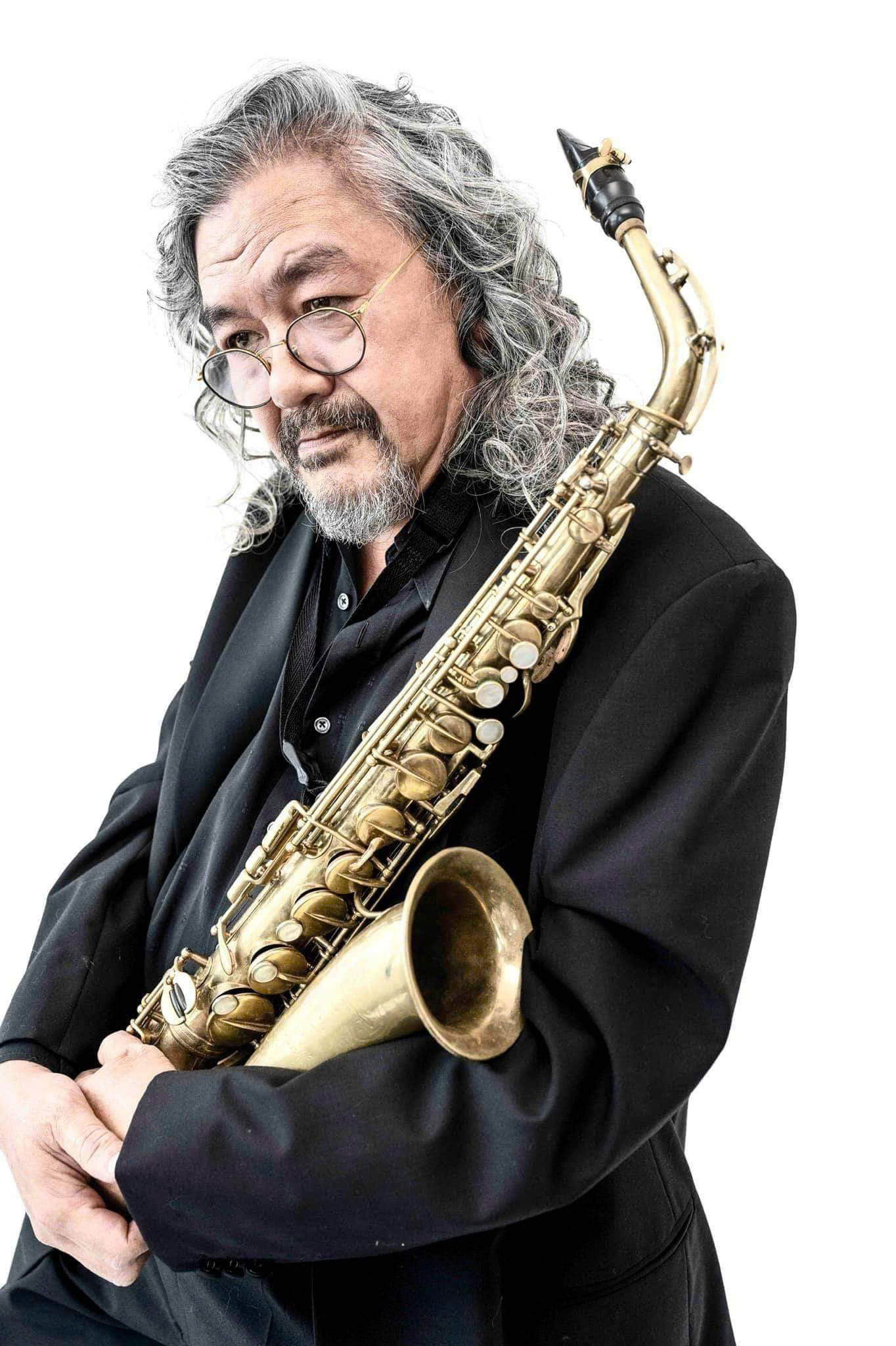
Veteran saxophonist Quyen Van Minh, an ambassador for Hanoi Jazztival 2026, says regular performances will be essential if the festival is to create lasting momentum for jazz in Vietnam.
“The fact that Hanoi can now organise a festival like this is something to celebrate,” he said.
Saxophonist Tung Sax, from a younger generation of Vietnamese musicians, also sees the festival as good news for both performers and audiences.
“Jazz needs a live performance space where musicians can communicate, improvise and transmit their energy to the audience,” he said. “A festival of this scale not only creates more stages for musicians but also opens opportunities to meet, learn and build connections between generations and between Vietnamese and international artists.”
For audiences, he said, the festival offers a chance to experience jazz in a more open and accessible setting.
“Many people still think jazz is difficult to listen to, too academic or only for a particular group of listeners. But when they experience it live, they can feel that jazz is deeply emotional, free and remarkably powerful in bringing people together,” he added.
Tung believes a professionally organised festival can help take jazz beyond clubs, bars and hotels and bring it closer to a broader public.
“I hope this will become a milestone where Vietnamese musicians can engage in an equal dialogue with their international peers, while also encouraging us to think more seriously about our own identity,” he said.
Where international cultural exchanges in Vietnam were once largely about receiving influences from abroad, Hanoi Jazztival 2026 represents an effort to create a platform of its own - one where Vietnamese jazz can shape and tell its own story.
Bringing Vietnamese sounds into contemporary jazz
After decades of development, Vietnam’s younger jazz musicians are not only mastering technique and embracing contemporary styles such as contemporary jazz, fusion, R&B, hip-hop and electronic music. They are also thinking deeply about how Vietnamese culture and sensibilities can find expression in their music.
Speaking about incorporating traditional elements into contemporary jazz, Tung said Vietnam’s folk traditions, traditional music and contemporary life offered musicians an enormous source of inspiration.
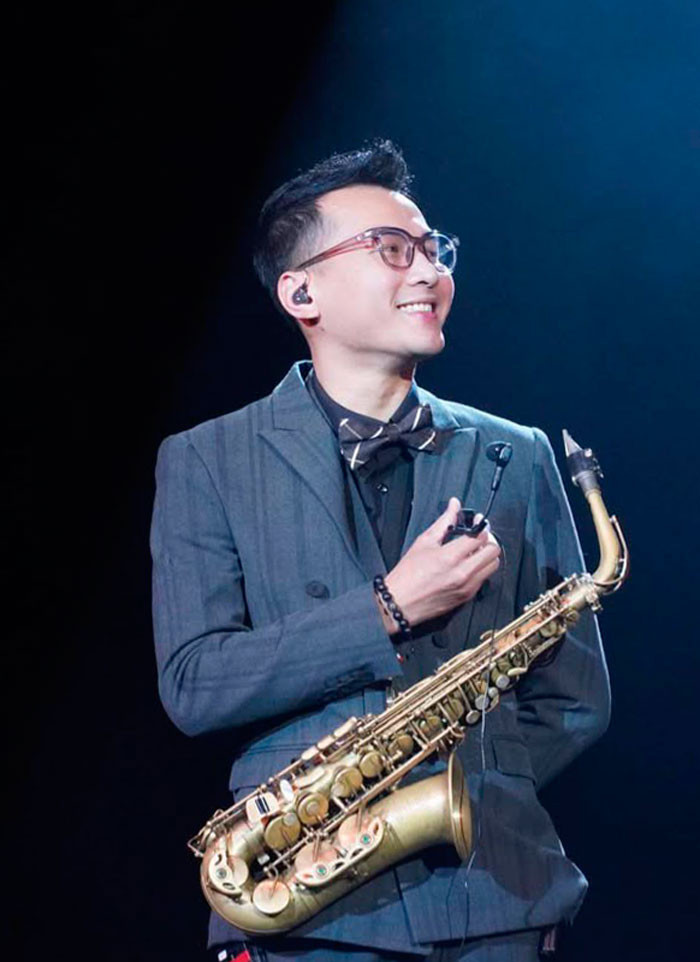
Vietnamese saxophonist Tung Sax hopes Hanoi Jazztival can help musicians connect with wider audiences while encouraging the development of a distinctive Vietnamese jazz identity.
Photos: Courtesy of the artists
“If we draw from them with understanding and respect, rather than simply combining elements on the surface, we can create a voice of our own,” he said.
Audiences are changing as well.
“Younger listeners today are more open, listen to a wider range of genres and no longer draw such rigid boundaries between jazz and pop, R&B, soul or electronic music,” Tung said. “This gives jazz an opportunity to reach listeners in new ways while retaining its essential spirit of freedom, improvisation and dialogue.”
Despite encouraging signs from the market, however, jazz in Vietnam continues to face significant obstacles.
Compared with the fast-moving world of popular music, jazz requires time, deeper engagement and performance spaces where interaction can take place.
As a saxophonist who has experienced the challenges firsthand, Tung acknowledged there had been moments of frustration.
“Behind every musician who pursues jazz are many years of study, practice and searching for an individual voice, but they do not always have enough stages where the public can discover them,” he said. “But I don’t think this is only a problem for musicians. It is an issue for the entire ecosystem.”
Jazz requires listeners to spend time with the music and develop a habit of engaging with it, he said. Today’s music market, by contrast, moves rapidly and tends to favour products capable of spreading quickly and reaching mass audiences.
Jazz generally develops through depth, live performance and interaction between musicians on stage.
“That makes it difficult for jazz to create the immediate mass impact of pop or some other popular genres,” Tung said.
“Vietnam also still lacks stable performance venues, specialised media coverage and mechanisms for long-term investment in jazz. Musicians who want to make a living from it have to find a balance between their artistic ideals and the demands of the market.”
Those challenges have not diminished the confidence of Vietnam’s jazz community.
Jazz does not necessarily need to become the country’s most popular form of music, but its practitioners believe it needs - and deserves - a secure place in contemporary cultural life.
For Quyen Van Minh, ensuring that Hanoi Jazztival’s impact extends beyond a burst of festival activity requires thinking beyond the three-day event.
“Hanoi Jazztival is a very good opportunity because, for three days, jazz can appear in many different spaces around the city,” he said. “I think similar activities could continue on weekends in the future. But turning them into regular events will take time.”
For him, the crucial question is what happens once the festival ends.
“What matters is how the story continues after the festival. How does the cultural sector view jazz? What conditions will be created for its development? Can regular activities be maintained? That is the longer-term story,” he said. “If there are only a few big days each year and then nothing afterwards, that isn’t enough. But if those three days show that outdoor spaces can become stages, that people will stop and listen to jazz, and that musicians can have places to perform, then that is already progress.”
What ultimately matters, he said, is cultivating genuine demand.
“For a cultural activity to spread, there first need to be places where the lights come on regularly,” he added.
Looking ahead, Tung hopes Hanoi Jazztival will grow beyond a performance event and become a sustainable platform where the next generation of Vietnamese jazz can take root.
Tinh Le
.svg)
