 Vietnamnet.vn

 Podcast



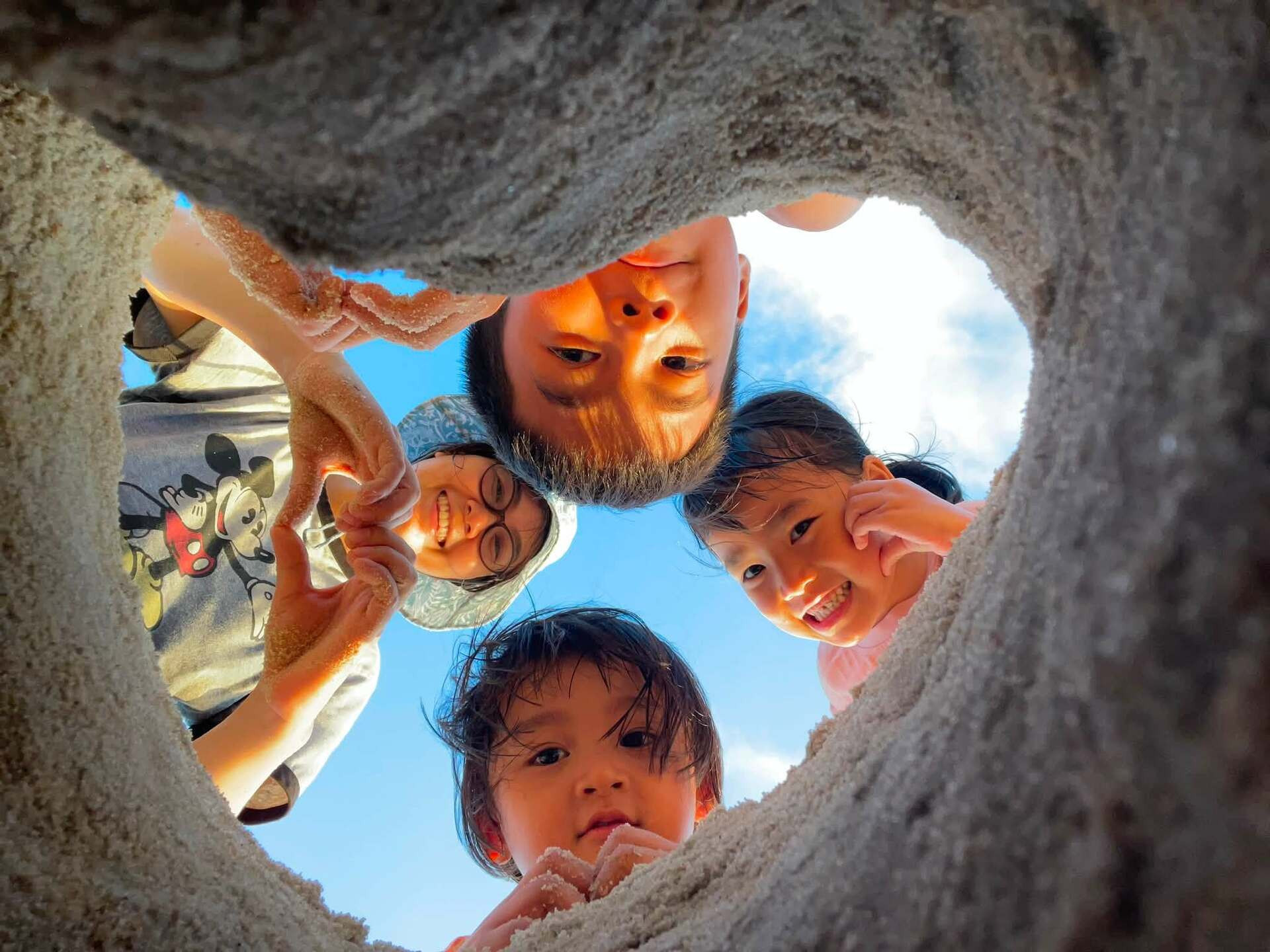
Le Thi Tam, from Tu Liem in Hanoi, recently returned home with her three children, aged nine, six and three, after a 15-day journey through Da Nang. Rather than following a packed itinerary of famous landmarks or staying at luxury resorts, the family spent most of their time living like fishermen in An Bang and Cu Lao Cham, the places many people often think have nothing for children to play.
Tam wanted her children to immerse themselves in nature, meet local residents and learn through real-life experiences.
“My two older children are already quite independent and can take care of themselves. My husband and I have always wanted them to explore nature freely instead of being overly sheltered,” she said.
Living like islanders
The family traveled from Hanoi to Hoi An by sleeper bus. Tam rented motorbikes to take her children around villages such as Cam Thanh and Tra Que, wandered through Hoi An Ancient Town, and watched fishermen return to shore at sunrise before heading back out to sea in the afternoon.
“Living in the city, my children had never seen the daily life of fishermen, so they were fascinated. They kept asking where the fishermen slept at night and what they did during storms,” Tam recalled.
After four days in Hoi An, they continued to Cu Lao Cham, an archipelago of eight islands recognized by UNESCO as a World Biosphere Reserve in 2009. The islands are known for their rich marine ecosystem and activities such as swimming, snorkeling and experiencing local life.
During their 10-day stay, the family spent most of their time swimming, sunbathing and exploring nature. Every morning, the children packed their own goggles, snacks, drinks and a picnic mat before heading to the beach.
“Some days we stayed at Bai Bac Beach from morning until late afternoon, reading books and playing by the sea. Since all three children can swim, they loved every activity in the water,” Tam said.
Without amusement parks or modern entertainment, the island’s natural surroundings became an endless playground for the city children.
One morning at Bai Bac Beach, Tam’s youngest child was eating biscuits beside her when several monkeys suddenly rushed over, snatched the snack bag and climbed into a tree. The next day, another monkey tried to grab a sausage the little girl had just bought at the village market.
After those two unexpected encounters, the three-year-old began carefully checking her surroundings and protecting her food every time they went to the beach.
“In the city, my children would never have the chance to interact with wild animals or learn how to respond in situations like that,” Tam said.
The three siblings also quickly became friends with local children. Every day they swam together, visited the Marine Protected Area Museum, Hai Tang Pagoda and the ancient Cham well.
“To us, the island’s children were the friendliest tourism ambassadors, making our trip even more memorable,” she said.
While on the island, the family also celebrated the youngest child’s third birthday. Instead of an elaborate cake or decorations, the simple party by the harbor was filled with laughter from the children.
Tam encouraged her two older children to plan each day’s activities, prepare supplies and navigate using Google Maps. Despite being on holiday, the family maintained their daily routine of reading books and reviewing school lessons.
“I always prioritize educational experiences that help my children develop knowledge and life skills, rather than simply taking them on vacation,” she said.
Encounters to remember
On weekdays, the island was relatively quiet, but weekends brought a surge of visitors, leaving accommodation almost fully booked. One day, after checking out of their homestay without securing another room, Tam and her children went door to door through the village until they finally found accommodation at a guesthouse called “Thuong Em.”
The hospitality of the owner left a lasting impression. Every morning he prepared herbal drinks for guests to take with them, switched on the air conditioner before the children returned from the beach, and even combed the youngest child’s hair after her bath one day.
She said homestays on the island cost between VND400,000 and VND600,000 per night. She usually cooked the family’s main meals herself to ensure they suited her children’s tastes and nutritional needs.
Linh Trang
.svg)
