 Vietnamnet.vn

 Podcast



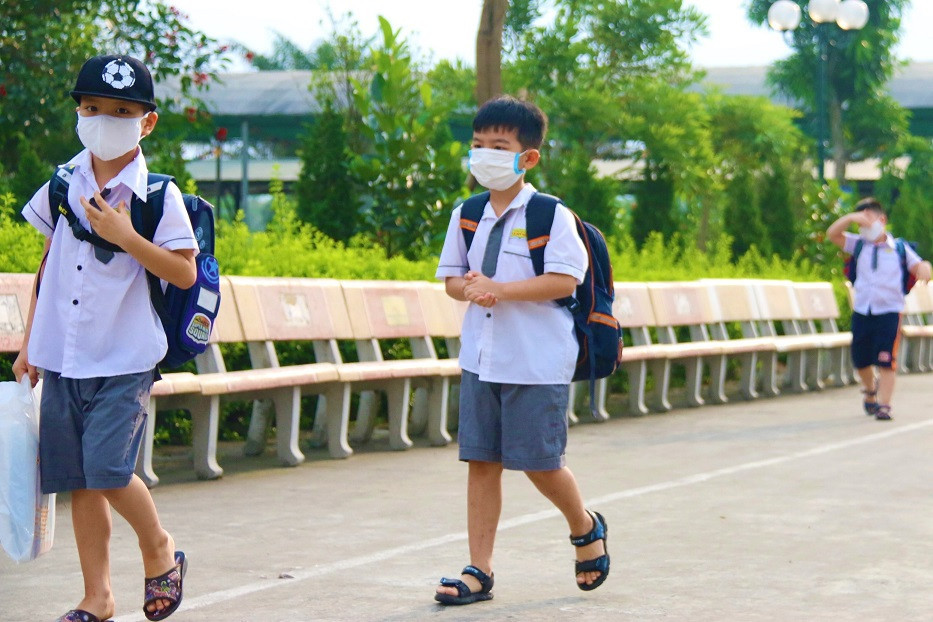
Hanoi’s Department of Education and Training has issued urgent instructions to strengthen heat prevention measures and protect the health of children and students across the city’s educational institutions.
According to the department, forecasts from the National Center for Hydro-Meteorological Forecasting indicate that Hanoi will continue experiencing prolonged hot weather, with peak temperatures in some areas exceeding 39C. High temperatures, changing humidity and persistent heat are expected to affect the health, daily life and learning conditions of students, teachers and school staff.
To proactively respond to the extreme weather and ensure student safety, the department requested commune and ward authorities to direct local schools to closely monitor weather developments and develop response plans suited to actual conditions.
Schools have also been asked to clearly assign responsibilities to teachers and staff in monitoring, caring for and supporting students, especially high-risk groups such as kindergarten children, primary school students, those with underlying health conditions, weaker physical conditions or students participating in exam preparation, training or outdoor activities.
The department specifically instructed schools not to organize outdoor activities during periods of severe heat.
Educational institutions have been told to flexibly adjust educational plans, class schedules, group activities, experiential learning sessions, physical education classes and outdoor programs to ensure safety. Necessary activities should be prioritized in the early morning or during cooler periods of the day.
Children and students are not allowed to gather in large groups, participate in sports training, labor activities, extracurricular programs or outdoor experiences during peak heat hours, particularly between 10am and 4pm daily.
During prolonged extreme heat, school administrators are authorized to proactively adjust teaching schedules, review sessions, examinations and educational activities depending on actual conditions, while promptly informing parents of any changes.
For review classes and examinations, schools are required to ensure classrooms and exam rooms remain well ventilated, adequately lit and equipped with fans or air conditioning where available. Schools were also instructed not to let students wait outdoors for extended periods under direct sunlight and to arrange safe pick-up and drop-off procedures.
The department further ordered schools to improve facilities, drinking water access and classroom ventilation. Educational institutions have been asked to urgently inspect and repair electric fans, air conditioners, ventilation systems, sunshades, roofs, water supply systems, wash areas, toilets, medical rooms and temporary rest spaces where necessary.
Schools operating boarding or semi-boarding programs must ensure nutritious meals with increased servings of vegetables and fruit while maintaining food safety standards.
Authorities also called for enhanced sanitation measures in classrooms, cafeterias, kitchens, dormitory areas, toilets and waste storage areas to maintain a clean and ventilated school environment and reduce the risk of disease outbreaks during the hot weather.
Educational institutions were additionally instructed to strengthen school health monitoring systems to promptly detect and handle symptoms such as fatigue, headaches, dizziness, nausea, cramps or fainting among students during study, activities and boarding programs.
Schools must also ensure sufficient medical supplies and maintain updated contact information for parents and local health facilities to respond quickly to emergencies.
At the same time, schools were urged to intensify communication and coordination with parents on heat prevention measures.
Teachers, staff, students and parents are being reminded about preventing heatstroke, maintaining proper nutrition, drinking enough water, wearing suitable clothing and using hats or sun protection when traveling outdoors.
Schools are also expected to regularly remind students not to play, run or exercise under intense sunlight and not to swim in ponds, lakes, rivers, streams or dangerous areas. Coordination with families to supervise students outside school hours, especially during the summer break, was also emphasized.
Thanh Hung
.svg)
