 Vietnamnet.vn

 Podcast



The Hanoi People's Council is expected to consider adding 873 land acquisition projects covering approximately 11,563 ha, with priority given to transport infrastructure, schools, hospitals and resettlement developments.
At its fifth session of the 17th People's Council, scheduled for July 14 - 16, lawmakers will review a resolution to revise and expand the list of land acquisition projects serving socio-economic development for national and public interests. The proposal has drawn significant public attention.
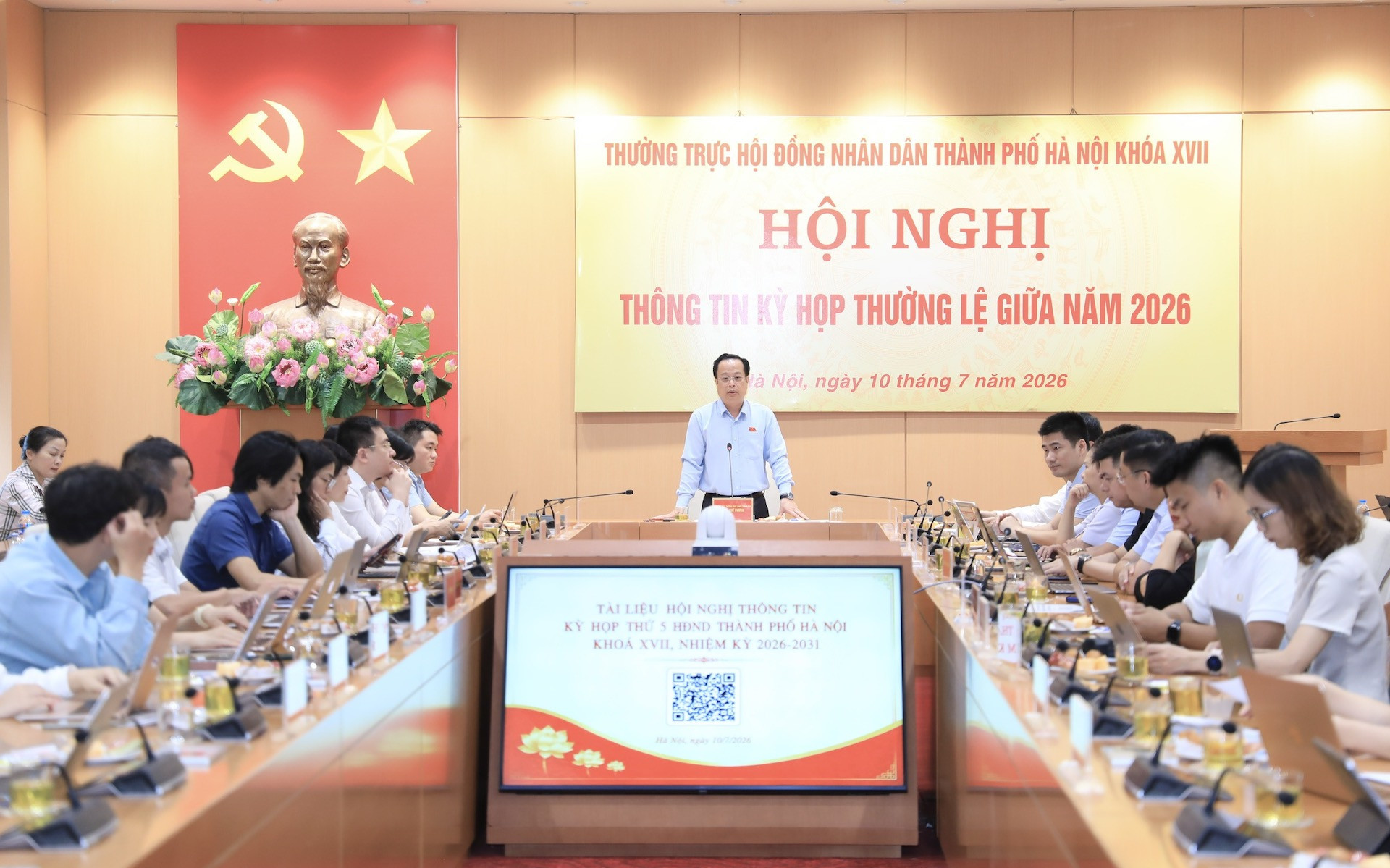
Speaking to VietNamNet at a press briefing ahead of the mid-year session, Vu Ngoc Anh, deputy head of the Economic and Budget Committee of the Hanoi People's Council, said the city plans to add 873 land acquisition projects covering about 11,563 ha.
The proposal includes 259 ongoing projects covering about 3,700 ha and 614 newly registered projects totaling approximately 7,792 ha.
Focus on transport, social infrastructure and urban development
The proposed projects fall into four main categories.
The first includes transport infrastructure and regional connectivity projects. The second covers education, culture, healthcare and other social infrastructure. The third focuses on industrial development, urban projects and social housing. The fourth consists of projects to create land reserves for land-use rights auctions and the construction of resettlement areas.
According to Vu Ngoc Anh, expanding the land acquisition list will help make more effective use of land resources, generate revenue for development investment and accelerate the implementation of the city's key projects.
The projects are distributed across multiple communes and wards and include public investment projects, privately funded developments and land-use rights auction projects. However, preliminary reviews indicate that some localities still need to verify the proposals to ensure they comply with allocated land-use targets.
The Economic and Budget Committee said residents should pay particular attention to projects involving regional transport links, schools, hospitals, resettlement areas and essential social infrastructure, as these developments are expected to directly improve living standards and support Hanoi's long-term growth.
Vu Ngoc Anh said the People's Council would examine each project in accordance with the Land Law, carefully assessing its necessity, feasibility, land-use efficiency and the lawful rights and interests of affected landowners.
He added that the number of projects submitted to the council could still be adjusted during the appraisal process before final approval, in line with legal requirements.
Sidewalk management proposal postponed
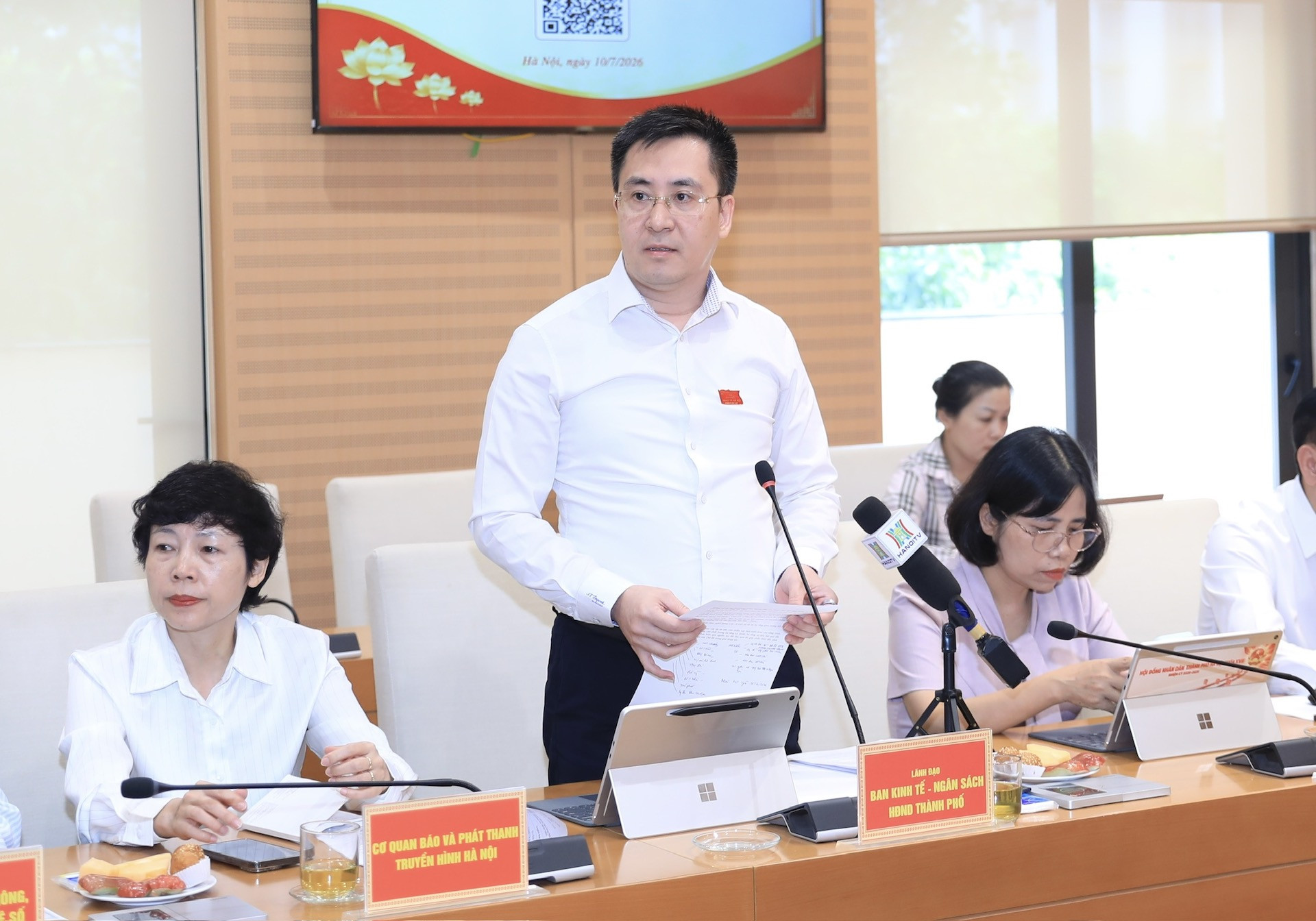
At the same briefing, Tran Hop Dung, head of the Urban Affairs Committee of the Hanoi People's Council, said the municipal People's Committee had requested the withdrawal of a proposed resolution on the management and commercial use of roads and sidewalks from the upcoming session for further study.
Dung said any commercial use of sidewalks must be considered within the broader framework of urban planning.
"The primary function of roads and sidewalks is to serve traffic and pedestrians. Only areas that fully meet the required conditions should be considered for business activities," he said.
He warned that allowing commercial activities too broadly could generate localized economic benefits but would undermine overall urban management objectives.
According to Dung, the proposal will continue to be studied alongside the implementation of subdivision and detailed urban planning, while also taking into account plans for underground development, the night-time economy, low-emission zones and emerging business models.
The aim, he said, is to strike a balance between economic development, urban order, food safety and the interests of residents.
Council to question officials on urban flooding
Regarding the upcoming question-and-answer session, Dung said the Standing Committee of the People's Council has selected urban flooding and drainage as a key topic.
He noted that flooding affects not only transportation but also the environment, food safety and residents' quality of life.
According to Dung, Hanoi has made considerable progress in addressing flood-prone areas in recent years. Heavy rainfall in recent days showed that stormwater drained more quickly than in the past.
However, he said the city cannot be satisfied with the current results and must continue reviewing the effectiveness of its investments, particularly public infrastructure projects related to urban drainage.
"The questioning session will also be linked to the implementation of lower-level urban planning, including drainage planning, to help remove bottlenecks in the city's development," Dung said.
Thanh Hue
.svg)
