 Vietnamnet.vn

 Podcast



According to the resolution, the pilot program is intended to translate the values, objectives and characteristics of Vietnam's socialist system into grassroots governance while testing a modern, democratic, disciplined, people-centered and development-oriented model suited to the capital's vision of becoming a "Civilized, Cultured, Modern and Happy" city.
The resolution states that the model should reflect the principles of socialism at the level of government closest to citizens.
It emphasizes that people should remain at the center of development as its beneficiaries, participants and driving force. Policies and public services are expected to improve quality of life, promote social equity and ensure that no one is left behind. Public consensus, satisfaction, well-being and residents' sense of happiness will serve as key measures of success.
The city said development should extend beyond economic growth to improve residents' material and spiritual well-being, living environments and overall quality of life while ensuring that the benefits of development are shared fairly and sustainably.
Pilot to test new governance mechanisms
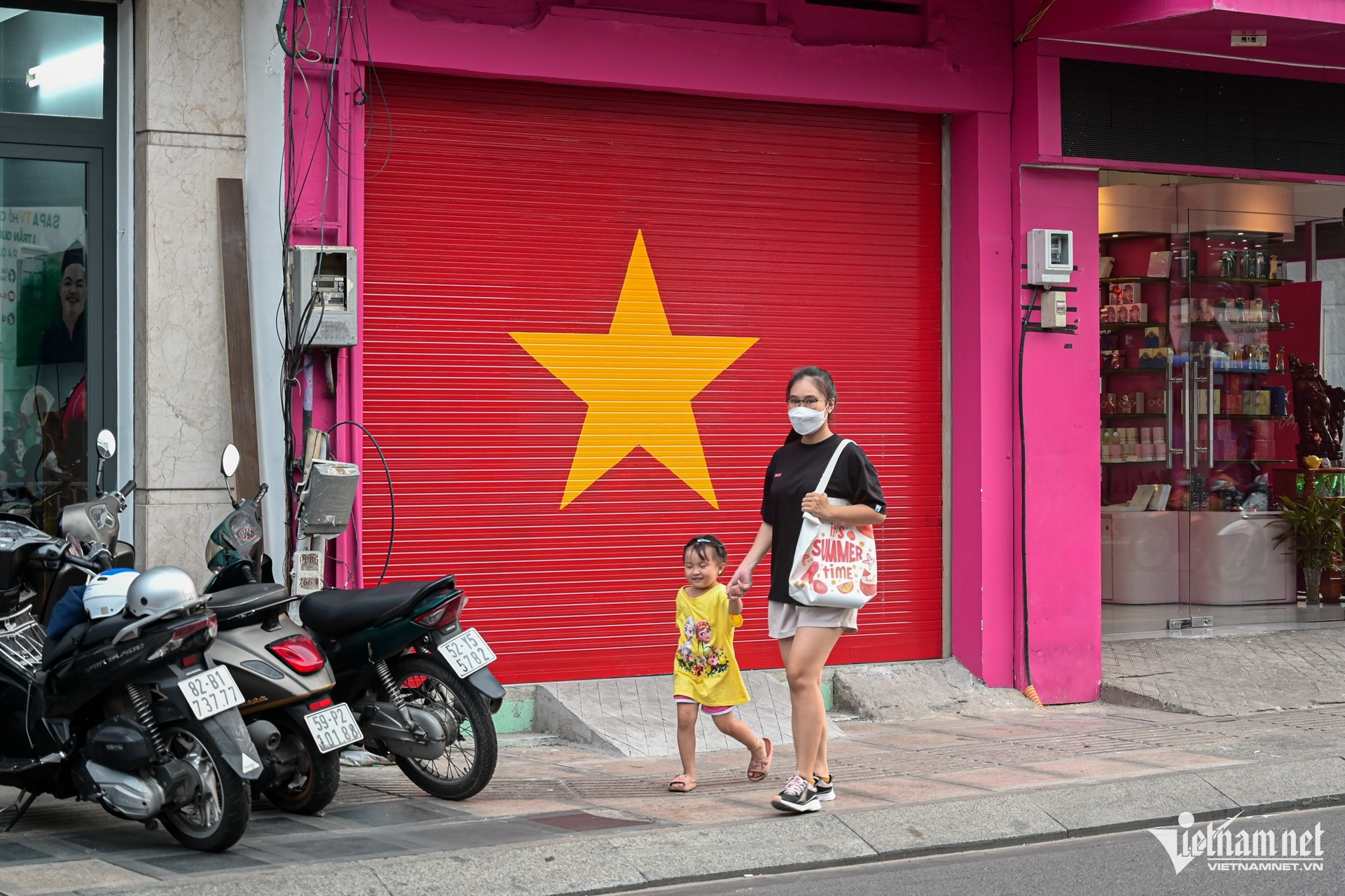
The pilot "socialist commune and ward" model is designed to reflect the principles of Vietnam's socialist system through grassroots governance focused on improving residents' quality of life. Photo: Pham Hai
The resolution proposes a controlled pilot mechanism for new initiatives, including reorganizing development space, introducing a service-oriented model of commune and ward governance, expanding citizen participation, and measuring quality of life and happiness indicators.
Flexible mechanisms for decentralization, delegation of authority and inter-agency coordination will also be introduced to streamline administrative procedures and improve government efficiency.
Hanoi identified human resources - particularly grassroots officials and civil servants - as the decisive factor in the success of the pilot.
The city plans to select and assign personnel appropriately while strengthening their governance capacity, innovative thinking, leadership skills and ability to work across sectors.
Multi-phase implementation through 2035
In 2026, Hanoi will finalize and issue the pilot proposal, develop implementation plans and supporting projects, establish management mechanisms, identify priority tasks, allocate resources and provide guidance for participating communes and wards.
From 2027 to 2030, the city will fully implement the pilot in the selected localities while conducting regular monitoring and evaluations based on a set of performance criteria. Authorities will address implementation challenges, adjust unsuitable measures and monitor how the evaluation framework could be applied in other communes and wards.
In 2030, Hanoi will conduct a midterm review to assess the pilot's results and refine its criteria, policies and implementation methods before considering broader expansion.
During the 2031–2035 period, the city plans to continue refining the model and gradually extend it to additional eligible localities.
A comprehensive review is scheduled for 2035 to evaluate the model's effectiveness, impact and feasibility before submitting recommendations to competent authorities on whether it should be expanded across Hanoi.
Thanh Hue
.svg)
