 Vietnamnet.vn

 Podcast


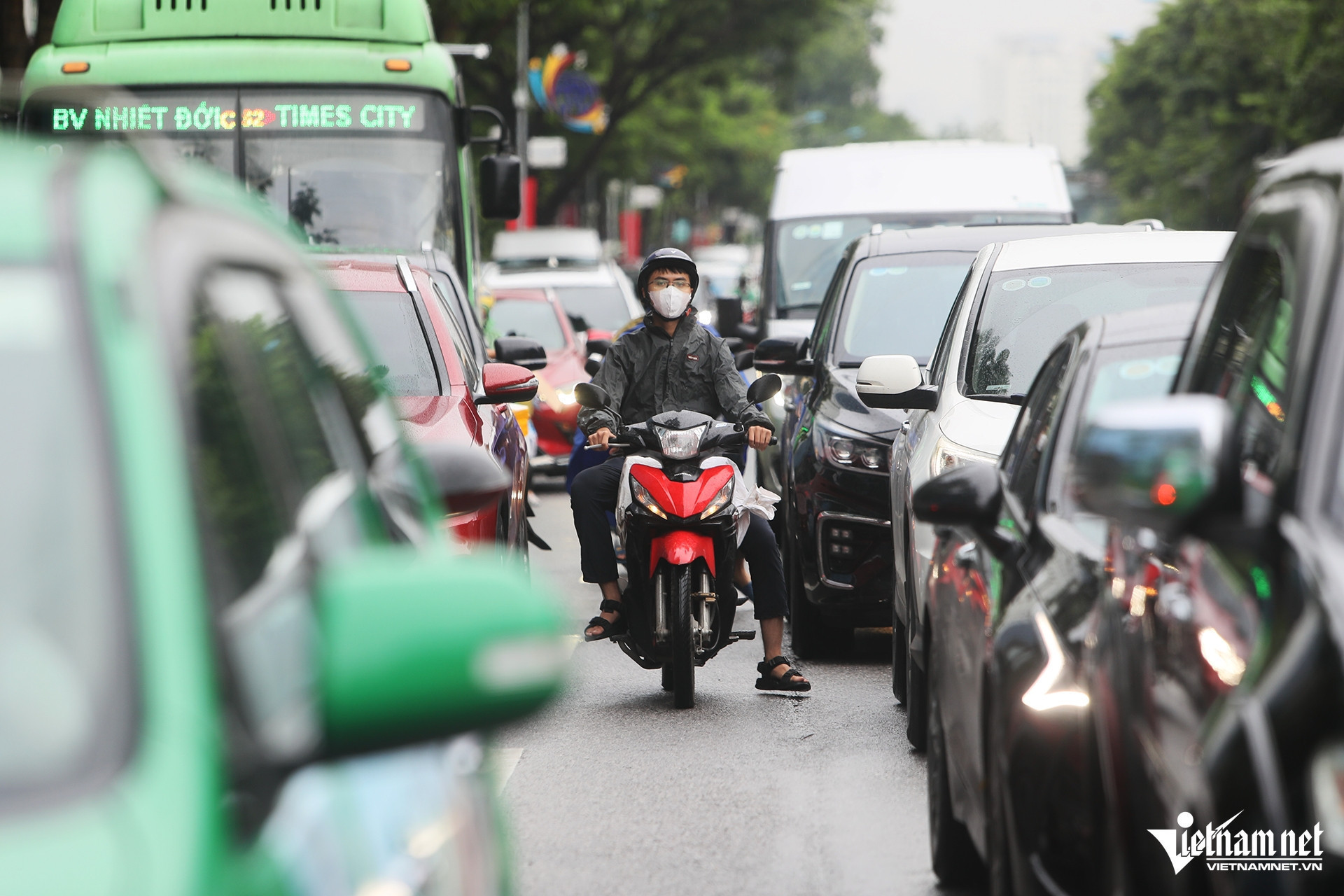
The Hanoi Department of Construction has submitted a report to the municipal People's Committee on the results of its low-emission zone pilot program, proposing an expansion roadmap beginning in 2027.
Under the proposal, the second phase would run from January 1 to December 31, 2027, covering three areas in Hoan Kiem and Cua Nam wards.
The first area, designated as the core zone, lies within the boundaries of the Hoan Kiem pedestrian streets and night market.
It covers 12 streets: Trang Tien, Hang Khay, Le Thai To, Hang Dao, Hang Ngang, Hang Buom, Ma May, Hang Bac, Hang Mam, Nguyen Huu Huan, Ly Thai To and Ngo Quyen.
The area spans approximately 0.45 square kilometers and has a population of around 20,000.
The second area covers 1.65 square kilometers and is home to approximately 90,000 residents.
Its boundaries follow Trang Thi, Tho Nhuom, Hang Bong, Phung Hung, Phan Dinh Phung, Hang Dau, Tran Nhat Duat, Tran Quang Khai, Trang Tien and Hang Khay streets, including the Old Quarter.
The third area spans 3.6 square kilometers and has a population of nearly 137,000.
It is bounded by Nguyen Du, Han Thuyen, Tran Hung Dao, Tran Khanh Du, Tran Quang Khai, Tran Nhat Duat, Hang Dau, Cua Dong, Ly Nam De, Ton That Thiep, Dien Bien Phu, Hang Bong, Cua Nam and Le Duan streets.
Stricter emission standards for cars and motorbikes
Under the proposed traffic arrangements, all cars, motorcycles and mopeds would be prohibited from entering the first area between 7pm and midnight every Friday, Saturday and Sunday.
Priority vehicles would be permitted to operate around the clock.
From January 1, 2027, cars operating within the low-emission zone would be required to meet at least Level 4 emission standards under Vietnam's QCVN 85:2025 regulation.
For motorcycles and mopeds, a minimum Level 3 emission standard under QCVN 99:2025 is proposed to take effect from January 1, 2028.
Notably, petrol- and diesel-powered motorcycles and mopeds providing services through ride-hailing and transport booking platforms would be prohibited from operating within the low-emission zone.
Platform operators would be required to adjust their applications to redirect affected vehicles away from restricted areas.
The city also plans to encourage reduced use of motorcycles manufactured or imported before 2008 and mopeds manufactured or imported before 2016.
Residents would be encouraged to switch to public transport, non-motorized vehicles and environmentally friendly alternatives.
Trucks weighing two to 3.5 tonnes face complete ban
For fossil fuel-powered cars and other motor vehicles, the proposed restrictions would vary by vehicle category.
Passenger vehicles with more than 16 seats, excluding buses and school transport vehicles, would be prohibited if they failed to meet Level 4 emission standards.
In the first and second areas, vehicles meeting the required standards would only be allowed to operate outside peak hours.
Those seeking to travel during peak hours would need written approval from the Hanoi Police Department.
Buses and school transport vehicles that fail to meet Level 4 standards would also be prohibited.
Cars with 16 seats or fewer, along with pickup trucks, would be required to meet Level 4 emission standards or higher.
For trucks weighing less than two tonnes, vehicles failing to meet Level 4 standards would be banned.
Compliant trucks would only be allowed to operate outside peak hours unless they received special authorization from the municipal police.
Most notably, trucks with a gross vehicle weight of between two and 3.5 tonnes would be completely prohibited from circulating within the low-emission zone.
Hanoi previously launched the first phase of its low-emission zone pilot program on July 1, 2026, in the core area of Hoan Kiem ward.
The initial pilot covered 12 streets, with all cars, motorcycles and mopeds prohibited between 7pm and midnight on weekends.
The proposed 2027 expansion would extend the initiative to a substantially larger area of central Hanoi, introducing tighter vehicle emission requirements and broader traffic restrictions.
Vu Diep

