 Vietnamnet.vn

 Podcast



Hanoi is set to pilot restrictions on petrol-powered motorbikes within Ring Road 1 starting July 1, 2026. Even before the policy takes effect, many residents have begun adjusting their daily routines, with some proactively switching to electric vehicles. Still, concerns over costs, infrastructure, and feasibility remain.
Under the plan, a low-emission zone will be introduced in the city’s central area, where petrol motorbikes will be restricted or banned during certain hours across streets in nine wards: Hai Ba Trung, Cua Nam, Hoan Kiem, O Cho Dua, Van Mieu, Quoc Tu Giam, Phuong Lien, Trung Tu, and Kim Lien. This marks the first step in reducing fossil fuel vehicles, aiming to improve air quality and ease urban congestion.
Authorities are also studying support mechanisms for vehicle conversion, alongside expanding public transport and electric mobility infrastructure. As a result, daily life in affected areas is already beginning to shift.
Residents move early toward electric mobility
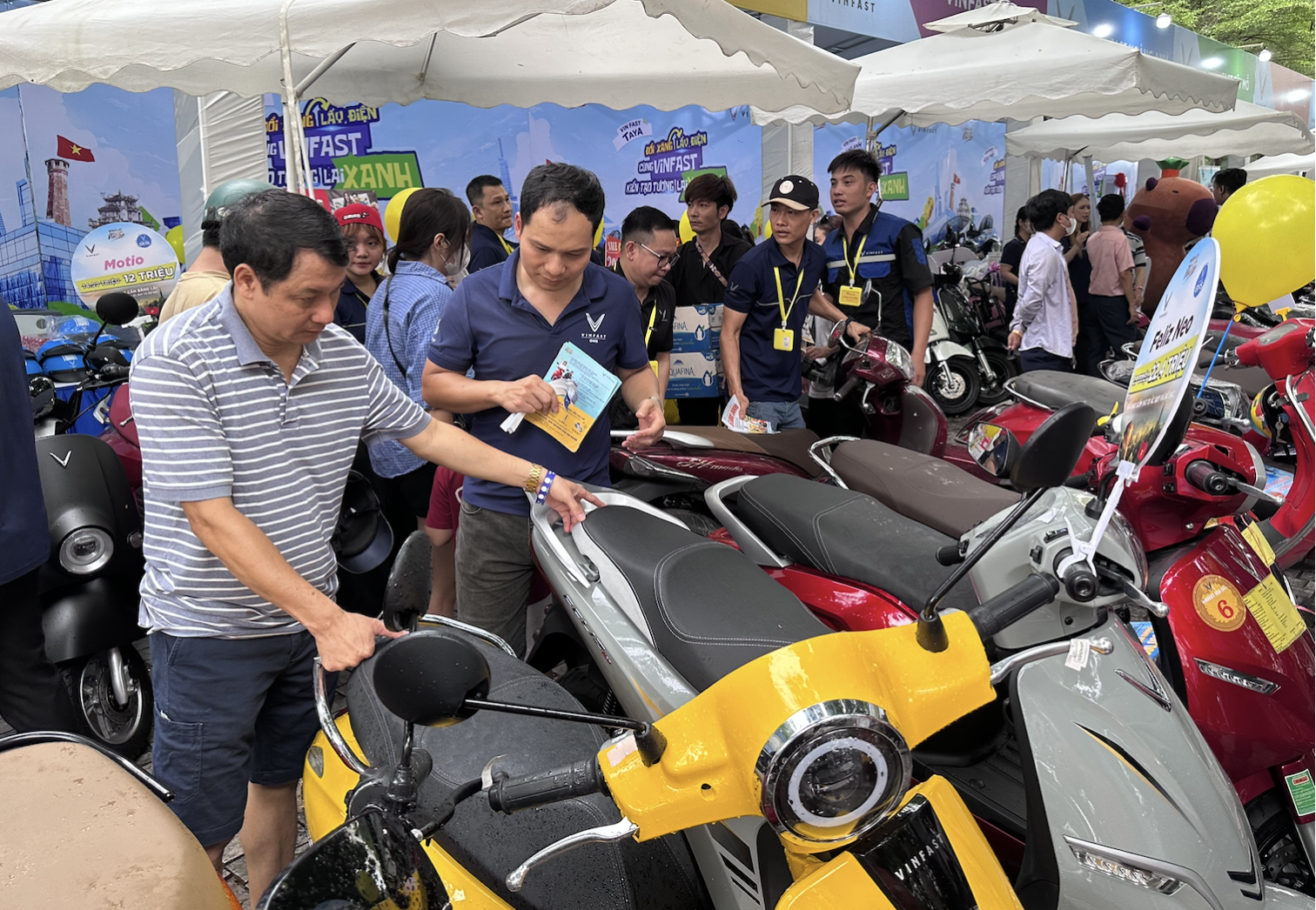
In several wards within Ring Road 1, some residents have started adapting ahead of time, even in the absence of detailed support policies.
Phung Trung Ta, who lives along Ring Road 1, said his family decided to switch to electric vehicles without waiting for the July deadline.
“Our house is right inside Ring Road 1, so we knew sooner or later we would have to change,” he said. “There hasn’t been much official communication at the local level yet. We mainly made the decision ourselves based on our needs. I take the bus to work, my wife only goes to the market nearby, and picking up the kids from school is close, so an electric vehicle works well. We sold our petrol bike and bought an electric one entirely on our own. Around our neighborhood, only a few households have made the switch so far.”
Nguyen Thi Lan, a kindergarten teacher in Hoan Kiem ward, shared a similar experience. Her petrol motorbike, purchased just last year after years of saving, is still in excellent condition. Yet the upcoming restrictions have forced her to reconsider.
“The bike hasn’t even depreciated much and still runs perfectly, so it’s a pity,” she said. “But living in the affected area means we have to be proactive. I’ve already researched and placed a deposit on an electric vehicle, just to get used to it early.”
For Tran Van Duc, an office worker in O Cho Dua ward, the transition comes with financial pressure. He bought his petrol motorbike on installment at the end of 2024.
“I’m still paying it off every month. Hearing about the new policy was quite a shock,” he said. “If I switch to an electric vehicle, I’ll have to sell the old one at a loss. But if I don’t, commuting will become difficult. I’m still figuring out the right time to make the change.”
Among freelance workers, the issue is even more pressing. Le Van Hoa, a ride-hailing driver, described his motorbike as his family’s main source of income.
“If I’m restricted from entering the inner city, it means losing my livelihood,” he said. “I’m considering taking out a loan to buy an electric bike, even though it will add financial pressure. Without it, I won’t have work.”
Meanwhile, Pham Thi Huong, a small trader in Hai Ba Trung ward, chose to act quickly after hearing about the policy through her local neighborhood group.
“My job requires daily trips to collect and deliver goods in the city center,” she said. “As soon as I heard about the plan, I started researching and placed a deposit on an electric bike. Waiting until the ban takes effect would be too late.”
These early shifts suggest that, despite limited support, a segment of residents is already preparing - researching options, balancing finances, and committing to new vehicles. A mindset of anticipating policy changes is gradually taking shape, especially among those with frequent short-distance travel needs.
Support for the policy, but concerns remain
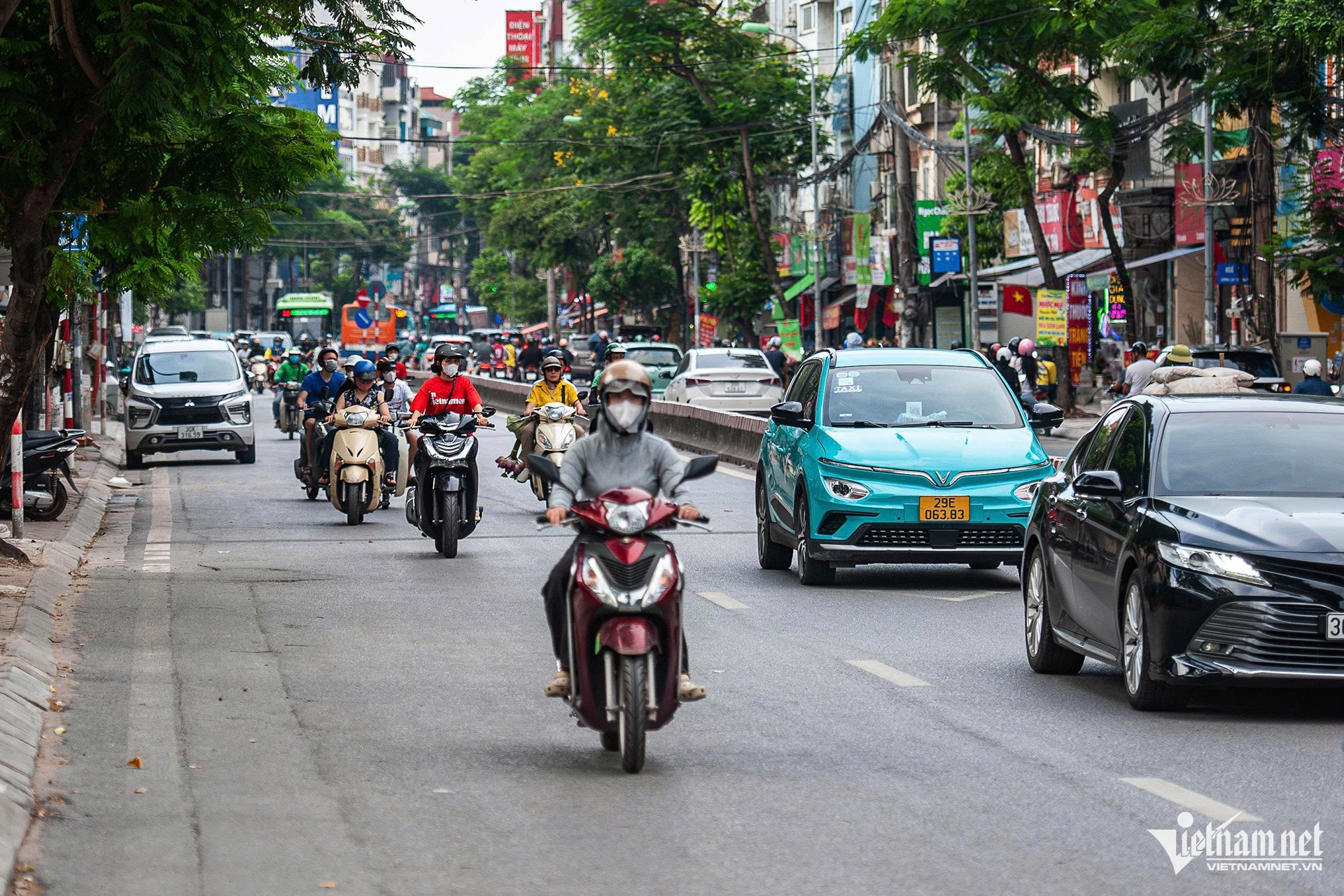
While many residents support efforts to reduce pollution, they stress that the transition is not simply about replacing one vehicle with another. It brings broader challenges related to cost and infrastructure.
Nguyen Phuong, who runs a baking supply business in Trung Tu ward, expressed concern about the timing of the policy.
“We bought a new motorbike just a few months ago, so the announcement was quite unexpected,” she said. “The bike is still new and works well, yet it may soon be restricted. If there is a ban, I think priority should be given to phasing out vehicles that are over 10 years old, since they produce higher emissions, rather than applying a blanket policy.”
Phan Sang, a resident of Hai Ba Trung, believes the issue should be addressed more holistically.
“Public transport needs to be expanded, pedestrian areas increased, and cycling encouraged,” he said. “If we simply switch from petrol to electric vehicles, traffic congestion will remain, and only part of the pollution problem will be solved. For families with multiple vehicles, replacing all of them at once is a major financial burden. Low-interest installment plans or conversion subsidies would make it easier for people to adapt.”
Others point out that motorbikes have long been essential to daily life and livelihoods.
“For many years, motorbikes have been how people go to work and support their families,” said Hoang Tien, a resident of Cua Nam ward. “Some people save for a long time to afford a decent bike. If petrol bikes are banned too quickly, it will disrupt lives, especially for workers.
“My family has two petrol bikes. Selling them cheaply feels wasteful, but buying electric ones is also difficult since our apartment building does not yet allow charging or parking for them. The current bikes are only a few years old. I think the transition should be gradual, based on emission levels.”
Concerns about batteries, charging stations, and safety are also common.
“Where will we charge, how much will battery replacement cost, and will old batteries be recycled?” asked Thu Anh, a resident of Hoan Kiem. “There are also worries about fire safety, but we haven’t seen clear guidelines yet.”
From a longer-term perspective, Nguyen Van Hiep in Hai Ba Trung emphasized the need for careful preparation.
“Battery quality is not yet consistent, costs are still high, and charging infrastructure is limited,” he said. “If the policy is implemented too quickly, it could cause disruption. There needs to be coordination between the government and businesses. In my view, older petrol vehicles should be restricted first, giving people time to adapt.”
As Hanoi moves forward with its low-emission zone pilot, the city is entering a critical phase. The transition toward greener transport is gaining momentum, but its success will depend on how well policy aligns with the realities of everyday life.
Y Nhuy
.svg)
