 Vietnamnet.vn

 Podcast



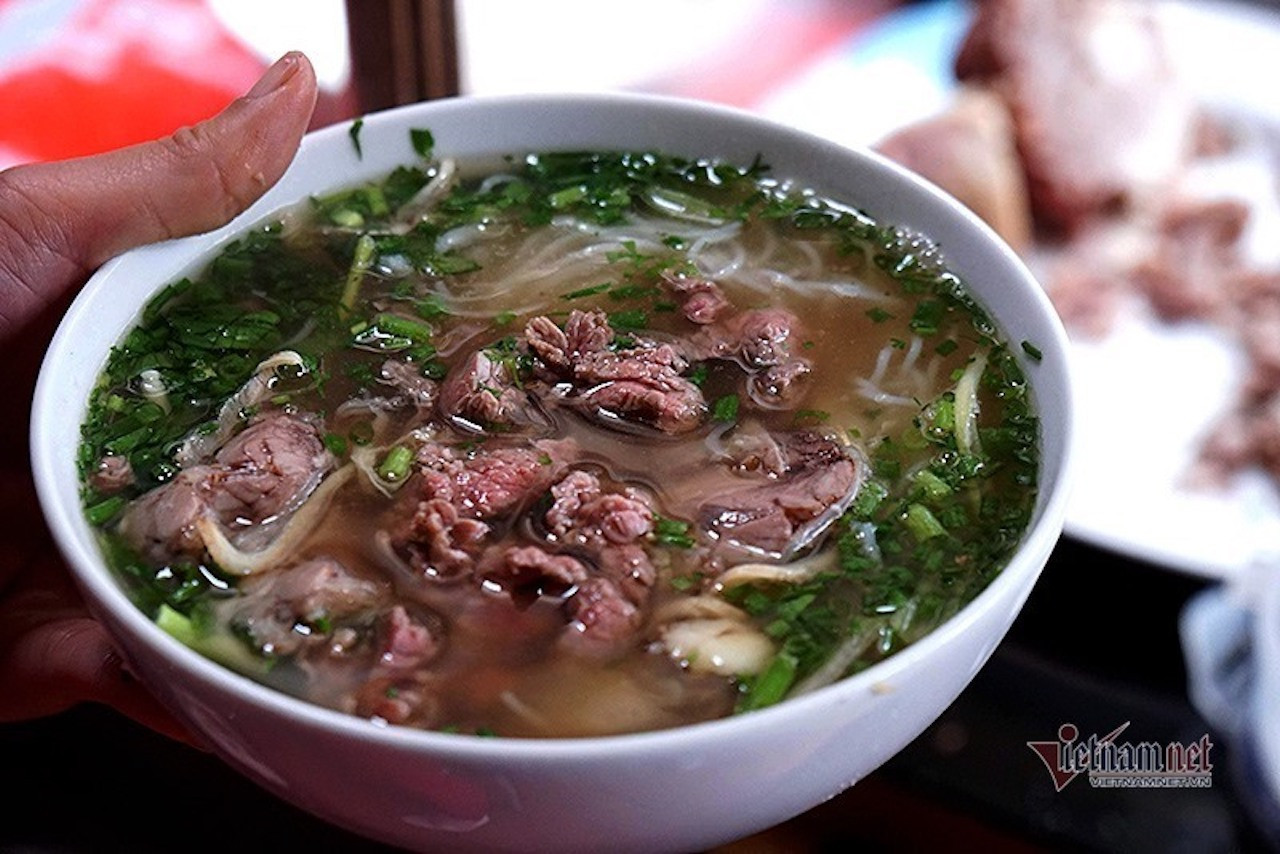
Many small eateries in Hanoi have recently raised prices for popular dishes such as pho, bun rieu, and mien, increasing by around VND3,000 to VND5,000 per bowl (US$0.12-US$0.20) as the cost of ingredients, electricity, gas, and labor has climbed in recent months.
In the Linh Dam urban area of Hoang Mai District, a pho shop located on the main street has raised the price of a bowl from VND35,000 (US$1.40) to VND40,000 (US$1.60) since the beginning of this year.
The shop owner said the decision to increase prices had been carefully considered because the restaurant mainly serves regular customers in the neighborhood and had no desire to raise prices.
However, beef prices, bone broth ingredients, and various spices have risen significantly. Electricity, gas, and staff wages have also increased, making it difficult to maintain the previous price level.
According to the owner, ingredient costs alone have increased noticeably compared with earlier periods.
Beef, the main ingredient in pho, has been rising continuously. Prices of vegetables, onions, ginger, cinnamon, and star anise have also shown upward trends.
A similar situation has occurred on Nguyen Chanh Street in Cau Giay District, where a long-running sidewalk bun rieu stall has recently raised prices by VND5,000 (US$0.20) per bowl.
Previously, a bowl of bun rieu typically cost around VND30,000 (US$1.20), but the price has now increased to VND35,000 (US$1.40).
The stall owner explained that the increase mainly reflects rising costs of key ingredients such as freshwater crab, tomatoes, tofu, fresh herbs, and other materials.
Because the stall wants to maintain the same portion size and quality, reducing ingredients was not considered an option. Instead, the owner chose to implement a small price adjustment to offset higher costs.
According to the owner, when a bowl of bun previously sold for VND30,000-VND35,000 (US$1.20-US$1.40), the stall could still maintain a stable profit.
With ingredient prices rising, however, keeping the old price would mean that revenue barely covers operating expenses.
A survey in several neighborhoods shows that many small eateries have recently begun adjusting prices for everyday dishes such as pho, bun, and mien.
The typical increase ranges from VND3,000 to VND5,000 (US$0.12-US$0.20) per bowl.
Although the increase is relatively small, the trend reflects growing cost pressure on small food businesses.
If ingredient and operating costs remain high, price increases among small eateries could continue in the coming period.
Some restaurant owners say they will try to keep price adjustments as minimal as possible to avoid losing regular customers.
Most customers accept the increase
Despite the adjustments, most diners say they are willing to accept a small price increase as long as the quality of the dishes remains unchanged.
Minh Tuan, 32, an office worker in the Cau Giay area, said it is understandable for a bowl of pho or bun to increase by a few thousand dong as the cost of many goods and living expenses continues to rise.
According to him, an increase from VND35,000 to VND40,000 (US$1.40-US$1.60) for a bowl of pho remains reasonable, as long as the portion and quality stay the same.
Lan Anh, a sales employee in Thanh Xuan District, also considers a small price increase acceptable given the rising cost of ingredients.
“A slight increase once in a while is still fine. But if prices continue rising frequently, daily lunch expenses will eventually become quite significant,” she said.
Tran Khanh Minh Son, an expert in the food and beverage industry, noted that small food businesses depend heavily on the price of raw ingredients.
“When food prices increase, operating costs also rise accordingly,” he said.
According to Son, profit margins in the casual dining sector are usually quite low.
“If input costs increase by around 10-15 percent, many establishments have no choice but to adjust their selling prices to maintain operations,” he explained.
He added that the current price increase remains relatively modest and still within the market’s tolerance.
Restaurant owners often consider price adjustments carefully because they can affect customer traffic. If prices rise too quickly or too sharply, customers may choose to eat elsewhere.
To avoid rapid price increases, some eateries are trying to optimize operating costs, secure stable ingredient supplies, and adjust cooking processes to reduce expenses while maintaining food quality.
Duy Anh
.svg)
