phung hung.jpg
Hoan Kiem Ward authorities in Hanoi are preparing a detailed 1:500 urban design plan for the railway arches along Phung Hung Street, with the goal of revitalising the urban landscape, preserving heritage values and unlocking the area’s potential as a distinctive cultural, commercial and service destination in the capital.
phung hung1.jpg
The railway arches along Phung Hung form one of the few remaining streetscapes in Hanoi where architecture dating from the French colonial period has retained a strong sense of continuity and consistency, making the area an important marker of the capital’s urban development.
phung hung2.jpg
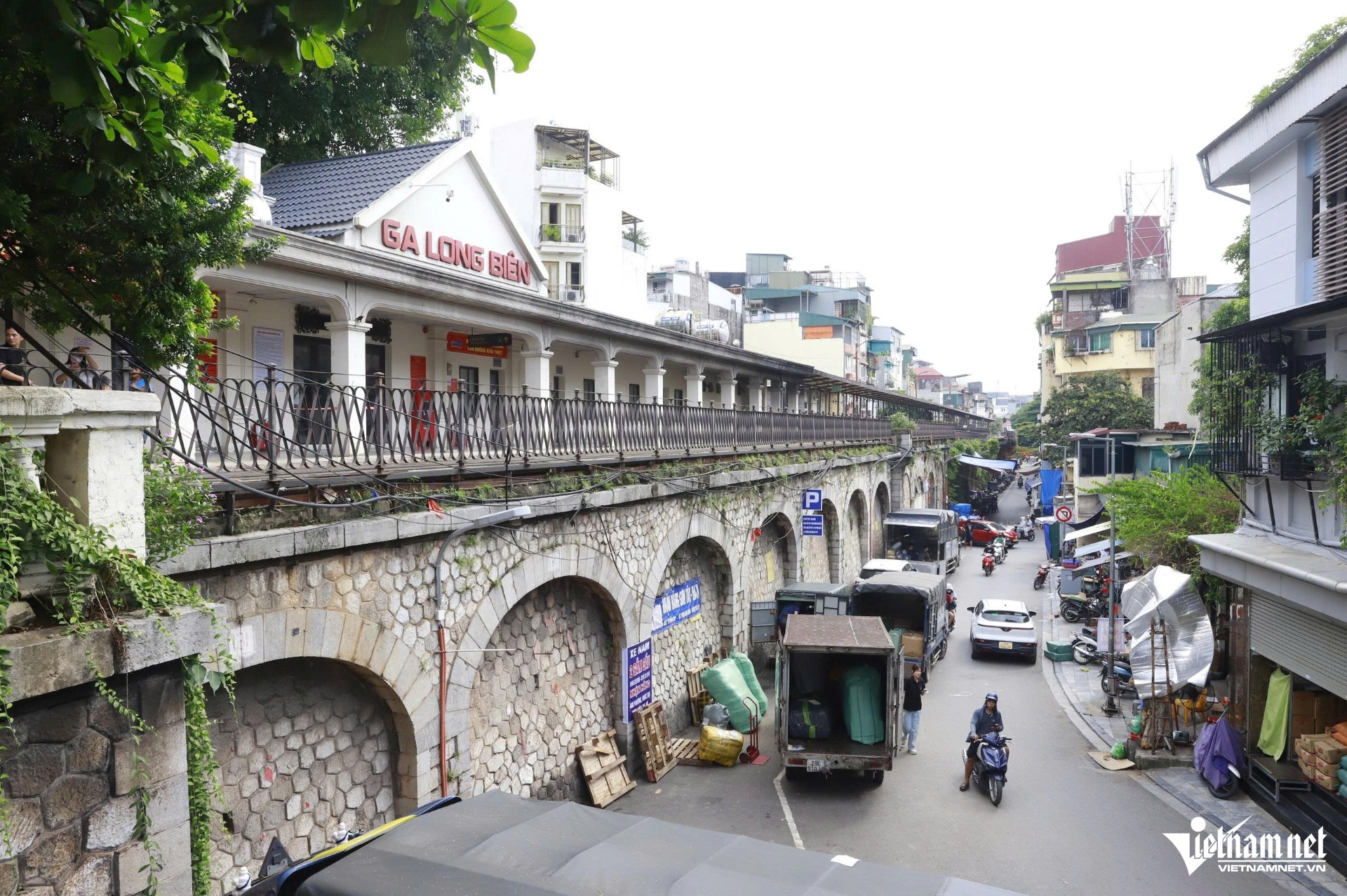
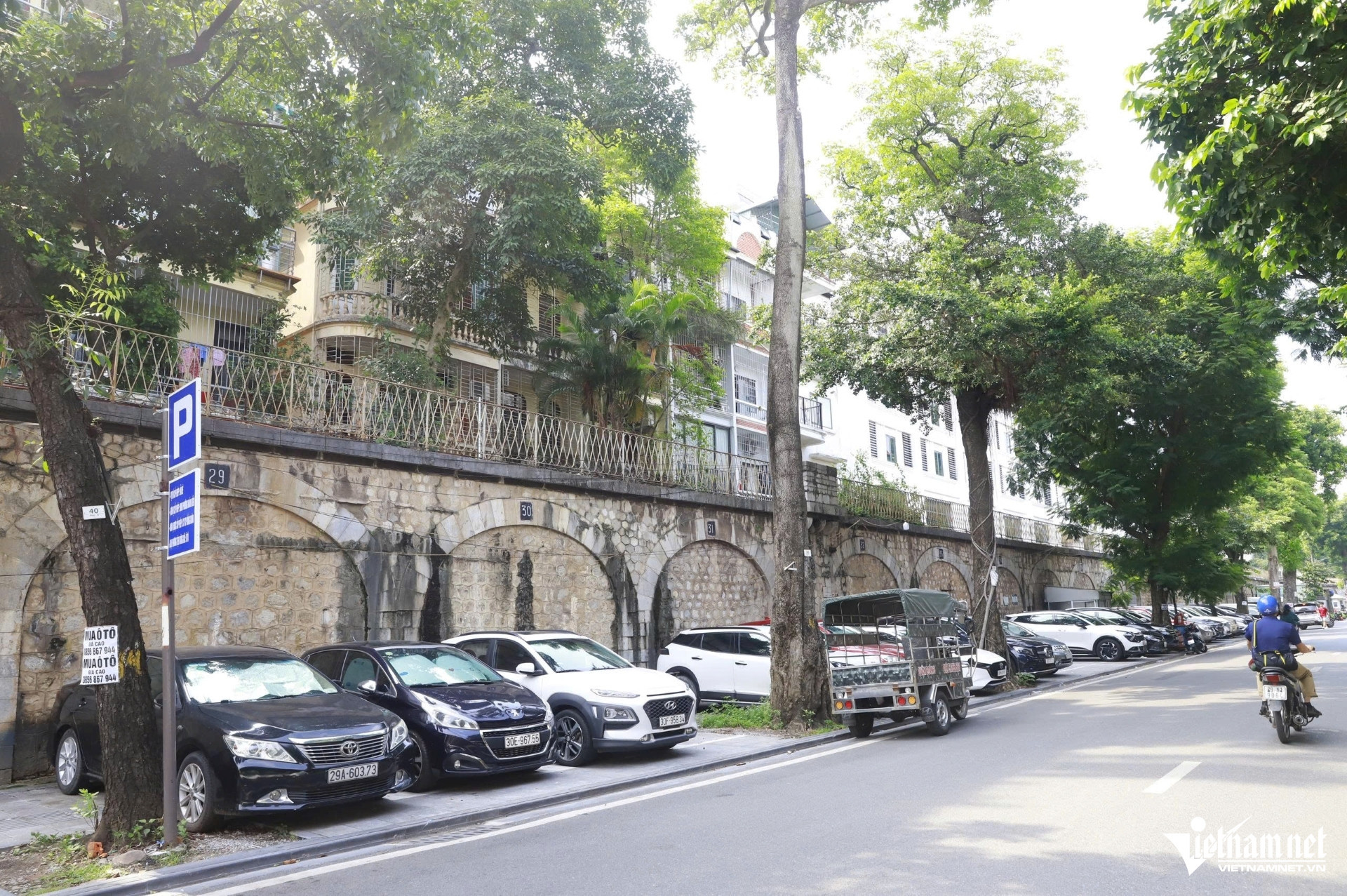
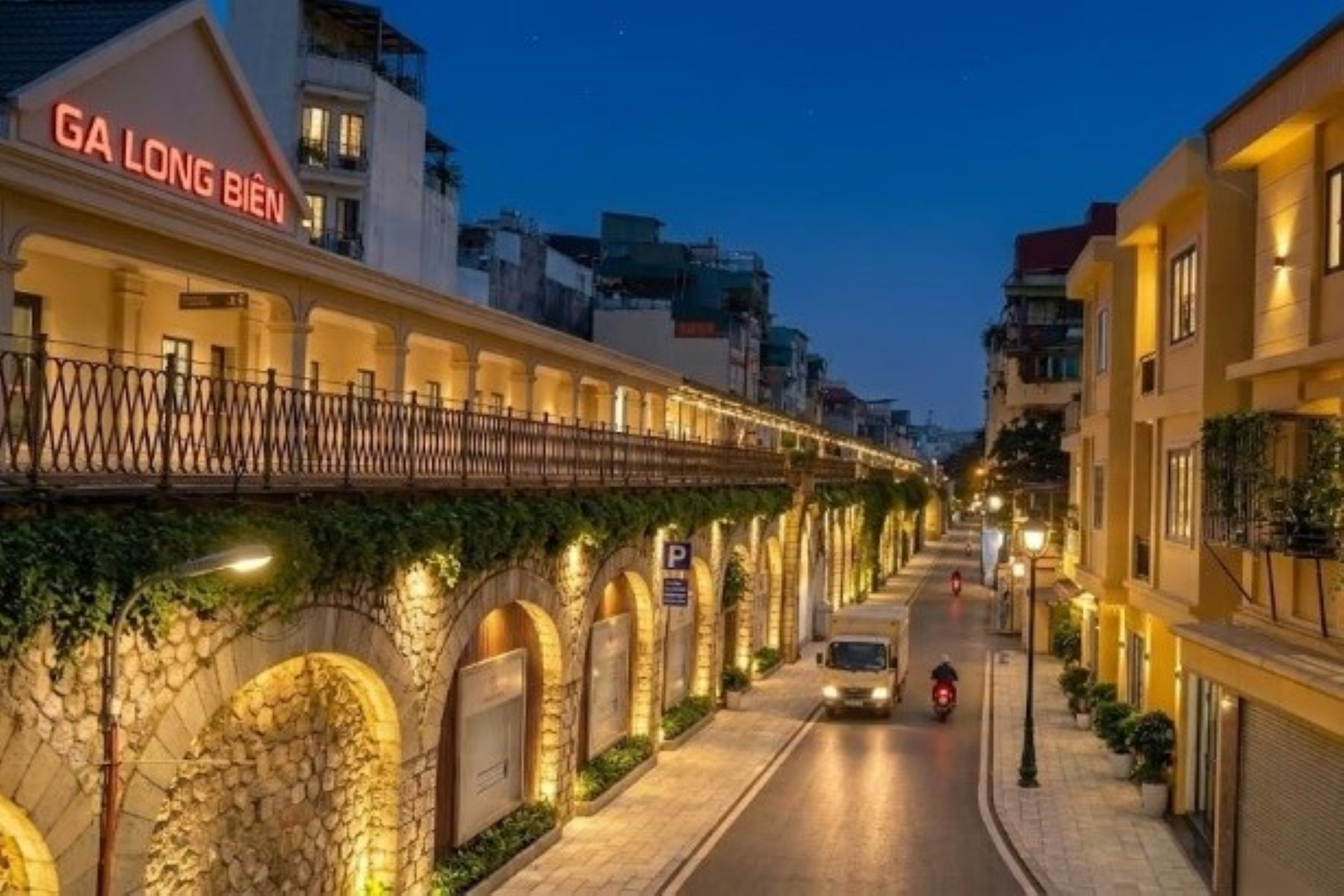
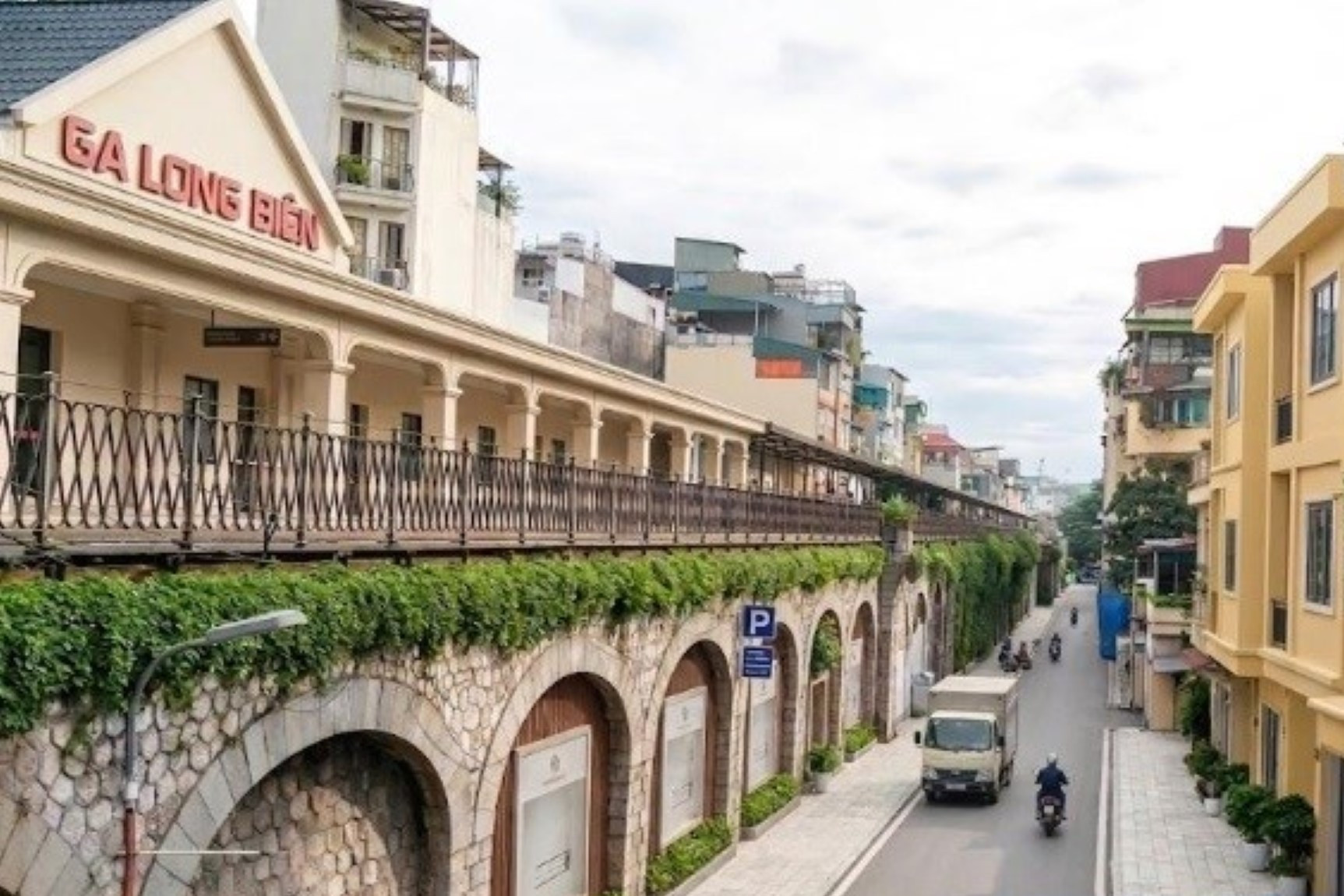
Its defining architectural feature is a system of 131 stone railway arches dating to the early 20th century. More than pieces of railway infrastructure, the arches have become a form of “living heritage”, creating a distinctive physical boundary between surrounding residential neighbourhoods.
phung hung3.jpg
After more than 100 years, however, most of the arches have undergone changes to their appearance and structure.
phung hung4.jpg
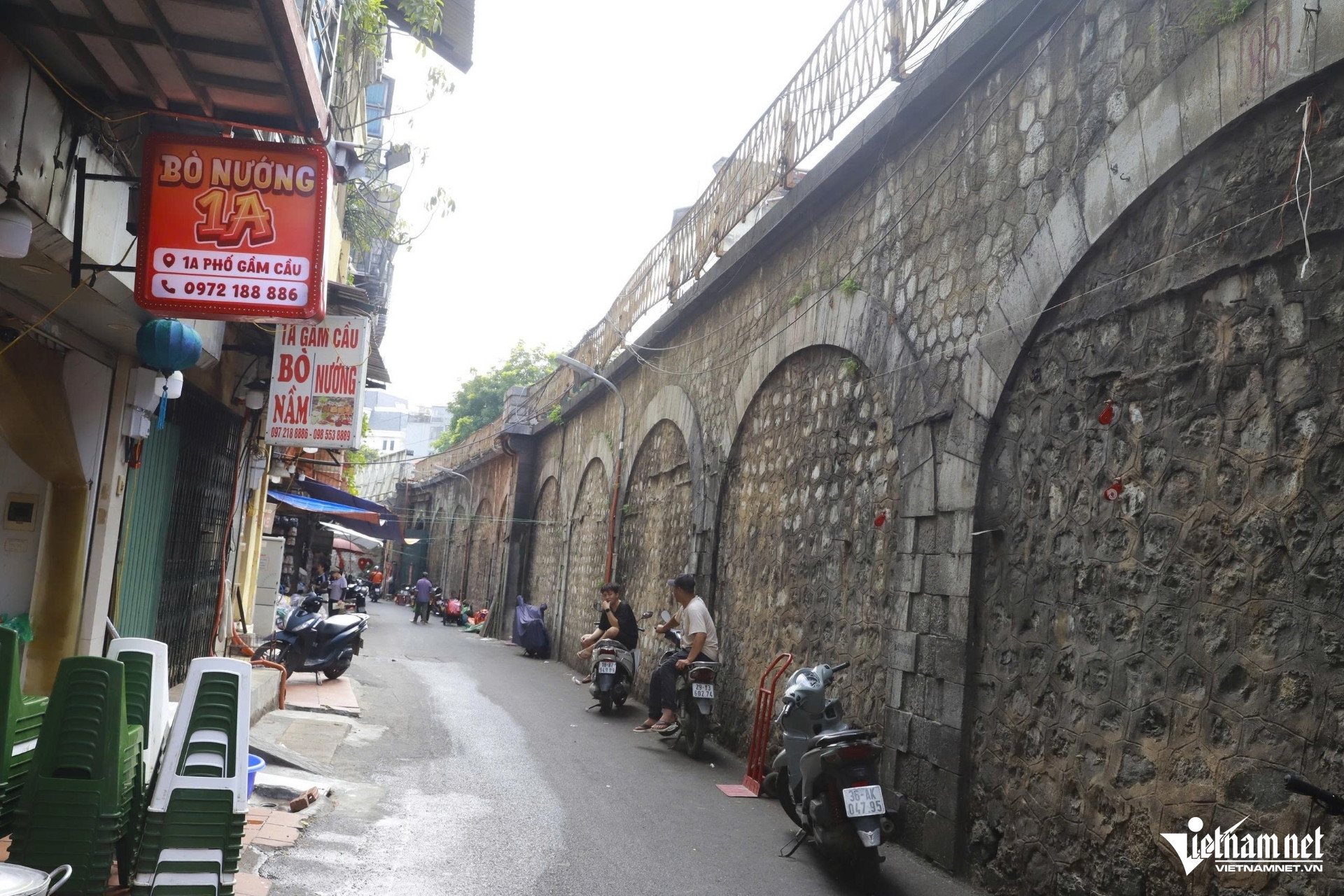
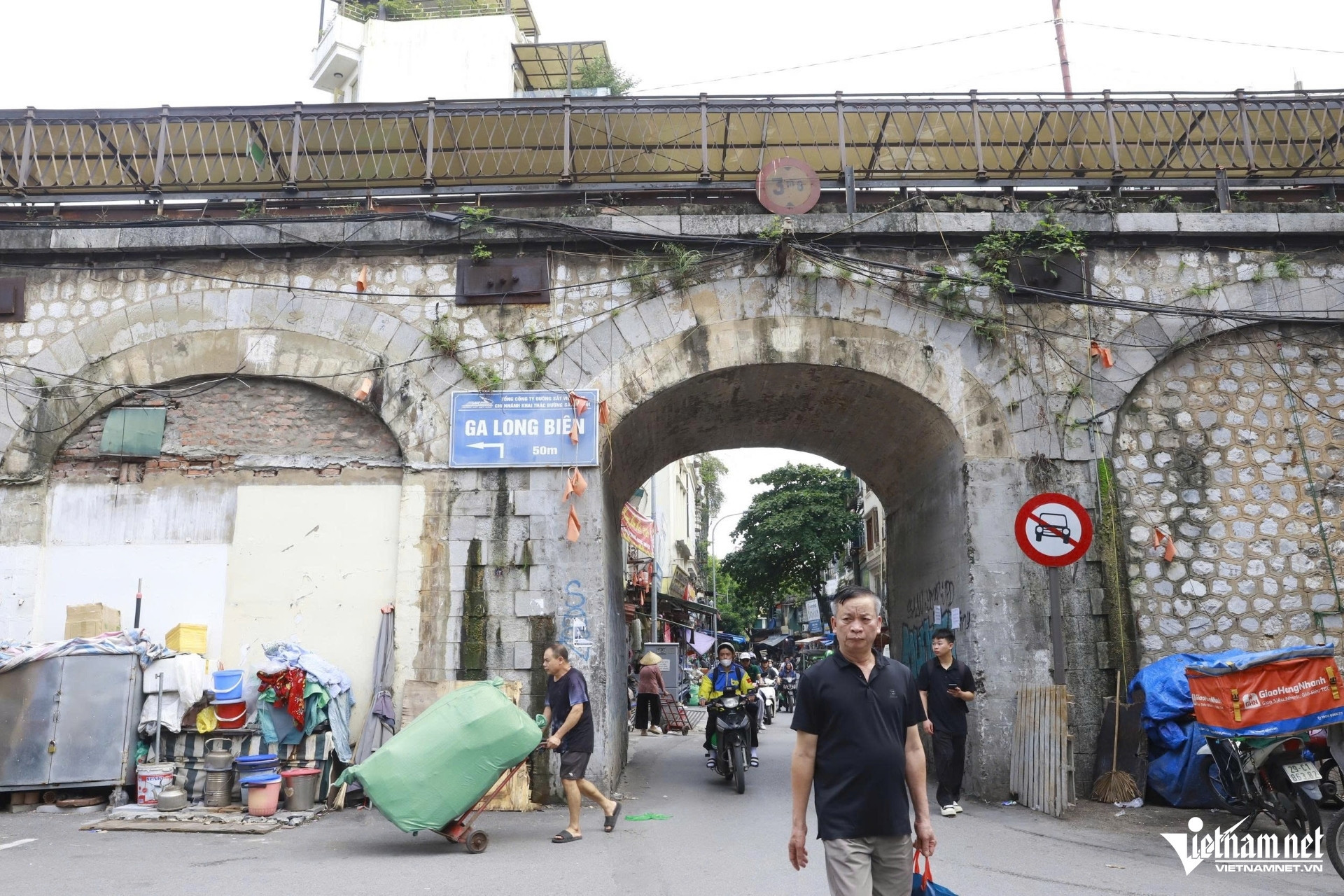
Only six are currently open for traffic. Another 97 have been sealed with two layers of brick walls, while 21 have been closed with four layers. Seven original arches beneath the Long Bien Station area were sealed from the outset.
phung hung5.jpg
Most of the arches were closed off in the 1980s to address environmental sanitation and public security concerns in the surrounding area.
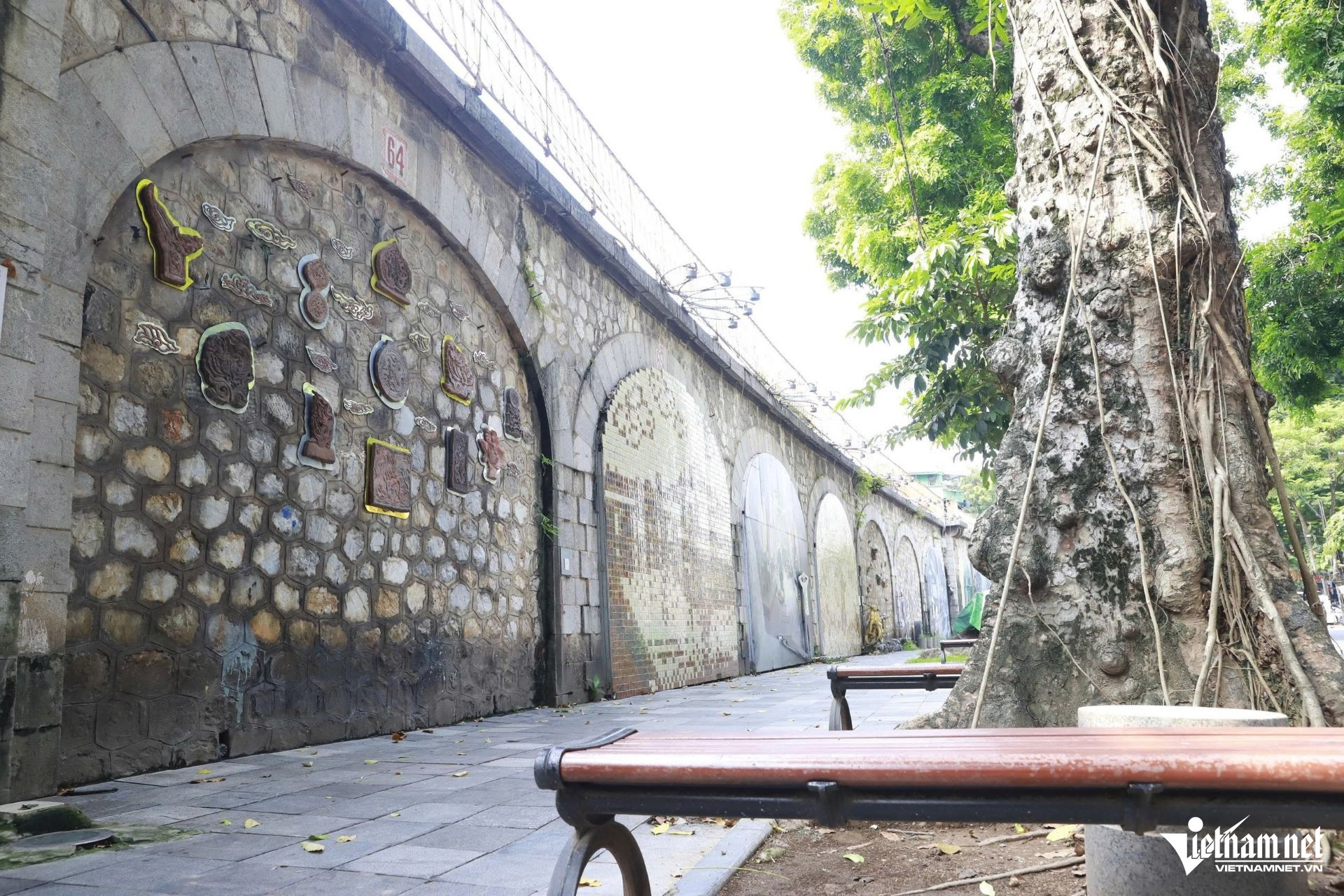
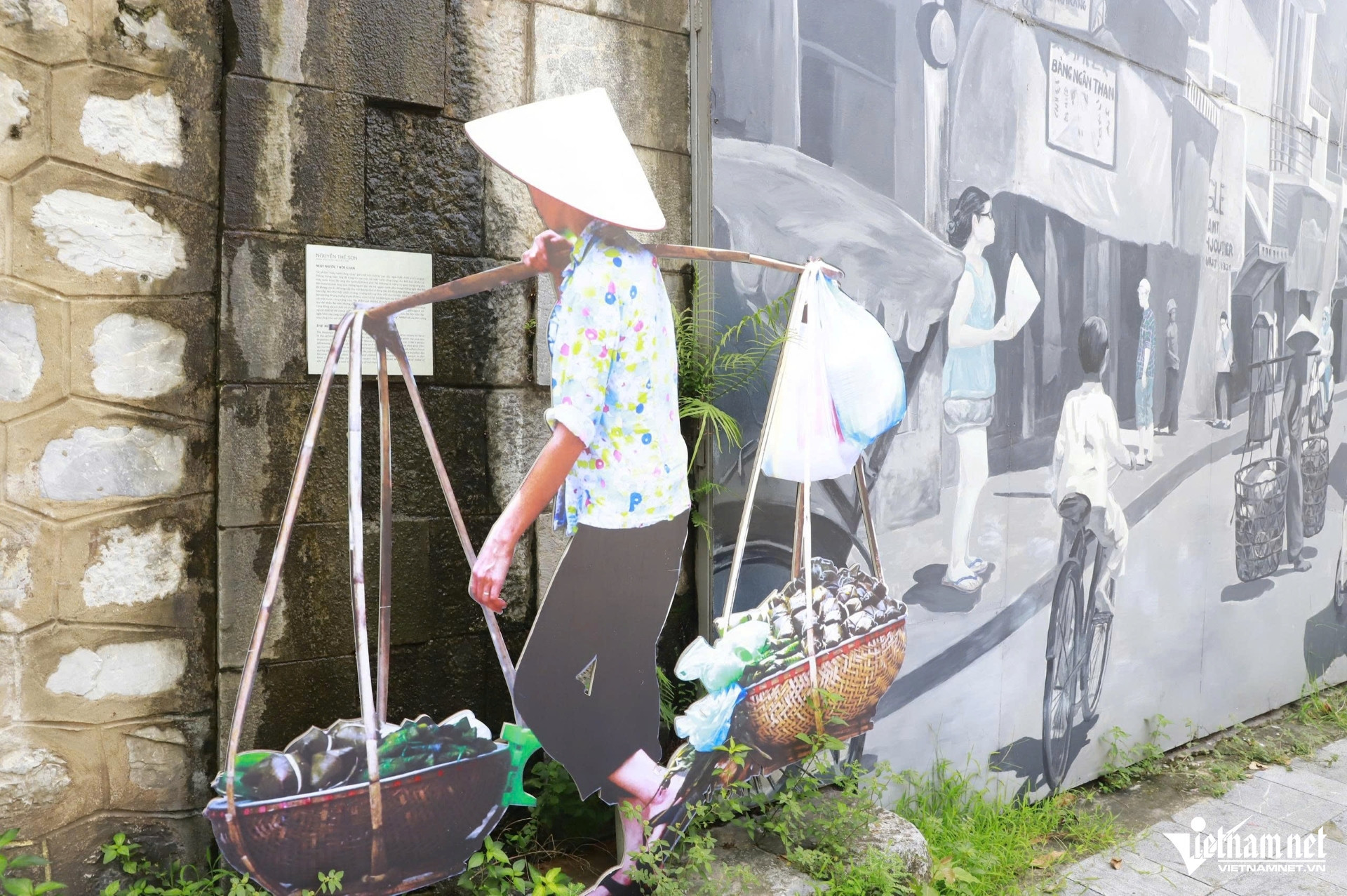
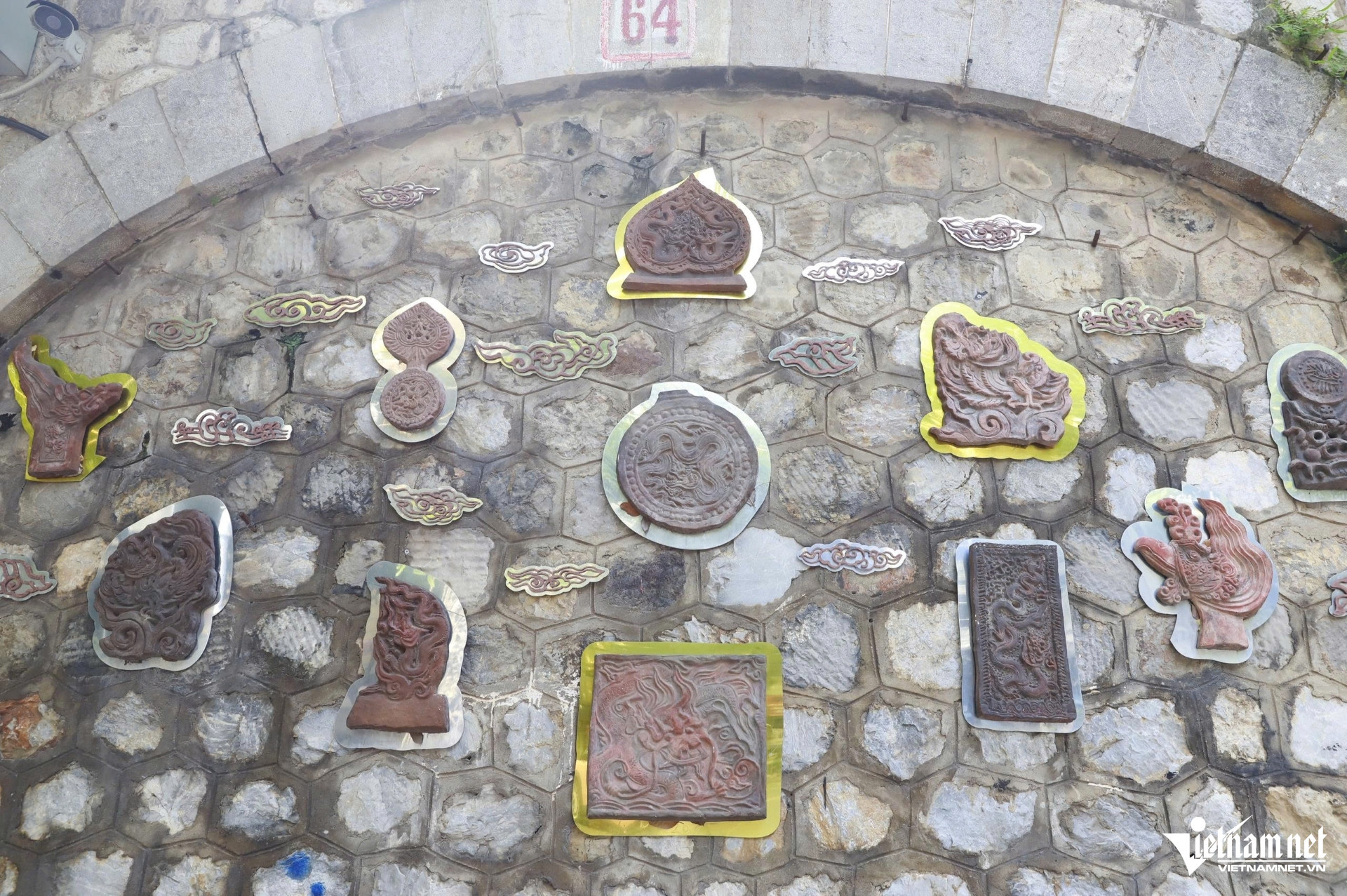
In 2018, Hanoi introduced murals across 17 arches between the Le Van Linh Street intersection and Hang Cot Street. Depicting scenes of life in old Hanoi, the artworks transformed part of the railway structure into a cultural space that has since attracted both residents and visitors.
phung hung6.jpg
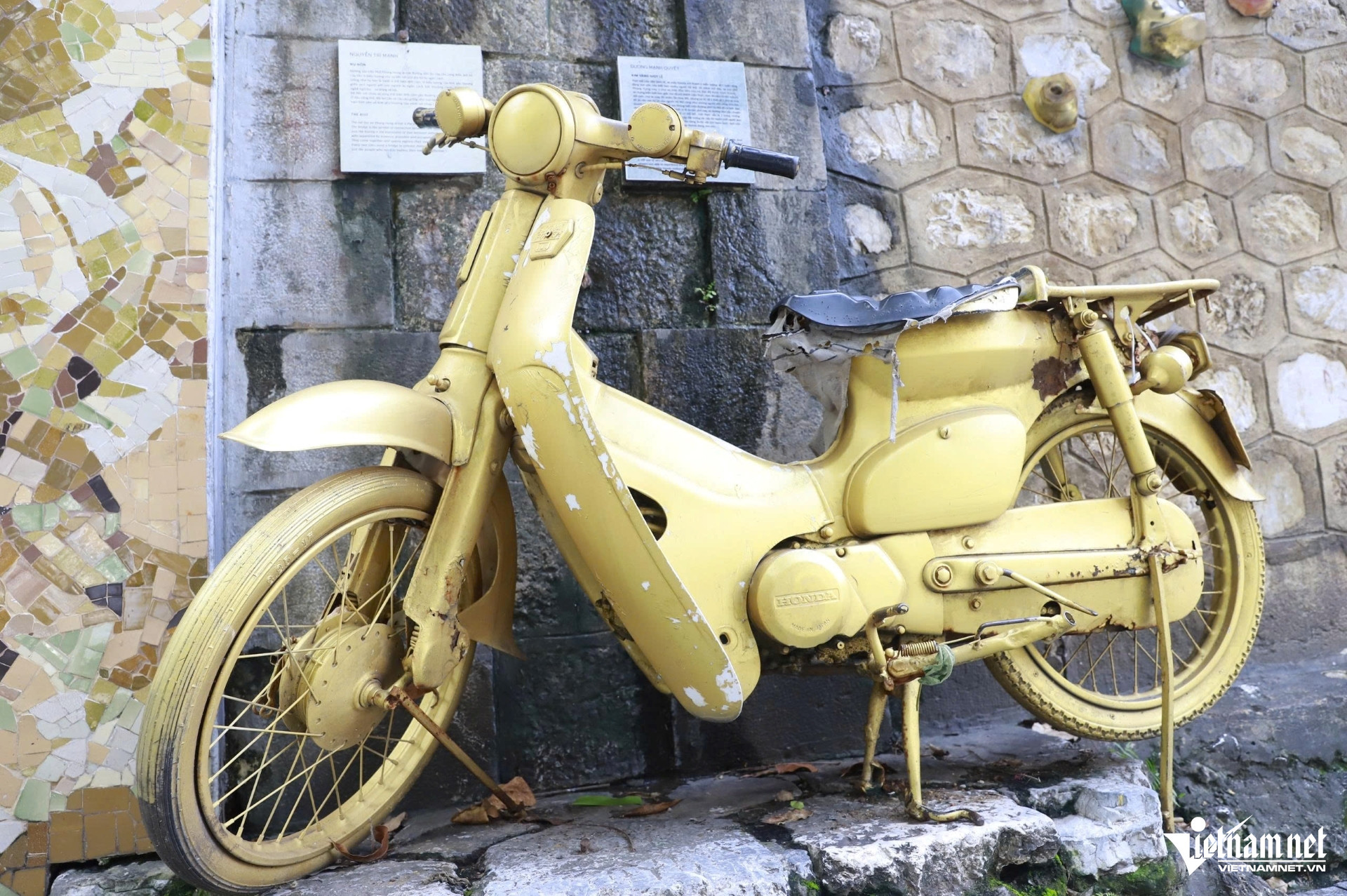
Among the works is “Kim vang giot le”, displayed on a corner of Phung Hung Street and recalling Hanoi’s first motorcycle market, which once took shape along the street.
phung hung7.jpg
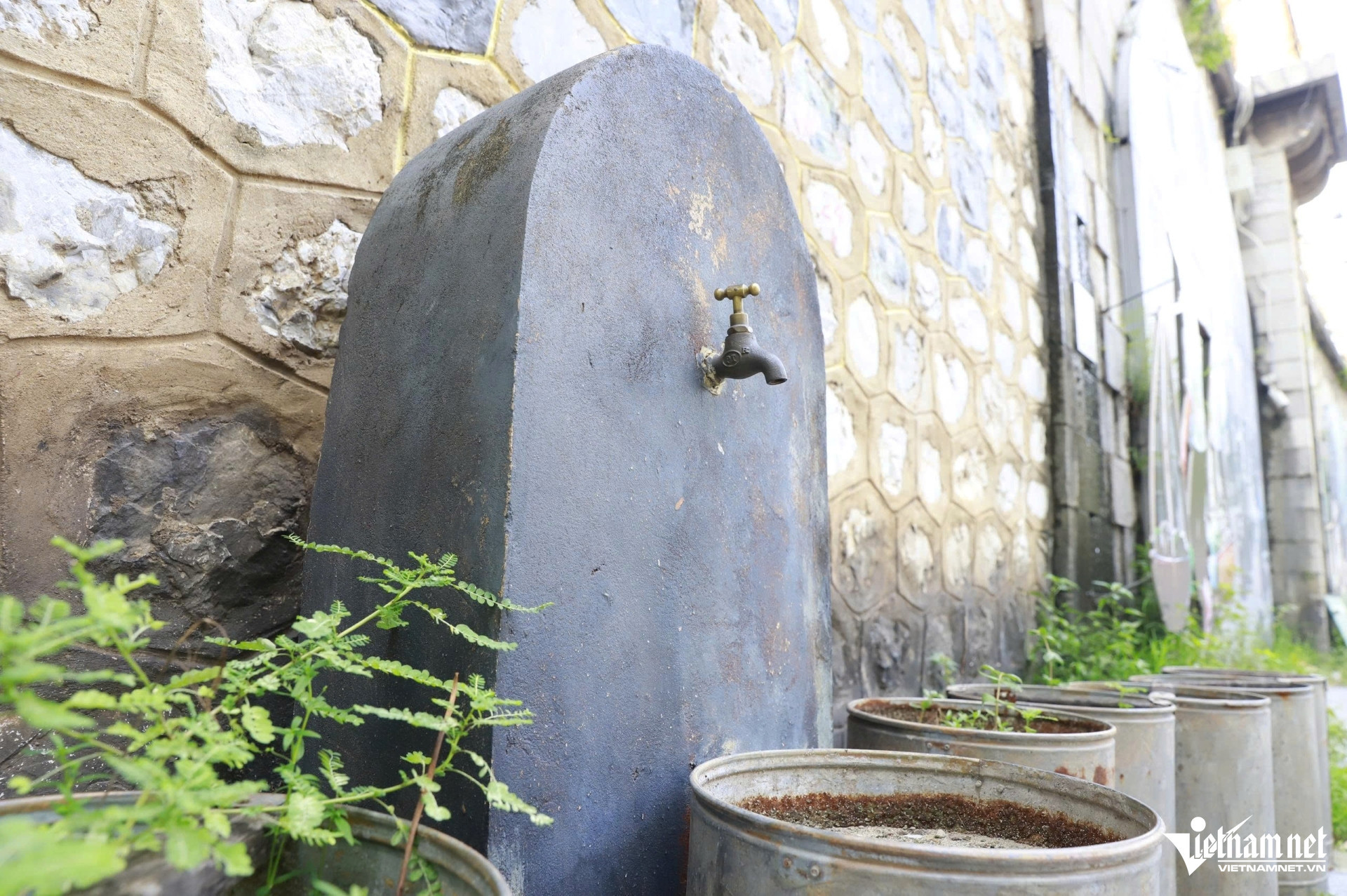
Another installation, “May nuoc thoi gian”, recreates the public water taps that were once a familiar part of everyday life for Hanoi residents during the subsidy era.
phung hung8.jpg
Today, the pavements in front of some of the old stone arches are also used for parking.
phung hung9.jpg
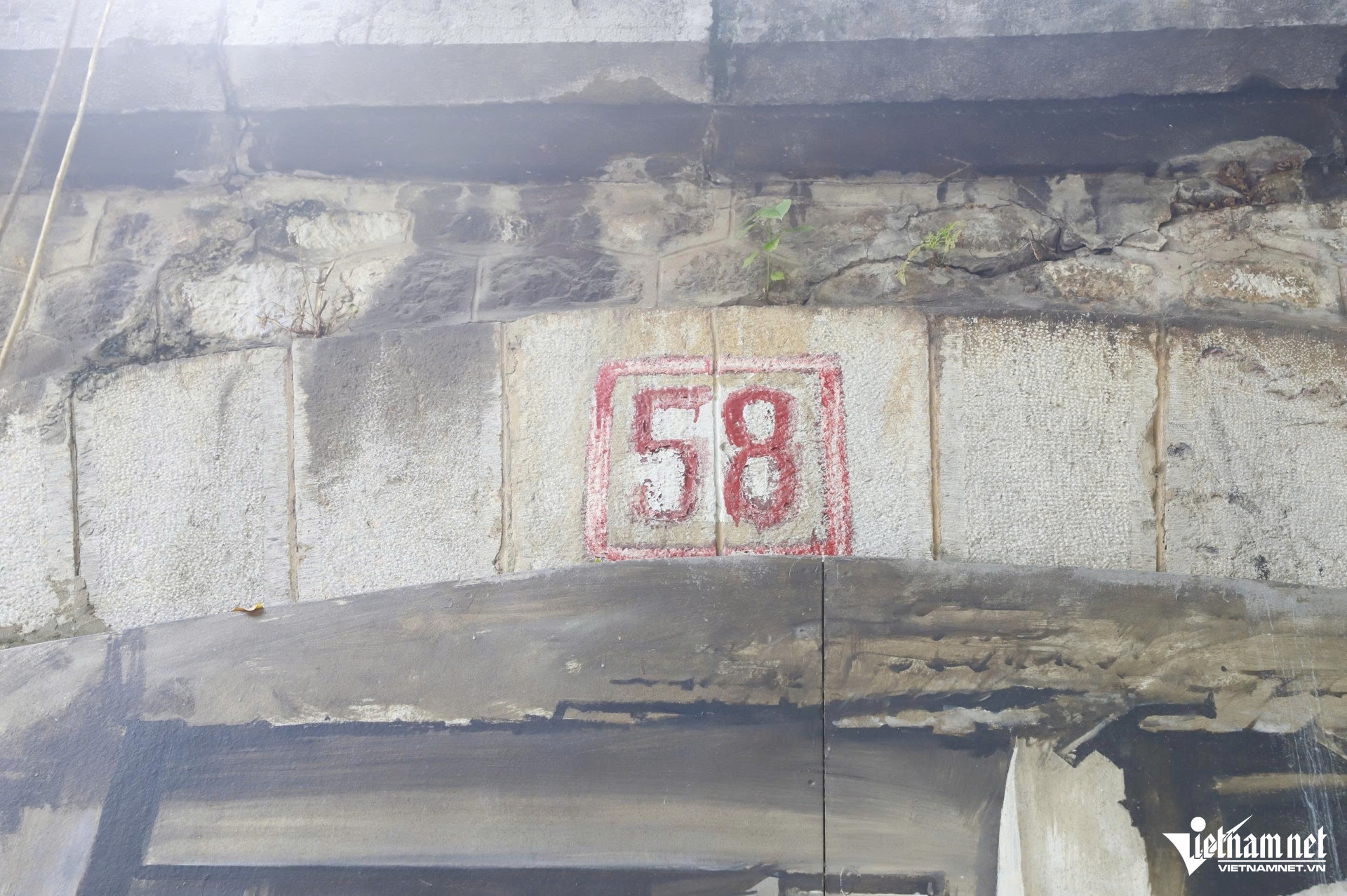
The 131 arches, numbered from one to 131, range in height from 2.6 metres to 5.6 metres.
phung hung10.jpg
The proposed redevelopment is expected to create a continuous heritage experience and a new cultural and tourism attraction linking the heart of Hanoi’s Old Quarter with the capital’s historic railway corridor.
phung hung11.jpg
Under the proposal, the 131 arches would be developed according to different themes and functions.

The section between Cua Dong and Le Van Linh is envisioned as a space for traditional handicrafts, while the stretch from Le Van Linh to Hang Cot would be dedicated to community culture and arts.

The Hang Cot-Hang Giay section would become a food and dining area, while the stretch between Gam Cau and Nguyen Thiep would be developed as a bazaar.

From Nguyen Thiep to Long Bien Station, the plan envisages a public park combined with the preservation of Long Bien Station.

For buildings and structures with particular architectural value, the proposal establishes the principle of restoring as much of the original architecture as possible.

Colours, finishing materials, awnings, signage and street furniture throughout the area would also be studied and coordinated to create a more consistent overall streetscape.

Kieu Oanh