 Vietnamnet.vn

 Podcast



Kim Co Pagoda, originally a Taoist temple within the historic "Four Temples of Thang Long," has transformed over time into a unique place of worship honoring three spiritual traditions - Buddhism, Taoism, and Mother Goddess worship. Today, it also serves as a compassionate hub for community service and charity.
From Taoist temple to multi-faith sanctuary
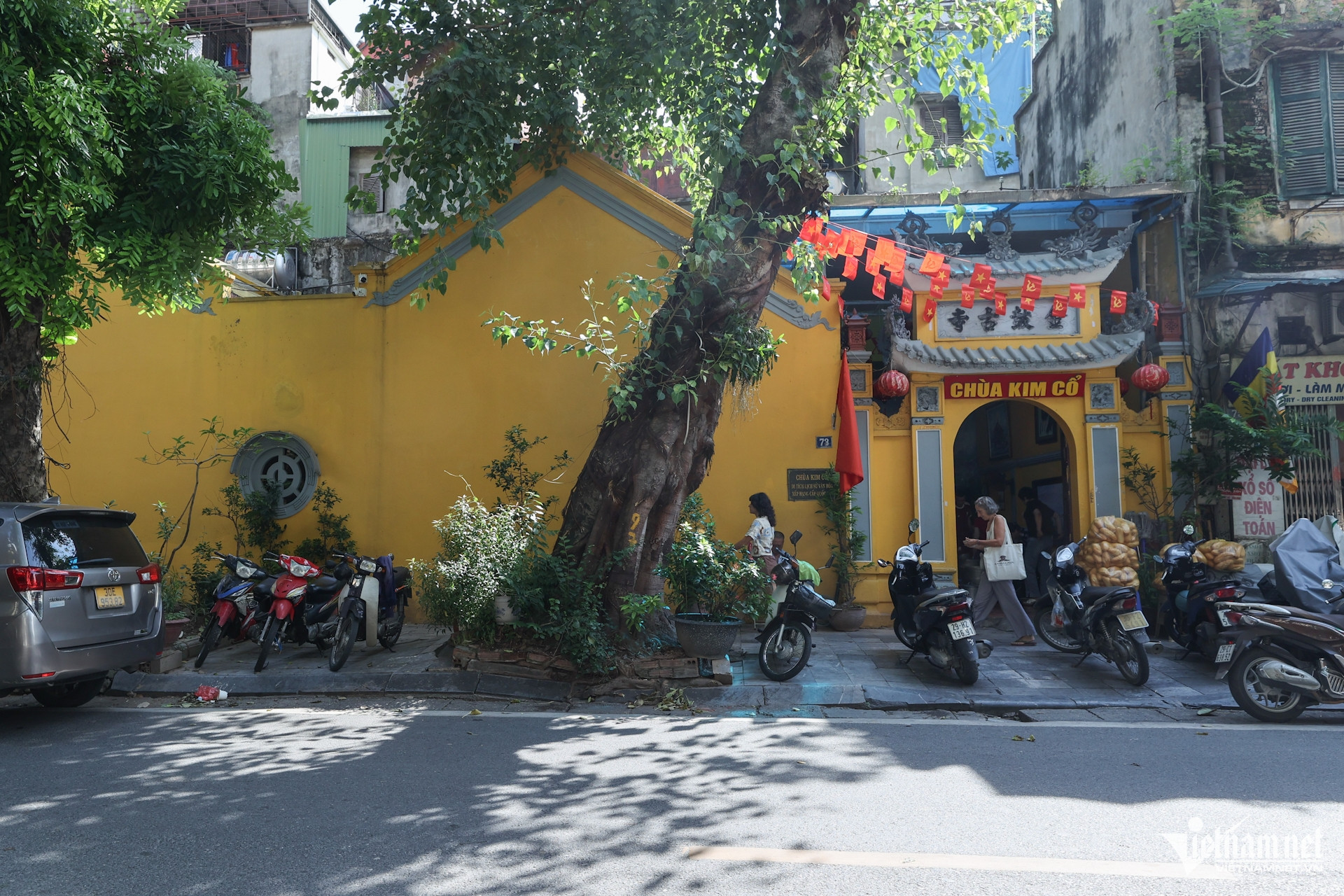
Although Kim Co Pagoda, located at 73 Duong Thanh Street, Hanoi, is nearly 1,000 years old and a recognized national historical site, it remains relatively unknown even to many locals.
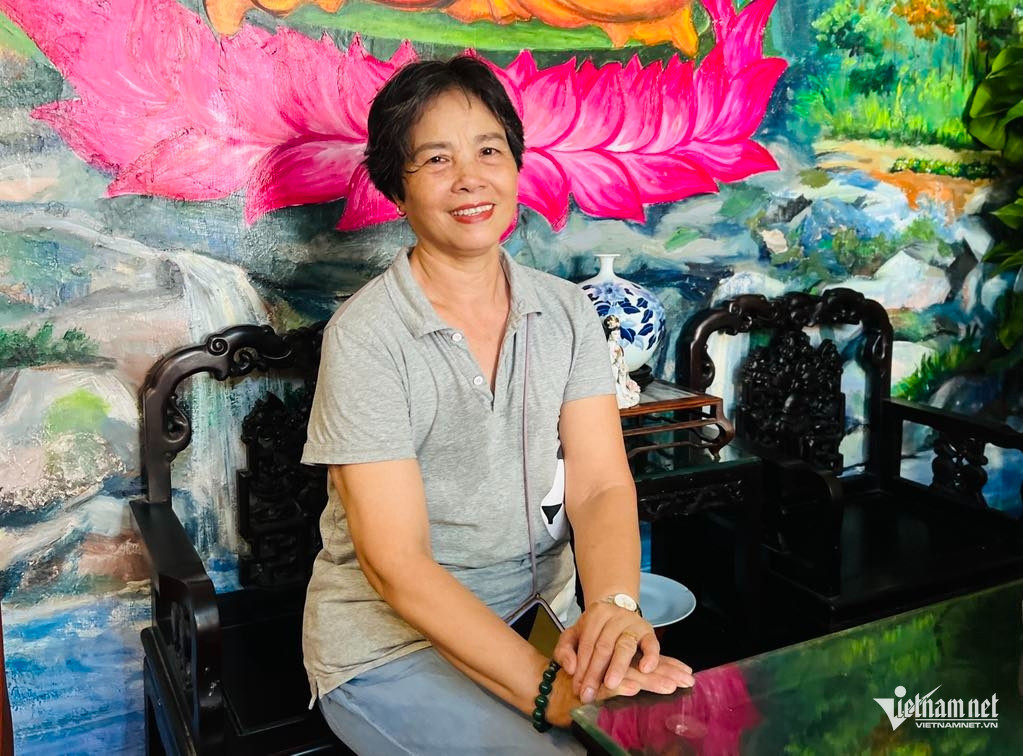
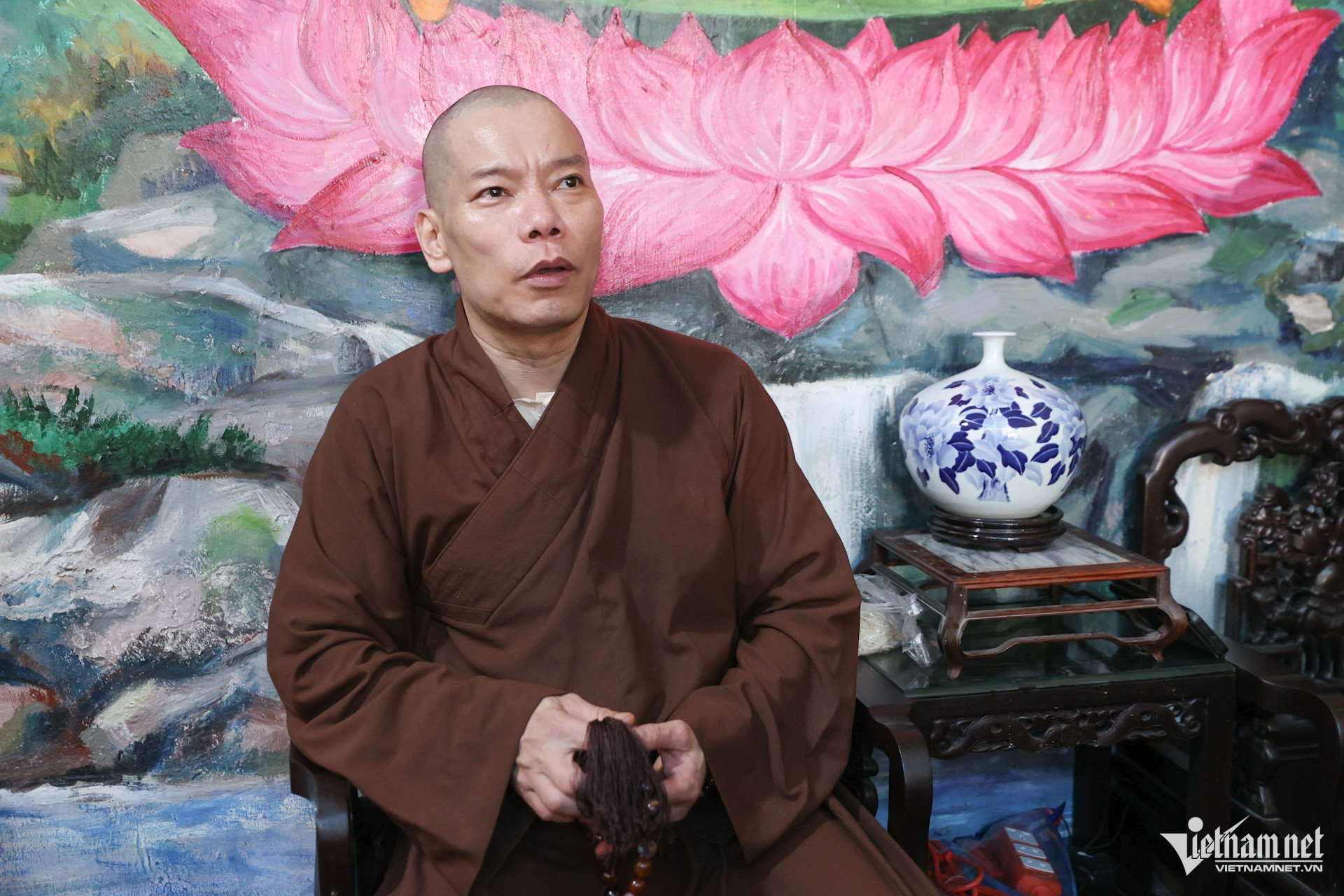
According to Venerable Thich Minh Son, the current abbot, the site once housed a palace built by King Ly Thanh Tong in the 11th century for his consort, Lady Y Lan - affectionately remembered by locals as “Lady Tam.” She established a Taoist temple there named Dong Thien, dedicated to the Three Pure Ones (Tam Thanh) of Taoism. Over time, cultural blending and religious transformation converted the temple into Kim Co Pagoda.
Historical records show that Dong Thien Temple was one of the “Four Temples of Thang Long,” alongside Tran Vu Temple (Quan Thanh), Huyen Thien Temple (now Huyen Thien Pagoda), and De Thich Temple (now King Pagoda). From the Later Le Dynasty onward, as Taoism declined, most temples gradually transitioned to Buddhist worship while still preserving elements of their original heritage.
“Today, except for Tran Vu Temple, which still retains its Taoist identity, the others, including Kim Co, have become Buddhist pagodas,” said Venerable Thich Minh Son.
The pagoda takes its name from the ancient Kim Co hamlet in the former Tien Tuc commune, Tho Xuong district, once part of the Thang Long citadel.
Its gate features a two-tiered, eight-roof design with curved eaves. The rooftop is decorated with lotus motifs and carvings of mythical creatures flanking the moon, symbolizing spiritual balance. Prominently displayed between the roofs are the words "Kim Co Dai Tu" (Great Temple of Kim Co).
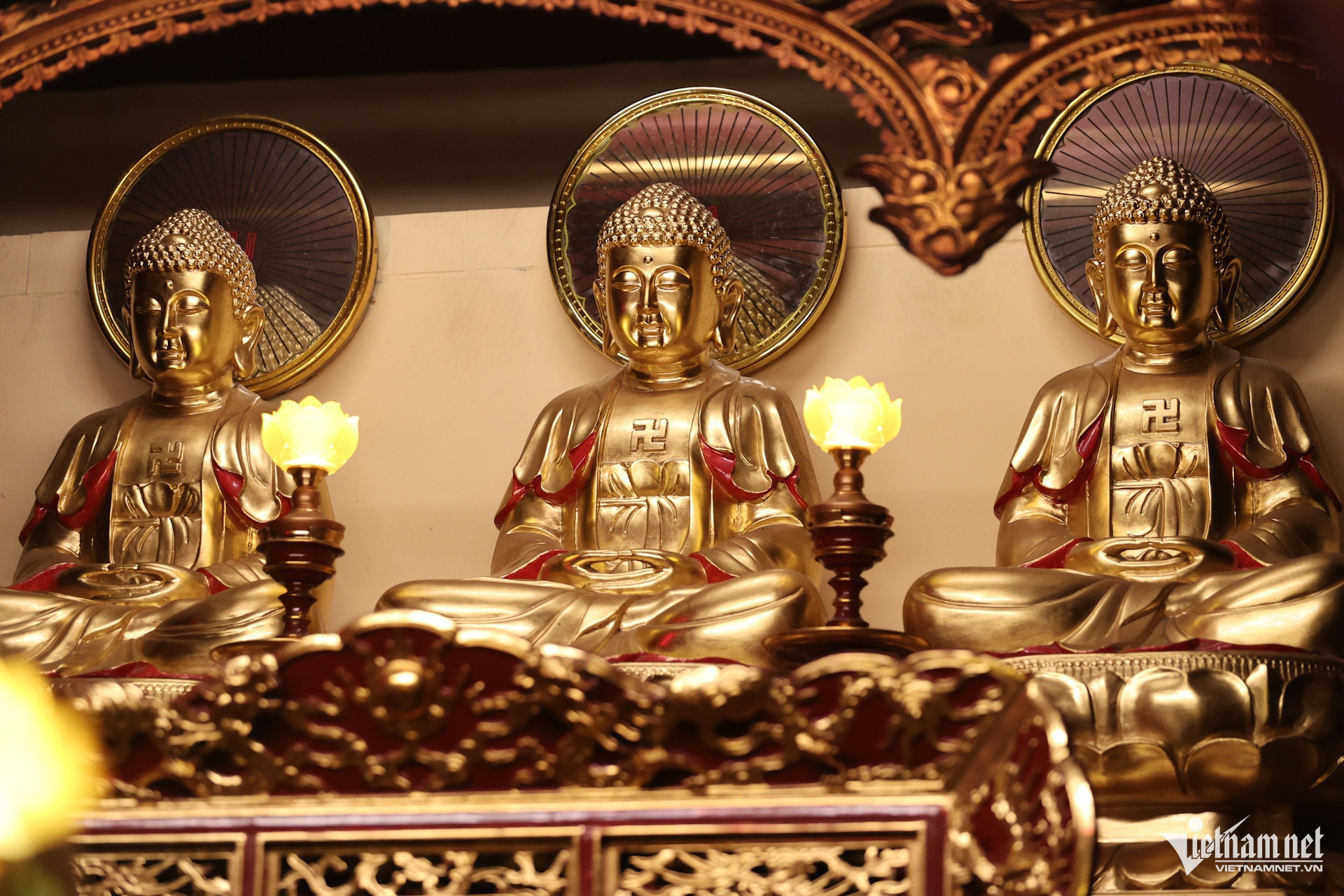
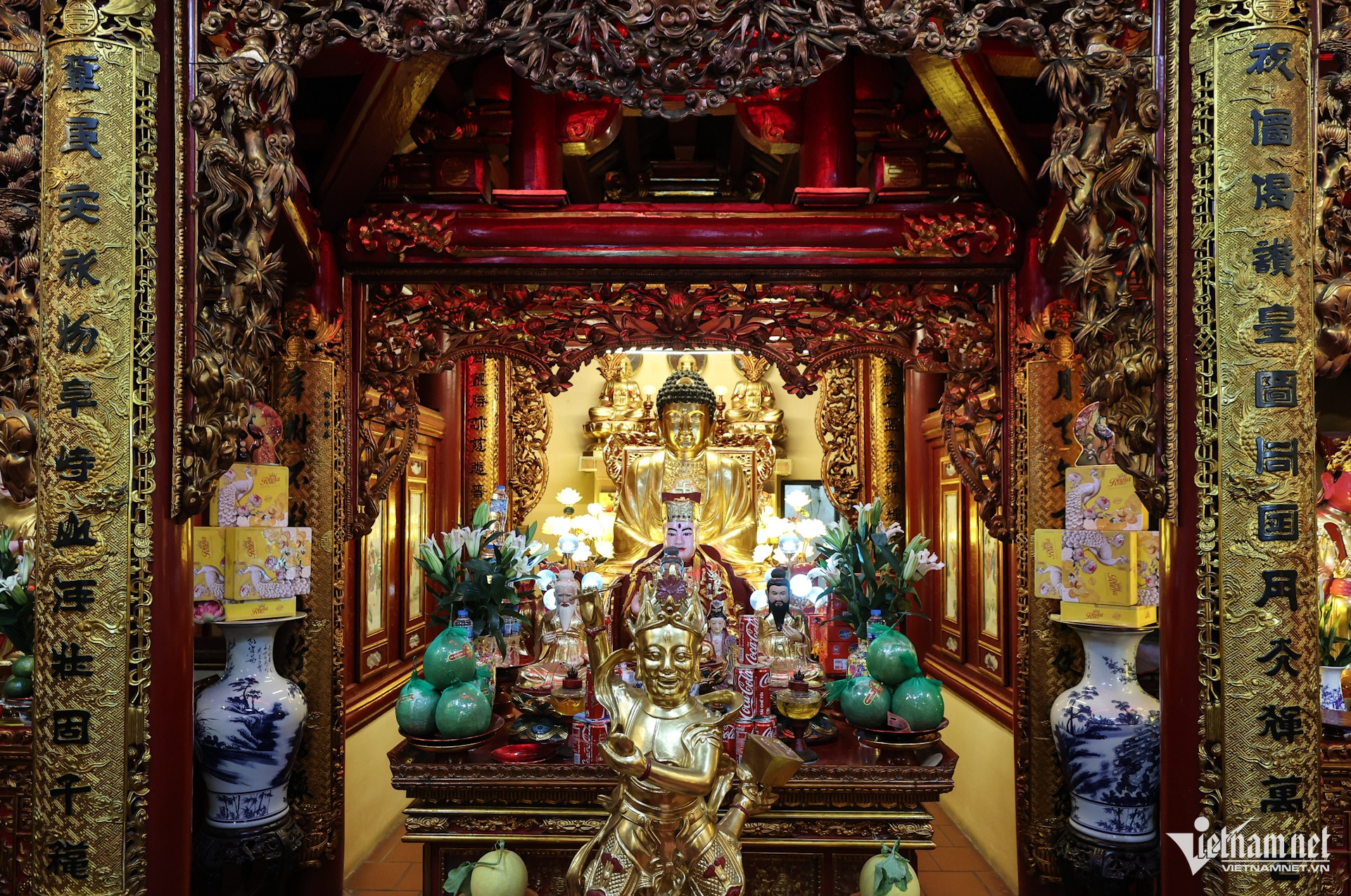
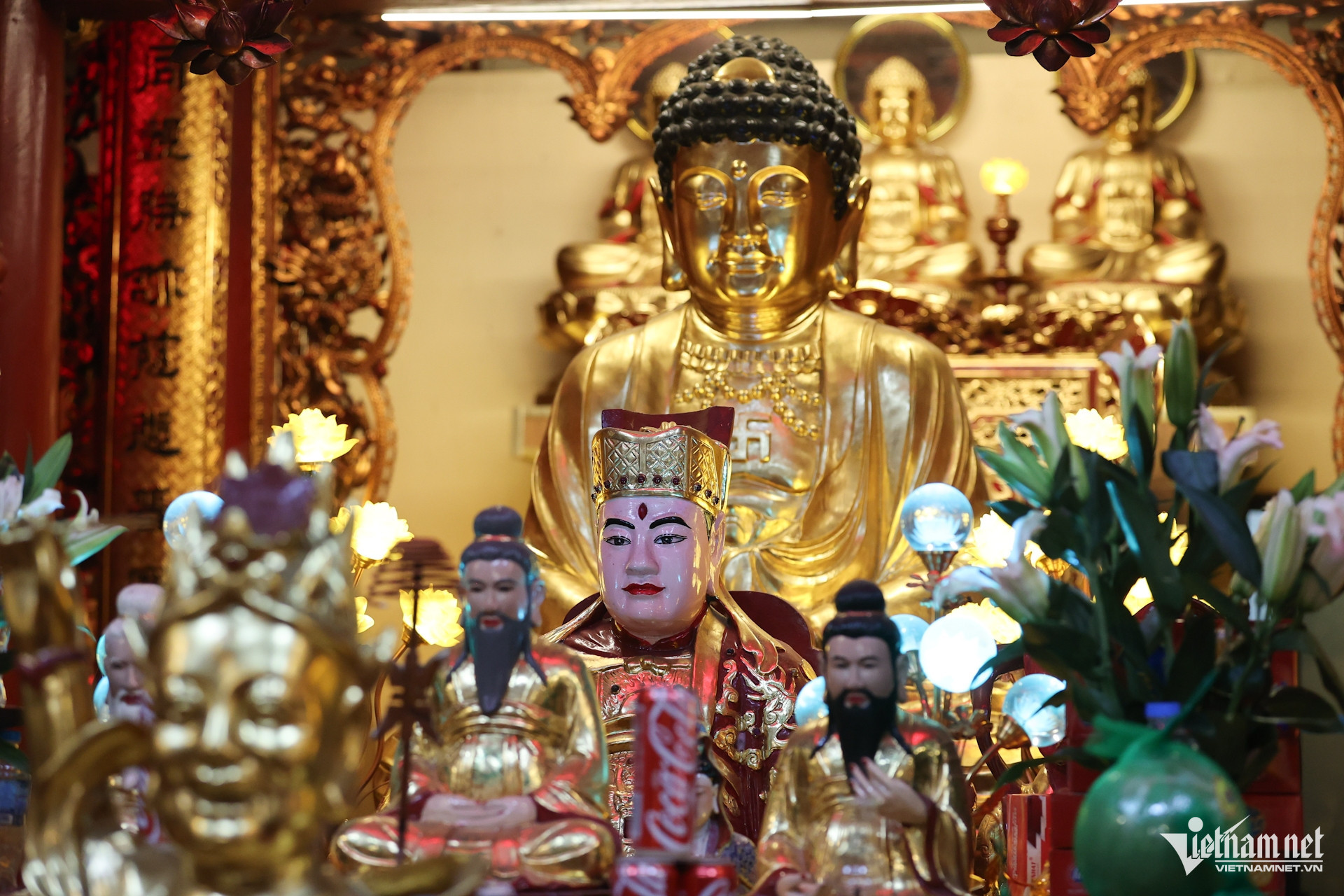
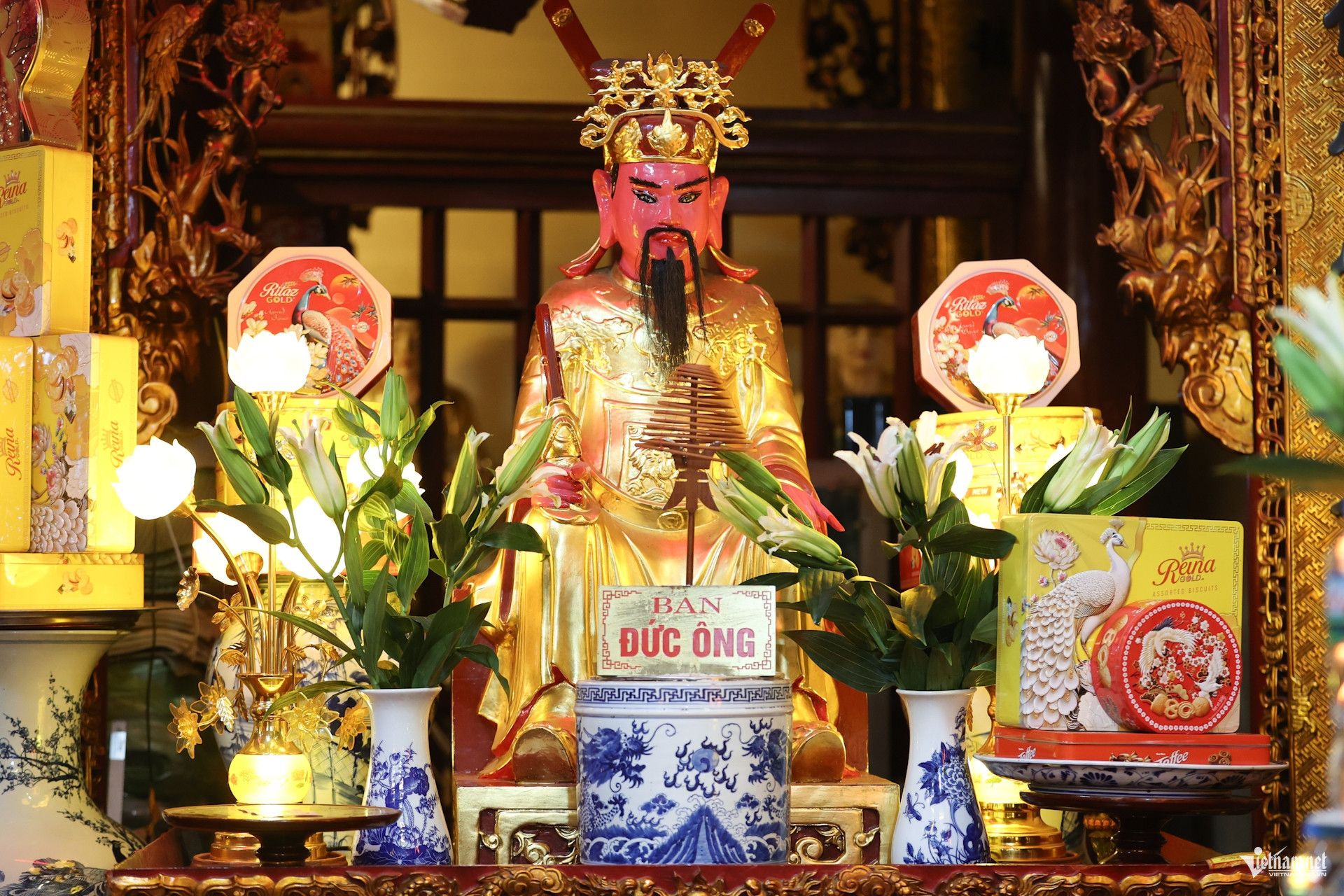
Despite enduring centuries of upheaval, the pagoda retains no original statues. The current small statues of the Three Pure Ones were newly installed by the temple and local devotees. “Only the land itself remains as a historic relic,” Venerable Son shared.
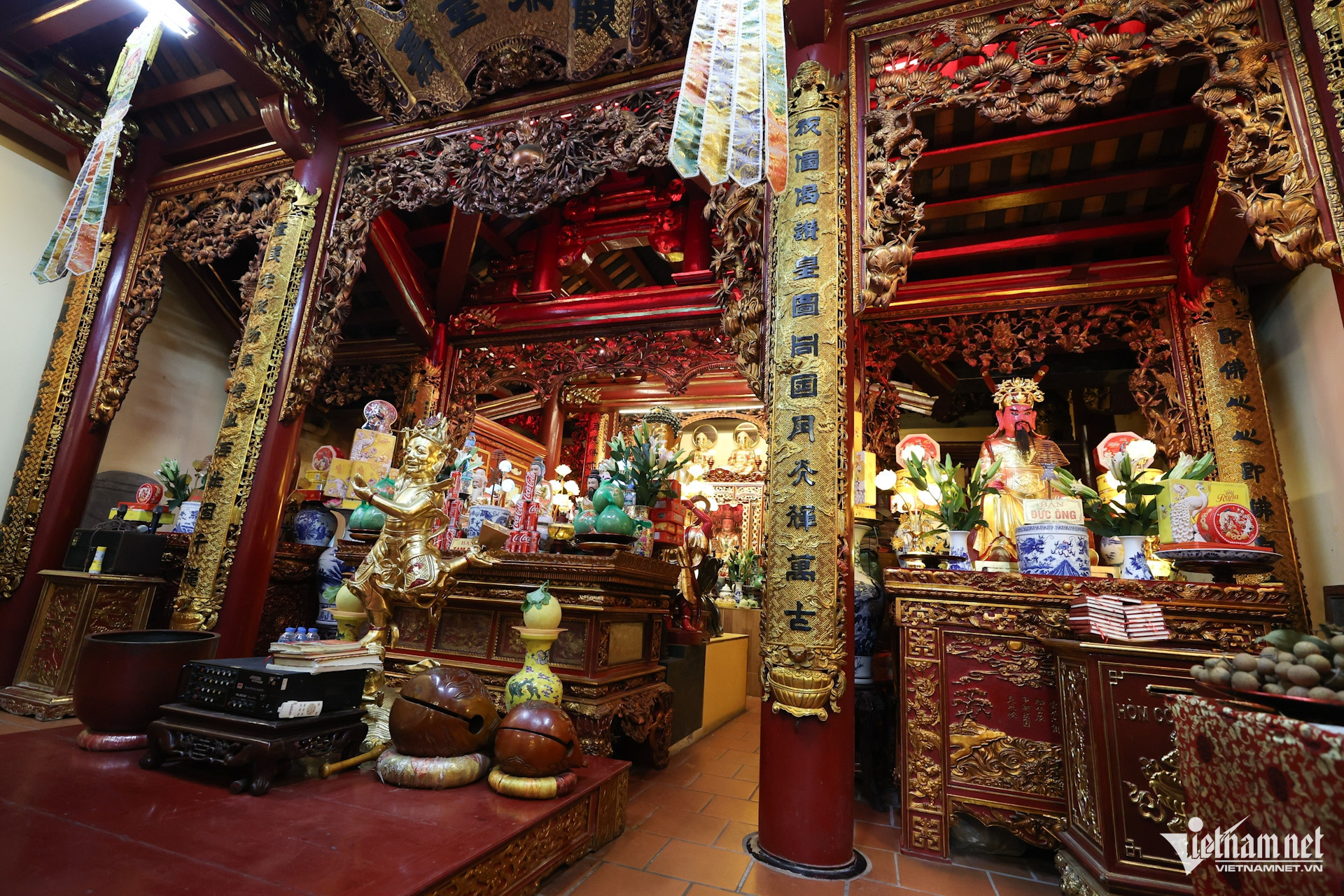
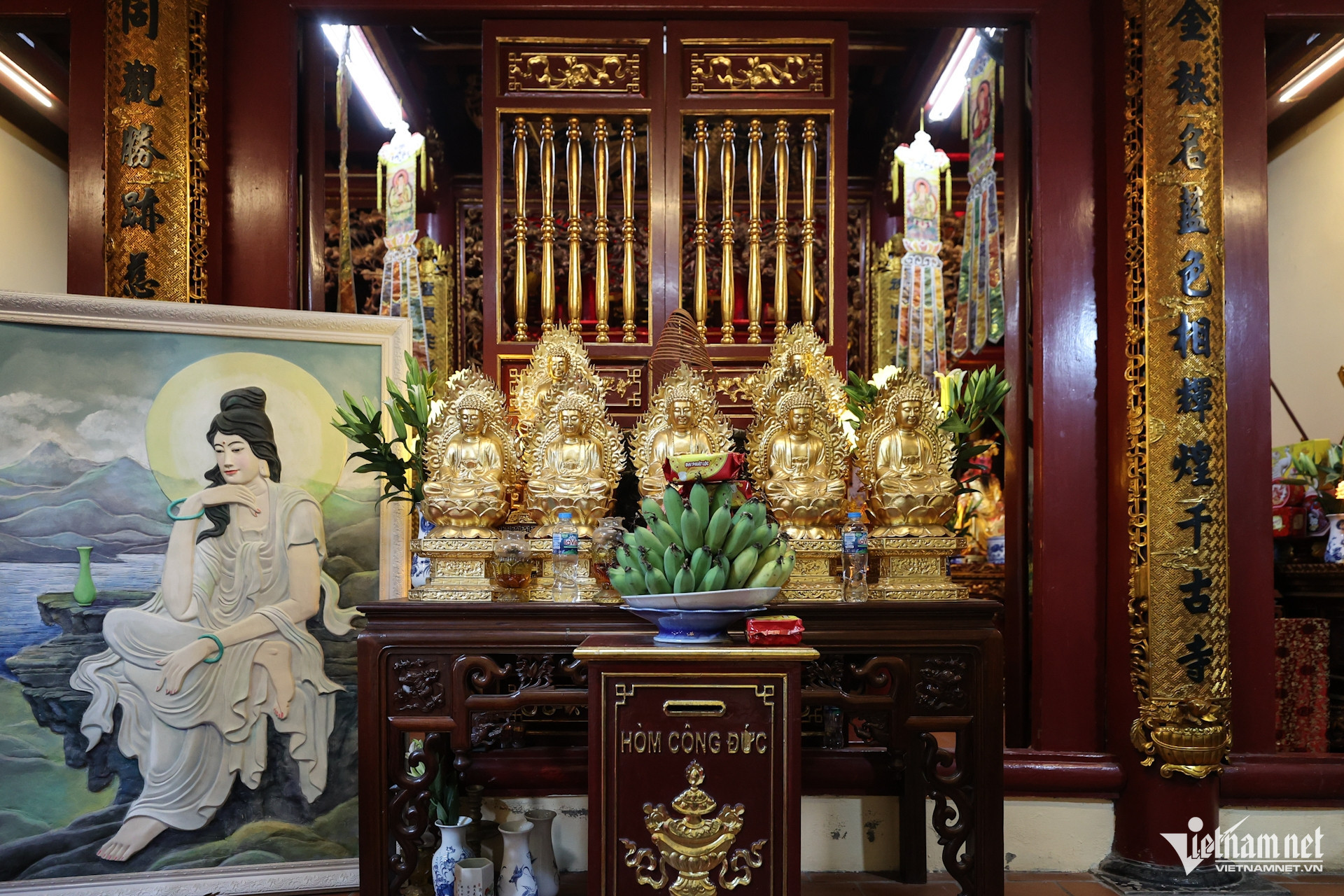
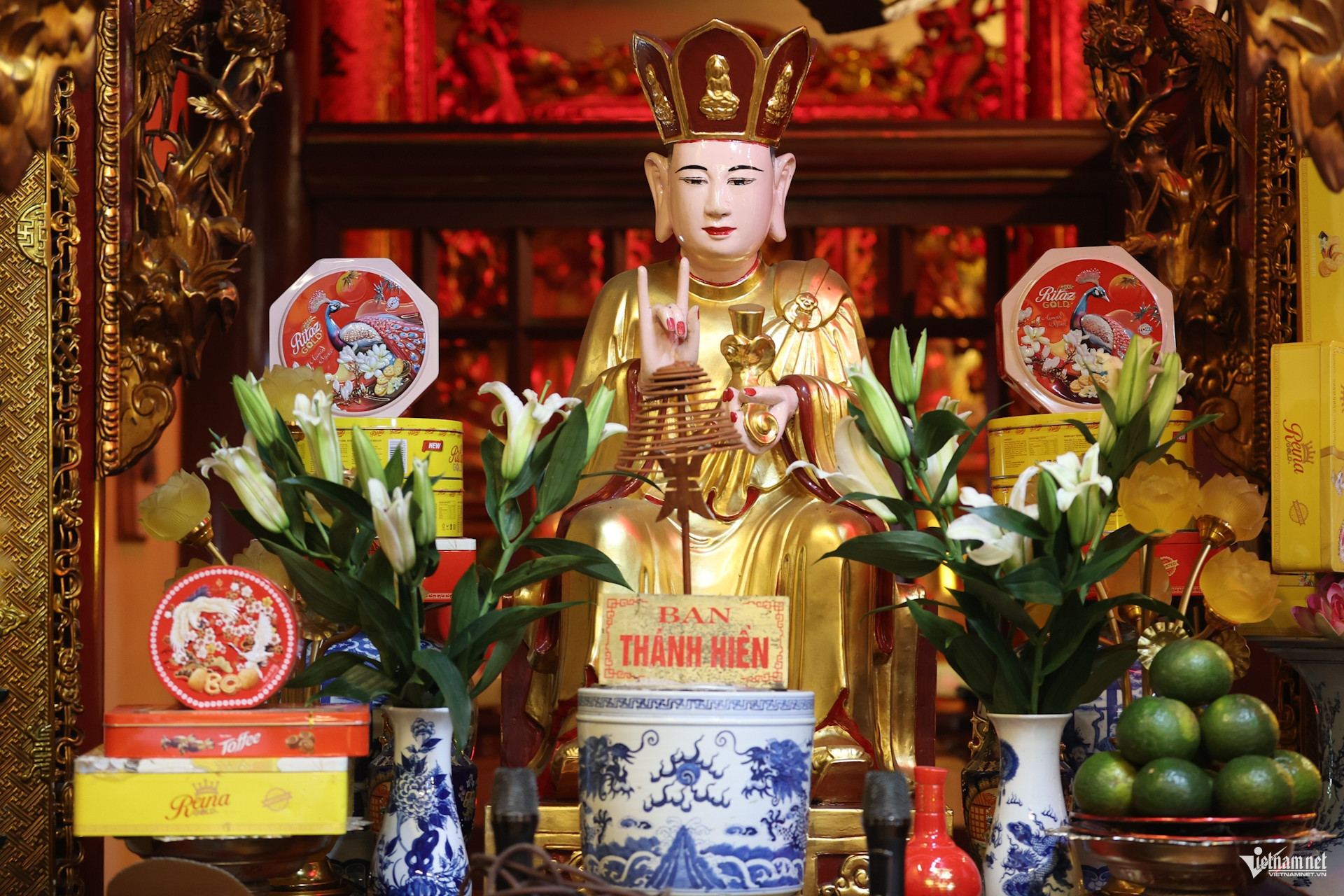
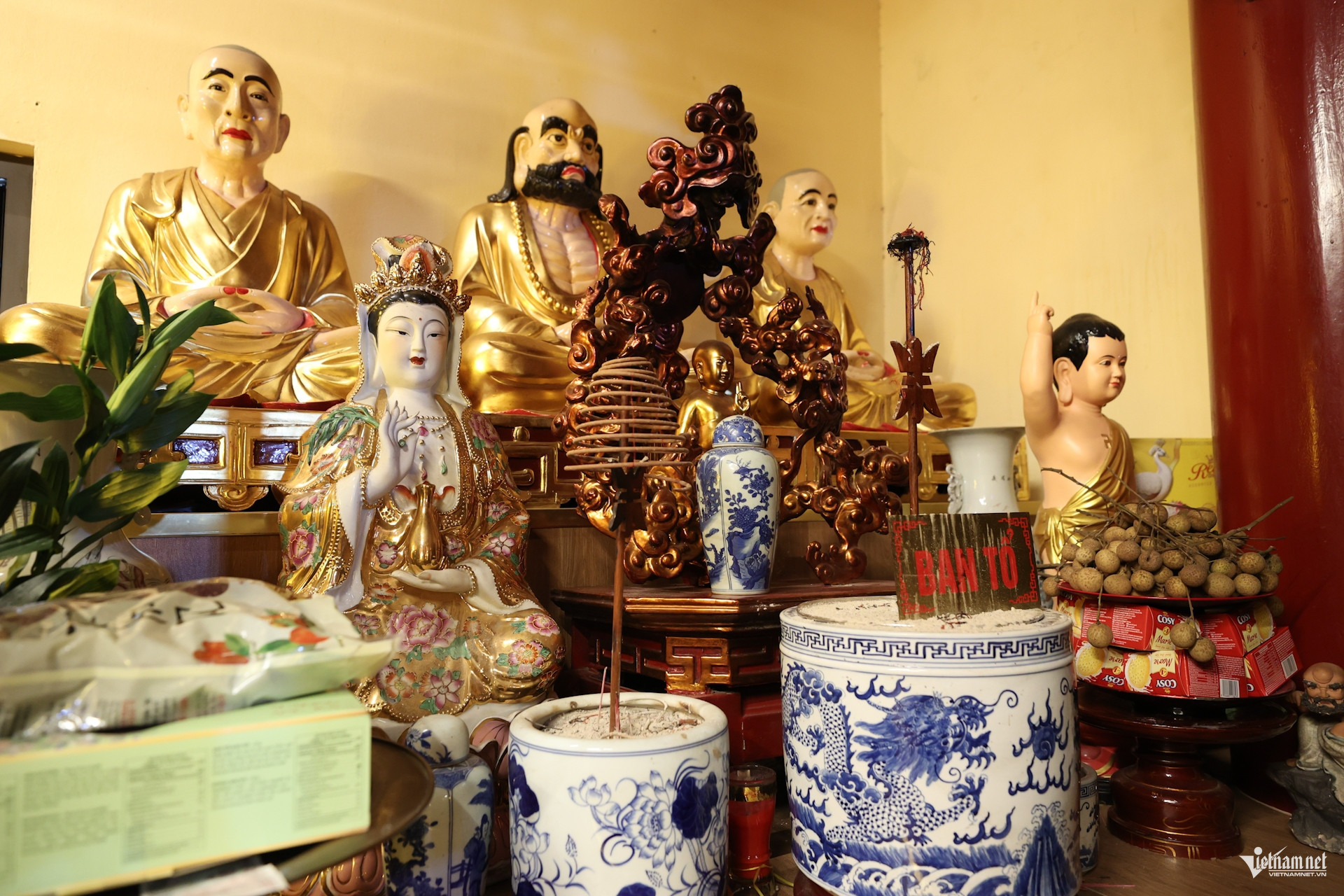
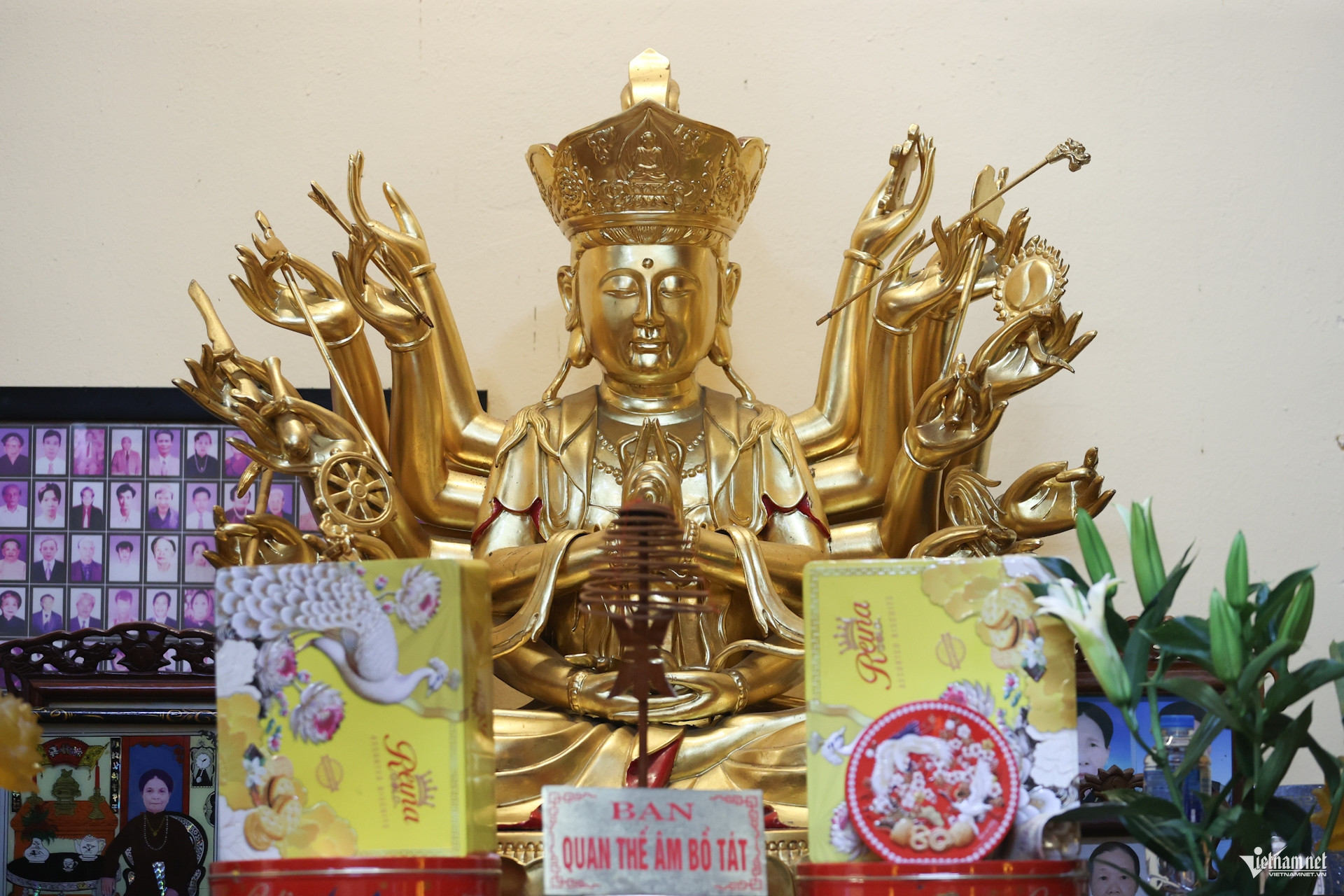
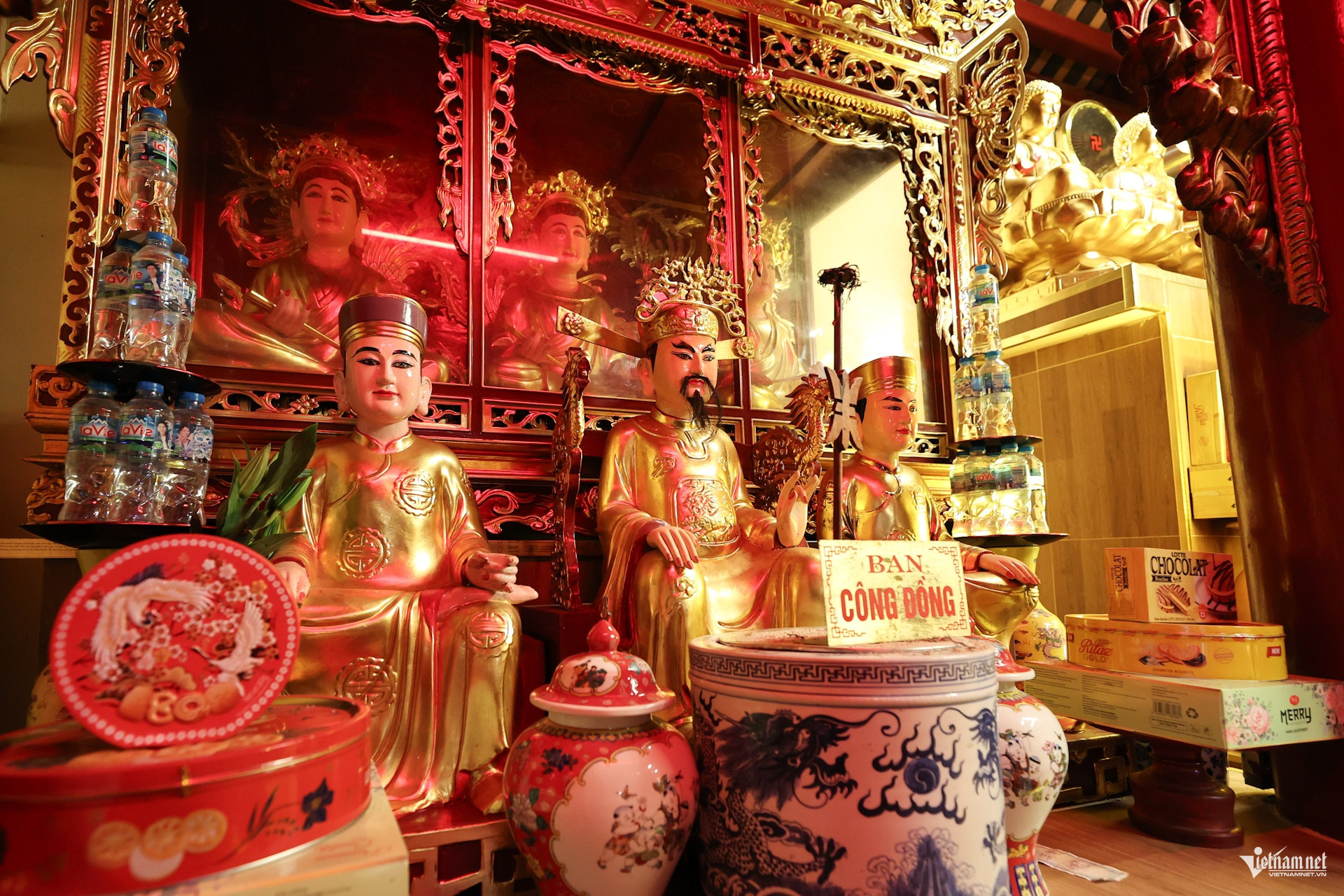
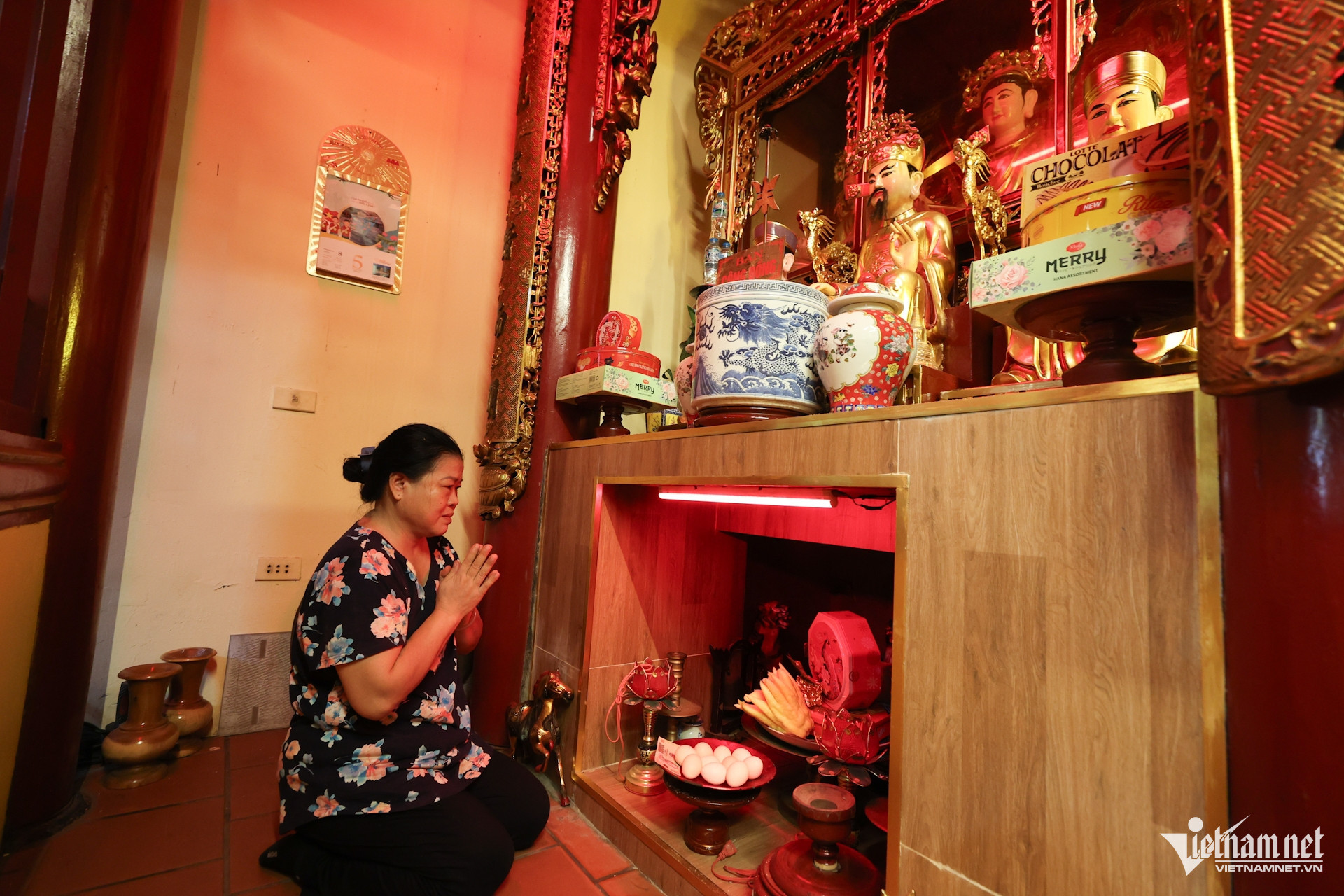
One of the temple’s rare characteristics is its triple dedication: Buddhism, Taoism, and Mother Goddess worship. The front hall enshrines Buddhist deities, while the central sanctuary honors Lady Y Lan. Her birth and death anniversaries, celebrated on the 25th of July and 5th of August (lunar calendar), are the temple’s most important annual events.
Kim Co Pagoda was officially recognized as a national historical site by the Ministry of Culture in 1996. A year later, Venerable Thich Minh Son became its abbot. At the time, the grounds were still occupied by two residential households.
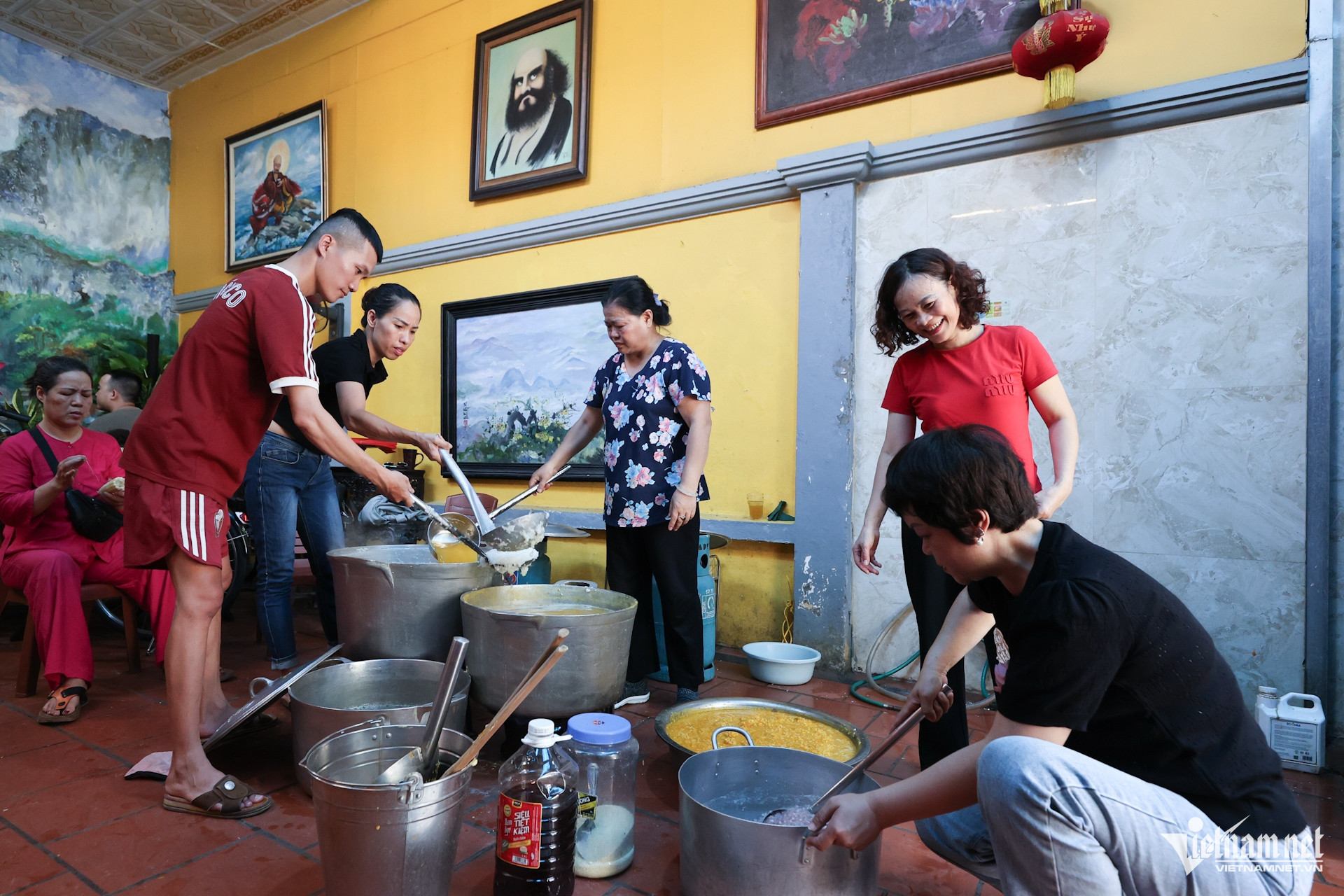
Today, the pagoda is likely “the smallest in Hanoi,” according to the abbot. Still, it fulfills a vital role as both a spiritual refuge and a center of altruism. One remarkable initiative is the “Compassionate Porridge Kitchen,” launched about a year and a half before the COVID-19 pandemic.
The group cooks porridge three times a week - on Tuesdays, Thursdays, and Saturdays - distributing about 400 servings each time at the intersection of Phu Doan and Trang Thi Streets, where many patients and their families stay near Viet Duc Hospital.
The abbot fully supports the initiative, seeing it as a tangible way to embody the Buddha’s teachings of compassion.
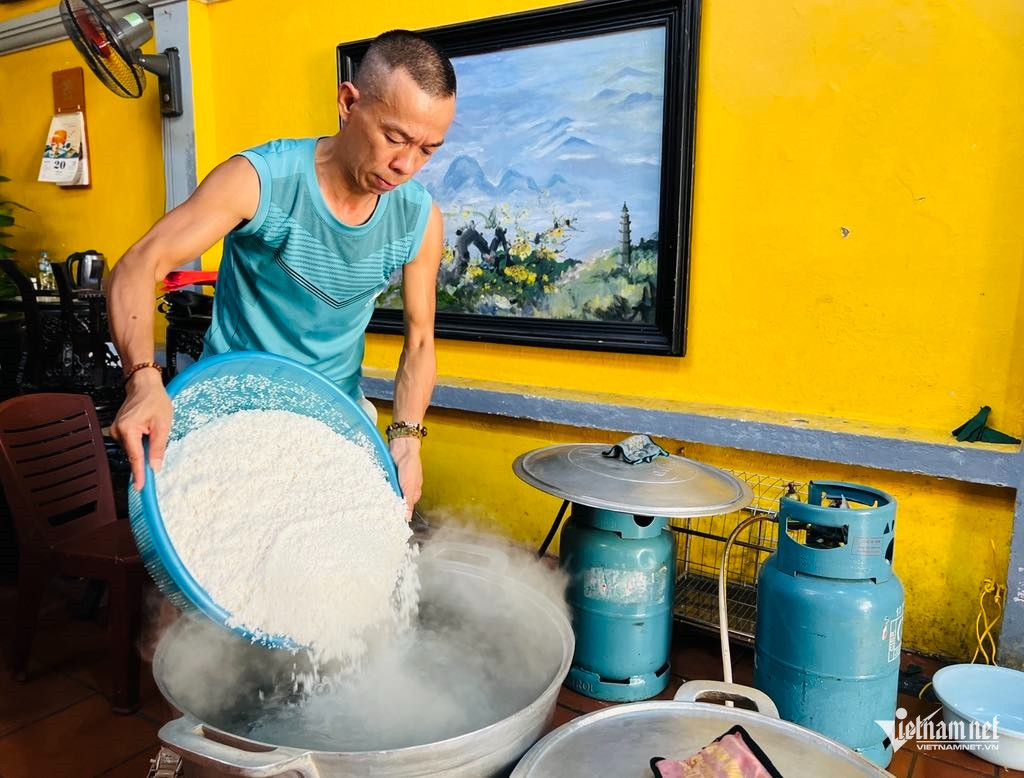
Nguyen Thanh Long, a volunteer from Long Bien District, has helped cook porridge for over three years. “I usually start around 7 a.m. with the fire and pots, and then more volunteers join,” he said. Though it’s hard work, he finds joy in bringing comfort to others. “The abbot often joins us in handing out porridge. He’s deeply empathetic to those in need.”
Bui Thi Bach Yen, a vendor from Phung Hung Street, has been volunteering for over a year. She often arrives early to prepare ingredients like ST25 broken rice, pumpkin, mung beans, and premium minced pork - all donated by kind-hearted patrons and carefully selected. “People always tell us the porridge tastes great. That makes us very happy,” she said.
A heartfelt wish for more spiritual space
Despite his efforts to preserve and elevate this national relic, Venerable Thich Minh Son is concerned about the pagoda's cramped layout.
“Our kitchen is set up right in the small front yard. It’s very tight, but we do our best to support these charitable efforts, because the temple is meant to connect kindhearted souls,” he said.
The original architecture of Kim Co Pagoda followed the traditional Tam character layout, with three aligned sections. “We can’t expand the footprint, but we’re hoping for permission to build vertically - adding a second floor to preserve the traditional form while increasing space,” said Venerable Son. He noted that several other Hanoi pagodas have adopted similar vertical structures, including Phap Bao Tang Pagoda in Hang Cot and Thien Phuc Pagoda in Hai Ba Trung District.
“If allowed, we’ll be able to offer a more dignified space for worship and for the community’s spiritual and charitable gatherings,” he added.
 |
 |
 |
|
 |
|
 |
||
Binh Minh - Le Anh Dung
.svg)
