 Vietnamnet.vn

 Podcast



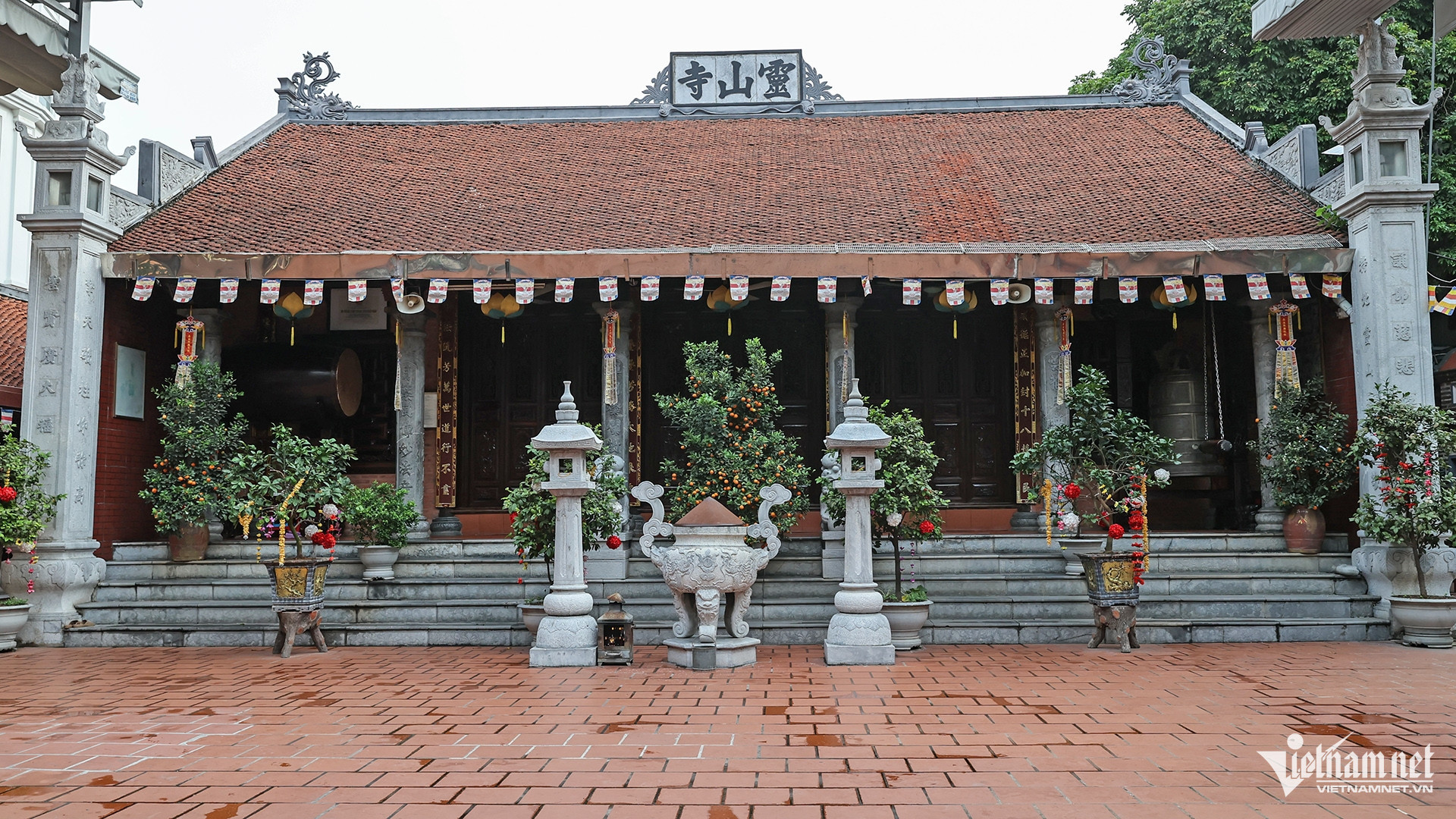
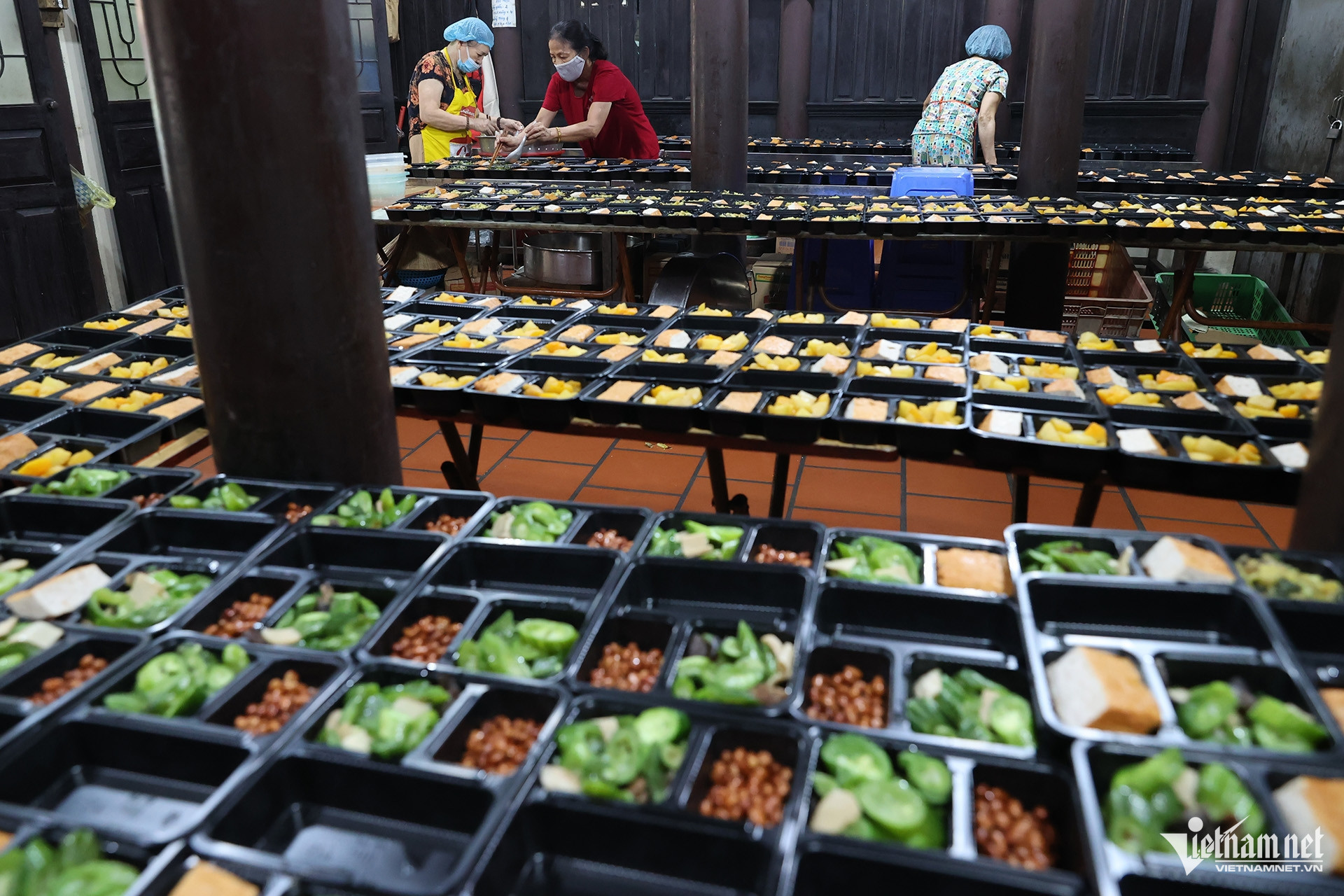
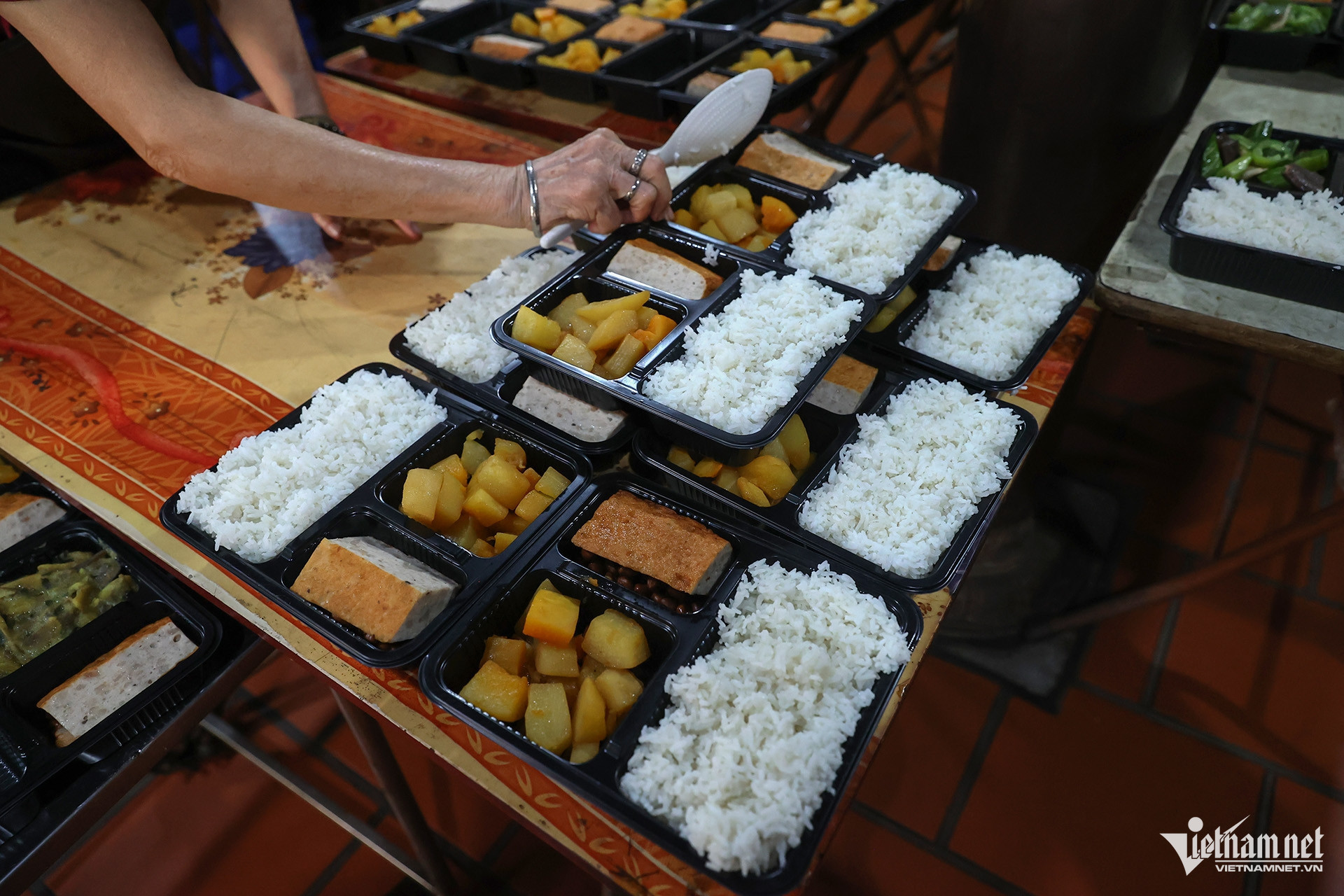
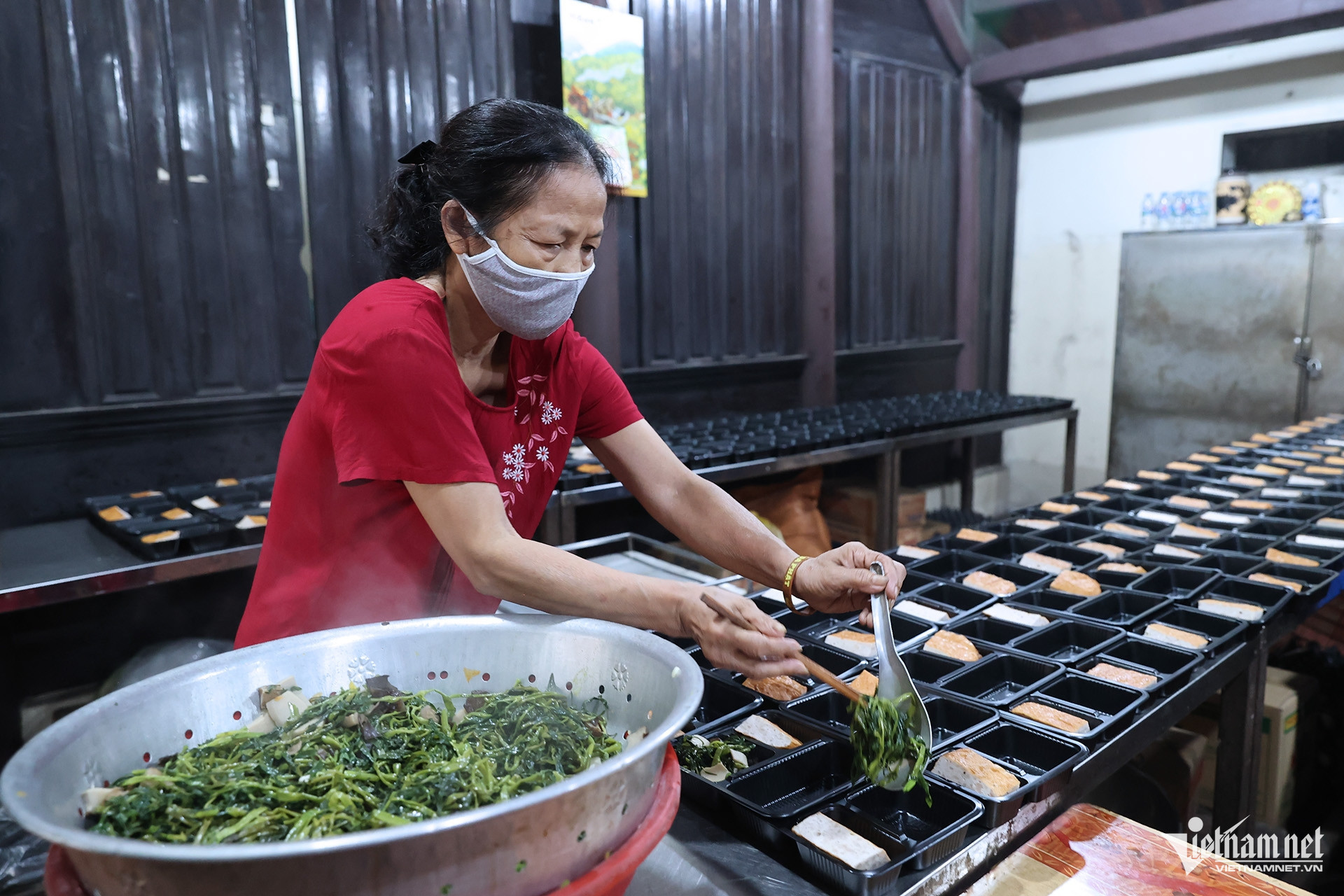
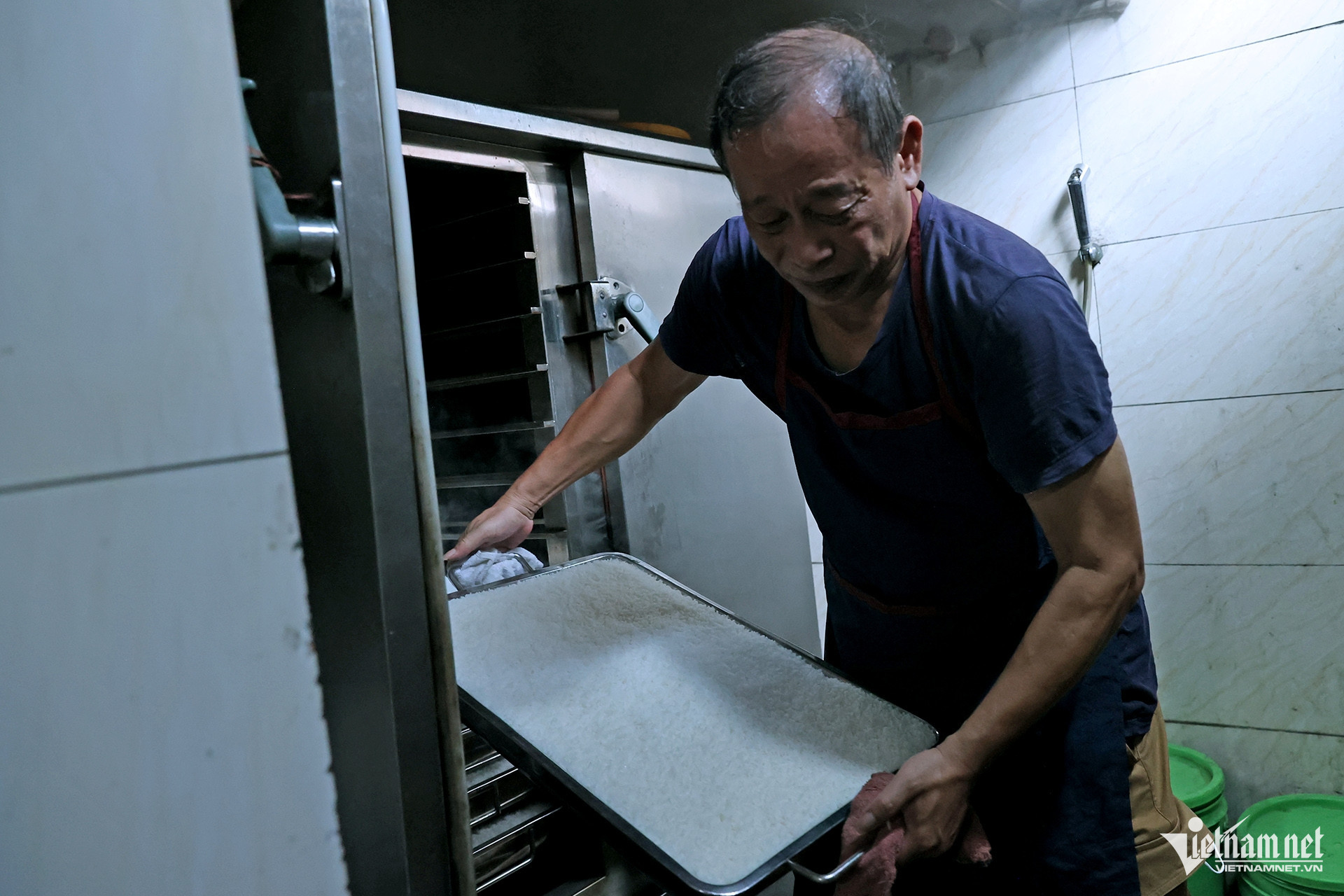
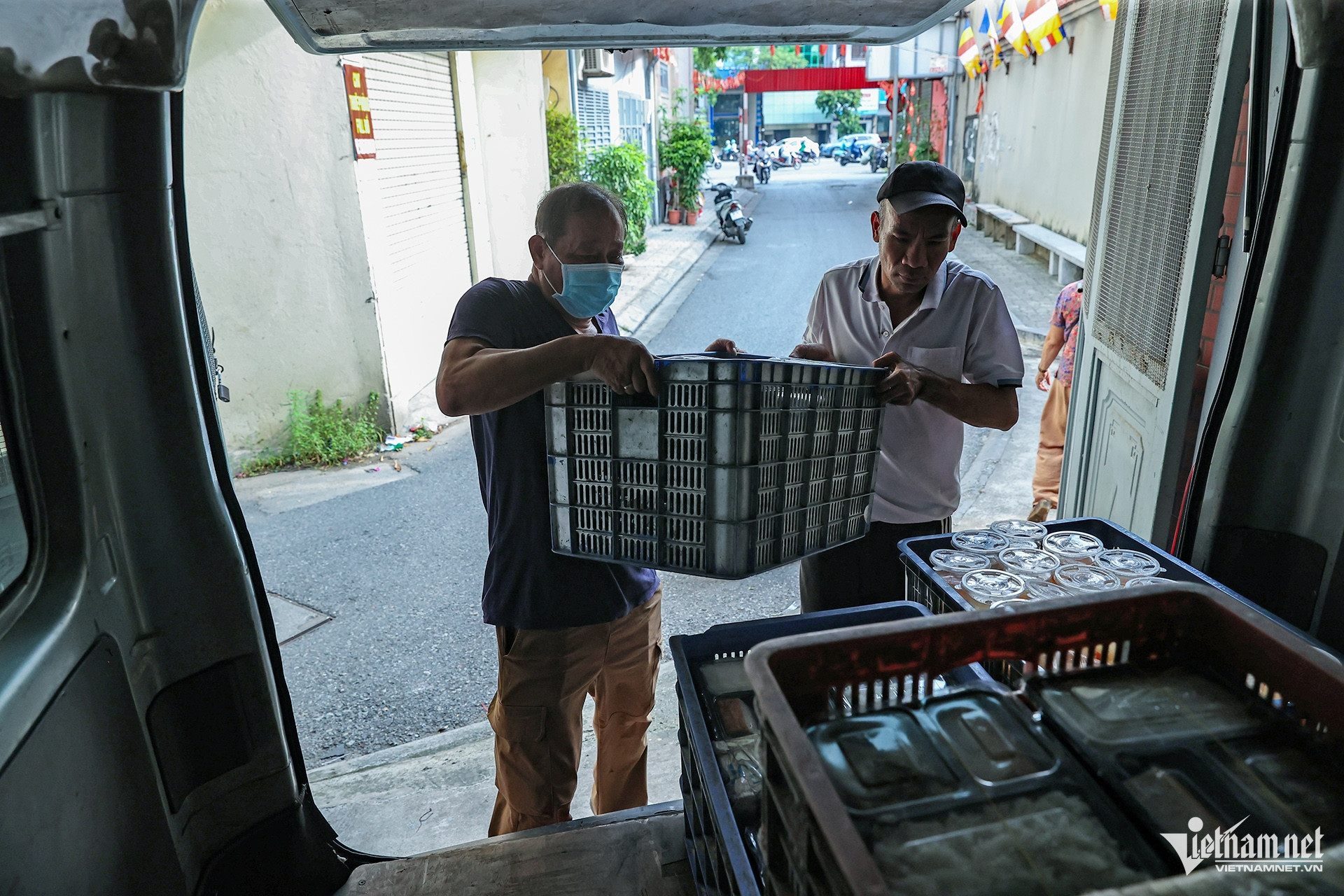
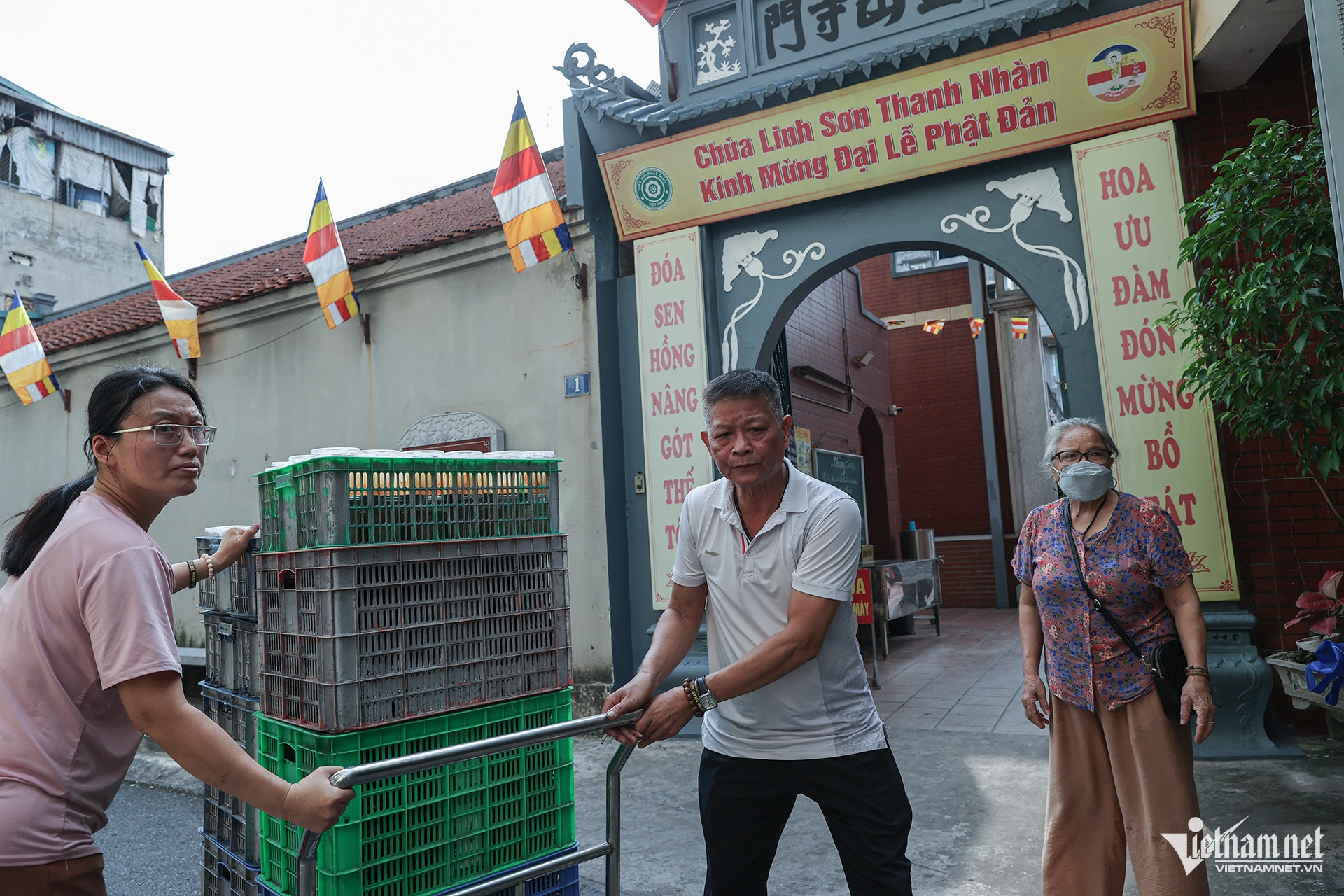
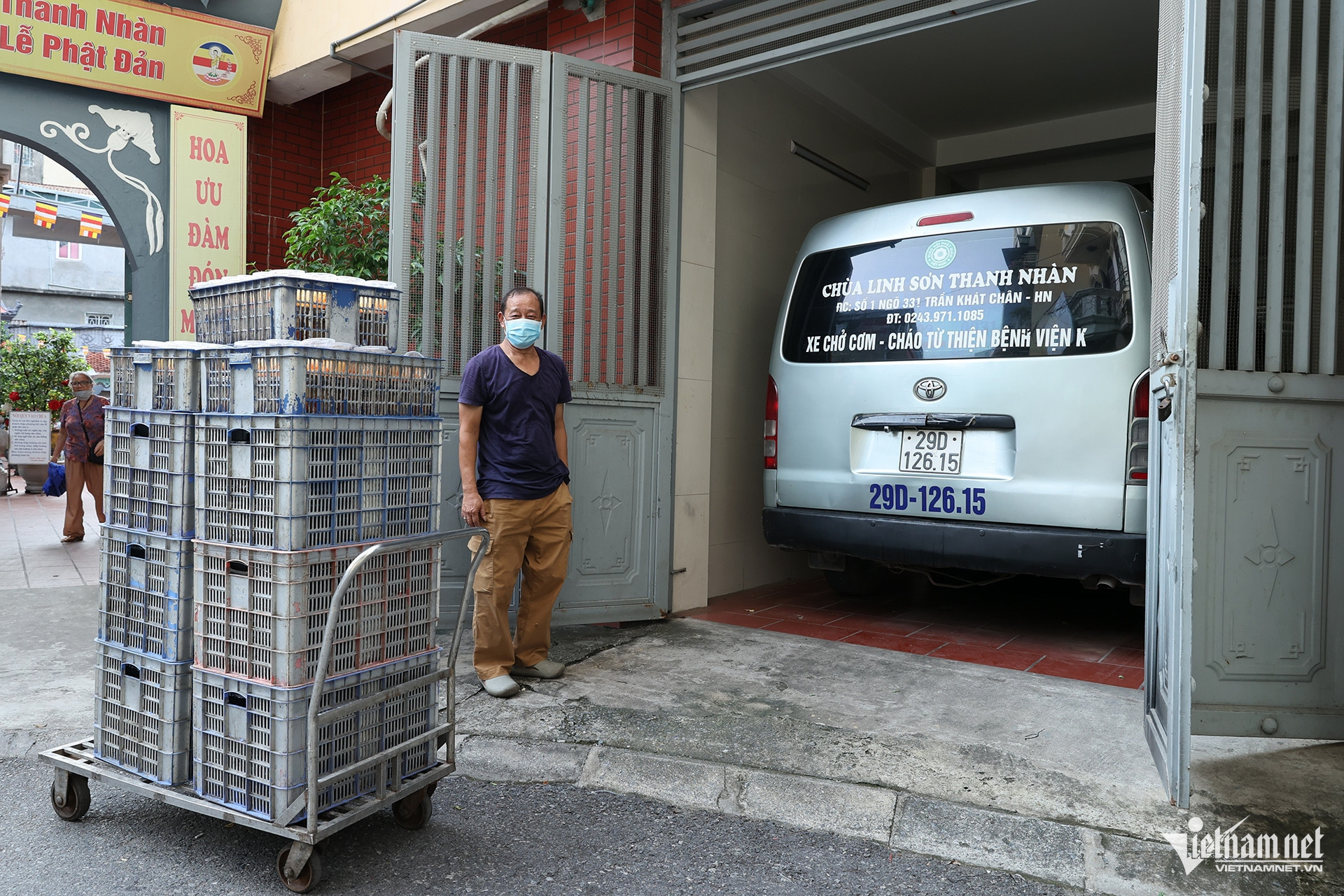
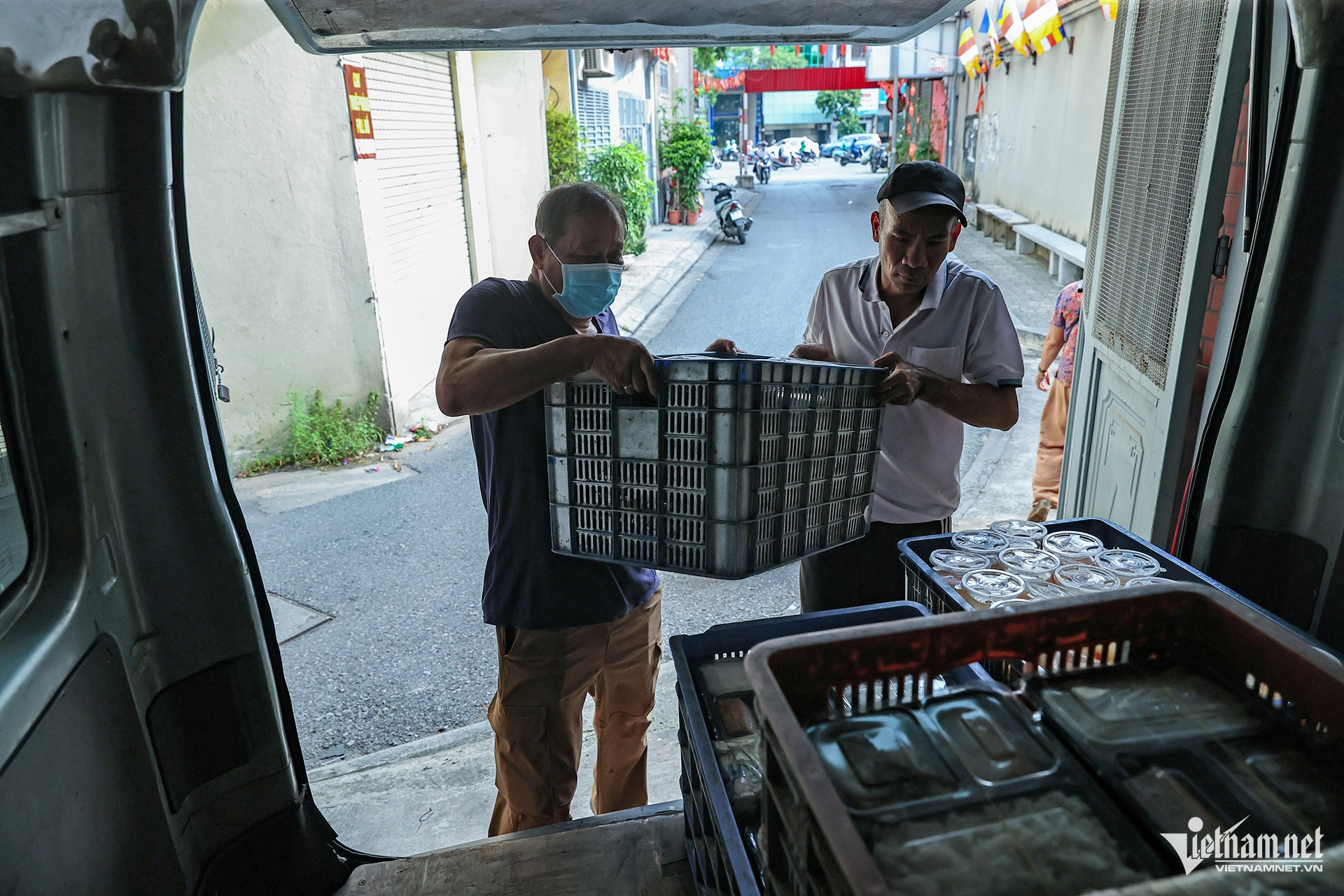
At 4:30 every morning, the small kitchen at Linh Son Thanh Nhan Pagoda in Hanoi lights up to prepare around 600 meals for K Hospital. Each year, more than 150,000 free meals leave this kitchen for patients and others facing hardship.
An unusual idea at K Hospital 20 years ago
The story of the charity kitchen began two decades ago.
At the time, Buddhist nun Thich Nu Nhu Hien, the abbess of Linh Son Thanh Nhan Pagoda, visited the hospital to see and give gifts to a Muong ethnic woman suffering from cancer. While there, she encountered many patients and relatives in desperate circumstances who approached her for help.
“I helped everyone,” she recalled with a gentle smile. “By the time I left, there wasn’t a single dong left in my pocket to pay for parking. I had to explain it to the attendant and promise I would pay the next time I came. Luckily, he understood and waived the fee.”
Back at the pagoda, she told Buddhist followers about the difficult lives she had witnessed. From those conversations came an idea: they would cook rice and porridge and provide them free of charge to poor patients.
Officials at K Hospital were surprised when they heard the proposal. At the time, charity kitchens providing free cooked meals were still uncommon.
“Can a temple kitchen prepare dishes with meat? We’re concerned that patients undergoing radiotherapy may not be strong enough for treatment if they eat only vegetarian food,” Nhu Hien recalled hospital officials asking.
That conversation led to an unusual approach to charity: a kitchen operating inside a Buddhist pagoda, but preparing meals according to the practical nutritional needs of hospital patients.
In 2006, the kitchen prepared 50 rice meals each day for K Hospital’s K1 facility and another 50 servings of porridge for K2. From those first few dozen meals, the operation steadily expanded. Today, it prepares an average of around 600 meals a day for distribution at the hospital’s K2 and K3 facilities.
The kitchen operates from Monday through Saturday, closing on Sundays and for around a month during the Lunar New Year period, when many cancer patients return to their hometowns. At its current scale, the kitchen provides an estimated 150,000 to 170,000 free meals each year.
Twenty years is a long journey for a charity kitchen. It has been sustained by the persistence of the pagoda’s abbess and the quiet contributions of generations of Buddhist volunteers.
Among Nhu Hien’s most vivid memories are the days of the COVID-19 pandemic.
“The road into the pagoda was blocked with barbed wire,” she recalled. “The women on the kitchen team still found ways to squeeze through the barriers to come and work. Some even tore their clothes. The kitchen did not close for a single day.”
Still in better health then, the nun would often wake at 3:30 or 4am and go out to buy food while the streets were deserted. Some Buddhist volunteers transported patients from remote areas into the city and then bought supplies to bring back to the pagoda.
Through those efforts, the kitchen managed to find enough ingredients to keep its meals going through one of the most difficult periods.
Charity that comes from the heart
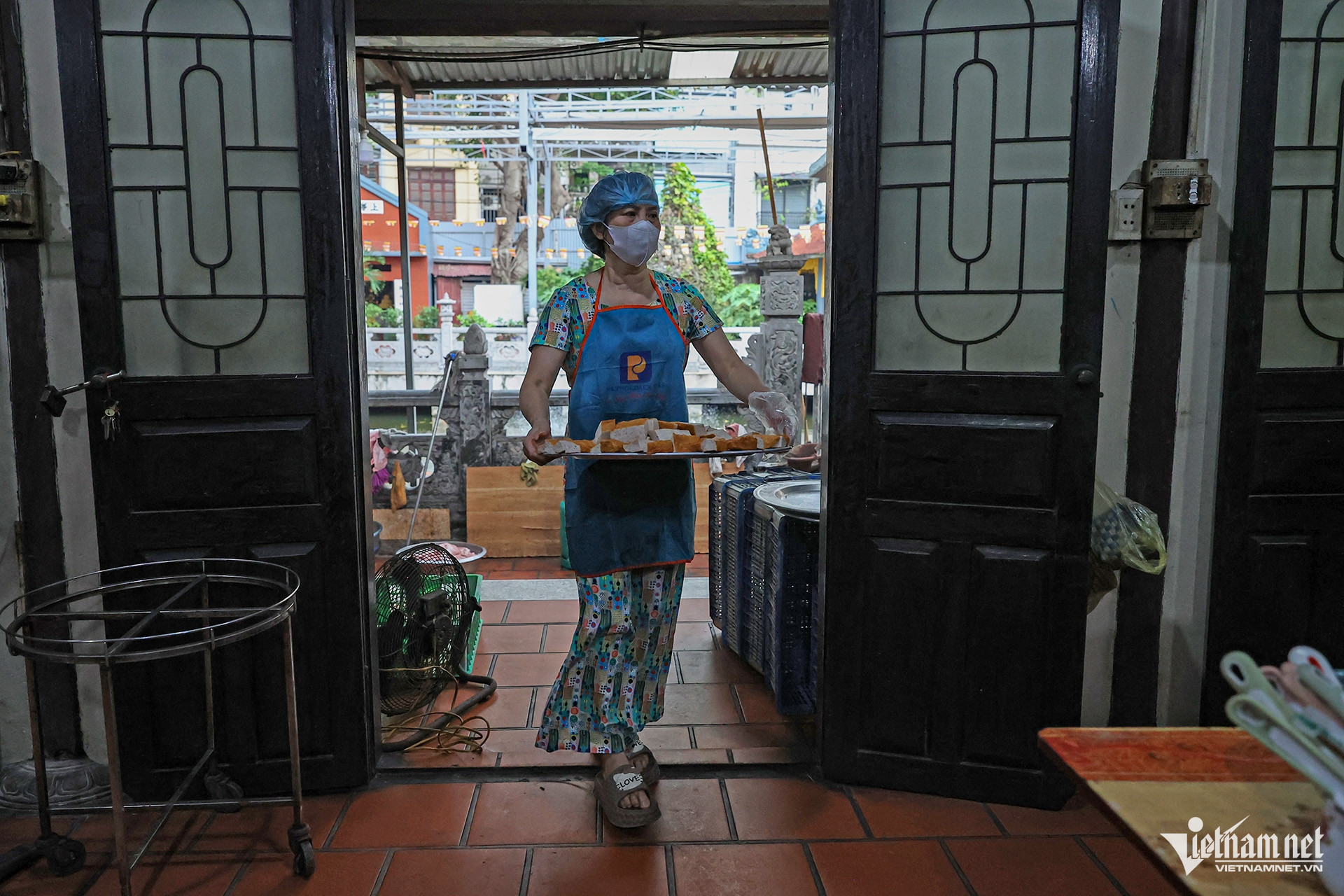
For many years now, at around 4:30 each morning, while much of the city is still asleep, another day begins inside the Linh Son Pagoda kitchen.
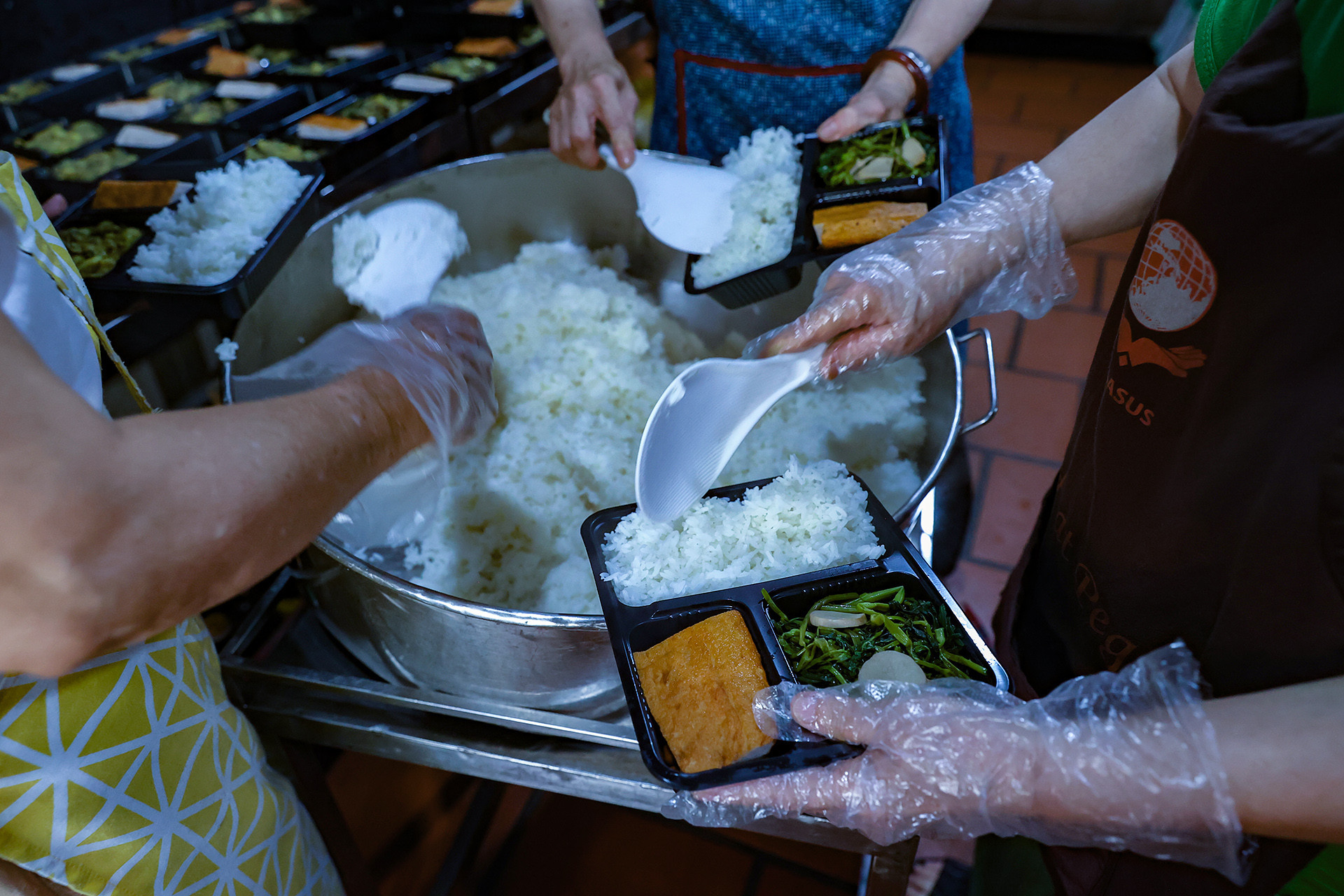
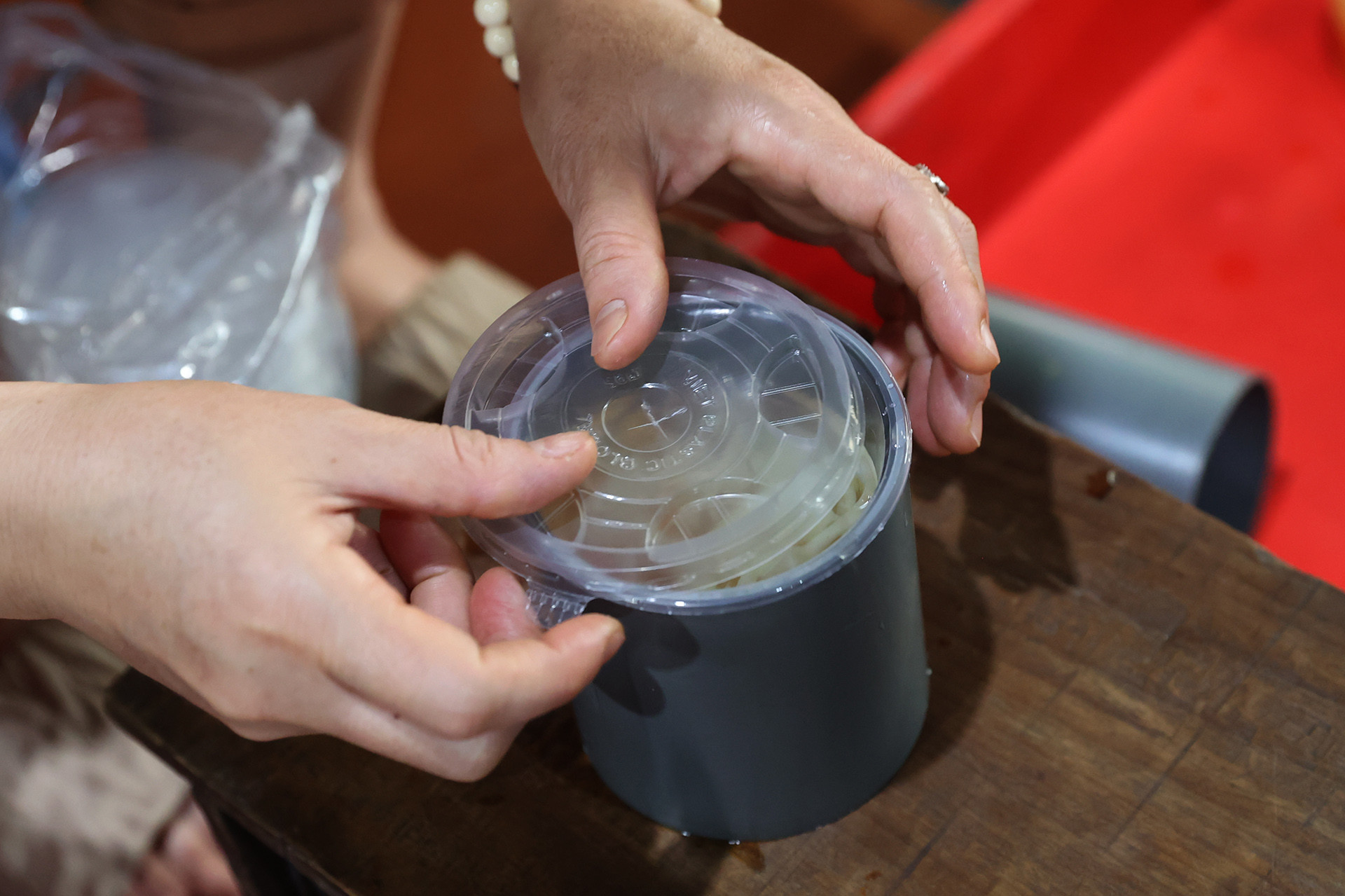
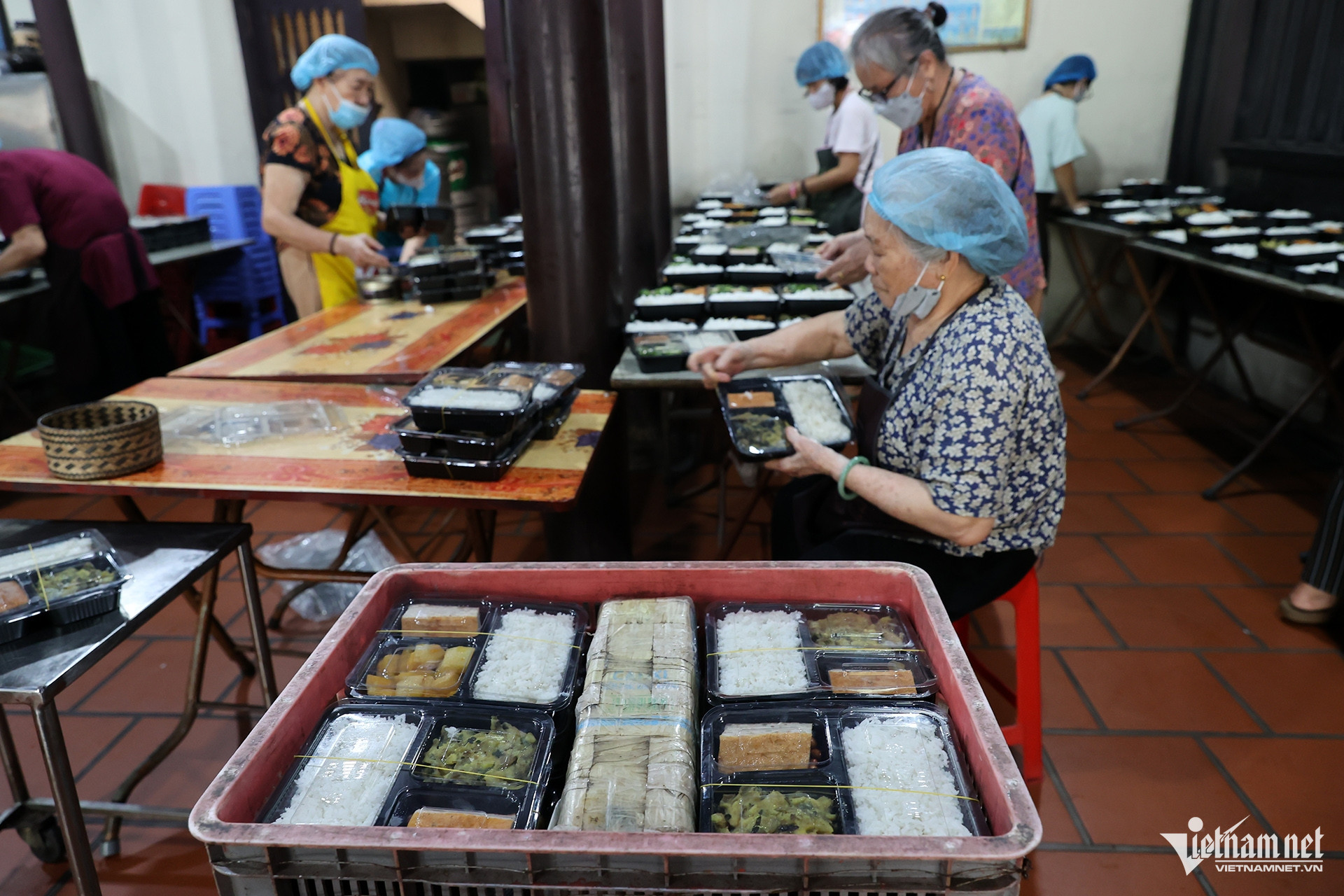
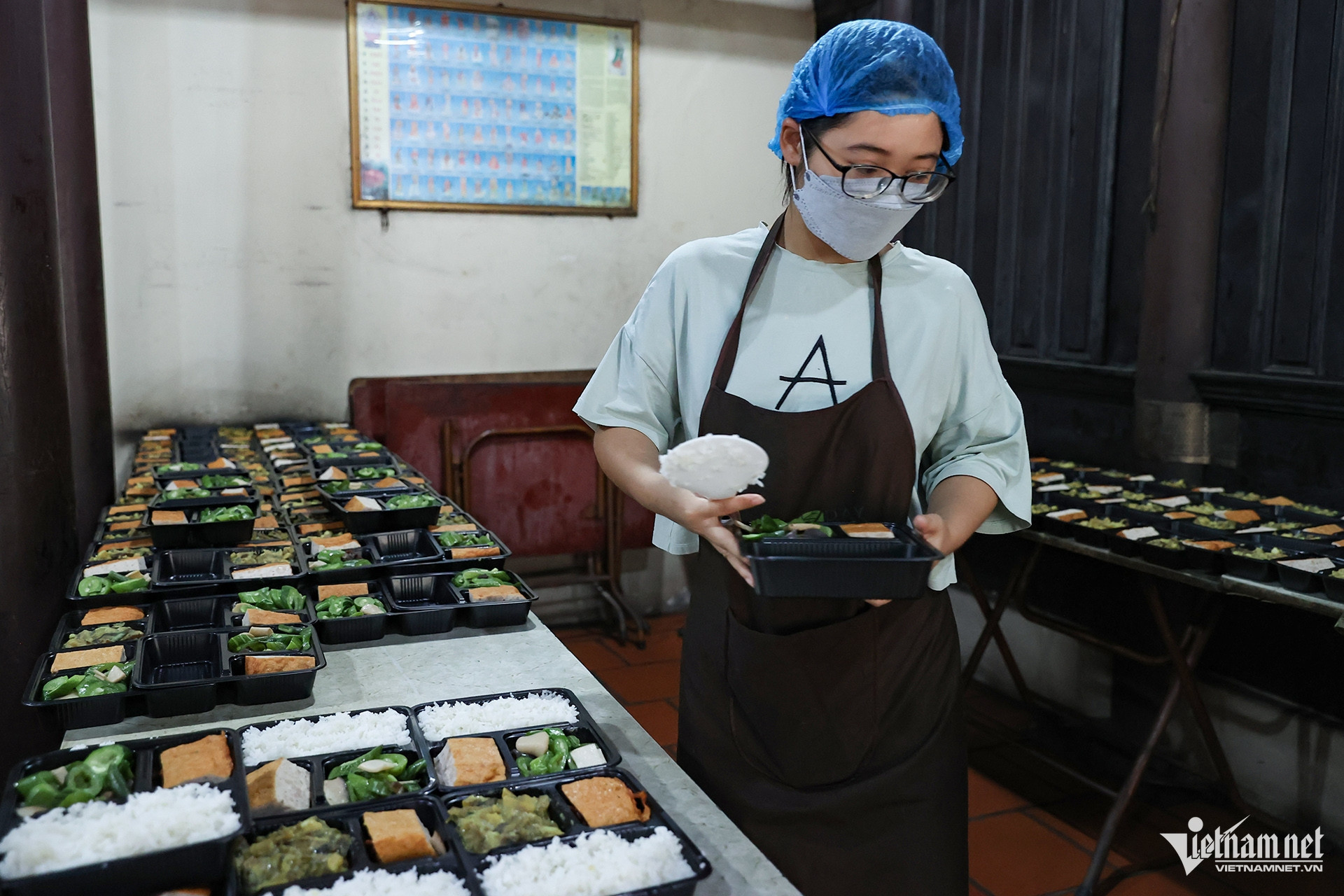
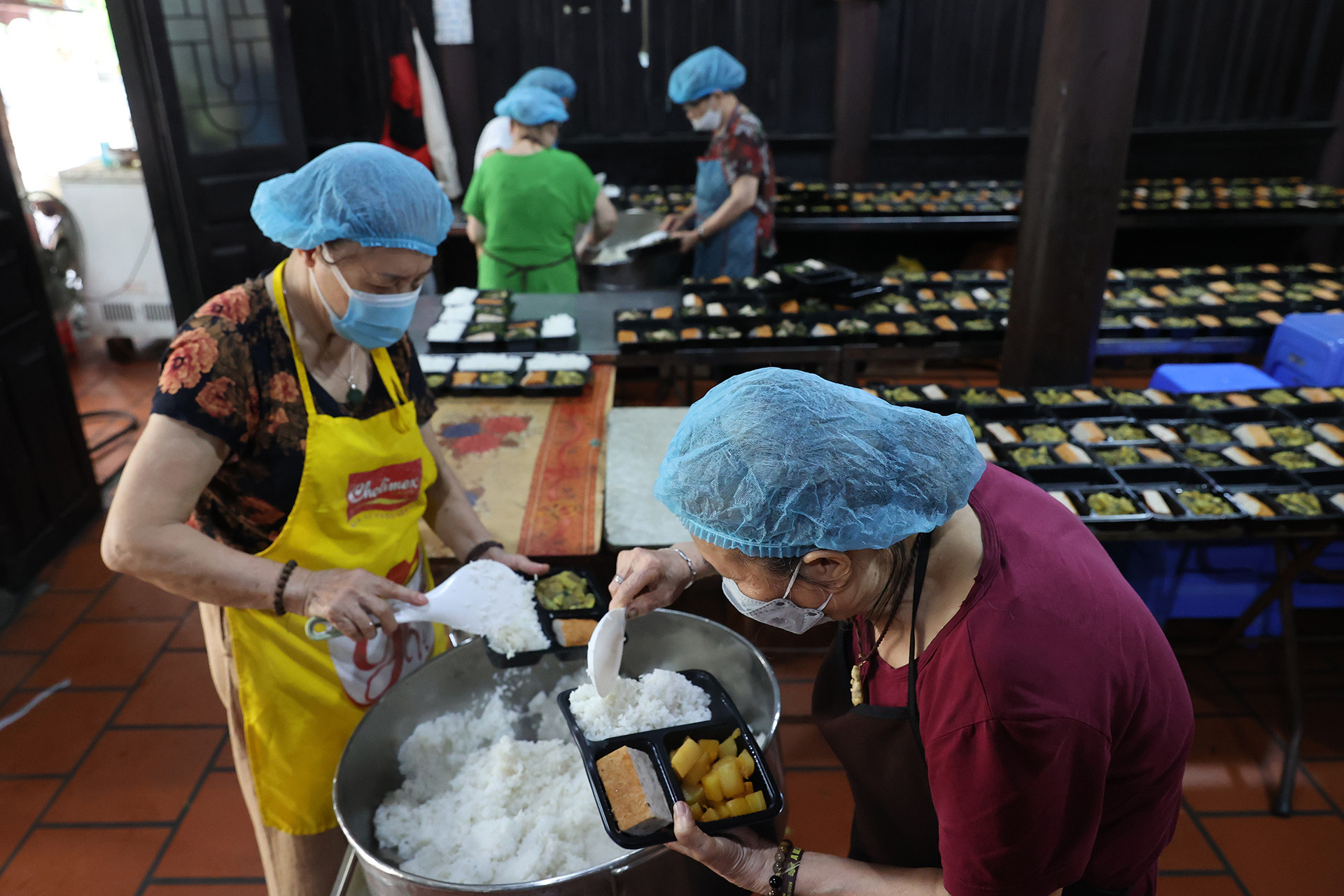
Some volunteers sort vegetables, others prepare ingredients, cook or pack meals into boxes. Those unable to come in the morning often arrive in the afternoon to prepare ingredients for the following day. One group arrives as another leaves, keeping the work moving from day to day.
Inside the warm kitchen, the daily menu is surprisingly varied, with soups, stir-fries, fried dishes and braised food rotated regularly. Every stage of preparation is handled with care.
From the kitchen’s earliest days, Nhu Hien told its volunteers to work in the spirit that “all living beings are one family,” treating every person receiving a meal as they would a member of their own household.
That philosophy has guided the kitchen for two decades. During that time, it has never experienced a food poisoning incident.
Despite her own health problems, Hoang Kim Ha regularly comes to help, mostly taking on lighter tasks.
“Being active and helping other people makes me feel healthier,” she said.
The kitchen’s volunteer team spans generations, from people in their 70s and 80s to university students. The story of charity at Linh Son Thanh Nhan Pagoda has gradually become one passed from one generation to another.
Volunteers bring friends and relatives with them. The tangible nature of the work keeps drawing people in and encourages them to stay. There is no compulsory roster and nobody is paid.
Around 30 people participate on an average day, while the kitchen can mobilize about 50 volunteers when needed.
Each meal may be modest, but to someone struggling through illness and financial hardship, it can mean far more than its contents.
On one occasion, an ethnic minority woman brought her elderly mother and two children to the hospital. When doctors told her that her mother’s illness was already at an advanced stage, the daughter said she would return home to find money and then disappeared.
The elderly woman and two children were left without money for food.
Moved by their situation, the meal volunteers gave them two portions. Someone initially questioned the decision because the rules allowed only one meal per person. Once the circumstances were explained, everyone fell silent.
Stories like this have given the Buddhist volunteers another reason to keep returning to the kitchen.
“Whenever we can help someone, we feel at peace. The more people we can help, the better,” said Nguyen Thi Ham, 85, who has volunteered with the kitchen team since 2009.
‘When I am gone, please keep it going’
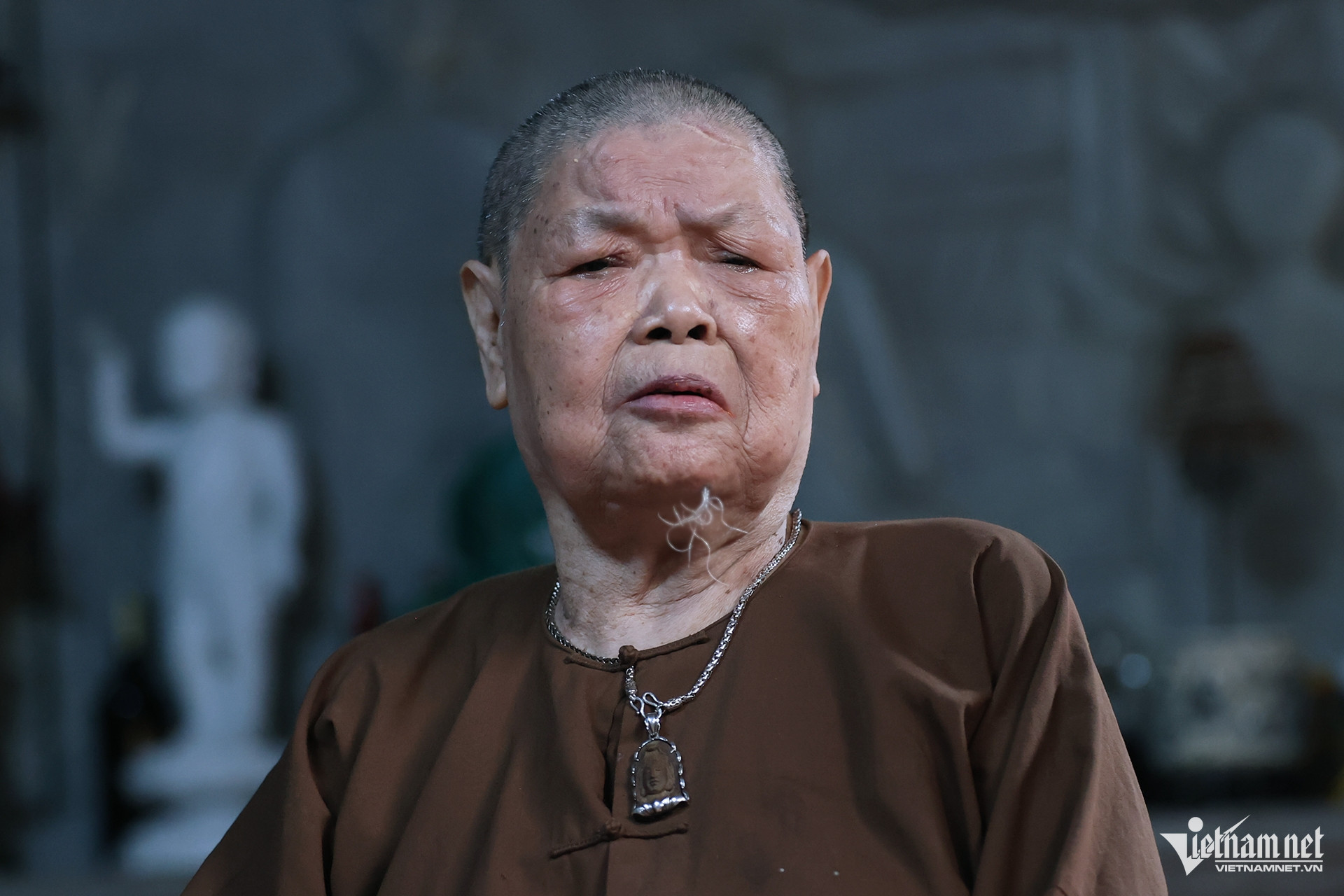
Nhu Hien is now 80.
Her health has weakened, and there have been many moments when the difficulties made her consider stepping away. But each time, another thought stopped her: if the kitchen closed, hundreds of people could be left without a meal that day.
So she carries on.
“I’m 80 now,” she said. “As long as the Buddha gives me another day when I can still do this, I will. When I am gone, please try to keep it going. Don’t let it stop.”
During the Vu Lan season, an important Buddhist observance in Vietnam centered on gratitude and filial devotion, the abbess offers a quiet reminder: doing good deeds and dedicating their merit to one’s ancestors, grandparents and parents is also a way of expressing filial gratitude.
And that, she says, is something people can practice regularly throughout their lives, rather than only during the Vu Lan festival.
At the charity kitchen of Linh Son Thanh Nhan Pagoda, it becomes clear that compassion does not always begin with something extraordinary.
Sometimes, it is simply waking before sunrise, sorting a bundle of vegetables, packing a meal into a box and placing it in the hands of someone who needs it.
And then hoping that, when another morning arrives, the kitchen fires will burn again.
Binh Minh - Le Anh Dung
.svg)
